
Review · JAPAN
Best of Nagasaki with Japanese Tea Ceremony 4 hours Car Tour
Nagasaki tells big stories in a small space. This four-hour private tour pairs the city’s atomic-bomb memorials with Glover Garden, Oura Church, and a Japanese tea ceremony, making it a useful choice when you have only half a day. I like the comfortable car transport and the thoughtful mix of serious history and living culture. I also like that the tour includes entrance fees and private transportation, so the price is easier to understand from the start. The main limitation is time: four hours gives you a strong introduction, but some stops will feel brief.
This is especially practical for cruise-ship visitors, people who prefer not to walk long distances, and anyone concerned about rain or heat. Guides such as Akihiro, Moeurn, Hiro, and Vichka have been praised for clear English, patience, and a warm approach. Still, the $221.12 per-person price is not a bargain for a short outing, particularly if you are traveling alone.
Five things to know before booking
- The tour covers five important Nagasaki sights: Peace Park, Hypocenter Park, the Atomic Bomb Museum, Oura Church, and Glover Garden.
- The tea ceremony takes place in Shindaikumachi and lasts about 45 minutes, giving the tour a calm cultural center.
- A private car or taxi is used, depending on vehicle availability, which limits walking and keeps the route moving.
- The schedule suits a half-day visit, but the 20 to 30-minute historical stops leave little spare time.
- The guiding is a major strength, with clear English and personal attention highlighted in the available feedback.
- Cancellation is free up to 24 hours before departure, but late changes or cancellations are not refundable.
Why this tour works well in four hours
Nagasaki is not a city you can understand by checking off one viewpoint. Its modern identity is tied to the atomic bombing of 1945, its harbor opened to foreign trade, and its long Christian story. This tour puts those strands together in one compact route.
The order also makes sense. You begin with the city’s memorial sites, then shift to the quieter ritual of matcha before finishing among Western-style homes and harbor views. That contrast is one of the tour’s best features. The day does not become a nonstop sequence of solemn museums, but the cultural portion does not erase the difficult history either.
The car matters. Nagasaki has hills, and several sights require walking once you arrive. You still need to walk through the parks, museum, church, and garden, but you are not spending the whole morning finding buses or climbing between districts. If your stamina is limited, this format can make the difference between seeing the city and seeing only one attraction.
Depending on availability, transportation may be by private car or taxi. The tour is private, so only your group takes part. That gives you more room to ask questions and set the pace than a large shared excursion, although the four-hour schedule still places limits on how long you can linger.
More Tea Ceremonies in Japan:
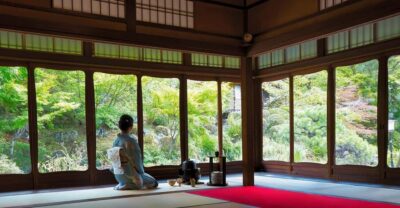
- Kyoto: Tea Ceremony in a Traditional Tea House in Kiyomizu
★ 4.9 · 3,519 reviews - Kyoto: Tea Ceremony Ju-An at Jotokuji Temple
★ 4.9 · 3,207 reviews - Kyoto: 45-Minute Tea Ceremony Lesson Experience
★ 4.3 · 2,378 reviews
Peace Park and Hypocenter Park: starting with Nagasaki’s hardest story
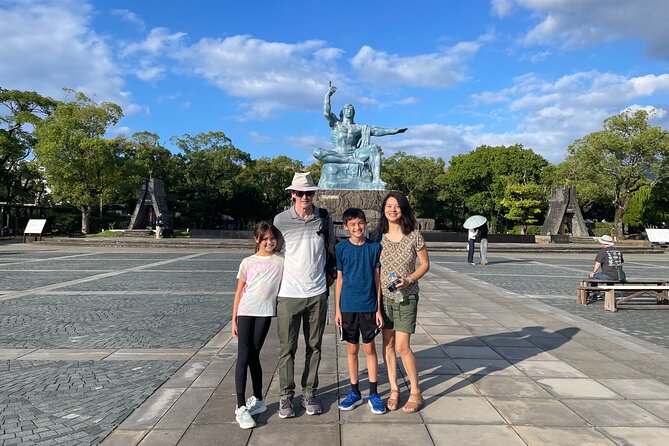
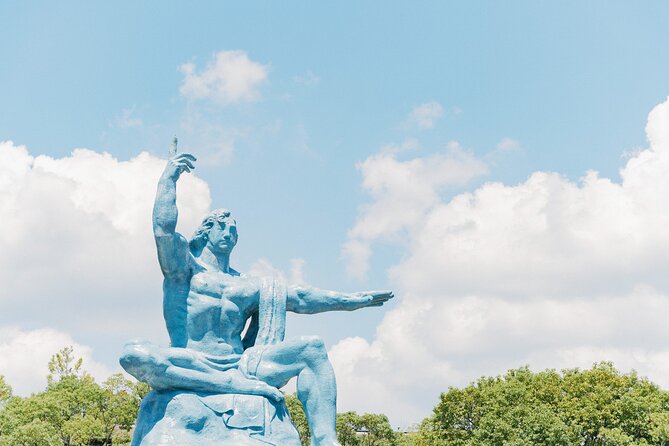
The first stop is Nagasaki Peace Park, where memorials and sculptures honor those killed by the atomic bombing. The famous Peace Statue gives the park its visual focus, but the wider setting is meant for quiet thought rather than quick sightseeing.
You are given about 20 minutes here, with no admission charge. That is enough to walk among the main memorials and hear an introduction from your guide, but it is not enough for a slow visit to every monument. If you want extensive time for reflection or photography, you may find this stop short.
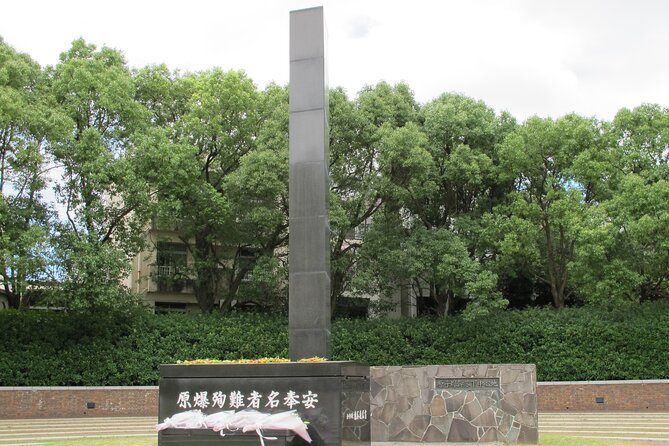
Next comes Hypocenter Park, also scheduled for about 20 minutes. This marks the exact location where the bomb exploded on August 9, 1945. The setting is direct and restrained. Instead of asking you to absorb the whole story through a large display, it places you at the physical center of the event.
I value the pairing of these two stops. The Peace Park explains how Nagasaki remembers, while Hypocenter Park makes the event’s location concrete. Together, they give you a better sense of place than either stop would alone.
The tone here deserves respect. This is not a photo opportunity in the usual sightseeing sense. Your guide can provide context in clear English, but you should also expect quiet time. One published comment singled out the Peace Garden as especially moving, and that reaction is easy to understand. Even a short visit can stay with you.
The Atomic Bomb Museum in a 30-minute visit
The Nagasaki Atomic Bomb Museum adds evidence and personal stories to the outdoor memorials. Exhibits cover the events of August 9, 1945, and the damage done to the city. Photographs, artifacts, and accounts from people affected by the bombing help turn a date in history into human experience.
The planned visit lasts about 30 minutes, and admission is included. That is convenient, but it also requires focus. You will not have time to read every display carefully. I suggest listening closely to the guide’s introduction, then choosing the exhibits that matter most to you rather than trying to take in the entire museum at speed.
For some people, this will be the emotional center of the tour. The museum is not an easy stop, and the brief schedule may feel helpful or frustrating depending on how you respond. If you need a longer, quieter museum visit, you may want to return independently later. The tour gives you an important first look, not a full museum study.
Still, including the museum is essential. The outdoor parks provide space and symbols. The museum supplies objects, images, and testimony. That combination makes the morning more grounded and gives the rest of Nagasaki’s story greater weight.
Shindaikumachi and the 45-minute Japanese tea ceremony
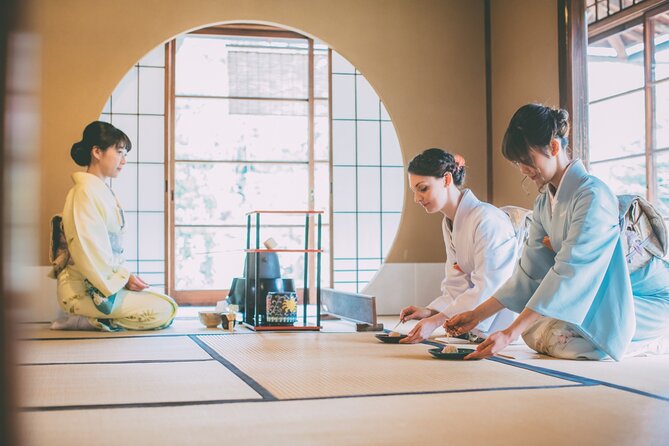
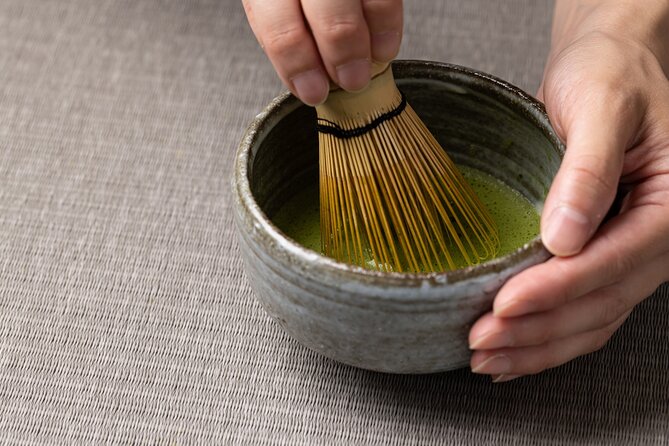
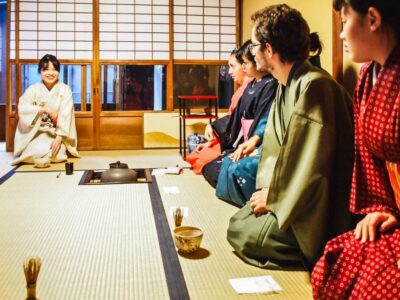
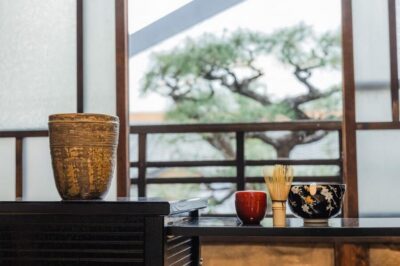
The tea ceremony in Shindaikumachi changes the pace completely. You watch matcha being prepared with careful movements and learn about omotenashi, the Japanese idea of hospitality and thoughtful attention to others.
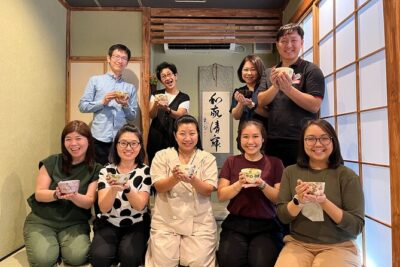
This is not simply a snack break. The value comes from seeing a traditional practice explained in a personal setting. You can observe the preparation, enjoy matcha and sweets, and consider how Japanese customs express respect through small actions.
At 45 minutes, the ceremony receives more time than any other scheduled stop. That is a good choice. A ritual like this feels hurried if it is squeezed into ten minutes. Here, you have enough time to settle down after the atomic-bomb sites and appreciate the change in mood.
The tea ceremony also gives the tour something many city sightseeing trips lack: a direct cultural experience rather than another building viewed from outside. One guide credited a visitor’s suggestion with inspiring the addition of tea ceremonies to future tours. That detail helps explain why this part feels like a meaningful addition instead of an unrelated extra.
You should not expect a full tea-school course. The available information describes a hosted ceremony and an explanation of hospitality, not formal instruction or a lengthy lesson. It is best viewed as an introduction to matcha culture, with a chance to watch and participate at a comfortable level.
A few more tea experiences around Japan worth a look
- World Heritage Kyoto & Nara Uji Authentic Matcha Experience
★ 5.0 · 1,573 reviews - Osaka: Tea Ceremony Experience
★ 4.9 · 1,426 reviews - Kyoto: Table-Style Tea Ceremony at a Kyo-Machiya
★ 4.9 · 1,211 reviews - Kanazawa: Kenrokuen Tea Ceremony Experience
★ 4.8 · 1,139 reviews
Oura Church and Glover Garden on the harbor side
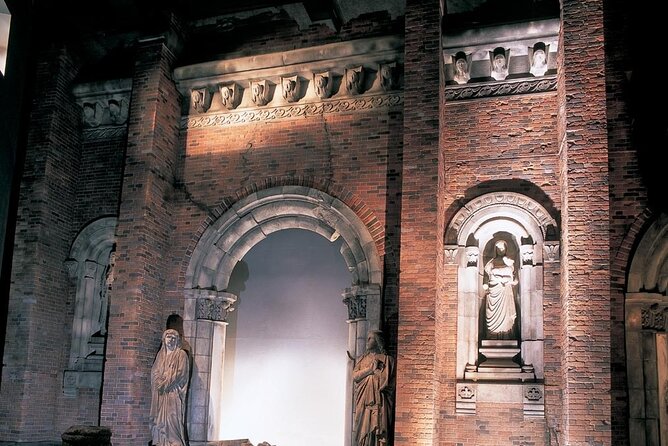
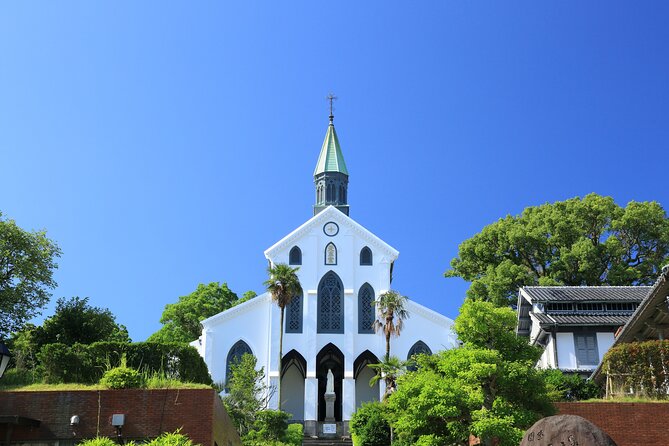
The tour then moves toward Oura Church, identified as Japan’s oldest Christian church and a UNESCO World Heritage Site. It offers a different view of Nagasaki, a port city shaped by contact with foreign merchants, missionaries, and residents.
The supplied schedule does not give a separate duration or admission detail for Oura Church. That means you should ask your guide how much time is planned on the day. The church is an important stop, but the four-hour limit may mean a short visit rather than a leisurely examination of every feature.
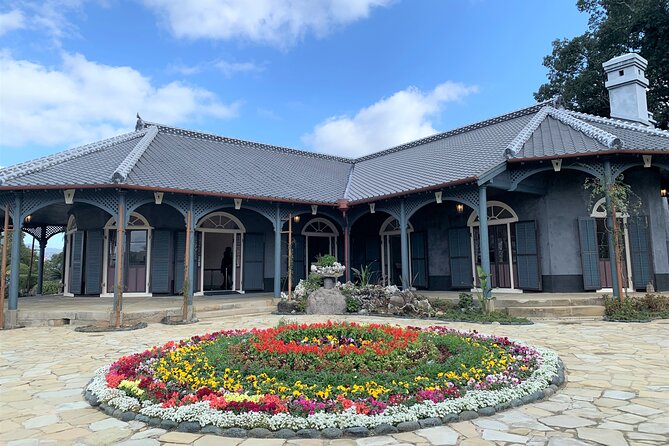
Glover Garden follows, with about 30 minutes and admission included. The garden sits on a hillside above Nagasaki Harbor and contains Western-style residences from the 19th century. You can walk through the grounds, see the homes linked to foreign residents, and take in the harbor views.
This is one place where comfortable transportation helps, but you still need to walk through the garden and manage its hillside setting. The views reward the effort. The houses also explain why Nagasaki looks and feels different from many other Japanese cities. This is the port’s international past made visible in architecture, gardens, and harbor outlooks.
Thirty minutes is enough to enjoy the main view and see part of the grounds. It is not enough for a slow architectural visit. If historic houses are your main interest, you may want to return on your own. As a final stop, though, Glover Garden gives the tour a lighter, more scenic finish after the morning’s serious memorial sites.
What the $221.12 price really buys you
At $221.12 per person, this is a premium half-day outing. The value depends heavily on your group size and priorities.
The price includes private transportation, entrance fees, and the tea ceremony. You are also paying for a private guide rather than joining a large group. For a family or small party, the cost may feel reasonable because everyone shares the vehicle and receives direct attention. For one person, the same price is much harder to justify.
The car is more than a comfort feature. It saves time between districts and reduces the risk of wasting part of a short visit on transfers. That matters when the full program lasts only four hours. If you are arriving from a cruise ship, the time savings may be worth more than they would be during a longer stay in Nagasaki.
The tour does not include meals, souvenirs, or personal spending. The tea ceremony is included, but you should not treat it as lunch. Plan separately for food if your schedule requires it.
Group discounts are offered, though the details are not specified. Check the current price for your party rather than assuming the per-person rate will remain exactly the same. The tour is often booked well ahead, with an average booking time of about 112 days, so popular dates may require planning.
Guide quality and the value of a private format
The strongest theme in the available feedback is the guiding. Akihiro and Moeurn were praised for professional service and a varied route. Hiro and Vichka were described as helpful, while another visitor highlighted a friendly, attentive guide whose passion improved the experience.
That matters in Nagasaki. The places are important, but their meaning is not always obvious from a quick look. A guide who can explain the memorials in clear English, then shift comfortably to architecture, Christianity, tea, and port history, adds real value.
You also get the advantage of a private outing. You can ask for clarification, discuss difficult subjects, and avoid being tied to strangers’ interests. The flip side is that the pace depends on your group. If your party wants to spend extra time at the museum, the guide must balance that request against the remaining stops.
The feedback is small in number, with four listed reviews and a displayed rating of 5. That is encouraging, especially because the praise is specific rather than limited to general approval. Still, it is not a large sample. I would treat the strong guide comments as a positive sign, not a guarantee that every departure will feel identical.
Who should book this Nagasaki tour
I would consider this tour a good fit if you:
- Have only four hours in Nagasaki
- Are visiting from a cruise ship
- Prefer a private car to a long walking or public-transport route
- Want both difficult history and traditional culture
- Need a route that includes admissions and transport in one price
- Value direct English-language guiding
- Are traveling with family or a small group
You may want another plan if you want to spend several hours at the Atomic Bomb Museum, explore Glover Garden slowly, or focus mainly on food and shopping. The route is broad by design. It gives you several strong introductions, but no single stop receives a long, unhurried visit.
The tour also suits people who find long walking days tiring. You still walk at each attraction, and the hillside garden should not be mistaken for a completely effortless visit. The car simply removes much of the movement between sights.
Booking is flexible up to a point. You can cancel for a full refund at least 24 hours before the start time. Cancellations or changes made inside that window are not accepted for a refund. Confirmation is provided at booking, and the tour is near public transportation, though private transport is part of the experience.
My verdict: a smart half-day introduction
I would book this tour if I had one half-day in Nagasaki and wanted the city’s main themes in a single outing. The combination of Peace Park, Hypocenter Park, the Atomic Bomb Museum, tea ceremony, Oura Church, and Glover Garden is unusually varied. The car and private format make the schedule practical, while the guides’ clear English and personal attention add much of the tour’s value.
I would not book it expecting deep time at every attraction. The 20-minute memorial stops and 30-minute museum and garden visits are useful introductions, not complete visits. If you accept that tradeoff, the tour offers a respectful, efficient look at Nagasaki, followed by one of Japan’s most graceful cultural experiences.
FAQ
How long is the Best of Nagasaki with Japanese Tea Ceremony tour?
The tour lasts approximately four hours.
What sights are included?
The route includes Nagasaki Peace Park, Hypocenter Park, the Nagasaki Atomic Bomb Museum, a Japanese tea ceremony in Shindaikumachi, Oura Church, and Glover Garden.
Is transportation included?
Yes. Private transportation is included. Depending on vehicle availability, the transport may be a private car or a taxi.
Is this a private tour?
Yes. Only your group participates in the activity.
Is the Japanese tea ceremony included in the price?
Yes. The Japanese tea ceremony is included.
Are entrance fees included?
Entrance fees are included for the attractions where admission is charged, including the Nagasaki Atomic Bomb Museum and Glover Garden.
Does the tour include food?
No. Meals are not included. The tea ceremony includes matcha and sweets as part of the experience, but it is not presented as a meal.
Is the tour suitable for people with limited stamina?
The tour is designed to reduce long walking between sights by using a car, and most people can participate. You will still walk at the parks, museum, church, and Glover Garden.
What is the cancellation policy?
You can cancel at least 24 hours before the local start time for a full refund. Cancellations and changes made less than 24 hours before the start time are not accepted for a refund.
Just added around Japan
- Yokohama : Tea Ceremony with Sweets and Souvenir★ 5.0 · 5 reviews
- Walking Tour: Yanaka,Nezu& Sendagi: Tea Ceremony & Old Tokyo★ 5.0 · 3 reviews
- Visit local home for music and tea ceremony near Disney★ 4.9 · 13 reviews
- Trip to Kamakura & Enoshima: Shrines, Seaside, Temples &Tea★ 5.0 · 11 reviews
- Yokohama: Sushi & Gyoza Cooking with Matcha & GreenTea Experience★ 5.0 · 3 reviews
- Kyoto tea town for matcha lovers★ 5.0 · 16 reviews
- Uji: Private immersion into Kyoto’s tea and reglious culture★ 5.0 · 17 reviews
- Uji Tea Ceremony and UNESCO Heritage Walking Tour★ 5.0 · 20 reviews
Tea Ceremony Experiences, compared.
Tea Ceremony in a Traditional Tea House in Kiyomizu
Read our review →

Browse the lists this tour appears in