
Review · KYOTO
Tea Ceremony in 150 Years Old Townhouse with Tables and Chairs
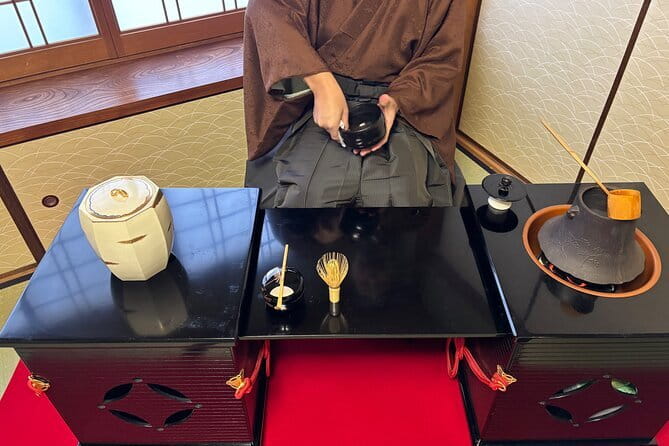
A quiet cup can reveal a lot. In Kyoto’s Ninenzaka area, this 50-minute tea ceremony places you in a 150-year-old townhouse, where a tea master explains the tools, etiquette, and meaning behind matcha before guiding you through your own cup. I like the hands-on preparation and the chance to taste two seasonal Japanese sweets alongside high-quality Uji matcha.
I also like the friendly, approachable teaching style, especially for first-time visitors who know little about tea ceremony customs. The main consideration is that this is a group session, not a private one, and a slow or inconsiderate group can delay the start. At about $28.90 per person, it offers solid value, provided you arrive ready to take part and follow the room’s rules.
Key points to know before booking
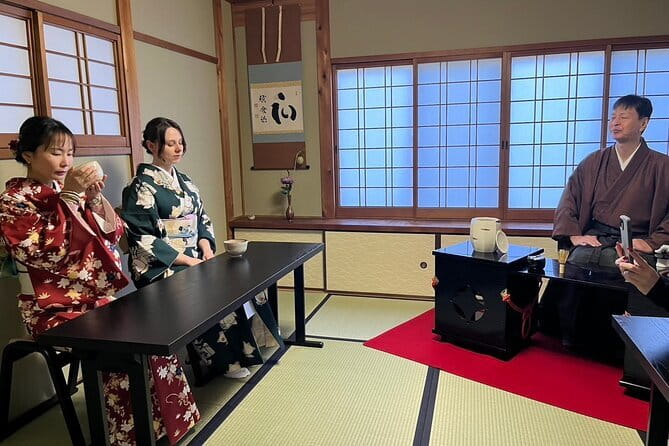
- A 150-year-old townhouse near Ninenzaka: The traditional setting adds a real sense of place to the lesson.
- You prepare your own matcha: The tea master gives step-by-step instruction, so this is more than a demonstration.
- Two cups of Uji matcha and two sweets: Your ticket includes tea made with matcha from Uji, Kyoto, plus seasonal Japanese confections.
- English instruction every day: An assistant or interpreter helps explain the process and answer questions.
- Small-group format with up to 15 people: The atmosphere can feel intimate, but the experience is not one-to-one.
- Simple rules matter: Wear socks, avoid strong perfume, cover up appropriately, and do not record the instructor’s demonstration.
Arriving in Ninenzaka for a traditional tea lesson
The experience takes place at Tea Ceremony & Cultural Experience Kangetsu Kyoto, at 349-19 Masuyacho in Kyoto’s Higashiyama Ward. It is in the Sannenzaka and Ninenzaka area, one of Kyoto’s most atmospheric old districts and a natural place to pair with a walk through eastern Kyoto.
The meeting point is near public transportation, and directions are sent by text. That small detail matters in Ninenzaka, where narrow lanes, old wooden buildings, and busy sightseeing streets can make a precise address useful. I would allow extra time rather than trying to arrive at the last moment.
Please arrive promptly. One delayed group has caused other participants to wait, which is particularly awkward in a formal tea setting. This is not an activity to squeeze between two tightly timed reservations. The session lasts about 50 minutes, but you should also allow time to find the townhouse and settle in.
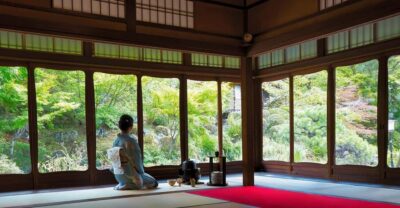
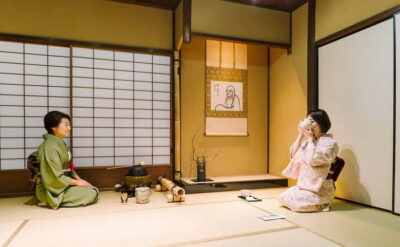
The building itself is part of the appeal. A 150-year-old townhouse gives the ceremony a sense of continuity that a modern hotel room would not provide. You are not simply learning how to whisk green tea. You are doing so in a traditional Kyoto home, where the room, utensils, manners, and pace all help explain why tea ceremony is treated as a cultural practice rather than a quick drink.
More Tea Ceremonies in Kyoto
- Kyoto: Tea Ceremony in a Traditional Tea House in Kiyomizu
★ 4.9 · 3,519 reviews - Kyoto: Tea Ceremony Ju-An at Jotokuji Temple
★ 4.9 · 3,207 reviews - Kyoto: 45-Minute Tea Ceremony Lesson Experience
★ 4.3 · 2,378 reviews
What the first lesson explains
The tea master begins by introducing the background and meaning of Japanese tea ceremony. The goal is not to burden you with a long lecture. Instead, the explanation gives you enough context to understand what you are seeing.
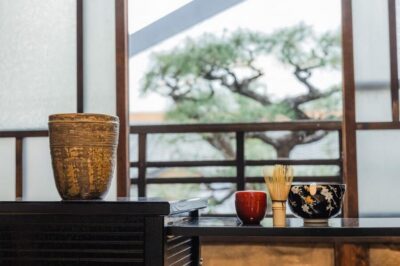
You learn about tea etiquette, the utensils, and the order of the ritual. Details that might seem fussy at first begin to make sense once you see how each movement has a purpose. The ceremony asks you to slow down, pay attention, and show care toward the person preparing and receiving the tea.
English instruction is provided every day. The tea master leads the demonstration, while an assistant or interpreter helps explain the steps and answer questions. This arrangement has worked well for visitors who want more than a silent performance. You can ask about the customs, the tea, and the reasons behind particular actions.
The explanations also make the activity suitable for people who arrive knowing almost nothing about matcha. You do not need prior experience with Japanese tea. Clear instructions are a central part of the session, and the teaching style is described as warm, relaxed, and easy to follow.
Making your own cup of matcha
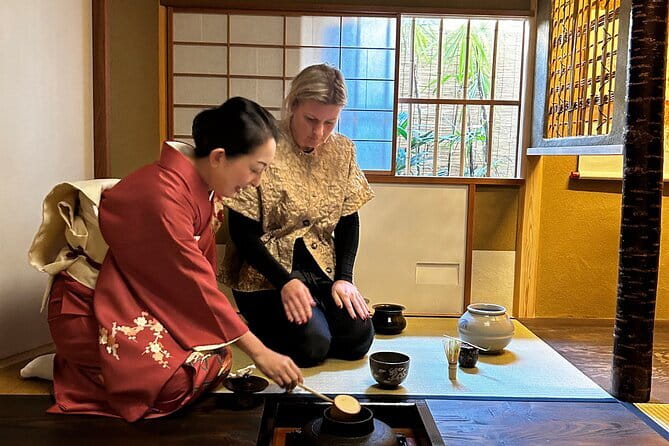
The hands-on portion is the strongest reason to book this particular experience. After watching the tea master, you get to use the tools and prepare your own cup of matcha.
This changes the mood from observation to participation. You begin to notice how much care goes into producing a bowl that can look simple from across the room. The process gives you a practical understanding of matcha, rather than leaving you with only a few photographs and a general impression of the ceremony.
The instruction is designed for beginners. You are guided through the preparation step by step, and the assistant helps make the process clear. You should not worry about producing a perfect bowl on your first attempt. The point is to learn the method and appreciate the work involved.
I especially like this part for couples, families with older children, and anyone who enjoys learning by doing. Children aged 11 and 13 have enjoyed the history and activity, according to the experience details. Children under seven cannot participate, so families should check ages carefully before booking.
The experience is also a good fit if you are curious about why matcha is special. You will not merely taste powdered green tea. You will learn how it is prepared and why the ceremony gives such attention to utensils, gestures, and presentation.
Uji matcha, seasonal sweets, and the tasting portion
The ticket includes two cups of high-quality matcha from Uji in Kyoto. Uji is closely associated with Japanese tea production, so the use of Uji matcha gives the tasting a clear local connection.
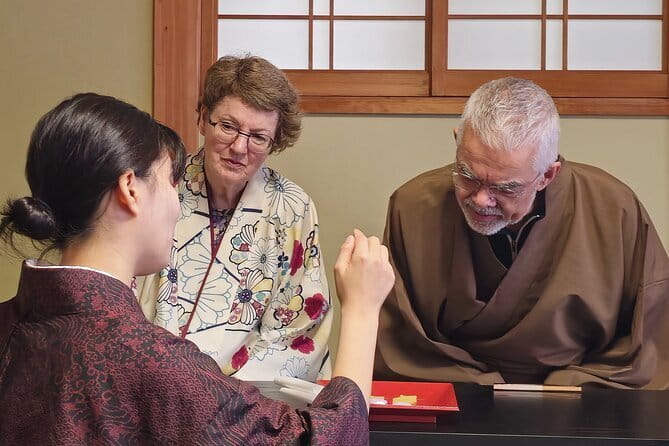
The tea is served with two different types of handcrafted seasonal Japanese sweets. These are not just decorative extras. Traditional sweets help balance the bitter, grassy character of matcha and make the tea easier to appreciate, especially if you are new to it.
The pairing also gives the session a pleasing rhythm. You learn first, prepare tea next, and then have time to taste it with the sweets. The sweets change with the season, so the exact presentation is not fixed. That seasonal element fits Japanese food culture, where timing and appearance matter as much as flavor.
You receive coffee and/or tea, listed as two cups of high-quality Uji matcha, along with the sweets. Bottled water, soft drinks, and alcohol are not included. You probably will not need any of those during a 50-minute session, but it is useful to know what the fee covers.
Some visitors have considered the matcha the best they have tasted. That is a personal judgment, of course, but it points to the value of learning about the tea and drinking it in the proper setting. The experience is not trying to be a full meal. Think of it as a focused cultural tasting with enough food to support the ceremony.
Same place, a different pot:
- Kyoto: Table-Style Tea Ceremony at a Kyo-Machiya
★ 4.9 · 1,211 reviews - Kimono Tea Ceremony at Kyoto Maikoya, NISHIKI
★ 5.0 · 911 reviews - Kyoto: Arashiyama Bamboo Forest, Monkeys, Matcha & Temple Tour
★ 5.0 · 759 reviews - Kyoto: Kimono Tea Ceremony at Orizuruya Gion
★ 4.9 · 618 reviews
The atmosphere inside the 150-year-old townhouse
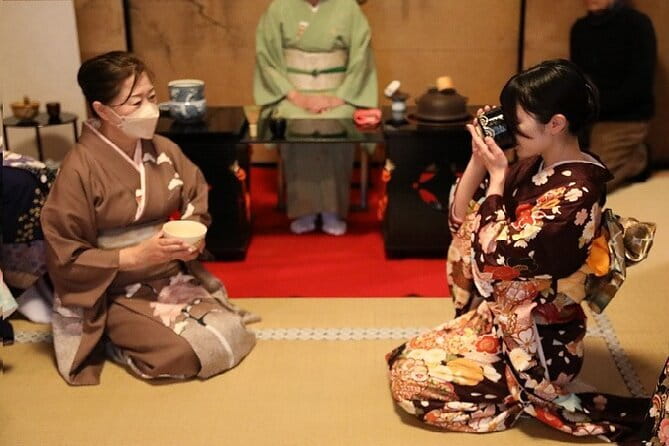
The title’s reference to tables and chairs is worth noting. This is not presented as a demanding floor-seated ceremony that requires you to kneel for a long period. Tables and chairs make the experience easier for many people and help keep the focus on the teaching.
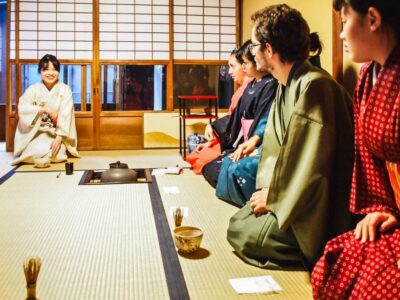
The room is described as beautiful, calm, and intimate. The group limit is 15 people, which is small enough for a shared lesson but large enough that the atmosphere can vary depending on who attends. Most sessions appear to be welcoming and respectful, but a group activity always depends partly on the behavior of the people in the room.
The setting also gives the ceremony a sense of occasion without making it feel inaccessible. Several people have found the experience both authentic and approachable. That balance is important. Some traditional activities can leave first-time visitors afraid of making a mistake. Here, the clear explanations and friendly assistant help reduce that worry.
Photography is limited. Only smartphones are allowed in the tea room, and video recording during the instructor’s demonstration is prohibited. You may be offered a picture with the tea master afterward, but you should follow the staff’s directions rather than treating the session as a filming opportunity.
Perfume is strictly prohibited because it interferes with the smell of incense and tea. This is a practical rule, not a fussy one. Fragrance can affect how you perceive delicate tea and sweets, so leave scented products aside for this visit.
Clothing, socks, and the optional kimono
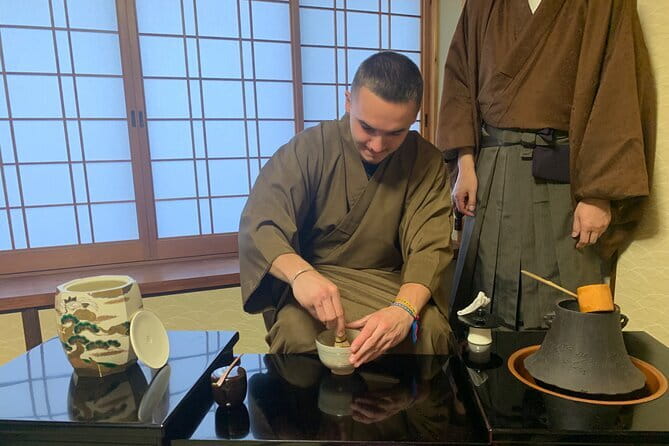
You must wear socks. If you forget, socks can be purchased, but that adds a small extra cost and an avoidable errand. Wear clean, comfortable socks and clothing that does not expose too much skin.
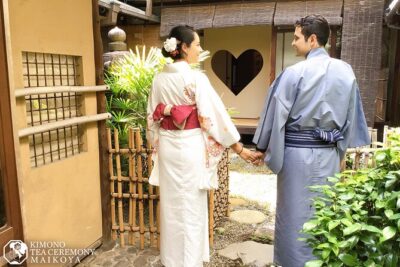
A kimono is not included in the $28.90 price. You can add a simple two-piece kimono for 1,000 yen per person. Some people have found this a worthwhile touch, particularly for photographs and for making the ceremony feel more special.
Keep your expectations clear. The kimono is an optional add-on, not part of the standard package. If wearing traditional clothing is the main reason you want to book, confirm the arrangement when making your reservation so there is no confusion.
One poor experience arose from expecting a private ceremony and included traditional attire. This activity offers group sessions, and the kimono costs extra. Read those points carefully before paying. The ceremony itself is the main product, while the clothing option is a simple addition.
What the 50-minute schedule feels like
The session moves through several compact stages:
- You arrive at the Kangetsu meeting point in Ninenzaka.
- The tea master introduces the ceremony, its utensils, etiquette, and cultural meaning.
- You watch a demonstration of matcha preparation.
- You prepare your own cup with guidance.
- You enjoy two cups of Uji matcha with two seasonal Japanese sweets.
- You have time for questions and, when offered, photographs with the tea master.
Because the session is only about 50 minutes, it does not try to cover every school of tea or every historical period. That is a strength for many people visiting Kyoto on a busy day. You receive a clear introduction without giving up half a day.
The short format also means you should pay attention from the beginning. If you arrive late, miss the opening explanation, or spend the demonstration taking pictures, the experience will feel thinner. The lesson rewards quiet concentration.
Value at about $28.90 per person
At about $28.90, this is a fairly priced introduction to Kyoto tea culture. Your fee includes the instructor, all taxes and fees, the equipment, two cups of Uji matcha, and two traditional sweets. You also receive a lesson and a chance to make the tea yourself.
The value is strongest if you want context and participation. A simple cup of matcha elsewhere might cost less, but it would not include the explanation of etiquette, the use of traditional tools, or the chance to prepare the drink under guidance.
The price is less compelling if you want a private performance, a long formal ceremony, or a full kimono package. Those are not what this activity promises. You are buying a compact, English-supported cultural lesson in a historic townhouse.
The overall rating is 4.8 from 22 ratings, with 95 percent recommending the experience. That suggests a consistently positive response, while the few less favorable experiences point to useful cautions: arrive on time, understand that the session is shared, and do not assume the kimono is included.
Who will enjoy Kangetsu most
I would recommend this experience to you if you:
- Want a practical introduction to Japanese tea ceremony.
- Enjoy learning through a hands-on activity.
- Are visiting Ninenzaka and want a cultural stop beyond sightseeing streets.
- Prefer tables and chairs to a ceremony that requires prolonged floor sitting.
- Are traveling with children aged seven or older.
- Want English explanations and a chance to ask questions.
- Appreciate traditional settings but do not need a private luxury experience.
It may not suit you if you want complete privacy, extensive photography, or a long, highly formal ceremony. It is also a poor match if you dislike group activities or cannot follow the clothing and fragrance rules.
The experience works particularly well as part of a day in eastern Kyoto. You can place it alongside a walk through Sannenzaka and Ninenzaka, but do not book it so tightly that you arrive breathless. The lesson is built around attention and respect, not rushing in from the previous attraction.
Should you book this Kyoto tea ceremony?
Yes, if you want an affordable and active introduction to matcha in a genuine old-town setting. The strongest features are the 150-year-old townhouse, the clear English guidance, the chance to make your own tea, and the pairing of Uji matcha with seasonal sweets.
Book with realistic expectations. This is a group session of up to 15 people, not a private tea master appointment. Wear socks, skip perfume, arrive early, and treat the room respectfully. If those conditions suit you, Kangetsu offers a thoughtful way to spend 50 minutes learning why tea ceremony remains such an important part of Japanese culture.
FAQ
How long does the tea ceremony last?
The experience lasts approximately 50 minutes.
Where does the tea ceremony take place?
It takes place at Tea Ceremony & Cultural Experience Kangetsu Kyoto, at 349-19 Masuyacho in Kyoto’s Higashiyama Ward, in the Sannenzaka and Ninenzaka area.
Is the experience conducted in English?
Yes. English experiences are provided every day, with an assistant or interpreter helping explain the ceremony and answer questions.
Can I prepare my own matcha?
Yes. You receive instruction and use the provided tools to prepare your own cup of matcha.
What food and drink are included?
The experience includes two cups of high-quality Uji matcha from Kyoto and two different types of seasonal traditional Japanese sweets.
Is a kimono included in the price?
No. A simple two-piece kimono can be added for 1,000 yen per person.
What should I wear?
Wear socks and clothing that does not expose too much skin. If you forget socks, you can purchase them. Perfume is not allowed because it can interfere with the smell of incense and tea.
Can children participate?
Children under seven years old are not allowed to participate. The maximum group size is 15 people.
Can I cancel for a full refund?
Yes, if you cancel at least 24 hours before the experience start time. Cancellations or changes made less than 24 hours in advance are not accepted for a refund. If poor weather causes the activity to be canceled, you will be offered another date or a full refund.
Just added around Kyoto
- Uji Walking Tour – Byodo-in temple and Tea Ceremony from Kyoto★ 3.5 · 3 reviews
- Tea ceremony at Kyoto’s Zen Temple Teahouse★ 5.0 · 2 reviews
- Kyoto: Authentic Tea Ceremony in a Small Group★ 5.0 · 7 reviews
- Silent Beauty of Kyoto Zen Walk and Tea Experience★ 5.0 · 2 reviews
- Tea Ceremony Experience in Traditional Kyoto Townhouse★ 5.0 · 19 reviews
- Traditional Tea Ceremony in Kyoto★ 4.5 · 3 reviews
- Sencha-do the Japanese Tea Ceremony Workshop in Kyoto★ 5.0 · 21 reviews
- Kyoto Private Tea Ceremony at a Japanese Inns★ 5.0 · 12 reviews
Tea Ceremonies in Kyoto, compared.
Tea Ceremony in a Traditional Tea House in Kiyomizu
Read our review →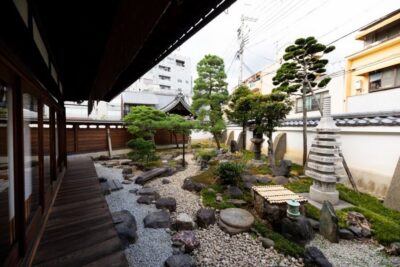
Tea Ceremony in 100-year-old Kyo-Machiya Townhouse
Read our review →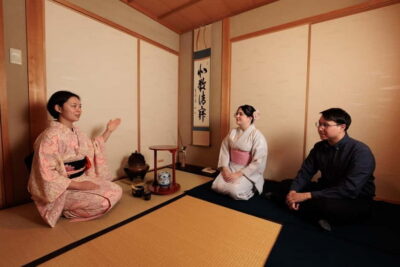
Browse the lists this tour appears in