
Review · KYOTO
Kyoto Newly Opened Tea Ceremony – Sanjo Chasuian
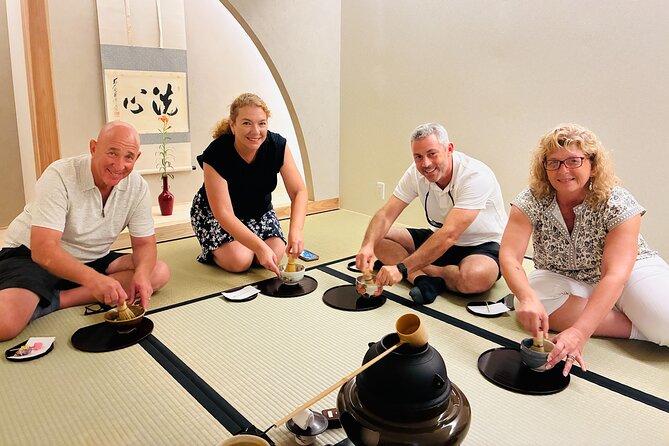
Slow down in the middle of Kyoto. This one-hour tea ceremony at Sanjo Chasuian offers a calm, small-group introduction to matcha, with a professional demonstration, hands-on whisking, and seasonal Japanese sweets. I especially like that you receive two bowls of matcha, one prepared for you and one you make yourself. I also like the clear explanations of the ceremony’s gestures, tools, and meaning. The main consideration is timing: the door is locked once the session starts, so arriving even one minute late means missing the experience without a refund.
The ceremony costs $32.77 per person, which is fair for an hour of instruction, two teas, and traditional confectionery. You should also be ready for quiet sitting in a traditional tea-room setting. Chairs are available, but some of the experience involves sitting on the floor, and socks are requested.
Key points to know before booking
- Two bowls of matcha: One is prepared by the host, and one is whisked by you or a companion.
- Hands-on instruction: You choose a tea bowl and learn how to whisk matcha rather than simply watching.
- Seasonal Kyoto sweets: Traditional confectionery from a Kyoto shop with more than a century of history is included.
- Small and quiet setting: The group is limited to 10 people, creating a more personal lesson.
- Distinctive tea-room entrance: The room includes a nijiriguchi, a low crawl-in entrance symbolizing a step away from ordinary life.
- Strict arrival rule: Entry begins five minutes before the start, and late arrivals cannot join once the door is locked.
A short Kyoto experience with real participation
Kyoto offers plenty of cultural activities, but some are mainly photo opportunities. Sanjo Chasuian gives you something to do. You watch the tea master prepare matcha, listen to an explanation of the ceremony, then take the whisk into your own hands.
That progression matters. The careful movements can look mysterious if you only see them from a distance. Here, the host explains the purpose behind the gestures and utensils, then lets you try the process yourself. You are not expected to know the correct technique before you arrive.
The session lasts about one hour. That is long enough to understand the main ideas without taking half a day from your sightseeing schedule. It also makes this a practical choice before dinner, between visits, or on a day when you want a quieter change of pace.
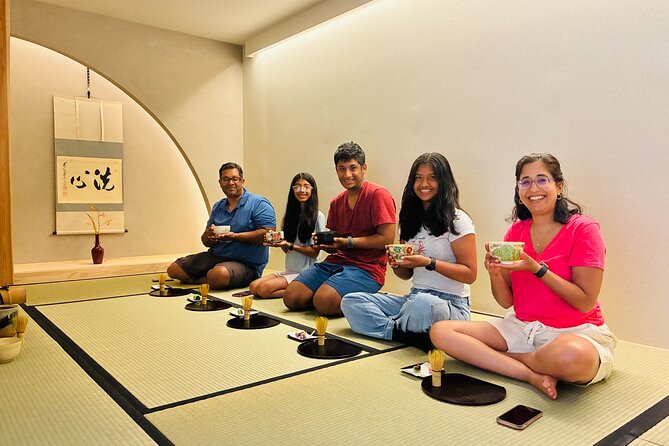
The small-group limit is 10 people. A group of that size still gives the activity a social feel, but it should allow room for questions and personal instruction. Families and first-time matcha drinkers are particularly well suited to this format.
More Tea Ceremonies in Kyoto
- Kyoto: Tea Ceremony in a Traditional Tea House in Kiyomizu
★ 4.9 · 3,519 reviews - Kyoto: Tea Ceremony Ju-An at Jotokuji Temple
★ 4.9 · 3,207 reviews - Kyoto: 45-Minute Tea Ceremony Lesson Experience
★ 4.3 · 2,378 reviews
The opening explanation and demonstration
The experience begins with an introduction to the history and significance of Japanese tea ceremony. The host explains not only what to do, but why the movements and customs matter.
That context is one of the strongest parts of the activity. Without it, the ceremony can seem like a series of formal actions. With it, you begin to see the connection between quiet attention, hospitality, respect for the guest, and care in preparing a simple bowl of tea.
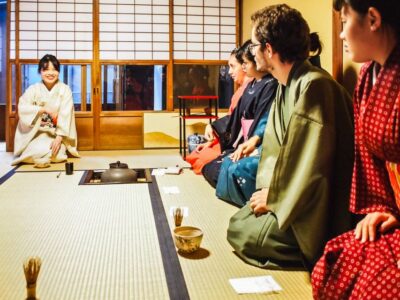
The host then demonstrates the ceremony step by step. You can watch the placement of the utensils, the preparation of the matcha, and the controlled whisking motion before trying it yourself.
English instruction is available. Several comments describe the host as warm, patient, and easy to follow. Yuko is specifically praised as a friendly teacher who explains both the practical process and the meaning behind it. English may include an accent, but the overall teaching style is described as clear and welcoming.
You are encouraged to ask questions. That makes this more useful than a silent performance, especially if you are curious about matcha, Japanese etiquette, or the difference between simply making tea and taking part in a tea ceremony.
Your first bowl is prepared by the host
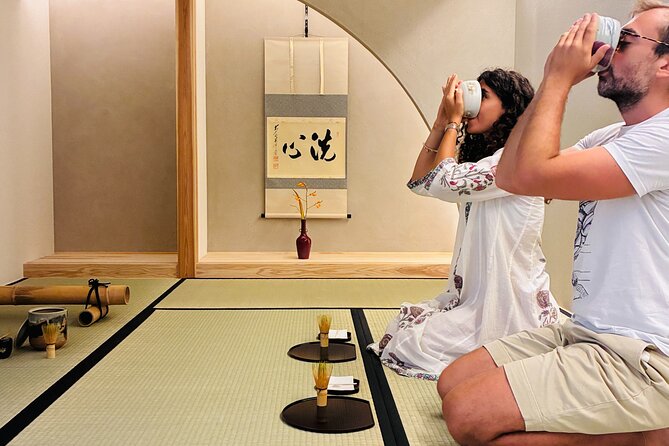
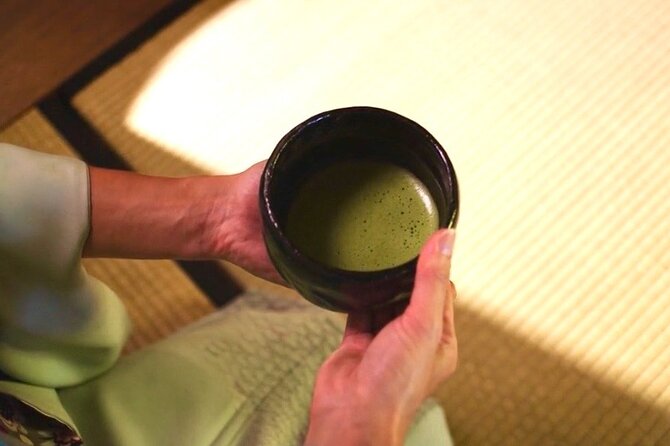
After the demonstration, you receive matcha prepared by the tea master. This first bowl gives you a standard to compare with your own attempt later.
Matcha has a distinctive taste that can be unfamiliar if you normally drink brewed green tea. It is powdered tea whisked directly into water, so the flavor is concentrated rather than light and steeped. The setting and the accompanying sweet help make the experience easier for a first-timer.
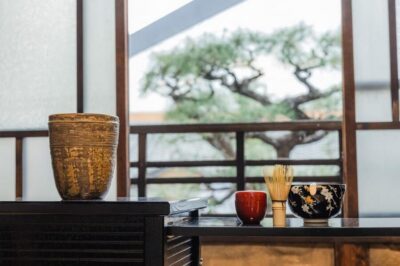
The presentation is part of the pleasure. The tea ceremony is designed around attention to small details, from the bowl to the movement of the whisk. You do not need to know every rule to appreciate the care involved.
A traditional seasonal confection is served with the tea. The sweets come from a Kyoto confectioner with more than 100 years of history. Their appearance is part of the experience, and the soft, decorative sweets are intended to complement the tea’s slightly bitter flavor.
Several comments describe the confectionery as especially beautiful and delicious. This is not a large food tasting, so you should think of the sweet as a carefully chosen accompaniment rather than a snack or meal.
Choosing a bowl and whisking your own matcha
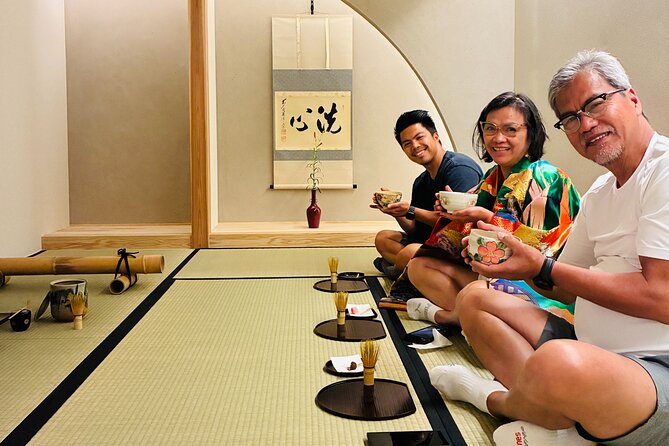
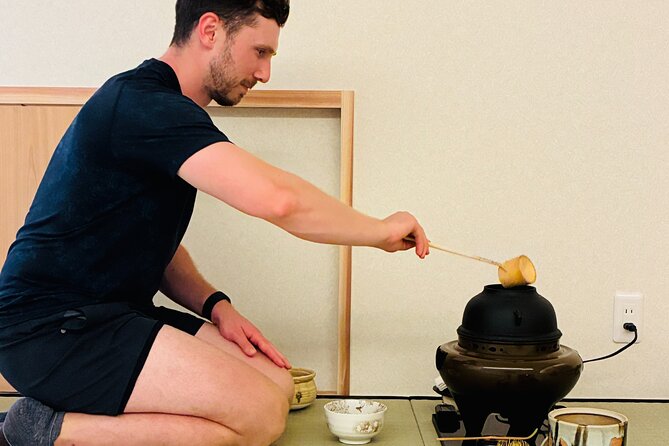
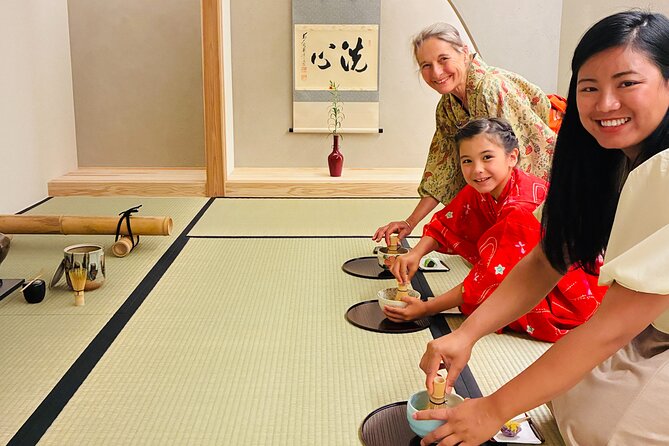
The hands-on portion is what makes this activity worth considering. You choose a tea bowl, learn how to add and whisk the matcha, and prepare your own serving. You may make it yourself or work with a companion.
The host guides you through the process, so you are not left guessing how vigorously to whisk or what the finished tea should look like. Your bowl may not have the smoothness of the professional version, and that is part of the fun. The point is to notice the technique and gain a skill you can repeat at home.
You receive a second serving after your own preparation. That two-bowl format offers better value than an activity where you only watch someone else make tea. It also gives you a clear before-and-after comparison: first taste the host’s preparation, then experience your own work.
For families, this structure works well because each person has a turn. Adults and older children can take part rather than sit through a demonstration with nothing to do. The session has also been described as suitable for first-time matcha drinkers.
Same place, a different pot:
- Kyoto: Table-Style Tea Ceremony at a Kyo-Machiya
★ 4.9 · 1,211 reviews - Kimono Tea Ceremony at Kyoto Maikoya, NISHIKI
★ 5.0 · 911 reviews - Kyoto: Arashiyama Bamboo Forest, Monkeys, Matcha & Temple Tour
★ 5.0 · 759 reviews - Kyoto: Kimono Tea Ceremony at Orizuruya Gion
★ 4.9 · 618 reviews
The nijiriguchi and the feel of the room
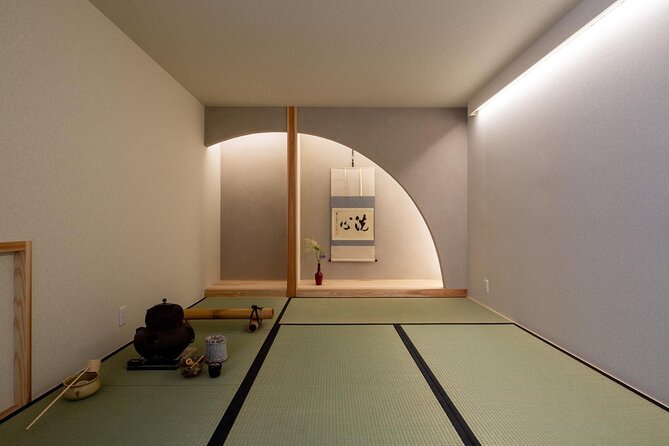
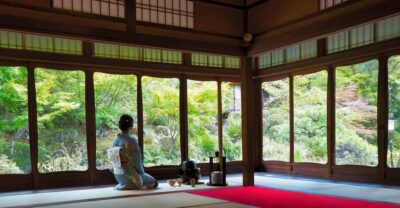
Sanjo Chasuian’s tea room includes a nijiriguchi, a low entrance associated with traditional tea rooms. Entering through it asks you to leave the ordinary outside world behind and pay attention to the setting.
It is a small architectural detail, but it gives the ceremony a stronger sense of place. You are not simply seated in a room while someone prepares tea. The entrance helps mark a change from normal sightseeing to a formal, quiet encounter.
The setting is described as clean and new, with a neat tea room and a calm atmosphere. The ceremony itself is quiet, so this is not the right choice if you want a lively, social tasting with constant conversation.
The floor-sitting element deserves a practical note. One comment points out that there is a lot of sitting on the floor, although the host allows you to sit in a way that feels comfortable. Chairs are available, so this is not an automatic deal breaker, but you should mention any needs when you arrive and wear socks.
Socks are specifically requested during the experience. Do not arrive barefoot.
What the $32.77 price includes
At $32.77 per person, this is a solid value for a focused Kyoto cultural activity. The fee includes two cups of Kyoto matcha, one prepared by the host and one made by you, plus a seasonal Japanese confection.
You are also paying for instruction, a traditional setting, and the chance to ask questions. A cheaper tea stop might give you a drink, but it would not necessarily explain the ceremony or let you practice the preparation.
The price is particularly reasonable for a family or small group that wants one well-defined cultural activity. Everyone can watch, taste, and participate within the hour.
The value is less compelling if you only want a quick cup of matcha. In that case, a café may be faster and less formal. This experience is about the method, setting, and meaning as much as the tea itself.
Selected tea bowls, matcha, and other items are available for purchase. The supplied details do not specify prices or the full range of products, so treat shopping as an optional extra rather than part of the basic value.
Location, arrival, and timing
The meeting point is Tea Ceremony and Sake Tasting Kyoto, Sanjo Chasuian, at 324-2 Sanjocho, Nakagyo Ward, Kyoto 604-8205. The venue is near public transportation, and the activity returns to the same location when it ends.
A useful arrival tip comes from a visitor who stayed near Nijo Castle: Google Maps may guide you toward a smaller street at the corner. Stay on the main street and look for the green matcha ice cream cone outside. That visual marker can save you a few minutes of confusion.
You may enter from five minutes before the scheduled start. Arrive early. Once the session begins, the door is locked, and even a one-minute delay means you cannot participate or receive a refund.
This is stricter than many casual Kyoto activities. Build in extra time for finding the venue, using public transportation, and removing any outer layers before entering. Do not plan to arrive exactly at the start time.
The activity does not include hotel pickup, private transportation, or a transfer to the venue. You make your own way there.
Who will enjoy this tea ceremony most
I would recommend Sanjo Chasuian to you if you want a first introduction to Japanese tea ceremony without committing to a long formal program. The clear explanations, English support, and hands-on preparation make it approachable.
It is also a good fit for families with older children or teenagers who can appreciate a quiet cultural activity and follow simple instructions. The chance to make matcha keeps the hour active.
Couples and small groups may enjoy the two-bowl format. You can compare your own whisking with the host’s preparation, then talk about the differences afterward.
This is less suited to anyone who dislikes sitting quietly, formal rituals, or powdered green tea. It is also not ideal for a rushed schedule. The one-hour duration is short, but the strict start-time rule means you need to treat the appointment as fixed.
The session has a maximum of 10 participants, but the exact group size on your date can vary. If you want the smallest possible setting, a private booking is not stated here, so you should not assume one is available.
Can you combine it with sake tasting?
The venue also offers sake tasting, but it is not included in this tea ceremony. One visitor enjoyed staying afterward for an impromptu sake tasting, yet you should regard that as separate from the booked activity.
The tea ceremony itself ends back at the meeting point. If you are interested in sake, ask the venue about availability rather than assuming an add-on will fit your schedule.
This pairing can make sense for adults who want a broader introduction to Japanese drinks. Still, the tea ceremony works well on its own, especially if you prefer a calm cultural lesson instead of a longer tasting session.
Cancellation and practical rules
You can cancel for a full refund up to 24 hours before the scheduled start time. Cancellations within 24 hours are not refunded, and changes made during that period are not accepted.
The cut-off follows local Kyoto time. That matters if you are changing plans from another time zone before your trip.
Bring or wear socks, arrive early, and expect a quiet room. These details are simple, but they will have more effect on your enjoyment than any question about matcha technique.
Should you book Sanjo Chasuian?
Book this experience if you want more than a matcha drink. The two-bowl format, thoughtful explanations, seasonal sweet, and chance to whisk your own tea give you a real introduction to the ceremony rather than a quick sample.
The price is fair, the one-hour length fits neatly into a Kyoto sightseeing day, and the group limit keeps the lesson personal. I would be especially comfortable recommending it to first-time visitors, families, and anyone curious about Japanese customs but unsure how formal a tea ceremony might feel.
Skip it if you need a flexible walk-in activity, cannot arrive early, or strongly dislike floor sitting. For everyone else, Sanjo Chasuian offers a quiet hour, a useful new skill, and a better understanding of why the preparation matters.
FAQ
How long does the tea ceremony last?
The experience lasts approximately one hour.
Where does the tea ceremony take place?
It takes place at Tea Ceremony and Sake Tasting Kyoto, Sanjo Chasuian, at 324-2 Sanjocho, Nakagyo Ward, Kyoto 604-8205, Japan.
How many people can join the activity?
The maximum group size is 10 people.
What is included in the price?
The experience includes two cups of matcha from Kyoto, one prepared by the host and one made by you, plus a traditional seasonal Japanese confection.
Do I get to make my own matcha?
Yes. You choose a tea bowl and whisk your own matcha, either by yourself or with a companion.
Are chairs available?
Yes, chairs are available. The experience also involves sitting on the floor, so you should plan accordingly.
Do I need to wear socks?
Yes. Participants are asked to bring or wear socks.
What happens if I arrive late?
Entry is allowed from five minutes before the start time. Once the session begins, the door is locked. Even arriving one minute late means you cannot join, and no refund is given.
Can I cancel for a refund?
Yes. You can cancel at least 24 hours before the start time for a full refund. Cancellations or changes made within 24 hours are not refunded or accepted.
Just added around Kyoto
- Uji Walking Tour – Byodo-in temple and Tea Ceremony from Kyoto★ 3.5 · 3 reviews
- Tea ceremony at Kyoto’s Zen Temple Teahouse★ 5.0 · 2 reviews
- Kyoto: Authentic Tea Ceremony in a Small Group★ 5.0 · 7 reviews
- Tea Ceremony in 150 Years Old Townhouse with Tables and Chairs★ 5.0 · 22 reviews
- Silent Beauty of Kyoto Zen Walk and Tea Experience★ 5.0 · 2 reviews
- Tea Ceremony Experience in Traditional Kyoto Townhouse★ 5.0 · 19 reviews
- Traditional Tea Ceremony in Kyoto★ 4.5 · 3 reviews
- Sencha-do the Japanese Tea Ceremony Workshop in Kyoto★ 5.0 · 21 reviews
Tea Ceremonies in Kyoto, compared.
Tea Ceremony in a Traditional Tea House in Kiyomizu
Read our review →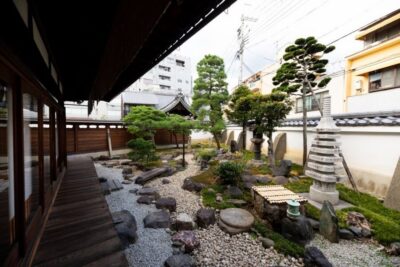
Tea Ceremony in 100-year-old Kyo-Machiya Townhouse
Read our review →
Browse the lists this tour appears in