
Review · KYOTO
Kimono Tea Ceremony Experience at Kyoto Oritzuruya, Nishiki
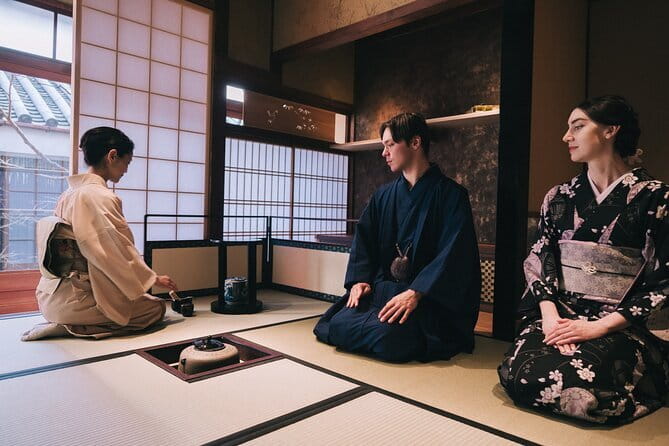
Pick a kimono, then make matcha. This 90-minute Kyoto experience combines traditional dress, simple hairstyling, Japanese sweets, and a guided tea ceremony near Nishiki Market. I like the choice of more than 200 kimono designs and the small group limit of 10 people. I also like that you do not only watch the tea preparation: you whisk your own bowl of matcha with a bamboo chasen.
The price is $50.87 per person, which is fair if you want both the dressing session and tea ceremony in one compact activity. The main consideration is focus. The kimono fitting, hair styling, and photographs may take as much attention as the tea ceremony itself, so this is a friendly cultural introduction rather than a serious study of tea practice.
Key points at a glance
- Choose from more than 200 kimono designs: Staff help you select the kimono, sash, accessories, and sandals.
- Small groups keep the experience manageable: The maximum is 10 people, though dressing can still take time.
- Make your own matcha: You learn to use a bamboo whisk, then drink the tea with Japanese wagashi sweets.
- Simple hairstyling is included for women: You can select hair ornaments such as pins and flowers.
- Optional calligraphy adds a useful souvenir: The lesson lets you create a piece of Japanese writing to take home.
- A handy Nishiki location: The meeting point is near public transportation and Nishiki Market.
Choosing a Kimono Near Nishiki Market
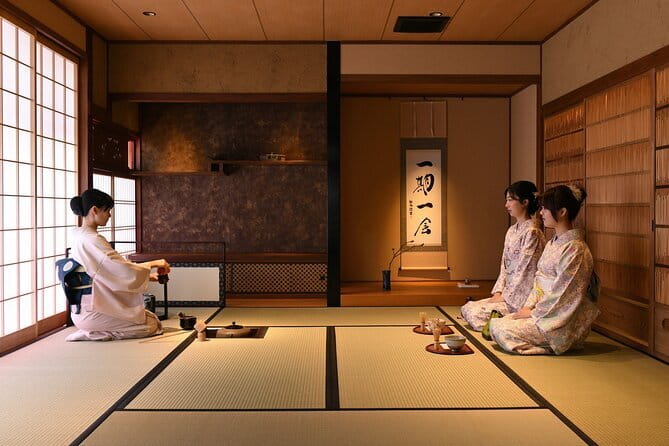
The experience begins at Nishiki Orizuruya, at 452 Jūmonjichō in Kyoto’s Nakagyo Ward. It ends at the same place, so you do not need to find a second pickup point or navigate across town after the ceremony.
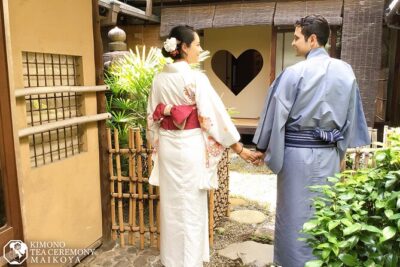
The first task is choosing your kimono. With more than 200 designs, you get real choice rather than being handed a standard outfit. Staff help match the kimono with the obi sash, obijime cord, hair ornaments, and sandals. The selection process is one of the most enjoyable parts because you can build a look instead of simply putting on a costume.
The staff provide a light, moisture-wicking underlayer. That small detail matters, especially during Kyoto’s warmer months or if you are not used to wearing several layers. The kimono dressing itself is not instant. It involves several stages, and you should expect some waiting while the staff dress people in turn.
The strongest praise goes to the dressing team. They are described as warm, patient, and efficient, even when the room is busy. A wide range of sizes is available, including options suitable for plus-size participants. That is worth noting if you have worried that a formal kimono experience might not accommodate you comfortably.
More Kimono and Tea Ceremonies in Kyoto
- Kimono Tea Ceremony at Kyoto Maikoya, NISHIKI
★ 5.0 · 911 reviews - Kyoto: Kimono Tea Ceremony at Orizuruya Gion
★ 4.9 · 618 reviews - KYOTO Tea Ceremony with kimono near by Imamiya Jinjya Shrine
★ 5.0 · 343 reviews
Hairstyling, Hair Ornaments, and Photos
Women receive simple hairstyling as part of the experience. You can choose hairpins, flowers, and other ornaments to finish the look. The styling is not presented as a full salon service, and makeup is not included, but it adds a great deal to the feeling of the occasion.
The hair work receives especially strong praise because it helps the kimono feel like a complete outfit. If photographs matter to you, take a little time with your choices. The staff also take a few pictures during the session, and you can use the area around Nishiki for additional photographs afterward if the schedule allows.
One useful perk is that some participants are allowed to keep the kimono on while walking around nearby until the venue closes at 6 p.m. Confirm the exact return arrangement when you arrive, since the activity itself lasts about 90 minutes and the available time afterward may depend on the schedule.
This is where the experience feels most playful and social. You are not only sitting quietly in a tea room. You are choosing colors, watching the staff work, comparing accessories, and getting a few photographs before the formal portion begins.
The Cleansing Ritual Before Tea
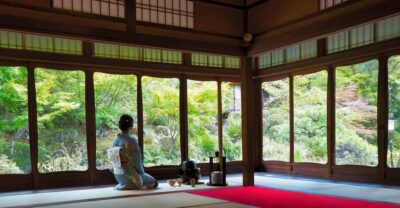
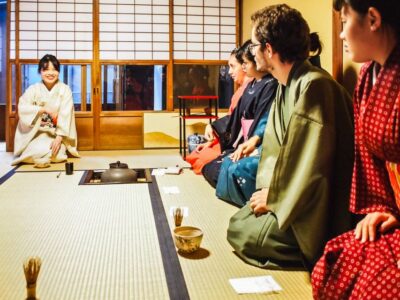
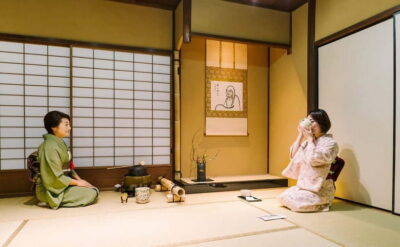
Once dressed, you enter the tea room and receive an introduction to the ceremony. The instructor explains the cleansing process and the careful preparation that comes before the tea is served.
This is a useful part of the activity because it shows that Japanese tea practice is not simply about drinking matcha. The movements are deliberate. The room, utensils, and participants are prepared in a set order, creating a calm break from Kyoto’s busy streets.
The setting is designed for visitors, so the presentation is accessible rather than obscure. You are guided through what to do and when to do it, which removes the worry of making a social mistake. That makes this a good first encounter with a tea ceremony, particularly if you have never sat in one before.
The experience does not provide a long academic discussion of tea schools, philosophy, or regional differences. If you want a serious lesson in the history and spiritual meaning of tea, you may find the explanation too short. The value here is practical: you see the order of the ceremony, learn the basic gestures, and take part without feeling lost.
Making Matcha With a Bamboo Whisk
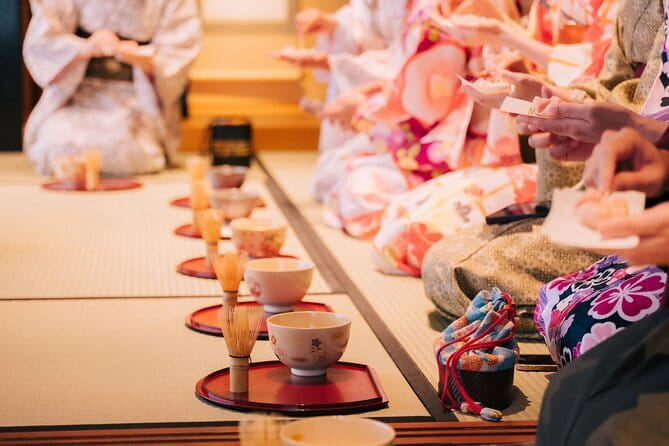
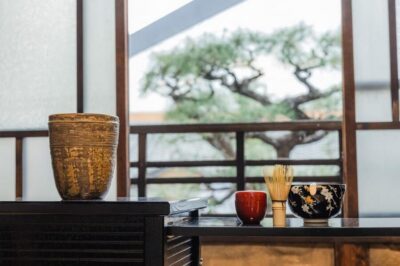
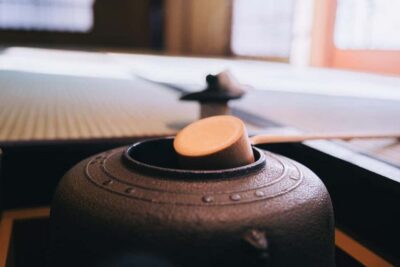
The tea ceremony is led by an instructor who demonstrates how to prepare matcha with a traditional bamboo whisk, called a chasen. You then make your own bowl.
This hands-on step is important. Some cultural demonstrations leave you watching from the side, but here you get to whisk and drink the tea yourself. You learn the basic technique and experience the texture and taste of freshly prepared matcha.
The matcha is served with wagashi, traditional Japanese sweets. The sweetness balances the tea’s more bitter, grassy flavor and gives the ceremony a simple food pairing rather than a plain cup of tea.
It is useful to set expectations accurately. The instructor performs much of the formal ceremony, while your own participation centers on preparing the matcha. You are not trained to conduct the entire ceremony from start to finish. If you hoped for a full tea master apprenticeship in 90 minutes, this will feel brief. If you want to understand the basic flow and try the central skill, the format works well.
Some of the most positive reactions focus on the calm mood of this section. Even families and people with limited time have found the length manageable. The 90-minute schedule fits neatly into a day of sightseeing without taking over the morning or afternoon.
More Tea Ceremonies in Kyoto
- Kyoto: Tea Ceremony in a Traditional Tea House in Kiyomizu
★ 4.9 · 3,519 reviews - Kyoto: Tea Ceremony Ju-An at Jotokuji Temple
★ 4.9 · 3,207 reviews - Kyoto: 45-Minute Tea Ceremony Lesson Experience
★ 4.3 · 2,378 reviews - Kyoto: Table-Style Tea Ceremony at a Kyo-Machiya
★ 4.9 · 1,211 reviews
Optional Calligraphy as a Take-Home Souvenir
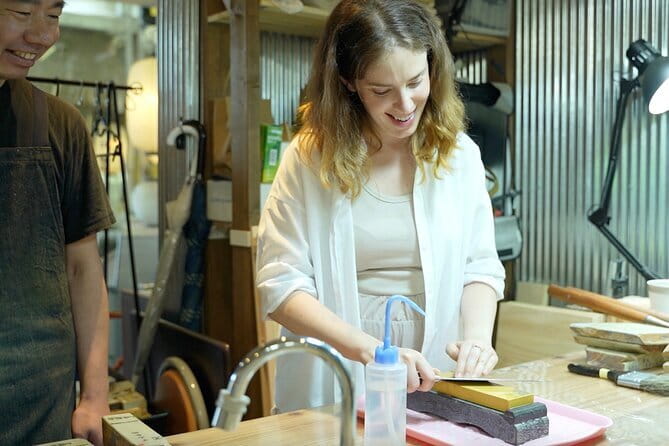
You can add a calligraphy session for an extra cultural activity. The lesson covers the basics and lets you create your own piece of writing to take home.
This is a particularly good choice if you want a physical souvenir that is more personal than a shop purchase. A private calligraphy lesson can also give the experience a quieter second act after the group tea ceremony. One popular approach is to write a meaningful kanji character, such as one representing beauty.
The supplied details do not state the price of the calligraphy add-on, so check the current booking options before paying. It is also not listed among the standard inclusions. The tea, wagashi, kimono, utensils, hairstyling, taxes, and licensed guide are included, but calligraphy should be treated as optional and separate unless your chosen booking says otherwise.
How Much Time Do You Really Need?
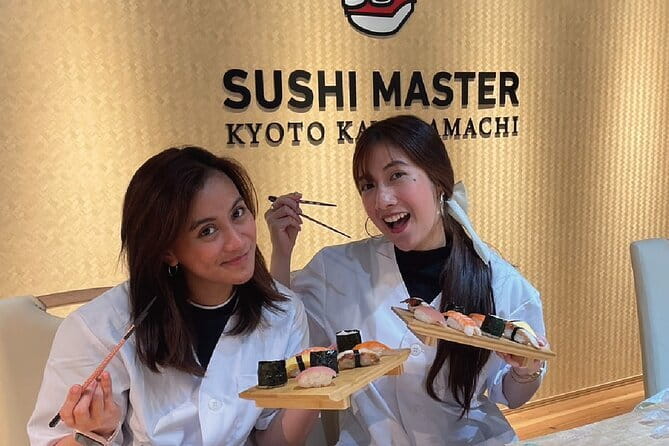
The formal activity lasts approximately one hour and 30 minutes. That includes kimono selection, dressing, hairstyling for women, preparation for the tea room, the ceremony, matcha making, sweets, and any included photographs.
Allow extra time around that window if your day is tightly planned. Dressing several people takes time, and the process may involve pauses while staff work with others. The small group limit helps, but it does not make the fitting instant.
The central location makes planning easy. You can pair the activity with Nishiki Market, nearby shopping streets, or other central Kyoto sights. Transportation and hotel pickup are not included, so you are responsible for reaching 452 Jūmonjichō yourself.
The booking confirmation includes a voucher with a website link. On arrival, open that page on your smartphone and press the Use button for staff. Screenshots and printed tickets are not accepted, and your phone needs an internet connection. This is an easy detail to miss, so open the voucher before leaving your hotel.
Comfort, Courtesy, and Cultural Fit
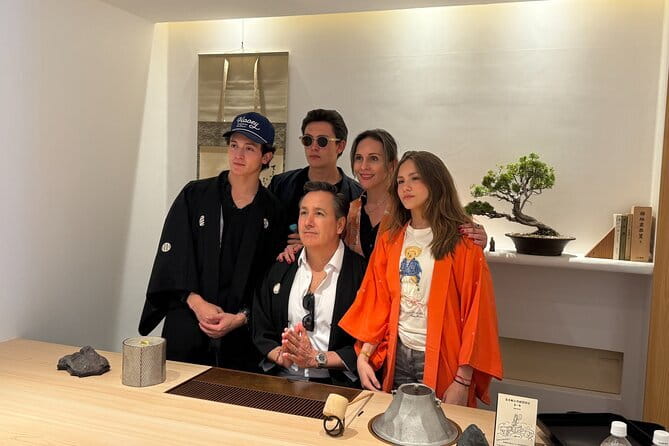
You do not need to be an expert in Japanese etiquette. The staff guide you through the expected behavior, including the cleansing process and tea preparation. That guidance is one of the best reasons to choose an organized experience rather than trying to enter a formal tea ceremony without context.
The tea room may require floor sitting, but an older participant with difficulty sitting on the floor was accommodated with a small table and chair. If you have knee, hip, or mobility concerns, tell the staff when you arrive. The provided information confirms that this kind of adjustment has been made, but it does not promise every possible accessibility arrangement.
The clothing itself can feel snug and structured. That is part of the traditional dressing process, but it may not suit anyone who dislikes fitted layers or sitting still. Comfortable clothes underneath will make changing easier.
The mood is welcoming, but the venue is also clearly set up for tourism. That is not a flaw if you want an enjoyable introduction and good photographs. It is a limitation if you are searching for a quiet ceremony with no staged elements and a long discussion of religious or aesthetic ideas.
Is $50.87 Good Value?
At $50.87 per person, the price covers several separate services: kimono rental, assisted dressing, simple hairstyling for women, utensils, matcha, wagashi, the instructor, and all taxes and fees. Paying for these individually in central Kyoto could easily become complicated, so the package is convenient.
The value is strongest for first-time visitors who want several traditional activities in one booking. You get the fun of choosing an outfit, the visual appeal of the finished look, a guided ceremony, and a practical matcha lesson.
The value is weaker if your main goal is an advanced tea lesson. The ceremony portion is relatively short, and the formal performance is led by the instructor. You are introduced to the ritual, not trained as a tea practitioner.
For many people, the option to wear the kimono outside afterward makes the price more attractive. You may be able to walk around the nearby streets and take photographs before returning the outfit by the stated closing time. Confirm the return rules on the day, since the available time depends on the venue’s schedule.
Who Should Book This Kyoto Activity?
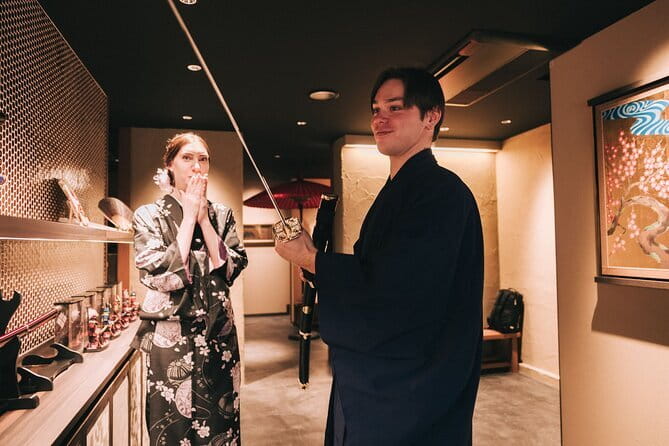
I would recommend it to couples, families, first-time visitors to Japan, and anyone who wants a low-pressure introduction to Japanese customs. It also suits a busy Kyoto itinerary because the activity is compact and returns you to the same central location.
It is especially appealing for anyone who enjoys clothing, photographs, crafts, or food traditions. The kimono selection and hair ornaments give you plenty to do before the tea begins, while the matcha lesson adds actual participation.
The experience may disappoint you if you want a long, highly scholarly explanation of tea ceremony practice. It may also feel commercial if you prefer private ceremonies in a traditional home or temple setting. The most honest way to view it is as a polished cultural activity with real traditional elements, not as a full training session in tea ceremony.
The experience has a 4.9 rating and a 97 percent recommendation rate, which matches its main strengths: kind staff, attractive kimono choices, an approachable tea lesson, and a memorable setting near Nishiki. Those numbers should not hide the trade-off, however. The kimono and photographs often receive as much attention as the tea.
Should You Book It?
Book this experience if you want to wear a kimono, have your hair styled, make matcha, and enjoy a short guided ceremony in central Kyoto. The staff support, size range, choice of designs, and optional calligraphy make it easy for newcomers.
Skip it if your priority is a lengthy, highly authentic tea study with extensive instruction in ceremony theory. For everyone else, the $50.87 price is reasonable, the location is convenient, and the mix of dress-up fun and hands-on culture makes this a strong addition to a Kyoto visit.
Free cancellation is available up to 24 hours before the start time. Changes made inside that period are not accepted, and poor weather may result in a new date or a full refund. Since you must use the live voucher on your phone, check your internet connection before setting out.
FAQ
How long does the kimono tea ceremony experience last?
The activity lasts approximately one hour and 30 minutes.
Where does the experience begin and end?
It begins at Nishiki Orizuruya, 452 Jūmonjichō, Nakagyo Ward, Kyoto, 604-8121, Japan. It ends back at the same meeting point.
How many people can join the activity?
The maximum group size is 10 participants.
Is kimono rental included?
Yes. The kimono costume, utensils, all fees and taxes, matcha, wagashi sweets, and licensed guide are included.
Is hairstyling included?
Simple hairstyling is included for women. Hair accessories such as pins and flowers can be selected as part of the dressing process.
Can I participate in making matcha?
Yes. The instructor shows you how to prepare matcha with a bamboo whisk, and you make your own bowl.
Is calligraphy included?
Calligraphy is an optional session and is not listed among the standard inclusions. Check the selected booking option for the current add-on details and price.
Can I cancel for a full refund?
You can cancel at least 24 hours before the experience start time for a full refund. Cancellations or changes made less than 24 hours before the start time are not accepted, and poor weather may lead to a different date or a full refund.
Just added around Kyoto
- Uji Walking Tour – Byodo-in temple and Tea Ceremony from Kyoto★ 3.5 · 3 reviews
- Tea ceremony at Kyoto’s Zen Temple Teahouse★ 5.0 · 2 reviews
- Kyoto: Authentic Tea Ceremony in a Small Group★ 5.0 · 7 reviews
- Tea Ceremony in 150 Years Old Townhouse with Tables and Chairs★ 5.0 · 22 reviews
- Tea Ceremony Experience in Traditional Kyoto Townhouse★ 5.0 · 19 reviews
- Traditional Tea Ceremony in Kyoto★ 4.5 · 3 reviews
- Silent Beauty of Kyoto Zen Walk and Tea Experience★ 5.0 · 2 reviews
- Kyoto Private Tea Ceremony at a Japanese Inns★ 5.0 · 12 reviews
Tea Ceremonies in Kyoto, compared.
Tea Ceremony in a Traditional Tea House in Kiyomizu
Read our review →
Tea Ceremony in 100-year-old Kyo-Machiya Townhouse
Read our review →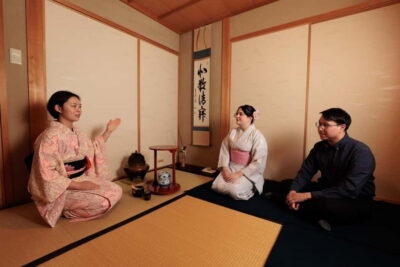
Browse the lists this tour appears in