
Review · KYOTO
Visiting to Katsura Imperial villa and tea ceremony experience
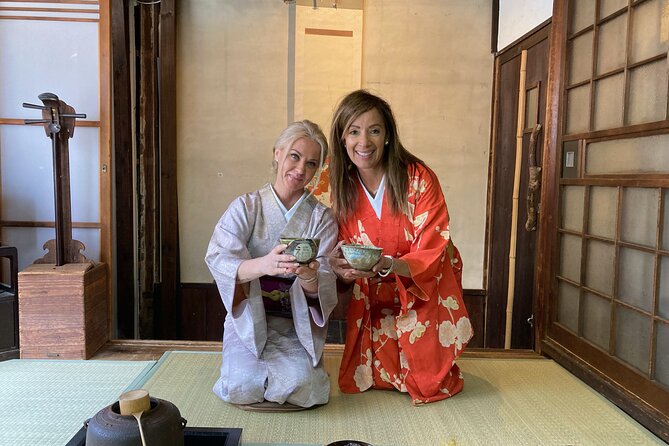
Kyoto rewards patience. This three-hour experience pairs the carefully designed gardens of Katsura Imperial Villa with an antique kimono fitting and tea ceremony in a 100-year-old Japanese house. I like the rare access arrangement, since admission is limited, and I like the personal touch from fourth-generation kimono shop owner Tokusaburo Miyagawa. The main drawback is price: at $169.90 per person, you are paying far more than the villa entrance fee alone.
The outing also has a practical wrinkle. The English guidance at Katsura Imperial Villa may come through a prerecorded headset rather than directly from the shop owner, and the exact order of kimono dressing and the villa visit should be confirmed before booking. Still, for a private cultural activity with transport, admission arrangements, kimono rental, dressing, sweets, and matcha included, it offers more than a simple garden ticket.
Key Points at a Glance
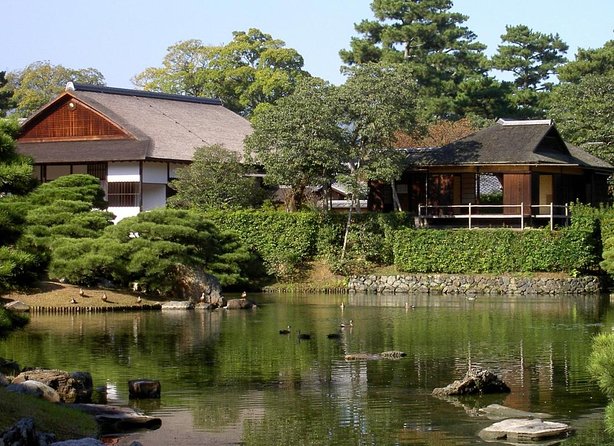
- Katsura Imperial Villa dates from 1615: Its circular garden and Sukiya-style tea houses have remained nearly unchanged for about 400 years.
- Tokusaburo Miyagawa is a fourth-generation kimono specialist: He helps you select an antique kimono and obi, while staff handle the dressing.
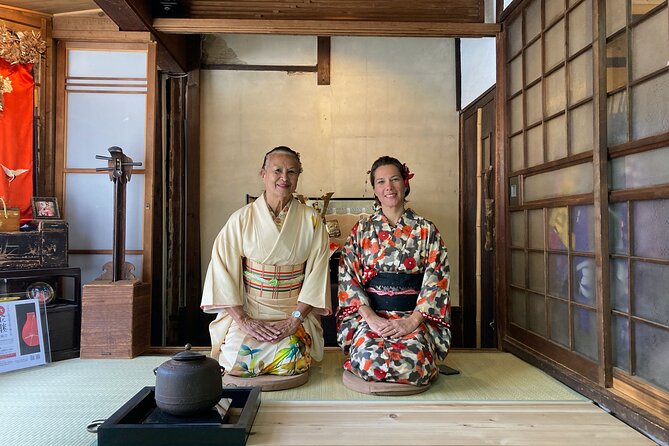
- The tea ceremony takes place in a 100-year-old traditional house: The setting is quieter than central Kyoto and suited to a slower cultural lesson.
- Your admission is arranged in advance: Katsura Imperial Villa has limited visiting hours and requires permission, so the provider handles the numbered tickets.
- Two cups of matcha and local sweets are included: You also watch a tea demonstration and learn how to prepare and drink matcha.
- This is a private activity: Only your group takes part, with round-trip transport from the shop to the villa.
Why Katsura Imperial Villa Is Worth Your Time
Katsura Imperial Villa is not simply another Kyoto garden. It was built in 1615 as an imperial villa, with a circular garden, walking paths, ponds, and tea houses arranged according to Japanese ideas of proportion, restraint, and changing views.
The villa is also associated with the Sukiya style, a form of architecture closely tied to tea culture. Rather than relying on heavy decoration, the design uses natural materials, careful spacing, plain surfaces, and small shifts in height and texture. You are encouraged to notice how the garden and buildings work together.
The property has undergone repairs and renovations, but its overall design has remained almost unchanged for four centuries. That gives the visit unusual weight. You are not looking at a modern reconstruction designed to imitate the past. You are seeing a long-preserved imperial retreat that still presents the same basic visual ideas.
German architect Bruno Taut famously praised Katsura’s beauty. You do not need to know architectural theory to appreciate the place, but a little context helps. The garden is not arranged to reveal everything at once. The route gives you a series of framed views, and the appeal comes from what is held back as much as what is shown.
The admission arrangement is one of the strongest practical reasons to consider this tour. Visits operate during limited hours, and only people with permission can enter the garden. The provider prepares the numbered admission tickets and includes the entrance fee, saving you from handling the application process yourself.
That convenience has real value if you have only a few days in Kyoto. A failed or unavailable entry slot could disrupt an entire afternoon. The tradeoff is that you give up some flexibility and pay a premium for someone else to manage the arrangements.
More Tea Ceremonies in Kyoto
- Kyoto: Tea Ceremony in a Traditional Tea House in Kiyomizu
★ 4.9 · 3,519 reviews - Kyoto: Tea Ceremony Ju-An at Jotokuji Temple
★ 4.9 · 3,207 reviews - Kyoto: 45-Minute Tea Ceremony Lesson Experience
★ 4.3 · 2,378 reviews
Starting at the Kimono Shop Near Katsura
The meeting point is Miyagawa Tokusaburo Shoten at 32-4 Katsuranozatocho in Kyoto’s Nishikyo Ward. The tour begins at 1:00 p.m. and ends back at the same location.
The shop is about five minutes by car from Katsura Imperial Villa. Round-trip transport between the shop and villa is included, which makes the afternoon easier than arranging separate local transport. You should still plan your route to the shop carefully, since the advertised start time is firm and the admission arrangements are tied to the schedule.
The experience is private, so your group does not share the activity with unrelated participants. That matters during the kimono fitting. Choosing a garment, learning about its design, and getting dressed can feel rushed in a large commercial group. Here, the setting is intended to be more personal.
Tokusaburo Miyagawa is the fourth-generation owner of the shop. His family connection to the kimono trade gives the clothing portion more depth than a standard rental session. You learn about kimono design and the occasions when people wear different garments, rather than simply putting on a costume for photographs.
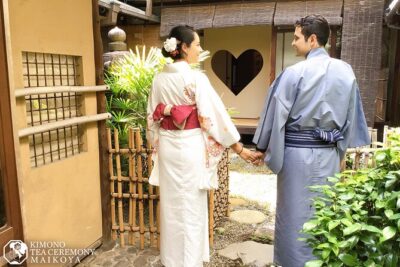
An antique kimono from the early Showa period is included. The word antique should be taken seriously here. These are valuable older garments, not just brightly colored rental clothing made for tourist photos. The owner advises you on the kimono and obi, and staff dress you.
That makes this a good choice if you want to understand how the clothing works. It is less ideal if you are looking for a quick change and immediate sightseeing. Dressing takes time, and an antique garment requires care.
Wearing an Antique Kimono at the Villa
The tour information places the tea ceremony after the villa visit, while the day’s clothing arrangement may place you in kimono before heading to Katsura. Confirm the order directly when booking, especially if photographs at the villa are important to you.
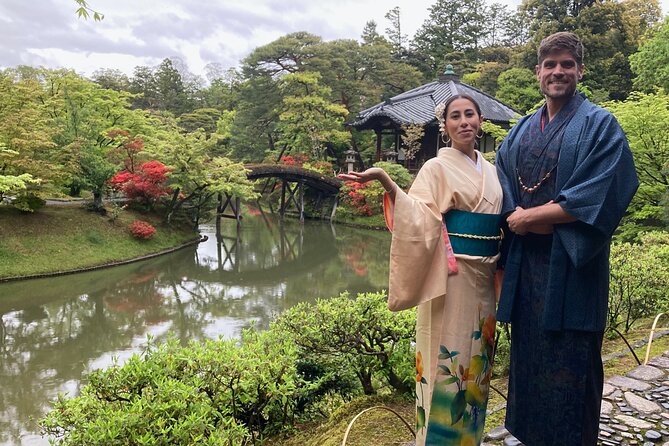
One detailed account of the outing described the kimono as a major part of the visit to Katsura. That makes sense from a visual point of view. The garden, traditional buildings, and formal clothing create memorable photographs. You should not book this solely for pictures, though. The real value comes from combining the clothing with an explanation of its design and a tea lesson.
Walking through a garden in an antique kimono is also different from wearing ordinary clothes. You may need to move more carefully, and the clothing can make the visit feel more ceremonial. The provider’s staff accompany you, which helps with the practical side of the outing.
The villa tour itself may not be led in English by Tokusaburo. English service is available, but the English explanation at the site may use a prerecorded headset. A Japanese-speaking guide may lead the main group, with audio information provided for English-speaking participants.
That arrangement has both strengths and weaknesses. A recorded guide can provide accurate information in your language and keep the official visit moving. It is not the same as having a personal English-speaking guide answer questions at every stop. If direct conversation is central to your plans, ask what English support will be available on your date.
Seeing the Circular Garden and Tea Houses
Katsura’s garden is designed for movement. You do not stand in one place and take in the whole property. As you walk, the views change, revealing the pond, bridges, planting, pathways, and tea houses from different angles.
The circular garden idea is important. The route leads you through a sequence of views rather than toward one grand central monument. A simple path, a quiet corner, or the edge of a pond can be just as important as a major building.
The Sukiya-style tea houses connect the garden to the tea ceremony later in the day. Their value is not based on size or lavish decoration. They express a preference for controlled simplicity, natural materials, and an atmosphere that allows attention to settle.
You should expect an organized villa visit rather than a private wander. Admission is controlled, and the garden visit follows the property’s rules and timing. That can feel less spontaneous than walking through an open public park, but it also protects the site and keeps the number of visitors limited.
The garden was the part most consistently praised in the available feedback. That is easy to understand. Even people who found the overall organization imperfect still described Katsura as the strongest part of the afternoon. Give it your full attention instead of treating it as a quick photo stop.
Same place, a different pot:
- Kyoto: Table-Style Tea Ceremony at a Kyo-Machiya
★ 4.9 · 1,211 reviews - Kimono Tea Ceremony at Kyoto Maikoya, NISHIKI
★ 5.0 · 911 reviews - Kyoto: Arashiyama Bamboo Forest, Monkeys, Matcha & Temple Tour
★ 5.0 · 759 reviews - Kyoto: Kimono Tea Ceremony at Orizuruya Gion
★ 4.9 · 618 reviews
Learning Tea in a 100-Year-Old House
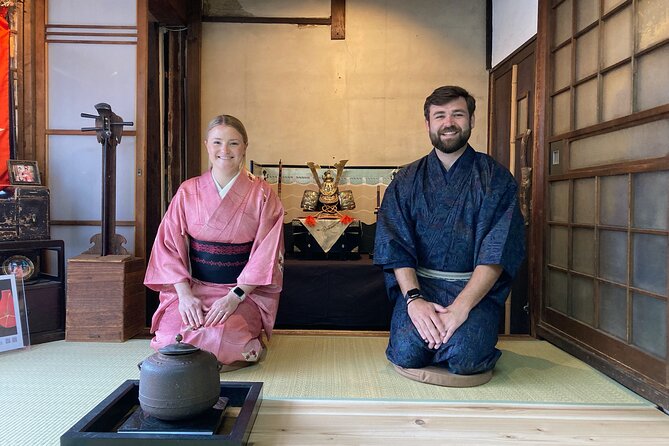
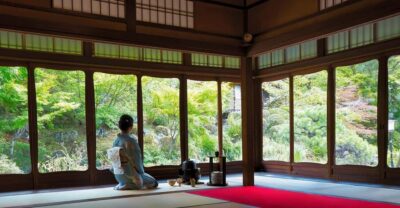
After the villa, the activity returns to the shop for the tea ceremony. The setting is a 100-year-old traditional Japanese house, and its quieter location near Katsura offers a calmer mood than a busy central Kyoto venue.
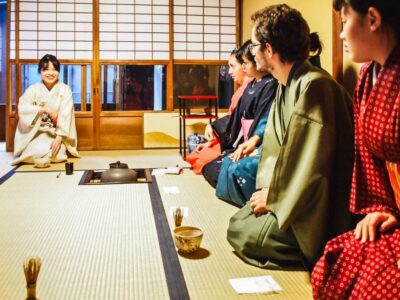
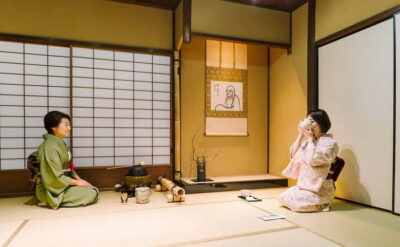
The ceremony is not presented as a formal performance that you simply watch from a distance. You learn how to prepare and drink matcha, watch the owner demonstrate the ceremony, and receive two cups of tea. A local confectioner in Katsura makes the main sweets served with it.
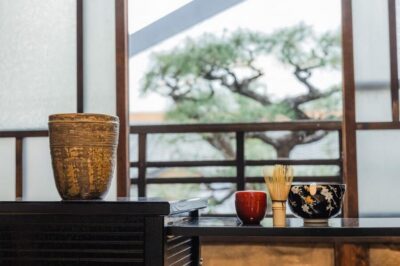
The sweets are not an afterthought. In tea culture, the sweet balances the bitterness of matcha and helps mark the rhythm of the ceremony. You get a small but useful lesson in how the food, bowl, gestures, and tea fit together.
The tea portion is also where the owner’s personal style matters most. Several positive accounts praised time spent with Toku, his explanations of Japanese culture, and his willingness to dress participants himself. If you approach the ceremony with curiosity and patience, you are likely to get more from it than someone who treats it as a photo opportunity.
At the same time, expectations should be realistic. This is a short introductory experience, not professional tea training. The ceremony takes place at the shop, and the description does not promise a full formal tea-school lesson or a long period of hands-on practice.
Some people may find the clothing and tea sections loosely organized. The provider has acknowledged that it continues to refine the experience. I would treat the afternoon as a personal cultural activity rather than a perfectly timed museum program.
Is $169.90 a Fair Price?
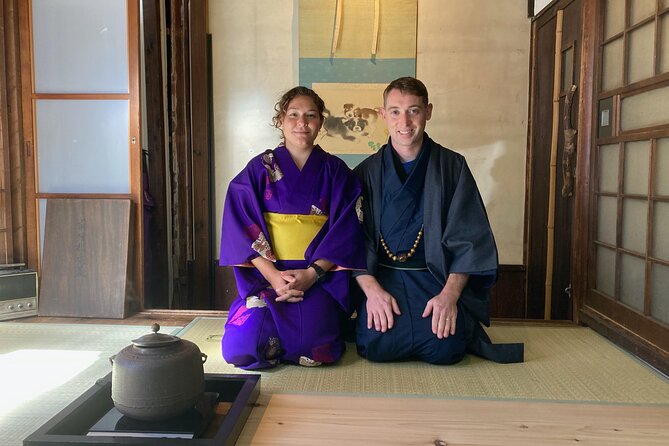
The $169.90 cost per person is the biggest question. The ordinary villa admission charge has been cited as about ¥3,000 per person, so the ticket itself does not explain the full price.
You are also paying for the hard-to-obtain admission arrangement, private transport, staff accompaniment, antique kimono rental, dressing, the tea ceremony, matcha, Japanese sweets, and the owner’s time. The price is easier to justify if you value those elements separately and would otherwise struggle to arrange them.
It is poor value if your main goal is simply to see Katsura Imperial Villa. You could resent the cost once you realize that much of the money covers service, planning, clothing, and the private setting rather than the garden entrance.
The price comparison is especially important for couples. At $339.80 for two people, this is a significant half-day expense in Kyoto. It may still suit a special occasion, a first visit to Japan, or anyone who wants a ready-made cultural afternoon without sorting out permissions, transport, kimono rental, and tea arrangements.
The mixed response to the experience appears tied less to Katsura itself than to expectations about value and organization. The garden earns strong praise, while the price and tea ceremony format draw more caution. Go in knowing exactly what you are buying.
Timing, Cancellation, and Practical Details
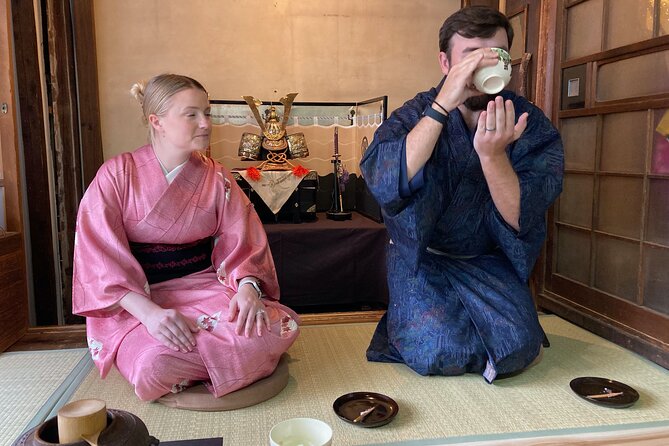
The tour lasts about three hours and starts at 1:00 p.m. Lunch and dinner are not included, so plan your meals around the afternoon. Because the activity begins after lunch and ends back at the shop, you can use the evening for another Kyoto plan.
A mobile ticket is provided, and confirmation arrives when you book. The activity is near public transportation, though the supplied details do not specify a particular station or train route. Use the shop address rather than relying only on the name of the villa.
Free cancellation is available until 24 hours before the start time. Changes or cancellations inside that period are not accepted for a refund. The activity requires good weather, and if poor weather causes cancellation, you are offered another date or a full refund.
You should ask about the exact kimono timing, the English audio arrangement, and the meeting instructions before the day. Those three details have the greatest effect on how the afternoon feels.
Who Should Book This Experience?
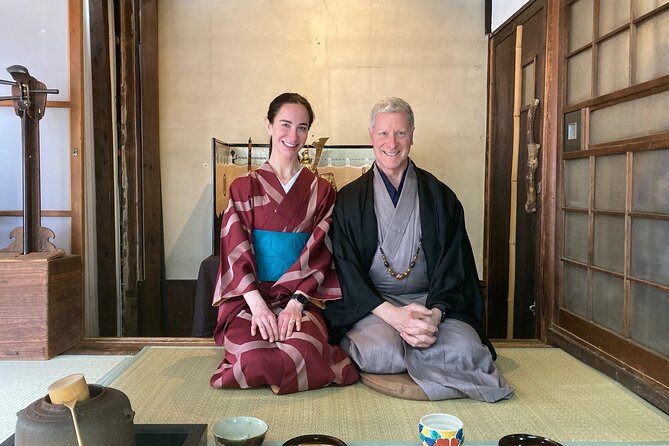
I would recommend it to someone who wants several Kyoto traditions joined into one private outing. It works especially well for first-time visitors who value help with difficult admission arrangements, couples who want formal photographs, and anyone curious about the connection between kimono, architecture, gardens, and tea.
It is also a good fit if you prefer a quiet setting to a large city-center cultural show. The old house, personal dressing session, local sweets, and small-group format give the afternoon a human scale.
I would hesitate if you are traveling on a tight budget, want a fully live English-speaking guide at the villa, or care only about the garden. In those cases, the $169.90 price may feel too high, and the prerecorded English audio may disappoint.
Book this tour if you want convenience and a layered cultural experience, not just an entrance ticket. Before paying, confirm the order of the kimono fitting and villa visit, ask how English guidance works, and decide if the tea ceremony and antique clothing justify the premium. If they do, this offers a thoughtful way to see one of Kyoto’s most carefully preserved places.
FAQ
How long does the Katsura Imperial Villa and tea ceremony experience last?
The activity lasts approximately three hours.
What time does the experience begin?
It starts at 1:00 p.m.
Where does the tour begin and end?
It begins and ends at Miyagawa Tokusaburo Shoten, 32-4 Katsuranozatocho, Nishikyo Ward, Kyoto, 615-8073, Japan.
Is transportation to Katsura Imperial Villa included?
Yes. Round-trip transportation from the shop to Katsura Imperial Villa is included.
Is the Katsura Imperial Villa entrance fee included?
Yes. The villa entrance fee and the fee for arranging the same-day admission ticket are included.
Is the kimono rental included?
Yes. An antique kimono rental, obi, and dressing service are included.
What is included with the tea ceremony?
The experience includes a tea ceremony demonstration, instruction on preparing and drinking matcha, two cups of matcha, and Japanese sweets made by a local confectioner in Katsura.
Is the activity private?
Yes. Only your group participates in the private activity.
Can I cancel for a full refund?
Yes, if you cancel at least 24 hours before the scheduled start time. Cancellations made less than 24 hours before the start time are not refunded.
Just added around Kyoto
- Uji Walking Tour – Byodo-in temple and Tea Ceremony from Kyoto★ 3.5 · 3 reviews
- Tea ceremony at Kyoto’s Zen Temple Teahouse★ 5.0 · 2 reviews
- Kyoto: Authentic Tea Ceremony in a Small Group★ 5.0 · 7 reviews
- Tea Ceremony in 150 Years Old Townhouse with Tables and Chairs★ 5.0 · 22 reviews
- Tea Ceremony Experience in Traditional Kyoto Townhouse★ 5.0 · 19 reviews
- Traditional Tea Ceremony in Kyoto★ 4.5 · 3 reviews
- Silent Beauty of Kyoto Zen Walk and Tea Experience★ 5.0 · 2 reviews
- Kyoto Private Tea Ceremony at a Japanese Inns★ 5.0 · 12 reviews
Tea Ceremonies in Kyoto, compared.
Tea Ceremony in a Traditional Tea House in Kiyomizu
Read our review →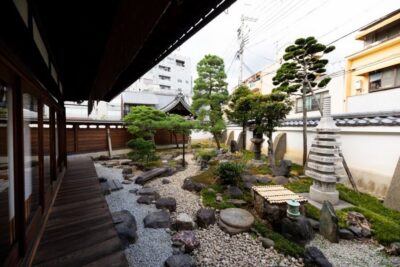
Tea Ceremony in 100-year-old Kyo-Machiya Townhouse
Read our review →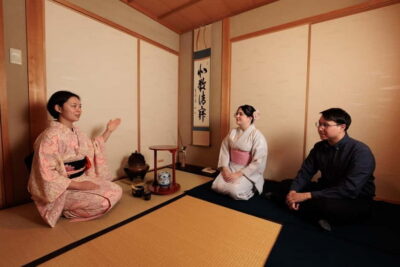
Browse the lists this tour appears in