
Review · KYOTO
The Art of Mindful Living: Tea Ceremony in Kyoto
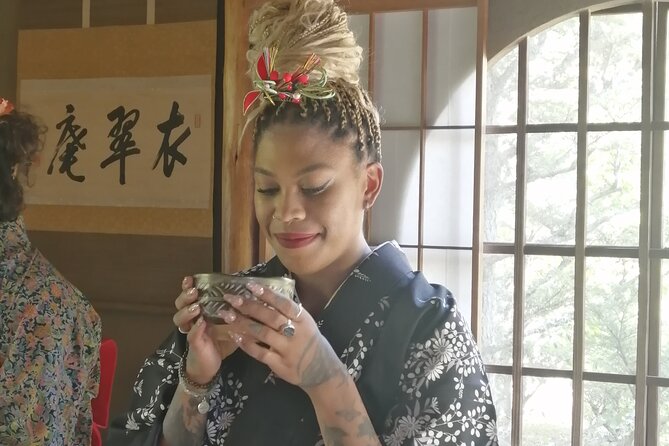
Tea can slow Kyoto down. This one-hour experience takes place in a traditional home, where Naomi explains the ceremony, serves organic Uji matcha, and lets you prepare your own bowl. I especially like the quiet garden and the chance to ask questions in a small setting. The main catch is location: the house is away from central Kyoto and can take extra time to reach.
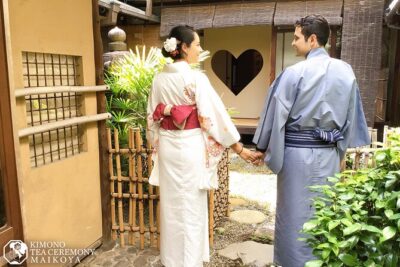
I also like the thoughtful choices for families and dietary needs. You can request vegan or allergy-friendly sweets, and children can have cocoa instead of matcha. The optional kimono rental adds a photo-friendly touch, but it costs extra and takes time to put on.
Naomi’s calm teaching style receives consistent praise, and her niece sometimes helps during school holidays. The setting feels personal rather than staged. Just keep in mind that private sessions, larger groups, and upgrades should be clarified before you pay, since one guest reported confusion about extra charges.
Key points to know before booking
- Organic Kyoto Uji matcha: You taste matcha made with organic tea from Uji, the tea-producing area near Kyoto.
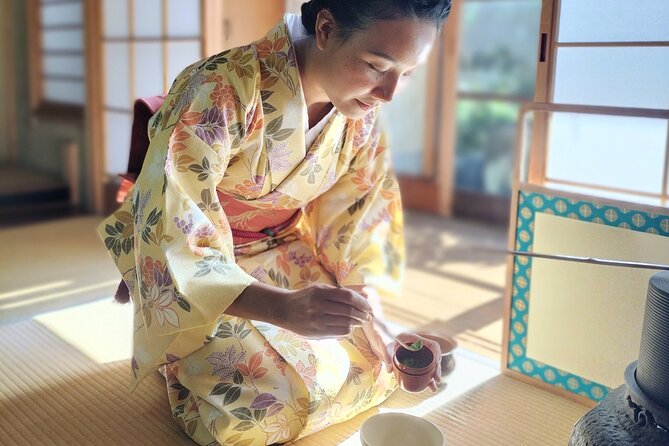
- Hands-on preparation: You first watch the ceremony, then whisk your own matcha.
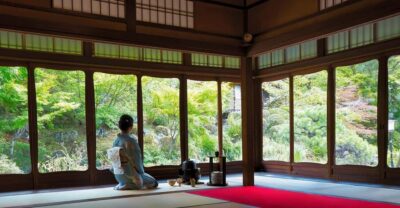
- A peaceful old house: The experience includes a tea room and a garden with places for photographs.
- Small-group format: Standard sessions are limited to six people, with larger groups possible by arrangement.
- Family-friendly options: Children can receive cocoa, and vegan and allergy-friendly sweets are available.
- Optional traditional clothing: Kimono rental costs ¥4,000, hakama rental costs ¥8,000, and a baby romper-style kimono costs ¥600.
What this Kyoto tea ceremony actually feels like
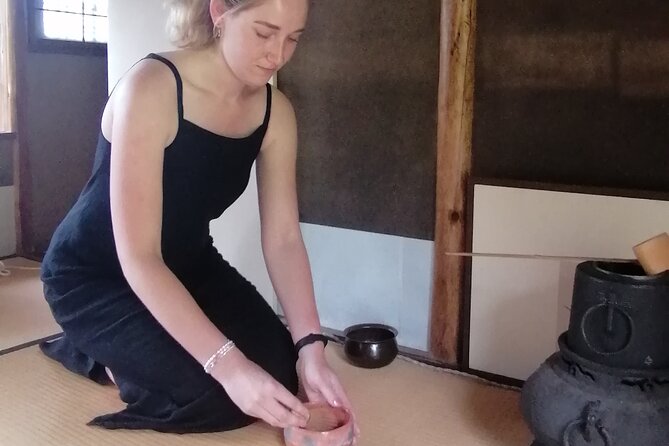
This is not a long formal ceremony that expects you to know every rule. It is a compact cultural lesson, tasting session, and hands-on activity held in a Japanese old house in Kyoto’s Ukyo Ward.
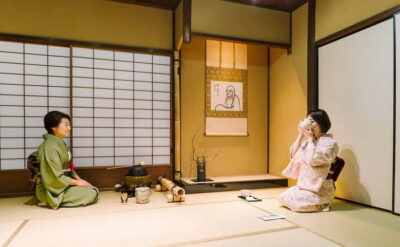
The experience lasts about an hour. That is enough time to learn the basics without giving up half a day of sightseeing. You will see the host prepare tea, enjoy a Japanese sweet with matcha, and then try making your own bowl.
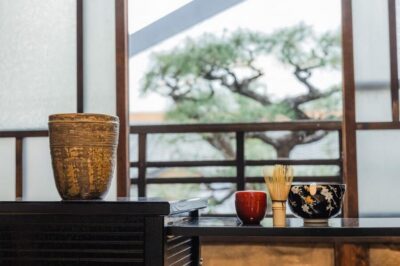
I like that the experience explains the meaning behind the actions. You learn about the ceremony’s history, the effects associated with matcha, different kinds of matcha and Japanese tea, and the proper way to drink it. That background matters because the tea ceremony is about more than powdered tea. The movements, pauses, utensils, sweets, and setting all help create a calm moment.
Naomi is the main host. Her English communication has been praised, and she has a friendly, relaxed way of teaching. The tone is educational but not stiff. One particularly appealing detail is the host’s view of tea preparation as a form of meditation, something that can also encourage you to slow down with coffee or tea at home.
More Tea Ceremonies in Kyoto
- Kyoto: Tea Ceremony in a Traditional Tea House in Kiyomizu
★ 4.9 · 3,519 reviews - Kyoto: Tea Ceremony Ju-An at Jotokuji Temple
★ 4.9 · 3,207 reviews - Kyoto: 45-Minute Tea Ceremony Lesson Experience
★ 4.3 · 2,378 reviews
Watching Naomi prepare the first bowl
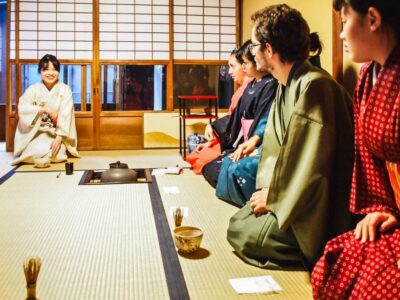
The first part is mainly demonstration and explanation. Naomi shows you how the tea ceremony works and explains how to drink matcha. You do not need previous experience, and you are not expected to perform perfectly.
The setting helps. The tea room is inside a traditional residence, and a Japanese garden is located behind the house. That combination gives the ceremony a sense of place that a hotel activity or modern classroom cannot easily match.
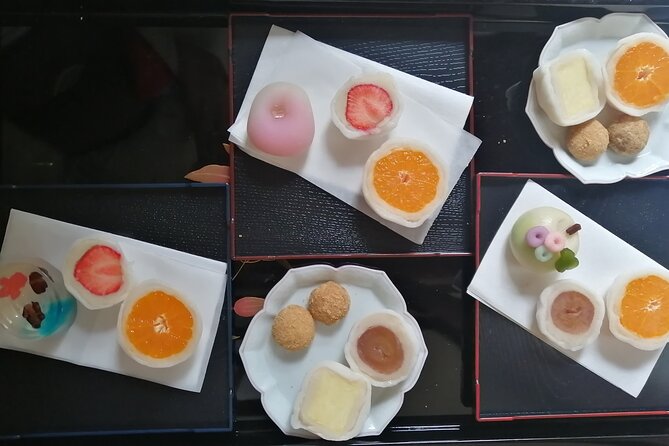
You can watch the preparation closely, then drink the matcha with a Japanese sweet. The sweet is included in the price, and you can choose between a traditional bean-paste cake or a fresh-fruit daifuku. If you want to try both, there is an additional charge of ¥500 per person.
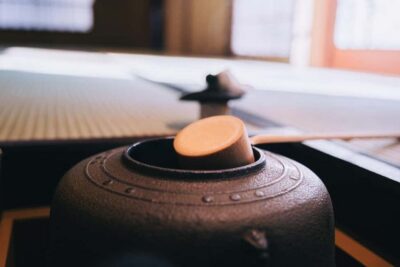
The sweets are not an afterthought. They balance the strong, grassy taste of matcha and give you a simple introduction to the Japanese habit of pairing tea with a small seasonal confection. The matcha itself is organic Uji tea. It is not presented as a famous brand, but the quality is a central part of the tasting.
Making your own matcha after the demonstration
The most useful part of the session comes after you have watched the host. You get to make matcha yourself.
This turns the activity from a performance into a lesson. You can feel how the whisk moves and see how much effort goes into producing the fine foam on top. If your first bowl is not perfect, that is part of the fun. The goal is to understand the process, not pass a tea-exam.
I would choose this experience over a simple tasting if you want a memory you can recreate later. Afterward, you will understand the basic steps well enough to appreciate matcha at home. The host’s explanations also help you notice details that might otherwise pass by during a formal ceremony.
Families benefit from this part. Children may not enjoy the bitter taste of matcha, so cocoa is available instead. They can still take part in the setting and the preparation without being forced to drink tea they dislike.
The garden adds calm and photo time
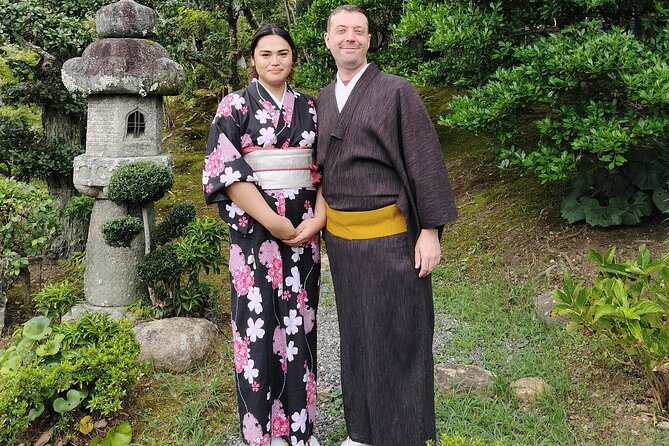
The garden is one of the strongest reasons to allow extra time for this experience. You can take photographs before the ceremony and during suitable moments. The garden provides a quiet backdrop, and the old house gives the photographs a traditional Kyoto feel.
Photography is allowed during the tea ceremony, but you should still follow the host’s direction so the pictures do not interrupt the preparation. If you rent a kimono, the garden becomes even more useful because you have a natural place to take portraits.
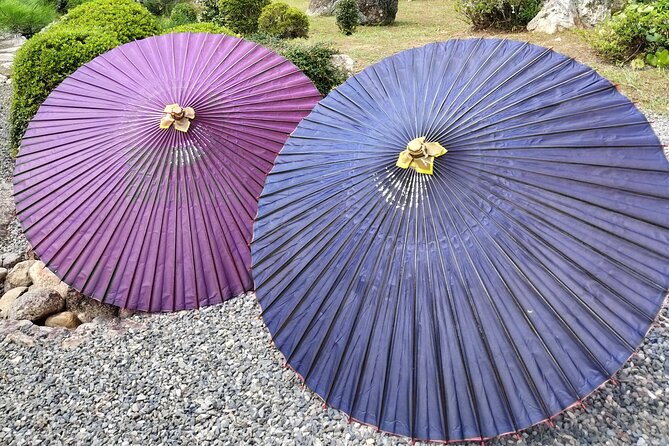
Rain does not automatically ruin the photo opportunity. You may take pictures while holding a Japanese umbrella. The important limitation is that you should not expect to pose in a kimono outdoors without an umbrella during rain. You need to protect the clothing and work with the conditions.
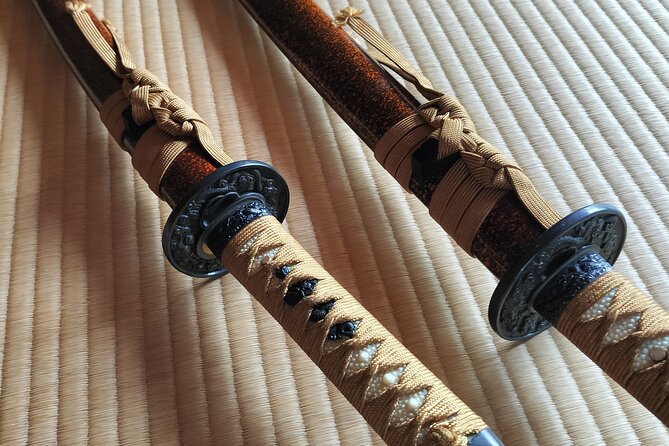
A special private-session option also allows the use of a traditional Japanese umbrella and an imitation sword for photographs. These are for pictures only. They are not part of the tea ceremony itself and should not be treated as props for handling or play.
Same place, a different pot:
- Kyoto: Table-Style Tea Ceremony at a Kyo-Machiya
★ 4.9 · 1,211 reviews - Kimono Tea Ceremony at Kyoto Maikoya, NISHIKI
★ 5.0 · 911 reviews - Kyoto: Arashiyama Bamboo Forest, Monkeys, Matcha & Temple Tour
★ 5.0 · 759 reviews - Kyoto: Kimono Tea Ceremony at Orizuruya Gion
★ 4.9 · 618 reviews
Kimono rental: attractive, but allow extra time
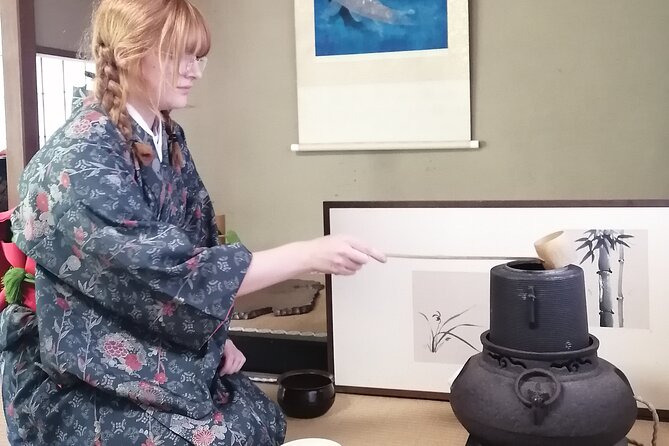
Kimono rental is optional and costs ¥4,000. A hakama rental costs ¥8,000. There is also a baby romper-style kimono for ¥600 and an undershirt rental for ¥200.
These prices are separate from the tea ceremony. It is important to confirm exactly what you are adding before booking, especially if the host contacts you about a private ceremony or other upgrades. Clear communication in advance can prevent an awkward payment discussion later.
The host does not provide hair styling or makeup. Hair accessories are available for guests who rent a kimono, so you can finish the look yourself. That keeps the option simpler and less expensive, but you should not book it expecting a full salon service.
Kimono dressing also takes time. If your Kyoto schedule is packed with temples and trains, the standard tea session may suit you better. If you want photographs and do not mind spending longer at the house, the clothing option can add real value.
Why the ¥44.42 price can be worthwhile
At $44.42 per person, the basic session is priced above a quick cup of matcha but below many longer cultural activities. You are paying for an explanation, a demonstration, matcha, a Japanese sweet, and a chance to prepare tea yourself.
The value is strongest for people who want context. A drink alone is easy to find in Kyoto. Here, the host explains how the ceremony works and gives you time to participate. The traditional home and garden also make the setting part of what you are buying.
The price does not include alcoholic drinks, though alcohol is not really the point of this activity. The included food is a single sweet per person. Plan for the extra ¥500 if you want both sweet options, and budget separately for a kimono, hakama, or other clothing rental.
Private sessions may cost more, and larger groups need advance discussion. The standard maximum is six participants. That limit is useful because the tea room experience is more personal with a small group, but it also means you should not assume a large family or school group can simply book without checking first.
Location and timing in Kyoto
The meeting point is Kaze no Waon, at 14 Utanokitanoinchō, Ukyo Ward, Kyoto, postal code 616-8201. The activity ends at the same place.
This is not a central downtown stop. The location is in the direction of Kinkakuji Temple and Arashiyama, and reaching it can take more planning than visiting a tea house near Kyoto Station or Gion. One useful way to fit it into your day is to pair it with sightseeing in the same broad part of Kyoto rather than crossing the city only for a one-hour session.
The house is near public transportation, but the exact journey depends on where you start. Check your route before booking and leave room for the trip. The shorter duration can be misleading if you have a long ride in both directions.
The activity is booked about 13 days ahead on average, which suggests that reserving early is sensible for a specific date, especially if you want a private session or kimono rental. Confirmation is sent within 48 hours, subject to availability.
Who will enjoy this most
I would recommend the experience to first-time visitors who want a clear introduction to Japanese tea culture without committing to a lengthy formal ceremony. It also suits families, couples, and small groups who enjoy a quiet setting and hands-on activities.
It is a good match for you if you value:
- A calm cultural activity away from busy sightseeing streets
- Direct teaching in English
- A traditional house and garden
- A chance to make your own matcha
- Photo opportunities, especially with a kimono
- Flexible food choices for vegan diets and allergies
It may be less suitable if you want a ceremony in central Kyoto, dislike powdered green tea, or have a very tight schedule. The setting is peaceful, but the distance from major downtown areas is a real consideration.
Strollers can enter the premises but cannot be taken inside the building. Families with young children should plan around that restriction. Cocoa is available for children instead of matcha, which makes the activity more flexible, but the tea room setting still calls for calm behavior.
The host and the personal touch
Naomi is the heart of the experience. She explains the subject in a way that keeps the ceremony approachable, and her communication before and after booking has also received strong praise.
Her niece sometimes assists during school holidays. That gives the session a family-run feel rather than the polished but impersonal atmosphere of a large commercial attraction. The host has also shown flexibility with family needs, larger groups, photographs, and dietary requests.
The tone is a useful middle ground. You learn about the formal side of tea ceremony, but you are not made to feel uncomfortable if you do not know how to kneel, hold the bowl, or follow every custom. Chairs are provided, which is important for anyone who finds sitting on the floor difficult.
Booking details and cancellation rules
The experience offers mobile tickets and free cancellation up to 24 hours before the start time. If you cancel less than 24 hours ahead, you do not receive a refund, and changes made inside that window are not accepted.
The activity depends on suitable weather and a minimum number of participants. If poor weather or low enrollment causes cancellation, you can choose another date or experience, or receive a full refund.
For a private session, contact the provider before booking. I would also confirm the total cost of kimono rental, hakama rental, extra sweets, and any private upgrade in writing. That simple step is especially useful because the basic price and optional additions are separate.
Should you book this Kyoto tea ceremony?
Yes, if you want a quiet, personal introduction to tea ceremony with real participation. The strongest reasons to book are the old residence, garden, organic Uji matcha, thoughtful food options, and Naomi’s warm teaching style.
I would not choose it solely for convenience. The location is away from central Kyoto, and a one-hour activity can take much longer once transport is included. But if you are already visiting Kinkakuji or the Arashiyama side of the city, it can fit naturally into your day.
Book the standard session if you want a focused cultural lesson. Add a kimono only if photographs matter to you and your schedule has enough room. For a small family or couple seeking a peaceful Kyoto memory, this is a strong value at $44.42. Just confirm any extras before you go.
FAQ
How long does the tea ceremony experience last?
The experience lasts approximately one hour.
Where does the tea ceremony take place?
It takes place at Kaze no Waon, 14 Utanokitanoinchō, Ukyo Ward, Kyoto, 616-8201, Japan.
Where does the activity end?
The activity ends back at the meeting point.
Is matcha included in the price?
Yes. The experience includes matcha and one Japanese sweet.
Can I make matcha myself?
Yes. After watching the tea ceremony and learning how to drink matcha, you can prepare your own matcha.
What kind of matcha is used?
The experience uses organic Uji matcha from Kyoto.
Are vegan and allergy-friendly food options available?
Yes. Food allergies and vegan requirements can be accommodated.
Can children participate if they do not like matcha?
Yes. Cocoa is available for children instead of matcha.
Is kimono rental available?
Yes. Kimono rental costs ¥4,000, hakama rental costs ¥8,000, and a baby romper-style kimono costs ¥600. An undershirt rental costs ¥200.
Can I cancel for a full refund?
You can cancel up to 24 hours before the start time for a full refund. Cancellations made less than 24 hours before the experience are not refunded.
Just added around Kyoto
- Uji Walking Tour – Byodo-in temple and Tea Ceremony from Kyoto★ 3.5 · 3 reviews
- Tea ceremony at Kyoto’s Zen Temple Teahouse★ 5.0 · 2 reviews
- Kyoto: Authentic Tea Ceremony in a Small Group★ 5.0 · 7 reviews
- Tea Ceremony in 150 Years Old Townhouse with Tables and Chairs★ 5.0 · 22 reviews
- Tea Ceremony Experience in Traditional Kyoto Townhouse★ 5.0 · 19 reviews
- Traditional Tea Ceremony in Kyoto★ 4.5 · 3 reviews
- Silent Beauty of Kyoto Zen Walk and Tea Experience★ 5.0 · 2 reviews
- Kyoto Private Tea Ceremony at a Japanese Inns★ 5.0 · 12 reviews
Tea Ceremonies in Kyoto, compared.
Tea Ceremony in a Traditional Tea House in Kiyomizu
Read our review →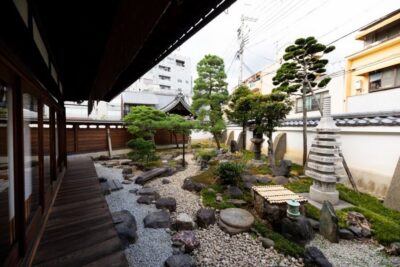
Tea Ceremony in 100-year-old Kyo-Machiya Townhouse
Read our review →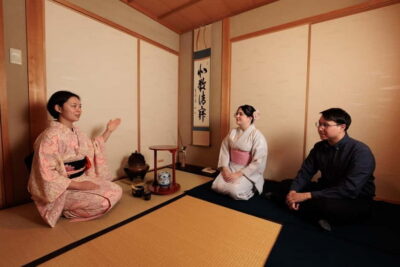
Browse the lists this tour appears in