
Review · KYOTO
Authentic Kyoto Tea Ceremony: Camellia Flower Teahouse
Slow down for a bowl of matcha. In Kyoto’s Higashiyama Ward, the Camellia Flower Teahouse offers a short, friendly introduction to Japanese tea ceremony, with clear English instruction, traditional utensils, a seasonal sweet, and a chance to whisk your own tea. I especially like the small group limit of eight and the fact that you do more than watch. You also handle the bowl, scoop, and whisk yourself.
The 45-minute length works well in a sightseeing day. You get a thoughtful look at the ritual without giving up half a day. I also like the flexible seating, since chairs and tables are available for anyone who would rather not sit on the floor. The main caution is that this is a compact introductory experience, not a long formal tea ceremony, and the room may feel plain to visitors expecting a grand setting.
You’ll pay about $36.48 per person. That is fair value for a guided cultural activity in a central Kyoto district, especially since the price includes the tea equipment, matcha, sweet, demonstration, and hands-on practice. Kimono rental is extra, and you’ll need to arrange it separately by message.
Key points at a glance
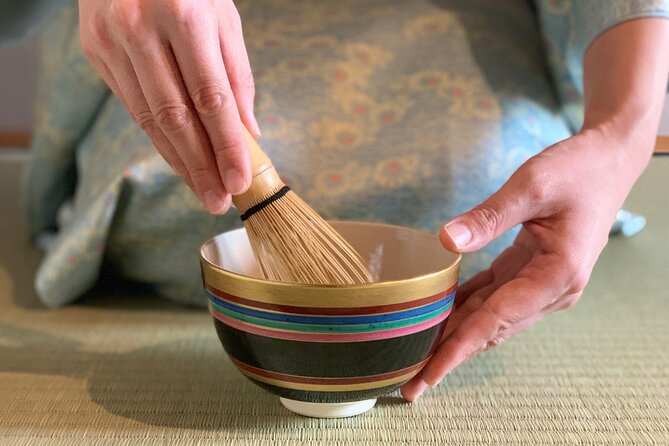
- You make your own bowl of matcha: The host demonstrates the method, then gives you a tea bowl, scoop, and whisk to use yourself.
- The group never exceeds eight people: This keeps the session more personal and leaves room for questions.
- The ceremony takes about 45 minutes: It fits neatly between visits to Higashiyama’s temples, lanes, and shops.
- English instruction is provided: Instructors speak English fluently and explain the utensils, gestures, room layout, and meaning behind the ritual.
- Chairs and tables are available: You can request an alternative to floor seating, though the site is not wheelchair accessible.
- Kimono rental can add atmosphere: It costs extra, but several people found traditional dress made the occasion feel more special.
Entering the tea room in Higashiyama
Camellia Flower is at 349-13 Masuyacho in Kyoto’s Higashiyama Ward, an area that makes sense for this kind of activity. The ceremony ends where it begins, so you do not need to manage a second meeting point or arrange a ride back across town.
The address is near public transportation, but you should still allow time to find the entrance. Higashiyama is a sightseeing district where small streets and busy walking routes can slow you down. A mobile ticket makes access simple once you arrive, and confirmation is provided at booking.
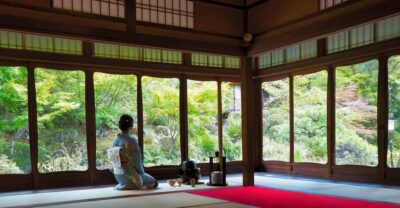
The setting is designed for learning rather than spectacle. One account described the tea room as very small and plain, which is worth keeping in mind. If you picture an elaborate historic pavilion, you may find the room modest. The strength of the experience is the teaching, the ritual, and the chance to take part.
The staff welcome you with a short introduction to matcha and the tea ceremony. The tone is gentle and informal, which helps if you know little about Japanese customs or worry about making a mistake. You are encouraged to ask questions instead of sitting silently and trying to guess what each movement means.
More Tea Ceremonies in Kyoto
- Kyoto: Tea Ceremony in a Traditional Tea House in Kiyomizu
★ 4.9 · 3,519 reviews - Kyoto: Tea Ceremony Ju-An at Jotokuji Temple
★ 4.9 · 3,207 reviews - Kyoto: 45-Minute Tea Ceremony Lesson Experience
★ 4.3 · 2,378 reviews
What the opening explanation adds
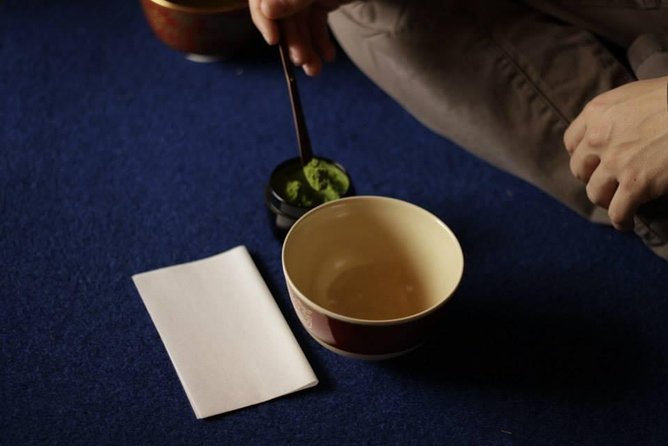
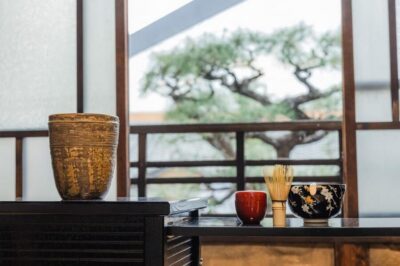
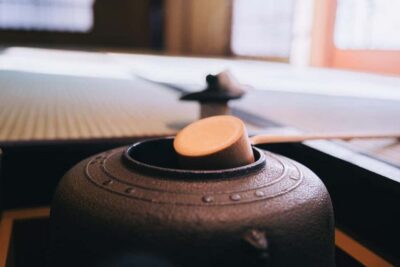
The host first explains the basic steps of the ceremony and introduces the utensils. This matters because Japanese tea ceremony can look mysterious if you only see the finished performance. The bowl, scoop, whisk, water, sweets, and room arrangement all have a role.
You learn why the decoration and layout of the room matter, along with the ideas of respect, cleanliness, mindfulness, and simplicity. The water used for cleansing is also explained, giving the ritual a cultural meaning beyond simply making a hot drink.
The instructors come from one of Kyoto’s three main schools of tea ceremony. That gives the introduction a useful connection to the living tradition. You are not just given a tourist-friendly matcha demonstration. You also hear how the ceremony has been practiced and taught.
The English explanations are one of the strongest parts of the session. The best moments come when the host links a small gesture to a larger idea, such as preparing tea with care for the person receiving it. You can ask about the history, utensils, preparation, or customs as the session moves along.
Watching the host perform the ceremony
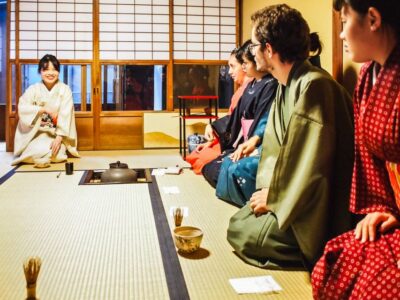
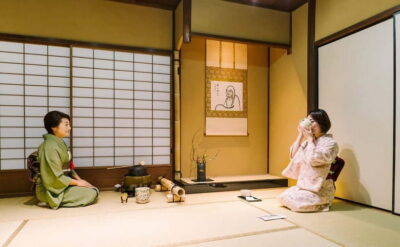
After the introduction, your instructor performs the ceremony. This is the quietest part of the experience, and it gives you time to watch the precision of each action.
The movements are deliberate. Cleaning, scooping, whisking, presenting, and receiving the tea all follow a pattern. The careful pace can feel calming after a morning of Kyoto sightseeing, especially if you have spent hours moving through crowded temple grounds.
The ceremony is not only about the matcha’s flavor. It is also about attention, hospitality, and the relationship between host and guest. The instructor explains enough of this to help you see why the process takes practice. Even simple actions become harder when you try them yourself.
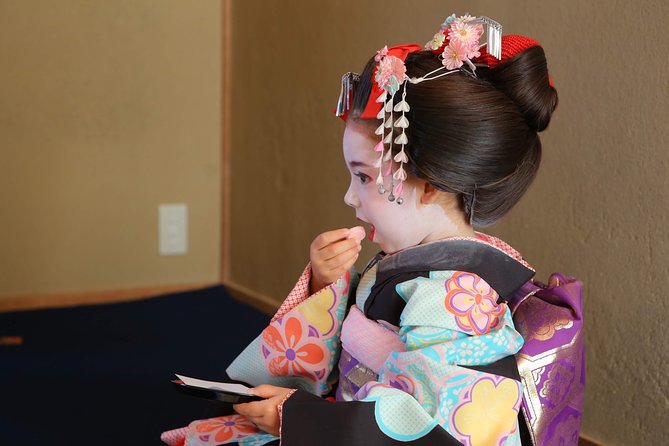
You will have a seasonal sweet with the tea. It provides a pleasant contrast to matcha’s earthy, slightly bitter taste and is part of the rhythm of the experience. The sweet is not presented as a large snack, so do not arrive expecting a meal.
The calm mood is a major reason to fit this activity into your schedule. It offers a pause from sightseeing rather than another fast-moving attraction. One family described it as a highlight for children aged seven and eight, while other participants appreciated the peaceful break after a busy day.
Making your own matcha
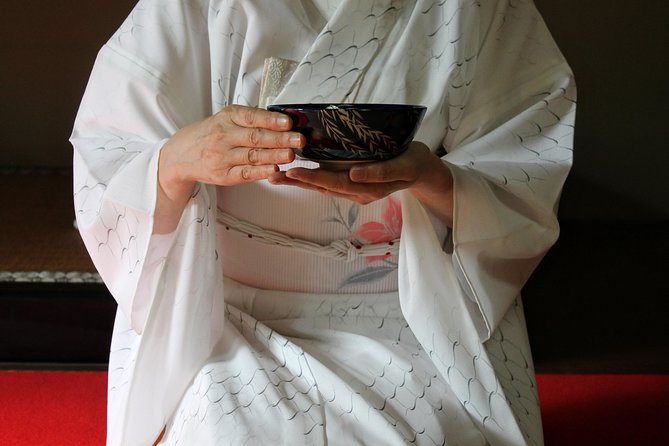
The hands-on portion is where the activity earns its price. Each person receives a tea bowl, tea scoop, and tea whisk, then gets the chance to prepare a bowl of frothy matcha.
You first watch the technique, then try to copy it. The whisking looks easy until you hold the whisk yourself. You soon see why proper tea preparation requires training, control, and repeated practice. Your bowl may not look exactly like the instructor’s, but that is part of the fun.
This is a good format for families, couples, and first-time visitors. You are not expected to arrive with any background in tea ceremony. The instructor guides you through the basics and helps you feel comfortable while you practice.
The practical lesson also gives you a better appreciation of the finished tea. After watching the host prepare matcha with precision, making your own bowl makes the craft easier to understand. You leave with a simple skill you can try again at home, even if your first attempt is less polished.
The activity is also suitable for people who enjoy asking questions. There is time to chat with the host about matcha and Japanese customs rather than rushing from one step to the next. That personal exchange makes the session feel more useful than a staged demonstration.
Same place, a different pot:
- Kyoto: Table-Style Tea Ceremony at a Kyo-Machiya
★ 4.9 · 1,211 reviews - Kimono Tea Ceremony at Kyoto Maikoya, NISHIKI
★ 5.0 · 911 reviews - Kyoto: Arashiyama Bamboo Forest, Monkeys, Matcha & Temple Tour
★ 5.0 · 759 reviews - Kyoto: Kimono Tea Ceremony at Orizuruya Gion
★ 4.9 · 618 reviews
Seating, children, and accessibility
Most people traditionally sit on the floor, but chairs and tables are available if you prefer them. Requesting a chair is sensible if floor seating is uncomfortable for you. The presence of alternative seating makes the activity more welcoming, though it does not make the site wheelchair accessible.
Children under six cannot join. Older children can participate, and the experience is open to all ages within that rule. The small group size helps families receive enough attention, but children should still be able to listen during the explanation and handle the utensils carefully.
Service animals are allowed. The activity is near public transportation, and no pickup or drop-off is included, so you make your own way to the Higashiyama meeting point.
If mobility or prolonged floor sitting is a concern, contact the provider before booking. Chairs are available, but the overall venue is not wheelchair accessible.
Should you rent a kimono?
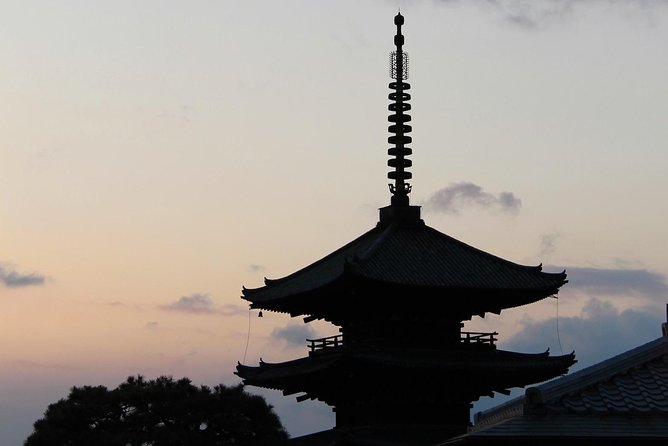
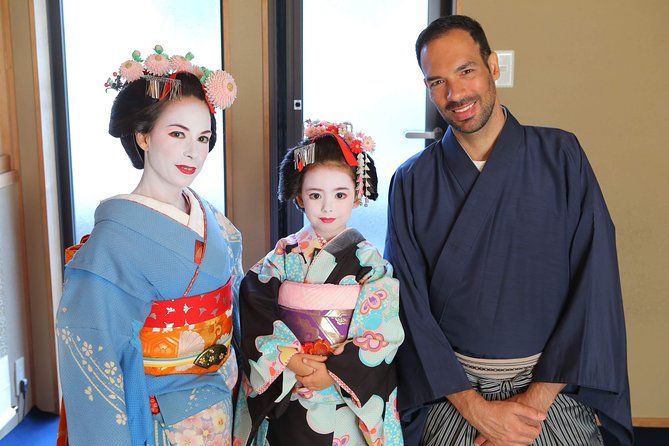
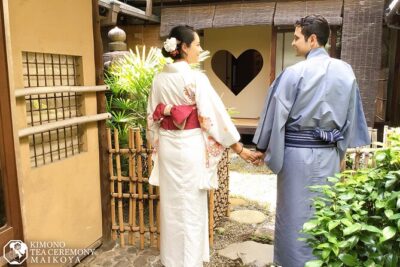
Kimono rental is not included, but it can be requested by message for an additional charge. Several people felt that traditional dress made the ceremony feel more authentic and added to the photographs. Some also mentioned help with dressing and a quick updo.
I would treat the kimono as an optional mood setter, not a requirement. The ceremony itself remains the main event, and you will learn the ritual whether you wear everyday clothes or traditional dress. Kimono rental makes sense if you want photographs, are marking a special occasion, or want the full visual experience.
There is one practical point to consider: renting traditional clothing adds time and cost. If your Kyoto schedule is tight, the 45-minute tea session alone may be the better choice. If you have room in the day and want a more ceremonial presentation, the extra option may suit you.
Is $36.48 good value?
At approximately $36.48 per person, this is not the cheapest way to drink matcha in Kyoto. You can find tea for far less at a café. That comparison misses the point, though. Here you are paying for instruction, cultural context, equipment, a demonstration, a seasonal sweet, and guided practice.
The group limit of eight improves the value. A large crowd would make it difficult to ask questions or receive help with whisking. A small session also keeps the room quieter and allows the instructor to notice when you need another explanation.
The experience is especially good value for a first visit to Japan. You gain a basic understanding of an important cultural practice without committing to a lengthy formal ceremony. It also gives you a useful way to connect the ritual with the history, architecture, and tastes of Kyoto.
I would not choose it if your only goal is to photograph a spectacular interior. The room can be plain, and the experience is brief. I would choose it if you want to understand what you are seeing when tea ceremony appears elsewhere in Japan.
Planning the 45-minute visit
The timing is one of Camellia’s practical strengths. The session lasts about 45 minutes, which leaves plenty of time for nearby sightseeing. You could place it between visits in Higashiyama rather than building an entire day around it.
The session generally follows this rhythm:
- Welcome and introduction to matcha
- Explanation of the ceremony, utensils, room arrangement, and customs
- Demonstration by the instructor
- Seasonal sweet and matcha
- Questions and conversation
- Your own attempt at whisking matcha
The order may feel relaxed rather than tightly timed. That is a good thing here. The ceremony needs room for explanation and practice, and the group size keeps the pace from becoming frantic.
Try not to schedule an important timed admission immediately afterward. The stated duration is about 45 minutes, and questions or group activity may affect the exact finish. You should also allow extra time to reach the Higashiyama meeting point.
The activity starts and ends at the same location. There is no transportation service, so plan your route before setting out. The mobile ticket is useful, especially if you are moving between several Kyoto sights.
Who will enjoy this tea ceremony?
I would recommend it most strongly to:
- First-time visitors who want a clear introduction to Japanese tea ceremony
- Families with children aged six and older
- Couples looking for a calm cultural activity
- Anyone curious about matcha preparation
- Visitors who prefer a short session to a long formal ceremony
- People who enjoy asking questions and taking part
It also suits anyone who needs a quiet change of pace. Kyoto can be tiring, and this offers a seated pause with a purpose.
You may want something else if you are already experienced with tea ceremony or want a highly formal, extended performance. The activity teaches the basics and lets you practice, but it is designed for newcomers. The modest room may also disappoint you if you expect an elaborate setting.
The group format is friendly, but it is not completely private. If you want more personal attention, a private option may be worth asking about. One family specifically felt a private ceremony could have been preferable, even though they still enjoyed the shorter session.
Booking, cancellation, and small practical details
The experience offers free cancellation when you cancel at least 24 hours before the start time. Changes or cancellations inside that window are not accepted for a refund. The provider may also change the date or offer a full refund if poor weather causes cancellation.
The activity is booked per person, and group discounts are available. The maximum group size is eight. Tea bowls, scoops, and whisks are included, while kimono rental, pickup, and drop-off cost extra or are not provided.
Wear something comfortable and arrive ready to sit, either on the floor or in a chair. If you want a kimono, request it before the visit rather than assuming it is automatically part of your booking.
Should you book Camellia Flower Teahouse?
I would book this if you want an approachable first look at Japanese tea ceremony in Kyoto. The strongest reasons are the fluent English instruction, the small group, the thoughtful explanation of the ritual, and the chance to prepare your own matcha rather than simply watch.
At $36.48, the experience offers fair value for a focused 45-minute activity. It is especially easy to fit into a Higashiyama day. Go in expecting a simple tea room and an introductory lesson, not a grand theatrical production.
Choose the optional kimono if photographs and presentation matter to you. Request a chair if floor seating is uncomfortable. For most first-time visitors, families with older children, and anyone wanting a peaceful cultural pause, Camellia Flower is a sensible Kyoto booking.
FAQ
How long does the Camellia tea ceremony last?
The experience lasts approximately 45 minutes.
Where does the tea ceremony take place?
It starts and ends at Tea Ceremony Camellia FLOWER, located at 349-13 Masuyacho, Higashiyama Ward, Kyoto, 605-0826, Japan.
Is the tea ceremony wheelchair accessible?
No. The experience is not wheelchair accessible. Chairs and tables are available for people who prefer not to sit on the floor.
Can children join the experience?
Children under six cannot participate. The activity is open to older children, with a maximum of eight people in each group.
Is kimono rental included?
No. Kimono rental is not included in the listed price. You can request it by message for an additional charge.
What happens during the ceremony?
The instructor introduces matcha, explains the utensils and ceremony steps, performs the tea ceremony, serves matcha with a seasonal sweet, answers questions, and teaches each person how to whisk their own bowl of matcha.
Just added around Kyoto
- Uji Walking Tour – Byodo-in temple and Tea Ceremony from Kyoto★ 3.5 · 3 reviews
- Kyoto: Authentic Tea Ceremony in a Small Group★ 5.0 · 7 reviews
- Tea ceremony at Kyoto’s Zen Temple Teahouse★ 5.0 · 2 reviews
- Tea Ceremony in 150 Years Old Townhouse with Tables and Chairs★ 5.0 · 22 reviews
- Silent Beauty of Kyoto Zen Walk and Tea Experience★ 5.0 · 2 reviews
- Tea Ceremony Experience in Traditional Kyoto Townhouse★ 5.0 · 19 reviews
- Traditional Tea Ceremony in Kyoto★ 4.5 · 3 reviews
- Kyoto Private Tea Ceremony at a Japanese Inns★ 5.0 · 12 reviews
Tea Ceremonies in Kyoto, compared.
Tea Ceremony in a Traditional Tea House in Kiyomizu
Read our review →
Tea Ceremony in 100-year-old Kyo-Machiya Townhouse
Read our review →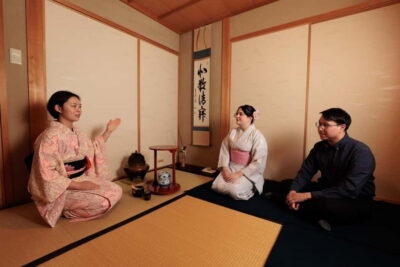
Browse the lists this tour appears in