
Review · KANAZAWA
Kenrokuen Tea Ceremony Experience in Kanazawa
Slow down in one of Kanazawa’s finest settings. This 50-minute tea ceremony takes place inside Kenrokutei, a historic pavilion within Kenrokuen Garden, where feudal lords once entertained important visitors. I like the beautiful setting, and I like that you do more than watch: you learn to handle the utensils, whisk your own matcha, and taste traditional wagashi sweets.
The small group size, capped at four people, makes the lesson feel personal rather than staged. The English explanations are clear and friendly, according to the experience details and guest feedback. The main drawback is the strict arrival rule: arrive more than 10 minutes late and your booking may be canceled without a refund. The price is also a little high once you add Kenrokuen’s separate 320-yen admission.
- Historic setting: Meet inside Kenrokutei, a former reception place for important guests of Kanazawa’s lords.
- You make the tea: After watching the tea master, you use the traditional tools and prepare your own matcha.
- Wagashi included: Taste Japanese sweets from a respected confectioner alongside the tea.
- Small group: The activity accepts a maximum of four people, which allows time for questions and personal guidance.
- Standing option: Choose a standing-style ceremony if sitting on the floor is difficult.
- Strict timing: Arrive punctually. More than 10 minutes late can mean cancellation.
Entering Kenrokutei Inside Kenrokuen Garden

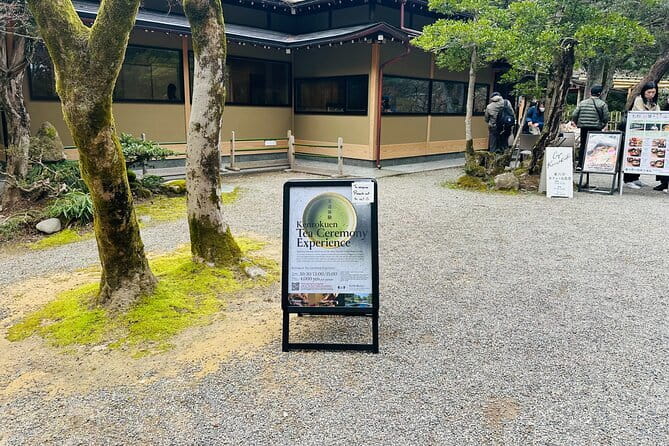
The setting does much of the work here. Kenrokuen is one of Kanazawa’s major sights, and Kenrokutei gives the tea ceremony a sense of place that a generic city classroom could not provide. You meet at 1-20 Kenrokumachi, inside the garden, and the activity finishes at the same spot.
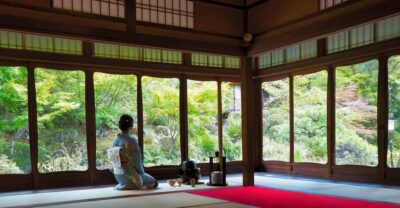
Kenrokutei has historical weight. It was used by the lords of Kanazawa to entertain important guests, so you are not simply sitting in a modern activity room with a few decorative objects. The location connects the ceremony to the city’s former ruling culture and to the formal hospitality that shaped Japanese tea practice.
You need to pay Kenrokuen’s entrance fee separately. Admission is 320 yen, a modest extra cost, but it matters when you are comparing the total price with other short cultural activities. Plan to enter the garden early enough to find Kenrokutei without rushing.
Your ticket is mobile, which keeps the arrival process simple. Still, do not treat the meeting time casually. The host asks you to be punctual, and arriving more than 10 minutes late can result in cancellation. That policy is unusually important here because the ceremony is quiet, timed, and shared with other participants.
A 50-Minute Lesson, Not Just a Demonstration
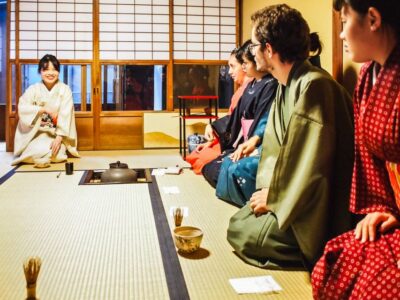
The session begins with the tea master showing you how the ceremony works. At first, you watch the movements and listen to the explanation. The point is not only to see matcha being prepared, but to understand why each movement has a place in the sequence.
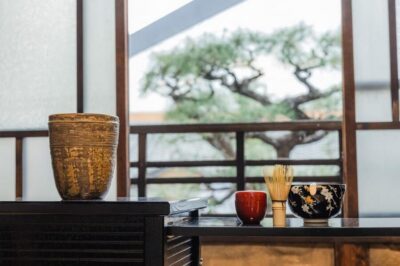
You learn how to use the tea utensils and how to handle the tea bowl. One especially useful part of the lesson is the explanation of how to pick up and treat the bowl. These small gestures can seem mysterious if you only observe a formal ceremony from a distance. Here, the instructor explains the roles, order, and meaning behind them.
The tone appears formal without becoming stiff. Several participants described the hosts as warm, engaging, and easy to follow. The instruction can also be light and interactive, which helps if you worry that a tea ceremony will feel too solemn or difficult to understand.
English instruction is available as part of the shared experience. Feedback specifically praised the clear English translation and the explanations of the ceremony’s history and spirit. If you need dedicated translation assistance, you should make a private reservation by email rather than joining the shared session. This protects the calm atmosphere for everyone.
More Tea Ceremonies in Japan:
- Kyoto: Tea Ceremony in a Traditional Tea House in Kiyomizu
★ 4.9 · 3,519 reviews - Kyoto: Tea Ceremony Ju-An at Jotokuji Temple
★ 4.9 · 3,207 reviews - Kyoto: 45-Minute Tea Ceremony Lesson Experience
★ 4.3 · 2,378 reviews
Making Your Own Matcha
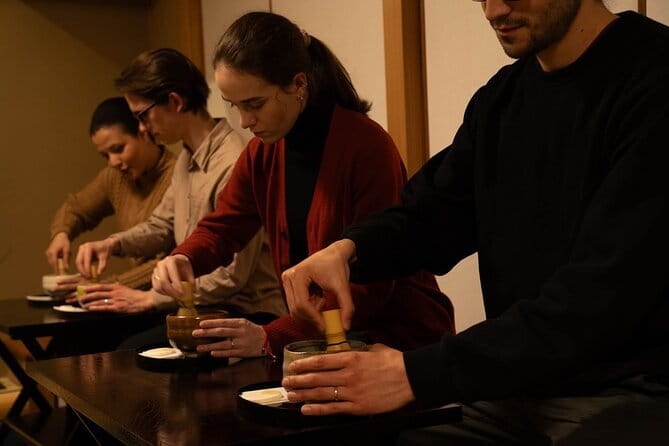
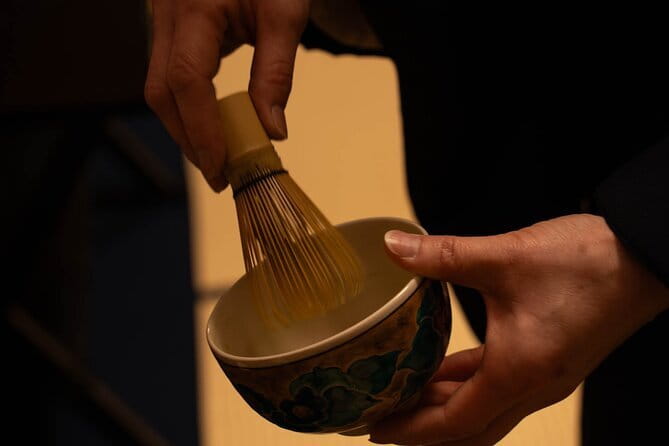
The best part for many people is the hands-on turn. After the demonstration, you get to prepare matcha yourself using the traditional utensils. This changes the activity from a performance into a lesson you can feel in your hands.
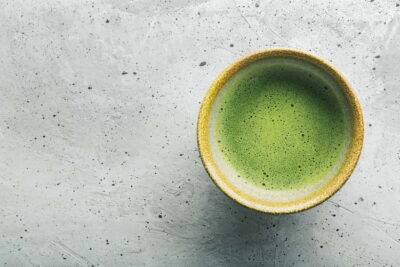
You will not simply be handed a bowl and told to stir. The tea master first shows you what to do, then guides you through the process. You whisk the tea, create the foam, and drink what you have prepared. That foam is not a minor detail. It gives you a clear, physical sense of how much technique goes into a bowl that can look simple at first glance.
Your homemade matcha may not look exactly like the master’s version, and that is part of the fun. The point is not to produce a perfect bowl on your first attempt. It is to understand the tools, the rhythm, and the care involved in preparing the drink.
I like this format because it gives you a practical memory of the ceremony. Afterward, matcha is no longer just a green drink served in a bowl. You have handled the whisk, learned the order of the movements, and seen how preparation shapes the experience.
Wagashi and Matcha: The Sweet Balance
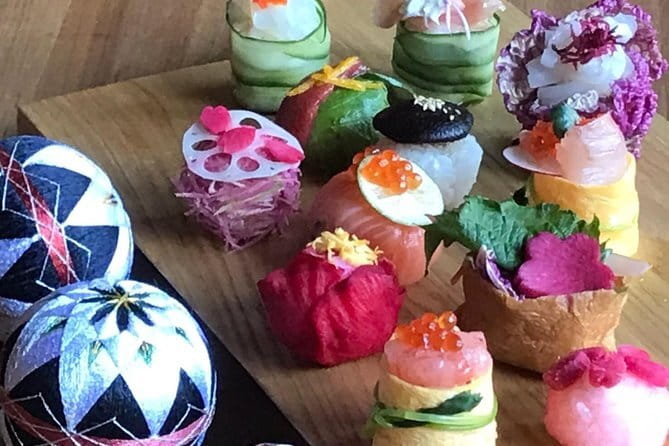
Traditional wagashi sweets accompany the tea. The sweets are made by a distinguished confectioner, and several comments praised both their quality and the matcha. The combination is important in Japanese tea culture: the sweetness prepares your palate for the earthy, slightly bitter tea.
The exact sweets can vary, but you should expect carefully made Japanese confectionery rather than an ordinary snack. The food is included in the price, which adds value to a short activity. One Japanese-language comment also describes receiving two kinds of tea and two kinds of wagashi, though the standard details specifically promise snacks rather than a fixed menu, so you should not book expecting a guaranteed number of varieties.
This tasting also gives the ceremony a more complete shape. You are not rushing through a cup of matcha and leaving. You pause, taste, observe, and learn how the sweet and tea work together.
Why the Small Group Matters
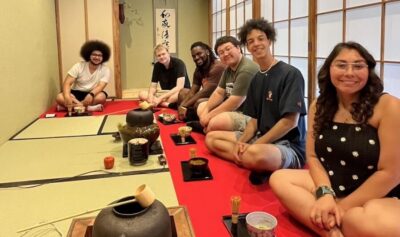
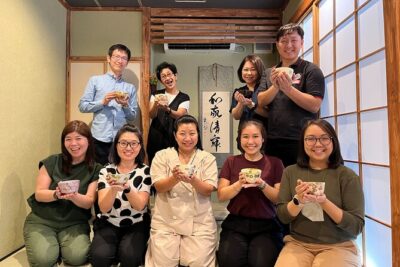
The maximum group size is four people. That is a real advantage for a lesson involving delicate utensils and unfamiliar movements. You can see the demonstration more easily, and you have a better chance of receiving direct correction when you make your own tea.
The intimate format also suits the subject. Tea ceremony depends on attention and quiet. A large group would make the experience feel more like a public show, while this size allows the room to retain a calm mood.
At the same time, this is a shared activity, not a fully private class. If you need extensive translation or want the instructor to focus only on your party, contact the provider about a private reservation. The shared format works best if you can follow the English explanation and respect the quiet atmosphere.
The minimum age is seven. That makes the activity suitable for older children who can sit or stand quietly and listen to instructions. It may not suit very young children who need to move around, since the ceremony aims to remain peaceful for all participants.
A few more tea experiences around Japan worth a look
- World Heritage Kyoto & Nara Uji Authentic Matcha Experience
★ 5.0 · 1,573 reviews - Osaka: Tea Ceremony Experience
★ 4.9 · 1,426 reviews - Kyoto: Table-Style Tea Ceremony at a Kyo-Machiya
★ 4.9 · 1,211 reviews - Kanazawa: Kenrokuen Tea Ceremony Experience
★ 4.8 · 1,139 reviews
Sitting on the Floor Is Not Required
A useful practical feature is the standing-style option. Traditional tea ceremonies often involve sitting on the floor, which can be uncomfortable for people with knee, hip, or mobility concerns. Here, you can choose a standing-style ceremony if floor sitting is difficult.
The available information does not promise full wheelchair accessibility or describe every physical arrangement, so you should contact Kenrokutei directly if you have specific access needs. Still, the standing choice removes one common barrier and makes the activity more welcoming to a wider range of visitors.
Wear something that lets you move your arms comfortably. You will be handling utensils and whisking tea, so restrictive sleeves or bulky clothing could be inconvenient. The experience details do not impose a dress code, but respectful, tidy clothing fits the setting.
Is the $39.40 Price Fair?
The listed price is $39.40 per person. That is not the cheapest way to drink matcha in Kanazawa, especially because Kenrokuen admission costs another 320 yen. You are paying for instruction, a historic setting, guided use of the utensils, your own attempt at making tea, and wagashi, not just for the beverage.
For a simple cup of matcha, the price would feel high. For a compact cultural lesson in one of Kanazawa’s signature gardens, the value is stronger. You get context that a café cannot provide, and you leave with an understanding of the ceremony’s order and etiquette.
The 50-minute duration is another point in its favor. It is long enough to explain the process and give you hands-on time, but short enough to fit beside sightseeing in Kenrokuen and nearby Kanazawa. Several comments described the timing as about right.
I would call it good value for someone who wants a focused cultural activity. It is less appealing if you only want to sample matcha cheaply or if your schedule is so tight that the extra garden admission and strict arrival time create stress.
Planning Your Visit Around the Ceremony
Because the activity takes place inside Kenrokuen, allow time for the garden entrance and the walk to Kenrokutei. The meeting point is listed as 1-20 Kenrokumachi, Kanazawa, Ishikawa 920-0936, Japan, and the activity ends there.
The site is near public transportation, but the supplied details do not specify a particular bus stop or walking time. Use the address and leave a buffer. A few extra minutes can protect you from a canceled booking, while a late arrival can cost the full activity fee.
The experience is commonly booked around 10 days ahead. That does not guarantee that every date sells out, but it is a good reason to reserve early if you have a fixed Kanazawa schedule. The group limit of four also means there are fewer places per session than on a large bus tour.
Free cancellation is available until 24 hours before the start time. Cancellations made less than 24 hours ahead are not refunded, and changes inside that window are not accepted. The late-arrival rule is separate and especially strict, so plan to be at the meeting point before the scheduled start.
Who Will Enjoy This Most?
I would recommend this ceremony to you if you want more than a photograph in Kenrokuen. It suits first-time visitors who are curious about Japanese customs but do not want a long lecture. The hands-on matcha preparation makes the culture easier to understand because you participate in it.
It is also a good choice for couples, small families with children aged seven or older, and anyone who prefers a quiet activity with a small group. The standing option helps if floor sitting is a problem, though you should ask about any additional access requirements.
You may want to skip it if you dislike structured activities, have less than an hour to spare, or are unwilling to pay a separate garden entrance fee. The ceremony follows a set order, and punctuality matters. This is not a casual drop-in tea tasting.
The experience may also feel too brief if you already know Japanese tea ceremony well. Its strength is introduction and participation, not advanced study.
Should You Book the Kenrokuen Tea Ceremony?
Book it if you want a clear, friendly introduction to tea ceremony in a meaningful historic setting. The strongest reasons are the small group, careful explanations, chance to whisk your own matcha, and wagashi served with it. The consistently high rating of 4.8 out of 5 and 96 percent recommendation fit those strengths.
Before reserving, add the 320-yen Kenrokuen admission to your budget, check that everyone is at least seven, and plan to arrive early. If you need translation help beyond the shared English guidance, arrange a private booking in advance.
For many visitors, this will be one of the more memorable ways to spend an hour in Kanazawa. It gives you a taste of tea ceremony without demanding half a day, while still offering enough explanation to make the ritual feel human rather than mysterious.
FAQ
Where does the tea ceremony take place?
It takes place at Kenrokutei inside Kenrokuen Garden in Kanazawa. The meeting address is 1-20 Kenrokumachi, Kanazawa, Ishikawa 920-0936, Japan.
How long does the experience last?
The tea ceremony lasts approximately 50 minutes.
Is admission to Kenrokuen included?
No. Kenrokuen admission is separate and costs 320 yen.
What is included in the price?
Snacks are included. The experience also includes the tea ceremony instruction and the opportunity to prepare your own tea.
Can I make my own matcha?
Yes. The tea master demonstrates the process, explains the utensils, and then lets you prepare and drink your own matcha.
Are wagashi sweets included?
Yes. Traditional wagashi sweets from a distinguished confectioner are served during the experience.
Can I take part if I cannot sit on the floor?
Yes. A standing-style tea ceremony is available for people who have difficulty sitting on the floor.
Is the experience offered in English?
English explanations and translation are available during the shared experience. If you need dedicated translation services, you should arrange a private reservation by email.
What is the minimum age?
Participants must be at least seven years old.
What happens if I arrive late?
You should arrive punctually. If you are more than 10 minutes late, your reservation may be canceled.
How many people can join?
The activity accepts a maximum of four participants.
Can I cancel for a refund?
You can cancel at least 24 hours before the start time for a full refund. Cancellations or changes made less than 24 hours before the experience are not accepted or refunded.
Just added around Japan
- Yokohama : Tea Ceremony with Sweets and Souvenir★ 5.0 · 5 reviews
- Walking Tour: Yanaka,Nezu& Sendagi: Tea Ceremony & Old Tokyo★ 5.0 · 3 reviews
- Visit local home for music and tea ceremony near Disney★ 4.9 · 13 reviews
- Trip to Kamakura & Enoshima: Shrines, Seaside, Temples &Tea★ 5.0 · 11 reviews
- Yokohama: Sushi & Gyoza Cooking with Matcha & GreenTea Experience★ 5.0 · 3 reviews
- Kyoto tea town for matcha lovers★ 5.0 · 16 reviews
- Uji: Private immersion into Kyoto’s tea and reglious culture★ 5.0 · 17 reviews
- Uji Tea Ceremony and UNESCO Heritage Walking Tour★ 5.0 · 20 reviews
Tea Ceremony Experiences, compared.
Tea Ceremony in a Traditional Tea House in Kiyomizu
Read our review →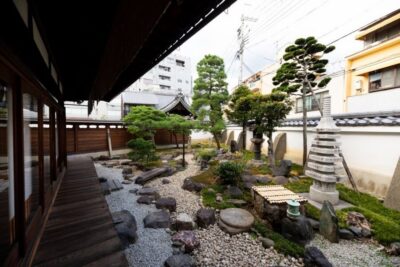
Browse the lists this tour appears in