
Review · ITALY
90minutes Tea Preparation and Tasting Experience in Como
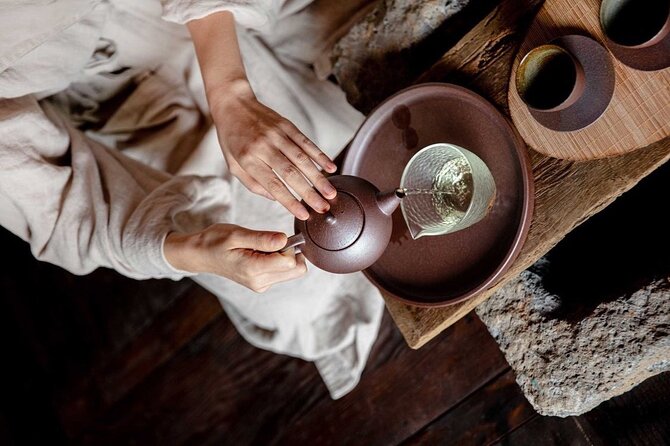
Tea can tell a story. This two-hour private experience in Como moves from ancient Chinese tea culture to hands-on tasting, with links to Buddhism, Daoism, and Confucian thought. I like the clear mix of learning and practice, and I like that you do not simply sip tea while listening to a lecture. You compare teas, water, temperatures, and food pairings, then try the traditional Gongfu cha ceremony yourself.
The tasting also includes three kinds of tea with sweets or tea dim sum, giving the session a pleasant food element. The main drawback is its narrow schedule: it runs Monday through Friday from 3 to 5 PM, and anyone sensitive to caffeine needs to notify the host ahead of time. The experience is also not recommended for people with anemia.
Key points at a glance
- Ancient culture in a short format: Learn how tea connects with Buddhism, Daoism, and Confucianism in China.
- Six tea families: Get a basic guide to the main tea categories and how tea has changed in modern times.
- Hands-on Gongfu cha: Watch a traditional tea ceremony, then practice the 2,000-year-old style yourself.
- Taste the variables: See how water quality and temperature can change the flavor in your cup.
- Tea with food: Finish with tea pairing ideas and a small tasting of tea dim sum and sweets.
- Private Como setting: Only your own group takes part, at a price of $34.70 per person.
A thoughtful tea lesson near central Como
This experience takes place at Viale per S. Fermo della Battaglia, 11, in Como. It lasts about two hours and ends at the same meeting point, so you do not need to arrange a second pickup location or find your way across town after the session.
The format is private, which matters here. Tea tasting works best when you can ask questions, watch the preparation closely, and take your time with unfamiliar flavors. A large group could make the ceremony feel like a demonstration from a distance. With only your own party taking part, you should have more room to practice and compare what you taste.
The meeting point is near public transportation. Still, the supplied details do not identify a particular bus stop, station, or walking time. I would check the exact route before leaving your hotel, especially if you are fitting this between a Como sightseeing stop and dinner.
The schedule is Monday through Friday, 3 to 5 PM, from March 25, 2025, through January 21, 2026. That afternoon timing can work well after a morning around Lake Como, but it gives you less flexibility on a short visit. If you arrive in Como on a weekend, this activity will not fit your schedule unless the operating hours change.
More Tea Tastings in the world:
- Twinings 2-Hour Tea Tasting Masterclass in London
★ 5.0 · 105 reviews - Tea Tasting and Pairing Concept Workshop
★ 5.0 · 57 reviews - Munnar: Tea trail, Tea Factory, and Tea Tasting Tour
★ 4.9 · 47 reviews
The first 10 minutes: tea, Buddhism, Daoism, and Confucian thought
The opening lesson places tea inside Chinese culture rather than treating it as a list of flavors. You learn how tea reflects three major Chinese philosophies: Buddhism, Daoism, and Confucianism.
That context gives the tasting more meaning. Tea is not presented only as a crop or a beverage. You are introduced to the ideas and customs that shaped how tea was prepared, served, and appreciated over time. The historical section lasts about 10 minutes, so it should provide useful context without taking over the whole appointment.
I like this balance. If you already know a little about Chinese tea, the subject may feel familiar, but the connection between tea practice and philosophy can give you a better lens for everything that follows. If you are new to the subject, the short introduction helps you understand why the preparation is deliberate rather than fussy for its own sake.
Do not expect a full academic history of tea. The session has a lot to cover in two hours, and this part is an introduction. Its value is in setting up the tasting and ceremony rather than offering every historical detail.
Six tea families and the modern story of tea
Next comes an overview of the six main tea families and the way tea has developed in modern times. This section also takes about 10 minutes.
For a casual tea drinker, this is one of the most practical parts of the session. You begin to see that tea is not one single flavor or style. Different processing methods create major differences in color, scent, strength, and finish. The six-family approach gives you a basic map, so you can better understand what is in your cup and what you may want to try later.
The modern tea discussion keeps the session from becoming a lesson frozen in the past. Tea has old customs, but it is also a current drink with changing habits and preparation styles. That combination should appeal to you if you enjoy cultural activities but do not want a presentation that feels disconnected from everyday life.
The details provided do not name every tea family or list every tea served. That is worth knowing if you are looking for a technical tasting with exact growing regions, harvest grades, or production data. This is better suited to someone who wants a clear introduction and a guided set of comparisons.
From tea leaf to finished drink

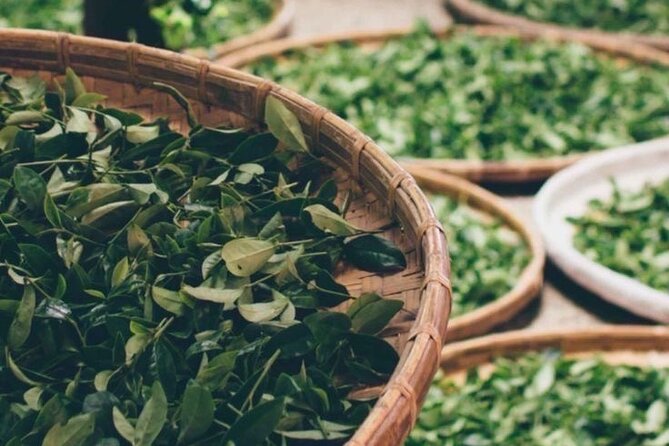
The host then explains tea-picking seasons and gives a brief introduction to the tea-making process. This connects the leaf in your cup with the work that happens before preparation.
The picking season matters because tea plants do not produce identical leaves all year. Timing affects the character of the finished tea, and the processing steps after picking help shape the final result. Even a short explanation can make you pay closer attention to the difference between teas rather than treating every cup as simply hot and caffeinated.
Because the tea-making section is described as brief, you should not book this expecting a farm visit or a full production workshop. You will learn the basic sequence, not watch leaves being picked or processed on-site. That limitation is reasonable for a Como tasting, but it helps set the right expectation.
I see this part as a bridge between the cultural introduction and the tasting itself. It explains why the teas can taste so different before you begin comparing them directly.
More Food and Drink Tours in the world:
- Jakarta: Volcano, Tea/Rice Fields, Hot Spring, Local Food
★ 4.9 · 515 reviews - Private Tea Ceremony and Sake Tasting in Kyoto Samurai House
★ 5.0 · 163 reviews - SF’s Chinatown: Tea & Dim Sum Food Tour – Includes full meal, 3hr
★ 5.0 · 153 reviews - Experience all of Japanese culture and Japanese food experience classes “origami, udon, Japanese food, green tea, calligraphy” in 4 hours
★ 5.0 · 105 reviews
Tasting tea by changing water and temperature
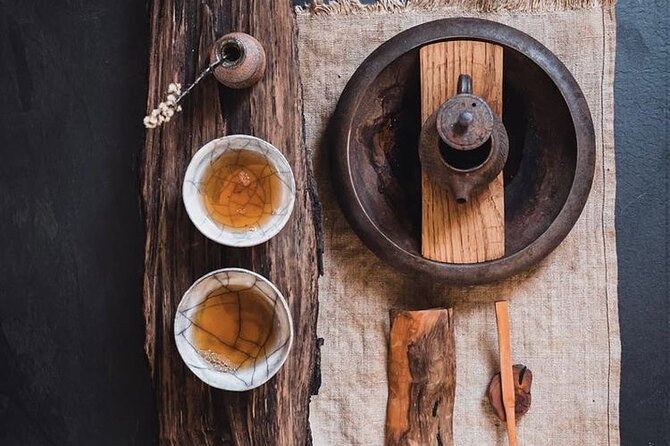
The most useful practical lesson comes when the host shows how water quality and temperature affect tea. This turns the session from a pleasant tasting into something you can use at home.
Water is not a neutral background. Its mineral content and general quality can change how the tea tastes. Temperature also matters. A hotter or cooler preparation can alter the strength, aroma, and balance of the drink. You get to notice these changes rather than simply being told about them.
This is particularly helpful if your tea at home sometimes tastes bitter, flat, or overly weak. The session may give you a better sense of why the same leaves can produce different results under different conditions. It also encourages you to taste carefully and compare one cup with another.
You will also discuss when tea is best enjoyed during the day. The supplied information does not give a fixed rule or a detailed wellness program, so I would treat this as general tea guidance rather than medical advice. If caffeine affects your sleep or makes you uncomfortable, tell the host before the experience begins.
The caffeine issue deserves attention. Tea can vary in strength, and the tasting includes several varieties. Anyone with caffeine sensitivity should inform the host in advance so the session can be handled appropriately.
Practicing the 2,000-year-old Gongfu cha ceremony
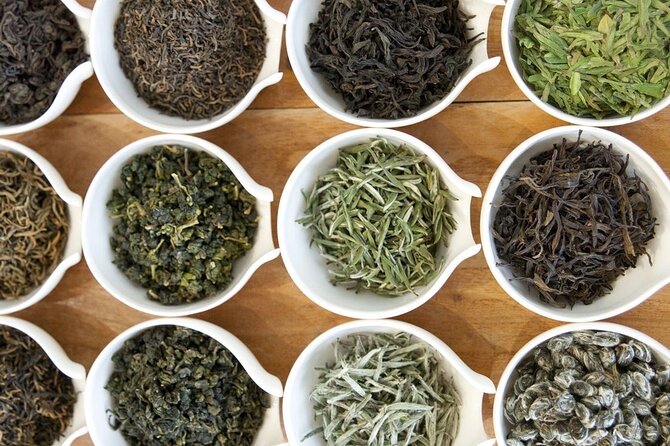
After a demonstration, you get to practice Gongfu cha, a traditional Chinese tea ceremony style described here as 2,000 years old. This is the point when the experience becomes hands-on.
The word Gongfu refers to care, skill, and attention in preparation. You are not simply handed a cup and asked to judge it. You watch the steps, then repeat the process yourself. The precise actions make you slow down and notice the tea, the equipment, the pouring, and the changing taste between servings.
The practice is a strong reason to choose this activity over a standard café tasting. You leave with a method to remember, not just a pleasant flavor memory. You may also find that the ceremony gives the afternoon a calm rhythm, particularly after a busy day of sightseeing around Lake Como.
The ceremony could feel too formal if you prefer a quick tasting with no instruction. It also requires attention and a willingness to follow the demonstration. That is part of the appeal, but it will not suit someone who wants a casual drink and a short explanation.
The description does not specify the exact equipment, number of brewing rounds, or tea used for the practice. I would expect a guided introduction rather than mastery of the entire tradition in one visit. Two hours is enough to learn the basic motions, not to become an expert.
Pairing tea with food and tasting tea dim sum
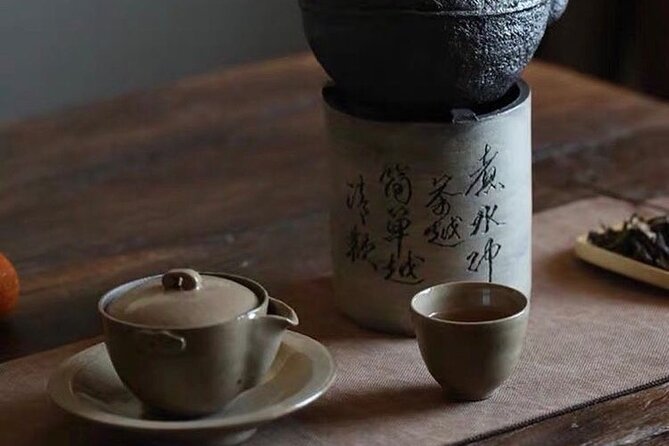
The final section looks at pairing different teas with food. You also taste tea dim sum and sweets before the experience ends.
This is a smart finish because food can change how you perceive tea. A tea that seems light on its own may work better with a sweet bite, while a stronger tea may balance a richer or more savory taste. The pairing section encourages you to think about tea as part of a meal rather than only as a drink between meals.
One tasting account describes three kinds of tea served with sweets that created new flavor combinations. That detail suggests the food portion is modest rather than a full lunch. You should arrive ready for a tasting, not expecting a large meal or a replacement for dinner.
The phrase tea dim sum may interest anyone curious about Chinese food traditions. The available details do not list the specific dishes or sweets, so the exact menu may vary. If you have allergies or dietary restrictions, ask the provider before booking since no dietary information is supplied.
The food pairing also helps keep the final part lively. After the history, processing explanation, and ceremony practice, tasting tea with small bites gives you another way to compare what you have learned.
What $34.70 per person gets you
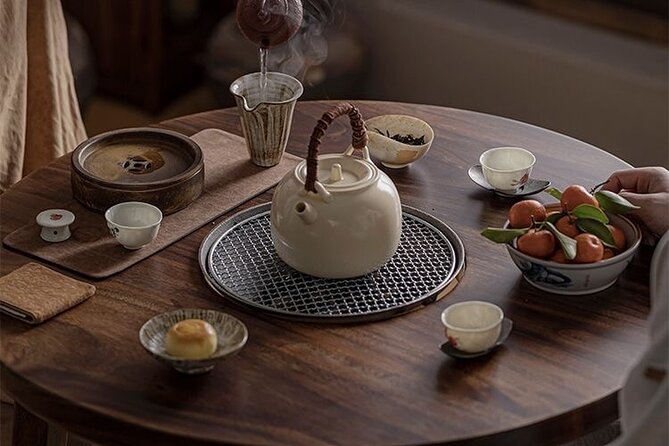
At $34.70 per person, this is a reasonably priced private cultural activity in Como. The value depends on how much you enjoy guided learning. You are paying for about two hours of instruction, several tea tastings, a ceremony demonstration, hands-on practice, and tea with sweets or dim sum.
That is good value if you want something more personal than a short café stop. The private format is especially important because the price is not simply for a seat in a large public presentation. Your group receives the session together, which should make questions and practice easier.
The value is less clear if you only want to sample a single tea or are mainly searching for a substantial meal. The food element is a tasting, and the experience is built around education and preparation. You will get more from it if you are curious about how tea is made and why preparation changes the result.
For a couple or small group, the price can fit well into a Como itinerary. It offers a break from the usual lake views, churches, and restaurants without requiring a full-day commitment. Since it ends where it starts, you can plan dinner afterward without arranging another transfer.
Who will enjoy this Como tea experience?
I would recommend it most strongly to adults who enjoy food culture, careful craft, and small-group activities. It should suit you if you like learning the story behind what you eat and drink, or if you want a quiet cultural experience away from the main sightseeing circuit.
Tea beginners are welcome in practice, since the format starts with basic context and moves toward tasting. You do not need to arrive with a trained palate. The host explains the main ideas before asking you to compare tea, water, temperature, and food.
People already interested in Chinese tea may also appreciate the session, though you should keep your expectations realistic. The available information points to an introduction rather than an advanced professional tasting. The six tea families, tea-making overview, and Gongfu cha practice should provide a useful refresher or a friendly starting point.
The experience accepts adults and children aged 14 or older when accompanied by a parent or another adult. It is not recommended for people with anemia, and anyone sensitive to caffeine should mention that before the session.
The weekday timing makes it a better fit for visitors with a flexible schedule. It is not ideal if your only free time is Saturday or Sunday. The private setup may also suit couples, families with older children, or friends who want to share a more relaxed activity together.
Practical details before you book
You receive confirmation at booking unless you reserve within two hours of the start time. Late bookings are confirmed as soon as possible, subject to availability, so do not assume a last-minute place is guaranteed.
The experience has a free-cancellation policy when you cancel at least 24 hours before the start time. Changes or cancellations inside that 24-hour window are not accepted for a refund. The cut-off uses local time in Como, so check the clock carefully if you are booking from another time zone.
The activity also requires good weather and a minimum number of participants. If poor weather causes cancellation, or if the minimum is not met, you will be offered another date or experience, or a full refund. The weather requirement is worth confirming with the provider because the session itself sounds largely indoor, yet the stated policy still applies.
Should you book the tea experience in Como?
Book it if you want a private, calm activity with real participation rather than a quick tasting. The best reasons are the practical lesson on water and temperature, the chance to practice Gongfu cha, and the thoughtful link between tea and Chinese philosophy.
Skip it if your Como schedule is limited to weekends, if caffeine is a serious problem, or if you want a full meal or an advanced tea course. For everyone else, $34.70 buys a well-shaped two-hour introduction with enough tasting and practice to make the subject stick.
FAQ
Where does the tea experience take place?
It starts and ends at Viale per S. Fermo della Battaglia, 11, 22100 Como CO, Italy.
How long does the experience last?
The activity lasts approximately two hours, scheduled from 3 to 5 PM.
What days is it available?
It is offered Monday through Friday between March 25, 2025, and January 21, 2026.
Is this a private activity?
Yes. Only your own group participates in the activity.
Can children join?
Adults and children aged 14 or older can participate. Anyone under 18 must be accompanied by a parent or another adult.
Is the experience suitable for people sensitive to caffeine?
People with caffeine sensitivity must inform the provider ahead of time. The activity is not recommended for people with anemia.
Can I cancel for a full refund?
Yes, if you cancel at least 24 hours before the experience start time. Cancellations or changes made less than 24 hours before the start are not eligible for a refund.
Just added around the world
- Yogyakarta: Prambanan Tour, Sukuh Temple & Tea Plantation★ 5.0 · 3 reviews
- Yokohama : Tea Ceremony with Sweets and Souvenir★ 5.0 · 5 reviews
- York: Private Horse-Drawn Carriage Ride and Afternoon Tea★ 5.0 · 3 reviews
- Wadi Rum: 2-Hour Jeep Tour with Bedouin Tea★ 5.0 · 11 reviews
- Walking Tour: Yanaka,Nezu& Sendagi: Tea Ceremony & Old Tokyo★ 5.0 · 3 reviews
- Washington, D.C.: Tea Around Town Bus Tour with Landmarks★ 3.4 · 7 reviews
- Visit local home for music and tea ceremony near Disney★ 4.9 · 13 reviews
- Volcano, Hot Spring, Mud Bath & Tea plantation all included★ 5.0 · 5 reviews
Tea Tastings, compared.
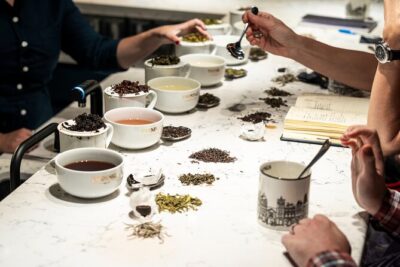
Twinings 2-Hour Tea Tasting Masterclass in London
Read our review →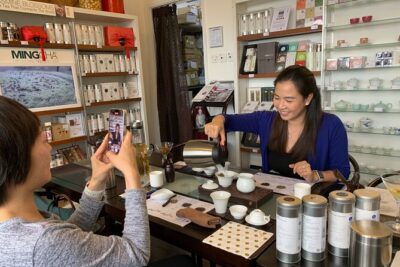

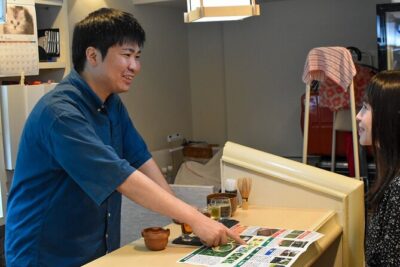
Matcha Experience with of Japanese Tea Tasting in Tokyo
Read our review →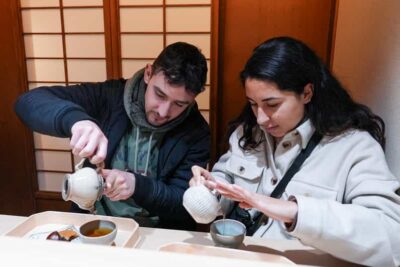
Montmartre Hill French Afternoon Tea Tasting Tour with Crepes and Macarons
Read our review →
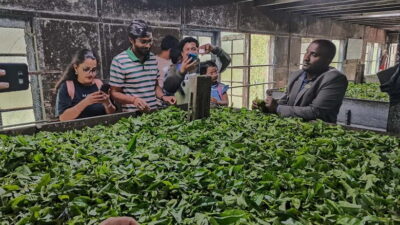
Munnar Tea Trail Tour , Tea factory visit & Tea Tasting
Read our review →Browse the lists this tour appears in