
Review · SHANGHAI
Shanghai: Chinese Tea Ceremony Experience
Tea tells a story without raising its voice. Shanghai’s Chinese Tea Ceremony Experience offers a calm, hands-on way to learn about Chinese tea, with blind tasting, traditional brewing, and Song Dynasty whisking led by a tea expert. I like the small group of no more than eight people, and I like that the session goes beyond simply drinking tea. The $143 price is high for three hours, so you should value cultural explanation and personal guidance before booking.
The program also includes snacks, photo-friendly dress-up is available as an optional extra, and instruction is offered in English or Chinese. The main drawback is practical: transportation is not included, the exact meeting point arrives only after booking, and the experience is not suitable for wheelchair users or people with food allergies.
Key Points at a Glance
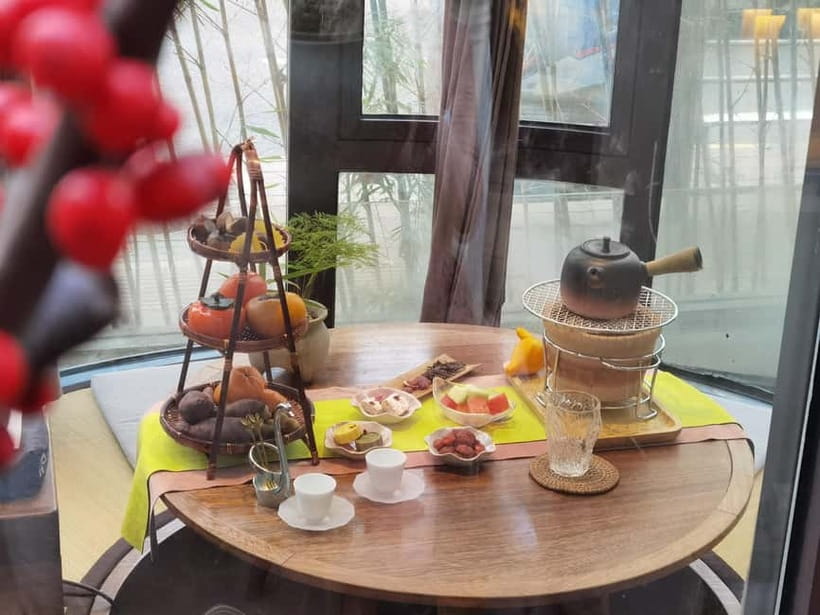
- Three tea categories in one sitting: Taste and compare China’s three major tea classes, paying attention to aroma, flavor, and texture.
- Blind tasting adds a useful twist: Without relying on labels, you can focus on what you actually smell and taste.
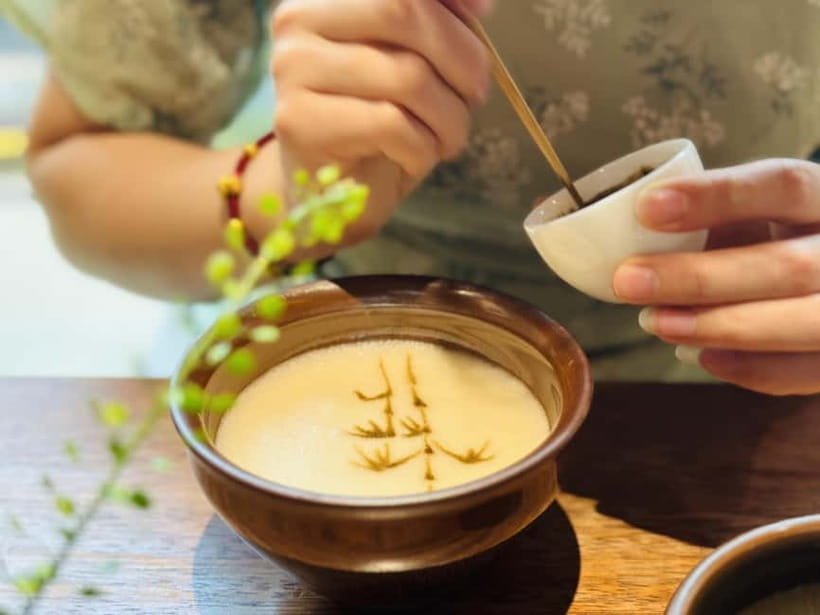
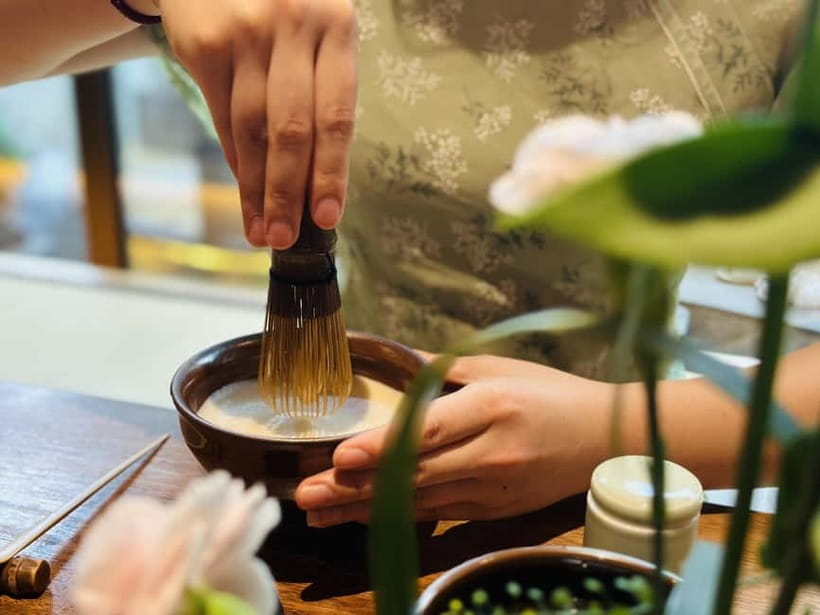
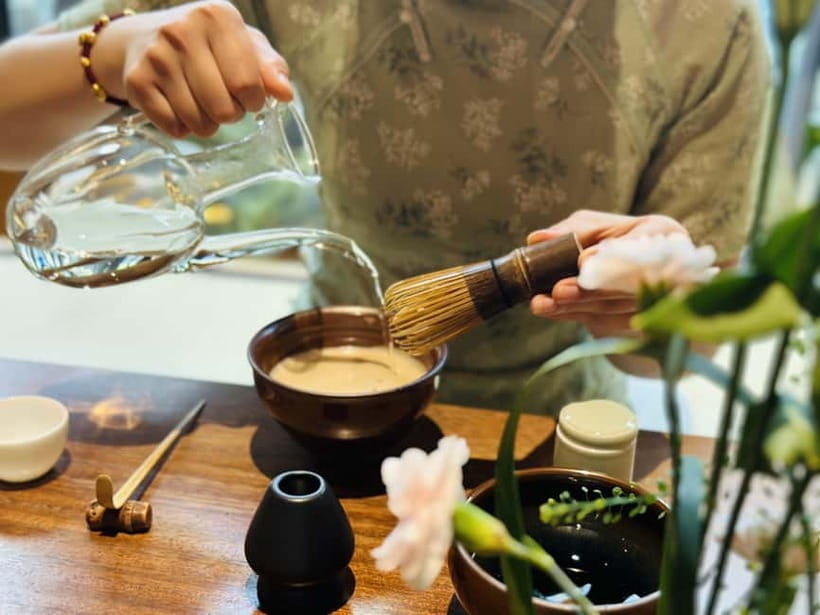
- Song Dynasty whisking is hands-on: Learn a historic tea preparation method rather than watching a ceremony from the sidelines.
- Small group of eight or fewer: The format gives you a better chance to ask questions and receive help with brewing techniques.
- Snacks and optional dress-up: Traditional snacks are included, and a photo-focused dress-up option adds a playful touch.
- Three hours with flexible booking: You can reserve now and pay later, with free cancellation up to 24 hours before the activity.
Why This Shanghai Tea Experience Is Different
Shanghai offers plenty of quick cultural stops, but tea rewards a slower pace. This three-hour session gives you time to notice small differences that are easy to miss during a short tasting. A tea may smell floral, feel light on the tongue, or leave a dry finish. The point is not simply to decide which cup you like best. You learn how to pay attention.
The experience is built around three parts: a guided introduction to Chinese tea culture, a tasting of three broad tea categories, and a practical lesson in Song Dynasty tea whisking and brewing. That mix gives the afternoon some shape. You are not sitting through a long lecture, but you are also not being rushed from one sample to the next.
I especially like the blind tasting. When you do not know what is in the cup, you tend to describe the tea in plain terms. Is it soft or sharp? Does the aroma arrive before the flavor? Does the taste linger? Those simple questions make the tasting more interesting, even if you know little about tea.
More Chinese Tea Ceremonies in China
- One-Day Hangzhou Dragon Well Tea Culture & West Lake Private Tour
★ 5.0 · 98 reviews - Traditional Chinese Tea Ceremony Experience
★ 4.7 · 74 reviews - Authentic Hangzhou Longjing Tea Culture Experience Tour
★ 5.0 · 32 reviews
A Graceful Welcome to Chinese Tea Culture
The session begins with a welcome based on traditional Chinese hospitality. Exact details of the setting and welcome ritual are not specified, so you should expect an introduction rather than a full historical reenactment. The tea expert guide explains the role of tea in Chinese culture and sets out the ideas behind the ceremony.
This opening matters because tea preparation can otherwise feel like a series of mysterious hand movements. A careful pour, a pause, or a particular way of holding a cup has more meaning when someone explains the reason behind it. You get enough context to understand what you are seeing without needing a background in Chinese history.
The guide speaks English or Chinese, which makes this suitable for international visitors. In a group limited to eight, you should have a fair chance to ask questions. That small size is one of the strongest reasons to choose this over a large commercial demonstration.
Do not expect a museum tour or a broad survey of every tea-growing region in China. The emphasis is on the ceremony, the tasting, and the act of brewing. If you want a focused cultural activity that leaves room for conversation, this format makes sense.
Blind Tasting: Let Your Senses Lead
The blind tasting is likely the most accessible part of the experience. You receive an assortment of Chinese teas and taste them without depending entirely on names or reputation. That makes the exercise less intimidating for beginners.
You can focus on three basic features:
- Aroma, including the first scent rising from the cup
- Flavor, including sweetness, bitterness, or other noticeable notes
- Texture, including lightness, smoothness, or a dry feeling
You do not need a trained palate to enjoy this. The tea expert can guide you through the comparisons, helping you put words to what you notice. If one tea seems more fragrant and another feels fuller, that difference is already useful information.
The blind format also helps seasoned tea drinkers. It removes some expectations and gives you a clean comparison. A famous tea does not automatically become your favorite, and a less familiar cup may surprise you.
Snacks are included, which gives the tasting a pleasant break and adds another sensory element. Still, food restrictions need attention. The activity specifically advises you to report allergies or dietary restrictions before arrival, and it is listed as unsuitable for people with food allergies. If you have a serious allergy, you should treat that warning seriously rather than relying on the included snacks.
Avoid strong perfume on the day. Fragrance can interfere with the aromas you are trying to detect, and it can affect the experience for everyone sharing the table. Comfortable clothing and shoes are also sensible, especially since walking may be involved.
Three Chinese Tea Classes, Three Ways to Taste
The experience introduces China’s three major tea categories. The supplied details do not name each category, so you should not expect a fixed list of specific teas in advance. What you can expect is a guided comparison of the aroma, flavor, and texture found in each group.
This is useful because tea categories are not just labels. They help you understand why cups can look, smell, and taste so different. The tea expert can point out distinctions as you drink, giving you a way to compare rather than simply consume.
I would approach this part with an open mind. You may find that the tea you expected to prefer is not your favorite. You might also notice that your opinion changes as the tea cools or after you taste it beside another category.
The session is not designed as a shopping trip, and no personal tea purchases are included in the listed program. That is a positive point if you want a cultural lesson without sales pressure. If you hoped to leave with a carefully selected tea collection, you should ask the provider about that separately rather than assume it is part of the price.
More Tea Ceremonies in China
- Beijing Culture: Tea Ceremony, Heritage Instrument & Calligraphy
★ 5.0 · 57 reviews - Chinese Tea ceremony in Beijing Hutong courtyard
★ 4.7 · 26 reviews - Beijing Culture Event: Tradition Music, Tea Ceremony, Calligraphy
★ 5.0 · 11 reviews - Shanghai: Song Dynasty Tea Ceremony Experience
★ 5.0 · 10 reviews
Trying Song Dynasty Tea Whisking
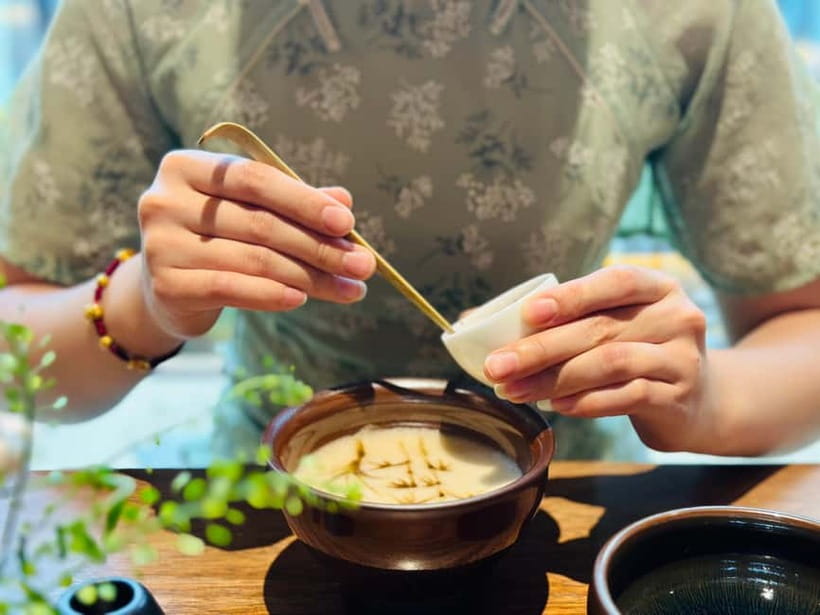
The hands-on Song Dynasty tea whisking lesson gives the experience its strongest historical character. Instead of only watching the tea master, you learn a brewing method connected with an earlier period of Chinese culture.
The details do not specify every tool or step, so the exact process may depend on the session. The important point is that you take part in whisking and brewing. That changes the mood from passive observation to practical learning.
This kind of activity is valuable even if your whisking technique is not perfect. You feel the difference between following a method and simply pouring hot water into a cup. The guide can correct your movement, explain the purpose of the steps, and show how preparation affects the final drink.
The lesson also gives you a better sense of how tea ceremonies developed over time. You are not just tasting a beverage. You are handling a traditional practice that carries ideas about patience, precision, hospitality, and attention.
Small groups help here. With eight participants or fewer, the tea master can give more direct help than would be possible in a crowded demonstration. If you want to ask why one motion matters or how the whisking should feel, you are less likely to be lost in the room.
Snacks, Photos, and the Human Touch
The included snacks keep the three-hour program from feeling too austere. They also fit the social side of tea drinking, where conversation and food can be part of hospitality. The exact snacks are not listed, so do not book this expecting a particular menu.
An optional dress-up opportunity adds a lighter note. You can use it for photos if you like the idea of marking the occasion with something more visual. It is not essential to the tea lesson, but it may appeal to couples, friends, and anyone who enjoys cultural portraits.
This option is best treated as an extra bit of fun, not proof that the entire session is a costume performance. The core activity remains the tea education, tasting, and brewing practice.
Is $143 a Fair Price?
At $143 per person, this is not a bargain tea stop. The value depends on what you want from the three hours.
You are paying for a tea expert guide, several Chinese teas, a blind tasting, an introduction to three tea categories, a hands-on Song Dynasty brewing lesson, snacks, and a small group capped at eight. You are also paying for time. A shorter tea tasting might cost less, but it would not offer the same room for questions or practice.
I think the price makes more sense for someone who wants a planned cultural activity with personal instruction. It is harder to justify if you only want to drink tea and take a few photographs. Shanghai has many ways to spend an afternoon, and this one asks you to slow down and pay attention.
The excellent feedback attached to the experience supports the strongest parts of the design: the tea master, the personal attention, the variety of teas, the Song Dynasty whisking, and the relaxed three-hour pace. The optional dress-up was also a hit with one participant, but it should not be the reason you book.
Reserve now and pay later if you are still arranging your Shanghai schedule. You can cancel for a full refund up to 24 hours before the activity, which gives you some room if your plans change. The exact start times depend on availability.
Meeting Point and What to Bring
Transportation to and from the activity is not included. The exact meeting point is supplied after booking and will be near the marked location, so leave time to confirm the final directions. Do not assume the marked map point is the precise door.
Wear comfortable clothes and shoes suitable for walking. Bring a camera if you want photos, especially if you choose the optional dress-up. Snacks are listed among the recommended items, although snacks are also included in the activity, so bringing something extra is best viewed as a personal comfort choice.
Skip strong perfume. Tea aromas are central to the session, and heavy fragrance can make the tasting harder for you and the people around you. Smoking is not allowed, and alcoholic drinks are not allowed in the vehicle.
The activity is not suitable for wheelchair users. It is also listed as unsuitable for people with food allergies, despite the advice to report dietary restrictions before the session. Anyone with a serious allergy should contact the provider before paying and confirm if the activity can safely accommodate them.
Who Will Enjoy This Most?
I would recommend this experience to first-time visitors who want a cultural activity with real participation. You do not need to know much about tea. The guide provides the structure, and the blind tasting gives beginners an easy way to join the conversation.
It also suits tea drinkers who want a more organized comparison of Chinese teas. The three categories and sensory focus can help you refine your own preferences without turning the afternoon into a technical course.
Couples and friends may enjoy the quiet pace, snacks, and optional photos. Solo visitors can also fit comfortably into the small group, particularly if they like asking questions and meeting people through a shared activity.
This is less suitable if your schedule is packed, your budget is tight, or you want a fast attraction between major sightseeing stops. Three hours is a real commitment. The session works best when you allow the tea to set the pace instead of trying to squeeze it into a rushed morning.
Should You Book the Shanghai Tea Ceremony?
Book it if you want more than a tasting. The best reasons are the small group, direct guidance, blind comparison of three tea categories, and the chance to try Song Dynasty whisking yourself. Those details give the experience substance.
Skip it if $143 feels too steep for an afternoon activity, if you need wheelchair access, or if food allergies make the included snacks a concern. Also remember to arrange your own transportation and wait for the confirmed meeting point after booking.
For the right person, this is a thoughtful way to spend three hours in Shanghai. You leave with more than a favorite cup. You gain a better sense of how aroma, technique, hospitality, and patience shape Chinese tea culture.
FAQ
How long does the Chinese tea ceremony experience last?
The experience lasts three hours.
How much does the experience cost?
The listed price is $143 per person.
What languages does the tea expert speak?
Instruction is offered in English and Chinese.
How many people are in the group?
The group is limited to eight participants.
Are transportation services included?
No. Transportation to and from the activity is not included.
What teas will I taste?
You will taste an assortment of Chinese teas and explore China’s three major tea categories. Specific tea names are not provided in advance.
Is Song Dynasty tea whisking included?
Yes. The experience includes instruction in Song Dynasty tea whisking and brewing.
Can I cancel the booking?
Yes. You can cancel up to 24 hours in advance for a full refund. You can also reserve now and pay later.
Just added around China
- Full-day Tour: Spectacular Sunrise, Tea Plantation & Sunset★ 5.0 · 3 reviews
- Chinese Tea Ceremony Experience★ 5.0 · 3 reviews
- Unlock Chinese Tea: Culture, Science, Tasting & Hands-on Brewing★ 5.0 · 12 reviews
- Shanghai Mahjong Experience in Local Tea Bar★ 5.0 · 4 reviews
- Private Tour Hangzhou West Lake and Tea Fields Discovery★ 5.0 · 3 reviews
- Half-Day Hangzhou Jiuxi Stream and Tea Plantation Experience★ 5.0 · 2 reviews
- Hangzhou West Lake and Tea Plantation Half Day Tour★ 5.0 · 4 reviews
- Private Hangzhou Day Tour to West Lake, Lingyin Temple, Tea Village, Old Pagoda★ 5.0 · 17 reviews
Tea Ceremonies in China, compared.
Beijing Culture: Tea Ceremony, Heritage Instrument & Calligraphy
Read our review →
Chinese Tea ceremony in Beijing Hutong courtyard
Read our review →
Beijing Culture Event: Tradition Music, Tea Ceremony, Calligraphy
Read our review →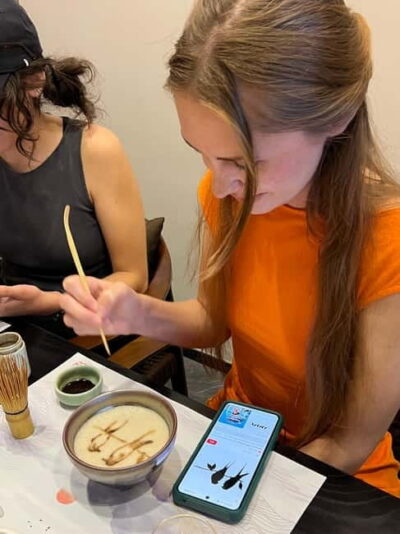
Browse the lists this tour appears in