
Review · HONG KONG
Tea Tasting & Brewing Experience
Tea can tell you where it came from. This 90-minute Hong Kong session turns a familiar drink into a hands-on lesson in aroma, flavor, tea making, and Chinese tea culture. I like the small group of no more than six and the chance to brew tea yourself with a gaiwan, rather than simply watching someone pour it. I also like that the session includes several premium teas and snacks, giving you a practical way to compare what you taste.
The main consideration is the price, about $55.11 per person, for an hour and a half. That is fair for a focused class with a professional tea taster, but it will feel high if you only want a quick cup of tea. The experience also depends on good weather and a minimum group size, so keep the cancellation terms in mind when planning your day.
Key Points at a Glance
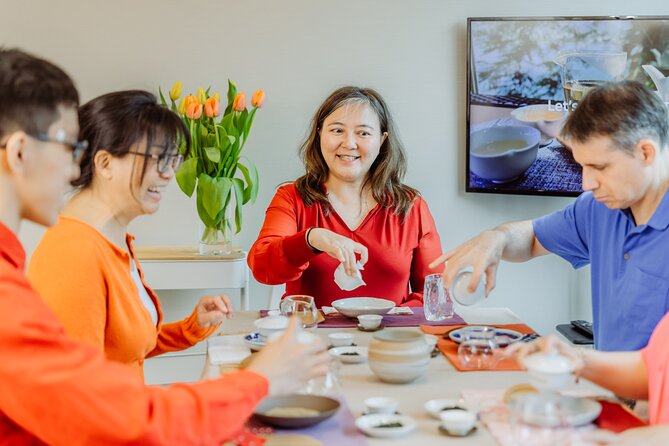
- A six-person maximum keeps the session personal, with room to ask questions and handle the brewing equipment.
- You taste six broad tea categories, learning how processing changes color, aroma, body, and flavor.
- The gaiwan lesson is the practical highlight, letting you adjust the key brewing elements yourself.
- Tea taster Cecilia brings energy and warmth, making the class feel social rather than formal.
- Seasonal premium teas and snacks are included, so you can compare flavors without paying extra for tastings.
- The session begins and ends at 382 Lockhart Road in Wan Chai, making it easy to fit into a Hong Kong day.
Why This Wan Chai Tea Session Is Worth Your Time
Hong Kong is famous for dim sum, roast goose, milk tea, and busy shopping streets. Tea can seem like a side note beside all that food. This experience gives tea its own place and shows you why a simple-looking drink can have so many different aromas, textures, and brewing styles.
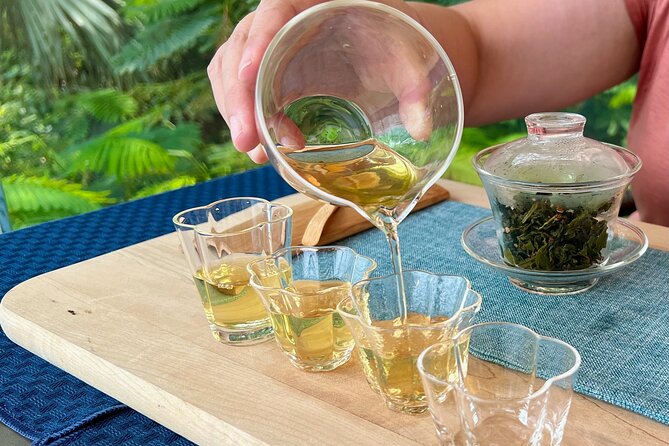
I like the way the session combines explanation with action. You are not just told that green tea differs from black tea. You taste the difference, smell the leaves, watch how they change in hot water, and then make tea yourself.
That matters because tea appreciation can become abstract very quickly. Terms such as floral, roasted, grassy, sweet, dry, or smoky only become useful after you compare several cups side by side. The tasting format gives those words a clear purpose.
The group limit of six is another strong point. A larger class could make the gaiwan practice awkward, especially if everyone needs a chance to ask questions or adjust the brewing process. With a small group, you should have a better chance to speak directly with the tea taster and follow the lesson at a comfortable pace.
More Tea Tastings in China
- Tea Tasting and Pairing Concept Workshop
★ 5.0 · 57 reviews - Biking Real Shanghai& Tea Tasting Experience
★ 4.5 · 45 reviews - Shanghai 3-Hour Afternoon Tea Tasting and Dessert Tour
★ 4.9 · 15 reviews
Meeting the Tea Taster at 382 Lockhart Road
The activity starts at 382 Lockhart Road in Wan Chai and returns to the same meeting point. Since the location is near public transportation, you can reach it without arranging a private transfer or building a complicated route around it.
I would allow a little extra time to find the exact address. Lockhart Road is an active part of Wan Chai, and being nearby is not the same as being at the correct doorway. A mobile ticket makes it convenient to keep your booking details on your phone.
The return to the starting point is useful if you are planning the rest of your day. You will not need to work out a separate ending location, and you can continue exploring Wan Chai after the tea session.
The location also gives the experience a useful sense of place. This is not a countryside plantation visit or a long excursion outside the city. It is a compact urban lesson that fits into a Hong Kong itinerary between meals, shopping, museums, or neighborhood walks.
Beginning With Tea Facts and Myths
The session opens by sorting out facts and myths about tea. This is a smart starting point because tea carries plenty of assumptions. People often group teas by color, strength, or personal habit, yet the differences are tied closely to how the leaves are processed.
You will learn about six categories of tea and what makes each one distinct. The supplied details do not name every category or prescribe a fixed tasting order, so you should expect the tea taster to explain the categories through the samples selected for that session.
That seasonal approach is useful. Tea changes from one selection to another, and a tasting built around available premium teas can show you more than a rigid list of standard examples. The tradeoff is that the exact teas may not be identical at every booking.
This part should appeal to both beginners and experienced tea drinkers. If you know little about tea, you get a basic map of the subject. If you already drink tea regularly, you can refine the way you describe what is in your cup.
Comparing Aroma, Taste, and Texture
The heart of the session is sensory comparison. You will smell and taste several teas, then learn how professional tea tasters assess them. That does not mean you need a trained palate or a special vocabulary before arriving.
Instead, you will be guided toward noticing differences. One tea might seem light and floral, another roasted and full, and another more grassy or brisk. The point is not to guess the correct answer like a test. The point is to pay attention and explain what you notice.
I especially like this part for people who usually drink tea quickly. Slowing down changes the experience. The aroma before tasting, the feel in your mouth, the aftertaste, and the way the flavor shifts as the tea cools all become part of the lesson.
The professional tasting angle gives the session more depth than a casual sampling. You will get a glimpse of the standards used to evaluate tea, including the elements that affect quality and balance. The information provided does not promise a formal qualification, so treat this as an accessible introduction rather than professional training.
Snacks are served alongside the tea. They give you something to eat between samples and may help you notice how food changes the taste of a drink. The snacks are complimentary, but this is still a tea lesson rather than a full meal, so plan lunch or dinner separately.
Same place, a different pot:
- One-Day Hangzhou Dragon Well Tea Culture & West Lake Private Tour
★ 5.0 · 98 reviews - Traditional Chinese Tea Ceremony Experience
★ 4.7 · 74 reviews - Beijing Culture: Tea Ceremony, Heritage Instrument & Calligraphy
★ 5.0 · 57 reviews - Authentic Hangzhou Longjing Tea Culture Experience Tour
★ 5.0 · 32 reviews
Brewing With a Gaiwan
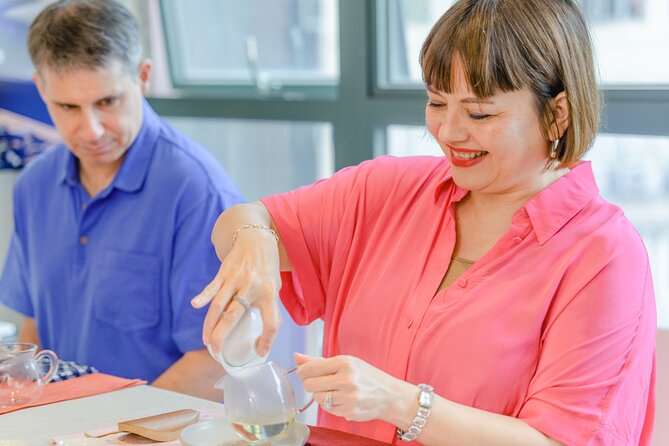
The hands-on gaiwan lesson is likely to be the most memorable part. A gaiwan is a small lidded vessel used to brew and pour tea, and it gives you direct control over the process.
You will experiment with the crucial elements that shape a cup. The supplied description does not list exact temperatures, steeping times, or leaf quantities, so the tea taster will determine the practical instructions for the teas being served.
That flexibility is important. Different teas respond differently to heat, timing, and the amount of leaf used. A cup that tastes balanced with one tea may taste harsh or thin with another. By changing the brewing approach, you can see that a disappointing cup is not always the fault of the leaves.
The gaiwan also asks for a little care. You need to handle hot water and a small vessel without rushing. The lesson should make the process easier, but you may still feel a bit awkward at first. That is part of the value. After one guided attempt, the equipment feels less mysterious.
I like that you leave with a skill you can use later. You may not reproduce every professional tasting at home, but you will have a better understanding of how to make adjustments instead of accepting the first result.
Premium Seasonal Teas and Complimentary Snacks
The tea selection is described as premium and seasonal. That suggests the session focuses on quality and variety rather than serving one everyday tea in several cups.
You should expect the exact lineup to vary. No fixed menu is provided, and the teas are selected for the season. This is a benefit if you enjoy discovering something new, but it may disappoint you if you arrive expecting one specific famous tea.
The tasting format also helps you judge value. At $55.11, you are paying for instruction, access to several teas, brewing practice, snacks, and a small-group setting. If you only calculate the cost of the drinks, the price looks steep. If you value a guided lesson and the chance to handle a gaiwan, the fee is easier to justify.
I would book this for someone who wants to understand tea, not simply consume it. A person already planning to buy several high-grade teas may find the session especially useful because the tasting language can help with future purchases.
Cecilia’s Friendly Teaching Style
Cecilia is named in the feedback as a friendly, passionate guide who made the session fun and informative. That combination matters. Tea classes can become dry if they focus too heavily on terminology, or vague if the host talks about culture without giving you practical instruction.
The strongest praise centers on how engaged people felt during the session. The class was described as such a good learning experience that the 90 minutes seemed to pass quickly. That is a useful sign for anyone worried that a tea lecture might feel slow.
I would expect Cecilia to encourage questions and make the subject approachable. Her enthusiasm appears to be a major part of the experience, not a minor extra. Still, teaching style can vary from one session to another, and the published information does not promise that Cecilia personally leads every date.
The maximum of six supports this kind of instruction. A small class allows the guide to watch how you use the gaiwan and respond to your reactions to the teas. It also makes conversation easier, which is important when the experience is built around taste and personal impressions.
How the 90 Minutes Are Likely to Flow
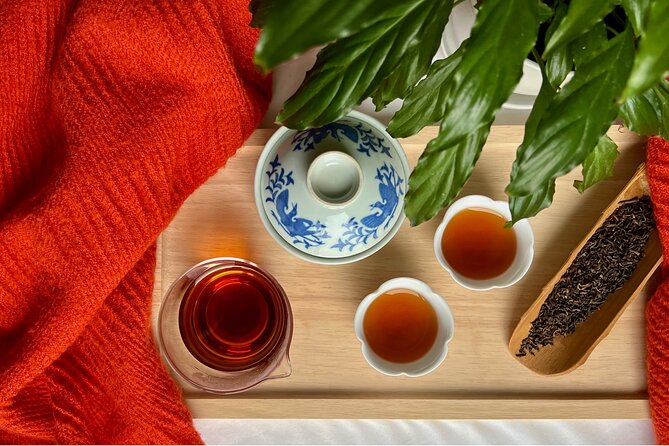
The experience lasts approximately one hour and 30 minutes. The exact division of time is not specified, but the activities suggest a clear progression:
- An introduction to tea culture, facts, myths, and the six categories
- Guided tasting focused on aroma, flavor, and professional evaluation
- A lesson on the elements that shape a good cup
- Hands-on gaiwan brewing
- Seasonal tea tasting with complimentary snacks
This order makes sense. You learn a basic framework before tasting, taste before brewing, and then use what you learned when preparing your own cup.
Do not expect a long cultural tour of Hong Kong or a visit to multiple tea shops. The experience stays in one place and focuses closely on tea. That is an advantage if you want substance in a short period, but a limitation if you are looking for a wider neighborhood experience.
The session may also feel more like a workshop than entertainment. You will need to pay attention, smell, taste, and take part. If you want a completely passive activity, this may not be your best choice. If you enjoy learning through your hands and senses, the format should suit you well.
Who Will Get the Most From It
This is a good fit for:
- First-time tea drinkers who want a clear introduction
- Tea lovers who want better tasting vocabulary
- Visitors curious about Chinese tea culture
- Couples, friends, or solo participants comfortable in a small class
- People who want a short indoor activity in Wan Chai
- Anyone considering buying better tea and wanting to taste before shopping
Families with very young children may find the format less suitable if the children cannot stay focused around hot water and a structured lesson. The supplied information does not give a minimum age, so check the booking details if age is important to your plans.
The activity also suits repeat visitors to Hong Kong. You do not need another major sightseeing stop to enjoy it. A focused local experience can add variety to an itinerary already filled with temples, markets, viewpoints, and food stops.
Price, Timing, and Cancellation
At $55.11 per person, this is not a bargain cup of tea. It is a paid educational experience with premium seasonal samples, snacks, expert guidance, and personal brewing practice.
I think the price is reasonable if you would otherwise spend money on tea tastings or want a structured introduction. It is less attractive if you are only curious about trying one or two teas. The 100 percent recommendation rate and five-star overall rating from 10 reviews suggest a very positive response, though the sample is small.
Bookings are made about 11 days ahead on average, so this is not usually a last-minute activity. If it fits your schedule, booking earlier is sensible, especially because the group is limited to six people.
You can cancel for a full refund up to 24 hours before the local start time. Changes or cancellations inside that window are not refunded. The session may also be canceled because of poor weather or because the minimum number of participants is not reached, in which case you can receive another date or a full refund.
Practical Tips for a Better Session
Arrive with your phone ready to show the mobile ticket. The meeting point is in Wan Chai, near public transportation, but allow time to locate 382 Lockhart Road rather than arriving at the last minute.
Avoid scheduling a large meal immediately before the tasting. You want to notice aroma and flavor, and the complimentary snacks are part of the session. You can always eat a fuller meal afterward in Wan Chai.
Come ready to describe what you taste, even if you do not know technical tea terms. There is no need to perform as an expert. Simple observations such as light, sweet, dry, roasted, floral, or strong are enough to start a useful conversation.
If you enjoy the gaiwan lesson, ask questions about the brewing choices made during the session. The class is short, so a thoughtful question can help you connect the general explanation to the tea in front of you.
Should You Book the Tea Tasting and Brewing Experience?
I would book it if you want a focused, friendly introduction to tea and prefer doing something practical over watching another city attraction. The small group, the gaiwan practice, the seasonal premium teas, and Cecilia’s warm teaching style give the session real value.
I would skip it if your main goal is a full meal, a broad Hong Kong food tour, or a cheap drink. The price reflects instruction and tasting rather than quantity, and the 90-minute session stays tightly centered on tea.
For most curious tea drinkers, this is a smart way to spend part of a Hong Kong afternoon. You leave with more than a pleasant cup. You gain a better eye for tea quality, a clearer sense of the six categories, and enough brewing practice to make your next cup at home with more care.
FAQ
Where does the tea experience start?
It starts at 382 Lockhart Road in Wan Chai, Hong Kong.
Where does the activity finish?
The activity ends back at the meeting point.
How long does the experience last?
It lasts approximately one hour and 30 minutes.
How many people can join?
The activity has a maximum of six participants.
What will I learn during the session?
You will learn about tea facts and myths, the six tea categories, tea aromas and flavors, professional tasting methods, and the key elements involved in brewing a good cup.
Will I brew tea myself?
Yes. You will get hands-on experience brewing tea with a gaiwan.
Is cancellation free?
Yes. You can cancel up to 24 hours before the local start time for a full refund. Cancellations or changes made less than 24 hours before the start time are not refunded.
More Food and Drink Tours in China
- Private Shanghai City and Zhujiajiao Combo Tour with Boating, Tea Tasting, Lunch
★ 5.0 · 15 reviews - 3-hour Morning/Afternoon Tea Tasting on Maliandao Street & Dimsum
★ 5.0 · 7 reviews - Puer Tea Picking and Tasting | 6 Hour Morning Trip
★ 5.0 · 7 reviews - Xi’an Noodle Making and Tea Tasting Experience
★ 5.0 · 6 reviews
More Breweries in China
- Unlock Chinese Tea: Culture, Science, Tasting & Hands-on Brewing
★ 5.0 · 12 reviews - Istanbul: World Teas & Turkish Tea Brewing, Tasting Workshop
★ 4.8 · 29 reviews - World Teas and Turkish Tea Brewing & Tasting Workshop in Istanbul
★ 5.0 · 5 reviews
Just added around China
- Full-day Tour: Spectacular Sunrise, Tea Plantation & Sunset★ 5.0 · 3 reviews
- Unlock Chinese Tea: Culture, Science, Tasting & Hands-on Brewing★ 5.0 · 12 reviews
- Shanghai Mahjong Experience in Local Tea Bar★ 5.0 · 4 reviews
- Chinese Tea Ceremony Experience★ 5.0 · 3 reviews
- Private Tour Hangzhou West Lake and Tea Fields Discovery★ 5.0 · 3 reviews
- Half-Day Hangzhou Jiuxi Stream and Tea Plantation Experience★ 5.0 · 2 reviews
- Hangzhou West Lake and Tea Plantation Half Day Tour★ 5.0 · 4 reviews
- Private Hangzhou Day Tour to West Lake, Lingyin Temple, Tea Village, Old Pagoda★ 5.0 · 17 reviews
Tea Tastings in China, compared.
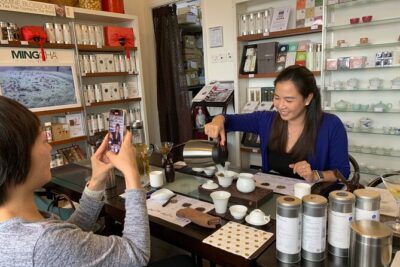

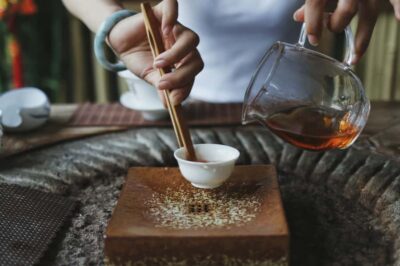
Shanghai 3-Hour Afternoon Tea Tasting and Dessert Tour
Read our review →Private Shanghai City and Zhujiajiao Combo Tour with Boating, Tea Tasting, Lunch
Read our review →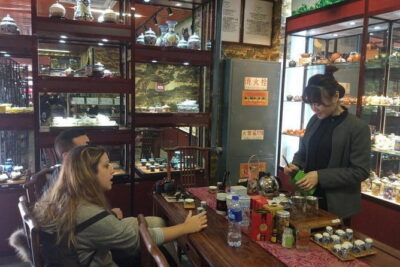
3-hour Morning/Afternoon Tea Tasting on Maliandao Street & Dimsum
Read our review →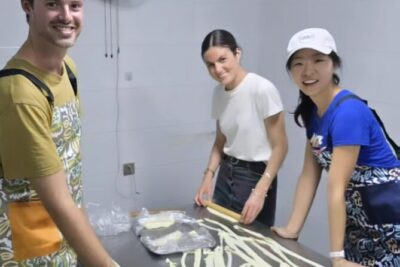
Guilin: City Tour with Elephant Hill & Ming Tea Tasting
Read our review →
Xi’an Chinese Calligraphy Workshop: Ink Art & Tea Tasting
Read our review →Browse the lists this tour appears in