
Review · SHANGHAI
Shanghai 3-Hour Afternoon Tea Tasting and Dessert Tour
Sweet Shanghai is worth an afternoon. This three-hour food walk pairs mooncakes, a traditional tea ceremony, and Cantonese desserts with a look at everyday life around Huaihai Road. I like the mix of familiar and less familiar tastes, and I like that the tour leaves room for conversation rather than rushing from one sight to the next.
The best part is the tea stop, where you taste green tea from Hangzhou and black tea from Fujian in a traditional setting. Guides such as Jade and Jim have also adjusted tastings to match personal interests, which can make the outing feel more like a friendly introduction to Shanghai than a fixed food crawl.
The main caution is variety. One older booking found the food somewhat repetitive, while several more recent experiences included a much wider range of shops and treats. Your exact stops may depend on the guide, shop hours, and your preferences.
Key points to know before booking
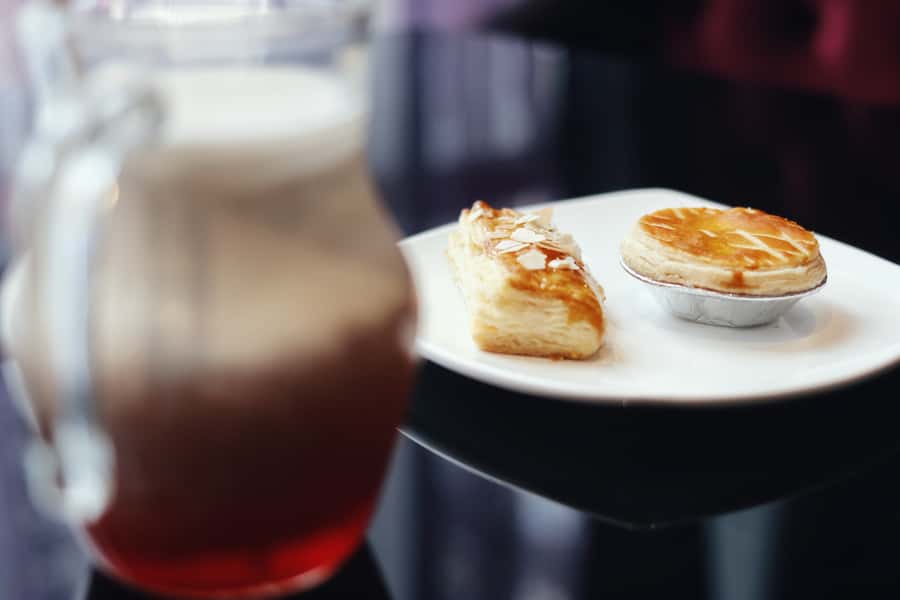
- Mooncakes at two pastry shops: Learn why these round pastries are linked to family reunion during the Mid-Autumn Festival.
- A proper tea ceremony: Taste Hangzhou green tea and Fujian black tea in a teahouse setting.
- Desserts beyond standard ice cream: Look for milk pudding with purple sticky rice, papaya, sago, mango puree, and almond tofu.
- A walk through Huaihai Road: The route connects food with neighborhood life rather than focusing only on famous landmarks.
- Flexible guiding: Jade and Jim have tailored tastings to individual tastes, with some outings adding fruit, candy, coffee, yogurt, or other local sweets.
- A compact afternoon plan: Meet at 2:00 PM at South Huangpi Road Metro Station, Exit 2, and finish after three hours.
What this Shanghai food walk is really like
This is not a formal banquet or a restaurant-hopping marathon. It is a walking introduction to Chinese sweets and tea, with several small tastings spread across local shops.
You meet your guide at 2:00 PM at South Huangpi Road Station, Exit 2. From there, the tour heads along Huaihai Road, an area where old neighborhoods, shops, cafés, and modern food businesses sit close together. The route gives you a chance to see Shanghai at street level while learning what people actually buy and eat.
I like this format for a first or second day in the city. You get food, local context, and a useful orientation without committing an entire day. The three-hour length also works well if you have evening plans.
The exact number of tastings is not fixed in the information provided. One especially food-filled outing included treats from eight shops, fresh fruit, ice cream, yogurt, pastel de nata, bubble tea, biscuits, candy, and several other items. Other descriptions focus more closely on mooncakes, tea, and Cantonese desserts. Think of the published food list as the core idea, not a guaranteed checklist for every departure.
More Tea Tastings in China
- Tea Tasting and Pairing Concept Workshop
★ 5.0 · 57 reviews - Biking Real Shanghai& Tea Tasting Experience
★ 4.5 · 45 reviews - Private Shanghai City and Zhujiajiao Combo Tour with Boating, Tea Tasting, Lunch
★ 5.0 · 15 reviews
Mooncakes and the meaning behind them
The first major food stop is usually a local pastry shop. You taste different mooncakes at two shops, then learn why these pastries matter during the Mid-Autumn Festival.
Mooncakes are traditionally given as gifts at that time of year. Their round shape represents reunion and family togetherness, so they carry more meaning than a simple sweet snack. That cultural explanation makes the tasting more interesting, especially if you have seen mooncakes in Chinese bakeries but never understood their place in the calendar.
The pastries can be dense and rich, so the chance to sample more than one style is useful. You are not simply handed a single treat and sent on your way. Comparing fillings and textures helps you understand why local pastry shops remain part of the city’s food culture.
I would ask your guide which mooncakes are most traditional and which are newer or more fashionable. The experience has included both classic local staples and popular modern chains, depending on the guide and the preferences of the group.
One practical point: mooncakes are strongly associated with the Mid-Autumn Festival, but you do not need to visit during the festival to enjoy them. The tasting gives you seasonal cultural context at any time of year.
A traditional tea ceremony in a Shanghai teahouse
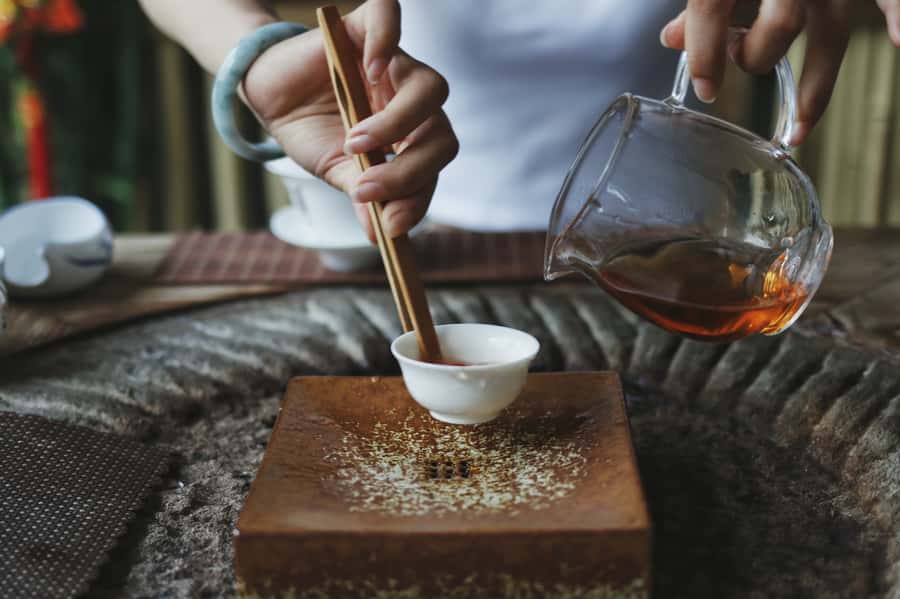
The tea stop is the heart of this experience. You sit down in a teahouse and taste Chinese tea in a more deliberate way than you would at a regular café.
The listed teas include green tea from Hangzhou and black tea from Fujian. Some outings have included five types of traditional Chinese tea. That wider tasting is especially useful because it lets you compare color, aroma, strength, and finish instead of treating Chinese tea as one single category.
The ceremony also slows the pace. After walking between shops and sampling sweets, sitting down with tea gives the afternoon a calm middle or final chapter. Several guides have been praised for explaining local customs and answering questions about daily life, not just naming the tea.
I particularly like this part for visitors who are curious about Chinese culture but do not want a long museum lecture. The information comes through a simple act: watching tea being prepared, tasting it, and discussing how it fits into ordinary life.
The quality of the tea stop may be more important than the number of sweets. One participant described the tea tasting as the best part of the outing, and another found the traditional tea experience far better than other tastings they had tried afterward. That is a strong reason to book if tea interests you.
Cantonese desserts on Huaihai Road
After the pastry shops and teahouse, the route heads to a Cantonese dessert restaurant. Here, the focus shifts to cool, spoonable sweets with fruit, milk, beans, and soft jellies.
The planned samples include:
- Milk pudding with purple sticky rice
- Papaya and sago
- Mango puree
- Almond tofu
These are quite different from the baked pastries at the beginning. Some are creamy, some fruity, and some have a gently chewy texture. If you normally choose chocolate cake or western-style ice cream, this is a useful chance to try a different idea of dessert.
Almond tofu is especially worth noting. Despite its name, it is a soft almond-flavored dessert rather than a savory tofu dish. Mango puree and sago offer a bright, cool combination, while purple sticky rice adds a heavier, grain-like element to milk pudding.
The dessert stop may be the most approachable part for families and younger visitors. A parent traveling with a 14-year-old found the mix of fruit, yogurt, ice cream, bubble tea, biscuits, and other sweets kept the outing engaging. Still, a child who dislikes unfamiliar textures may prefer the fruit and ice cream over almond tofu or sticky rice.
One guide has also replaced or added items based on what a group wanted to try. That flexibility is helpful, but it means you should not expect every group to receive precisely the same menu.
More Afternoon Tea in China:
- Afternoon Tea and Dessert Tour on the Huaihai Road in Shanghai
★ 5.0 · 19 reviews - 3-hour Morning/Afternoon Tea Tasting on Maliandao Street & Dimsum
★ 5.0 · 7 reviews - Classic Afternoon Tea Voyage in Hong Kong for 4 Pax
★ 4.0 · 4 reviews - London: Afternoon Tea Cruise on the River Thames
★ 4.4 · 3,274 reviews
More than three shops, depending on the day
The central promise is mooncakes, tea, and Cantonese desserts. In practice, the walk can include a broader look at Shanghai’s current snack scene.
Past outings have included popular chain shops alongside older local favorites. Some groups tried hipster coffee, local yogurt, matcha ice cream, watermelon desserts, bubble tea, fresh fruit, candy, and pastel de nata. A small museum and a park were also included on one route, along with a neighborhood connected to the former foreign concession area.
These additions make the experience feel less like a narrow tasting menu. You get to see what is fashionable now, what has been around longer, and how imported food styles appear alongside Chinese sweets.
The tradeoff is predictability. If you want a carefully fixed menu with a guaranteed stop at every named shop, this may frustrate you. If you prefer a guide who can respond to your tastes and local conditions, the flexible format works better.
I would tell your guide early if you have strong preferences. Mention if you want traditional sweets, modern café foods, fruit, tea, or unusual textures. The guides have shown a willingness to adapt, and that can make a real difference during a short tour.
The guides and the value of conversation
The guide is a major part of the experience. Past bookings have been led by Jade and Jim, both praised for friendly conversation, cultural explanations, and help with practical questions.
Jade has been described as welcoming and easy to spend an afternoon with. Jim has been praised for asking about food preferences, explaining local life, and adjusting the route to match what the group wanted to learn. One guide even helped a participant with Alipay, and another helped with airline arrangements. Those are not advertised inclusions, so you should not book expecting personal errands, but they show how useful a good local guide can be.
The language options are English, Chinese, and Korean. That makes the tour accessible to a wider range of visitors, though the guide assigned to your booking can vary.
I value the chance to ask questions here. You can discuss food, local routines, Shanghai history, or how people use payment apps. The tour becomes more useful when you treat it as a conversation rather than waiting passively for the next sample.
Is $77 a fair price?
The cost is $77 per person for three hours. That is more than you would spend buying one or two desserts on your own, so the value depends on what you want from the afternoon.
You are paying for a local guide, the tea ceremony, and the included desserts. You also receive help finding several places that might be hard to identify on your own, plus explanations about mooncakes, tea, and local food customs.
The price makes the most sense if you are likely to ask questions, want guidance in English, Chinese, or Korean, and enjoy trying several small portions. It is less compelling if you only want a cheap meal or already know where you want to eat.
The food itself is not the only product. You are buying a short neighborhood walk, cultural background, and the chance to compare different kinds of Chinese sweets without ordering full portions everywhere.
Hotel pickup and drop-off are not included. You need to reach South Huangpi Road Station yourself, using Metro Line 1 and Exit 2. Since the meeting point is specific, check your route before the afternoon begins and allow enough time to arrive by 2:00 PM.
Who will enjoy this most?
I would recommend this tour to several kinds of visitors:
- First-time Shanghai visitors who want an easy introduction to local food and neighborhoods.
- Tea drinkers who would rather taste several Chinese teas than simply order one cup.
- Dessert fans who are curious about fruit, milk puddings, sticky rice, sago, and almond tofu.
- Families with older children or teenagers who prefer tasting and walking to a long historical tour.
- Repeat visitors who have already seen the major sights and want a more everyday side of Shanghai.
- Visitors who enjoy conversation and are happy to let the guide shape the afternoon around their interests.
I would be more cautious if you need a fixed food schedule, have very limited food preferences, or want a full meal. The tasting portions are designed for variety, not dinner.
The walking and food mix also suits people who like a little sightseeing between snacks. You may pass shops, older streets, a park, or a small museum, but this is not primarily a landmark tour.
Timing, flexibility, and cancellation
The tour lasts three hours and begins at 2:00 PM. That makes it easy to pair with a morning visit to a major Shanghai attraction and an evening meal afterward.
You can reserve now and pay later, which helps if your plans are still changing. Cancellation is free up to 24 hours in advance for a full refund. Check the available starting time when booking, since the general schedule does not promise multiple departures each day.
A separate entrance is available for the tour, which can help avoid waiting at places where that option applies. Hotel transportation is not included.
My verdict: book it for the tea and the local guidance
I would book this experience if I wanted a relaxed afternoon built around Chinese sweets, tea, and conversation. The tea ceremony, the mooncake explanation, and the chance to try less familiar desserts give it more substance than a simple snack crawl.
I would not book it expecting a rigid menu or a full meal. The stops can change, and one older experience found the food repetitive. Still, the stronger pattern is a friendly, adaptable guide and a broad look at Shanghai’s dessert culture.
For the best value, arrive ready to taste unfamiliar textures, tell your guide what interests you, and save room for more than one kind of sweet. If tea matters to you, this is an especially good three-hour choice.
FAQ
How long is the Shanghai afternoon tea tour?
The tour lasts three hours.
What time does the tour begin?
The meeting time is 2:00 PM.
Where is the meeting point?
Meet at South Huangpi Road Metro Station, Exit 2, on Metro Line 1.
Is hotel pickup included?
No. Hotel pickup and drop-off are not included.
Which foods are included?
The experience includes mooncakes, tea, and desserts. Planned dessert samples include milk pudding with purple sticky rice, papaya, sago, mango puree, and almond tofu.
Which teas will I taste?
The tea ceremony includes green tea from Hangzhou and black tea from Fujian. Some outings have included five types of traditional Chinese tea.
What languages are available?
The live tour guide may speak English, Chinese, or Korean.
Does the tour include a tea ceremony?
Yes. A traditional Chinese tea ceremony at a Shanghai teahouse is included.
Can I cancel for a full refund?
Yes. You can cancel up to 24 hours in advance for a full refund.
Can I reserve without paying immediately?
Yes. The reserve now and pay later option allows you to hold your place without paying at the time of booking.
More Three-Hour Experiences in China
- Three-Hour Private Chengdu Tea Wholesale Market Tour
★ 5.0 · 4 reviews - 3-Hour Private Hutong Walking Tour with Drum Show at Drum Tower and Tea Tasting
★ 5.0 · 3 reviews - 3 hours Xi’an Mahjong Class with Local Tea
★ 5.0 · 2 reviews - 3 Hour Vietnam Tea & Egg Coffee Tasting With Train Street
★ 5.0 · 2 reviews
More Food and Drink Tours in China
- Unlock Chinese Tea: Culture, Science, Tasting & Hands-on Brewing
★ 5.0 · 12 reviews - Tea Tasting & Brewing Experience
★ 5.0 · 10 reviews - Puer Tea Picking and Tasting | 6 Hour Morning Trip
★ 5.0 · 7 reviews - Xi’an Noodle Making and Tea Tasting Experience
★ 5.0 · 6 reviews
Just added around China
- Full-day Tour: Spectacular Sunrise, Tea Plantation & Sunset★ 5.0 · 3 reviews
- Chinese Tea Ceremony Experience★ 5.0 · 3 reviews
- Unlock Chinese Tea: Culture, Science, Tasting & Hands-on Brewing★ 5.0 · 12 reviews
- Shanghai Mahjong Experience in Local Tea Bar★ 5.0 · 4 reviews
- Private Tour Hangzhou West Lake and Tea Fields Discovery★ 5.0 · 3 reviews
- Half-Day Hangzhou Jiuxi Stream and Tea Plantation Experience★ 5.0 · 2 reviews
- Hangzhou West Lake and Tea Plantation Half Day Tour★ 5.0 · 4 reviews
- Private Hangzhou Day Tour to West Lake, Lingyin Temple, Tea Village, Old Pagoda★ 5.0 · 17 reviews
Tea Tastings in China, compared.
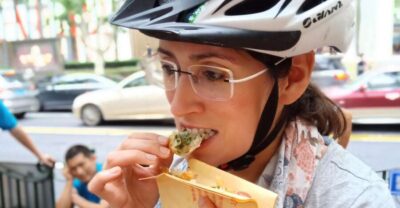
Private Shanghai City and Zhujiajiao Combo Tour with Boating, Tea Tasting, Lunch
Read our review →
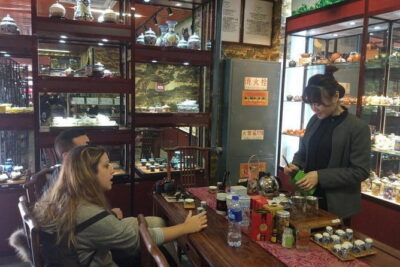
3-hour Morning/Afternoon Tea Tasting on Maliandao Street & Dimsum
Read our review →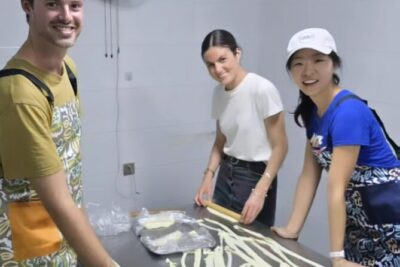
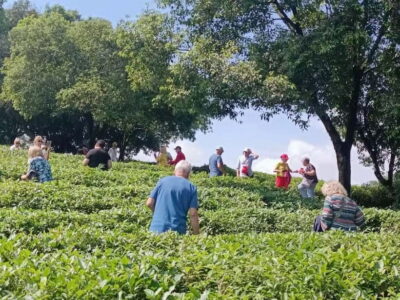
Guilin: City Tour with Elephant Hill & Ming Tea Tasting
Read our review →
Xi’an Chinese Calligraphy Workshop: Ink Art & Tea Tasting
Read our review →Browse the lists this tour appears in