
Review · NAIROBI
Purple Tea Farm Tour from Nairobi City – Specialty Tea Tasting
Tea begins with a leaf. This nine-hour outing from Nairobi takes you to Gatanga for a hands-on look at Kenya’s specialty tea, from picking purple tea to traditional processing. I like the small group of no more than 12 people, and I like that lunch, tea tastings, and return transport are included. The main thing to weigh is the long day and the reported pickup communication problems, so confirm the meeting details before you go.
The farm visit feels more personal than a factory stop. You meet family members at the farmhouse, carry the leaves you pick, walk to a waterfall, and taste teas that range from purple and green to oolong, hibiscus, yellow tea, silver tips, and golden tips. The price is $102 per person, which is fair if you value the transport and three-course meal, but less appealing if tea tasting alone is your main goal.
Key points to know before you book
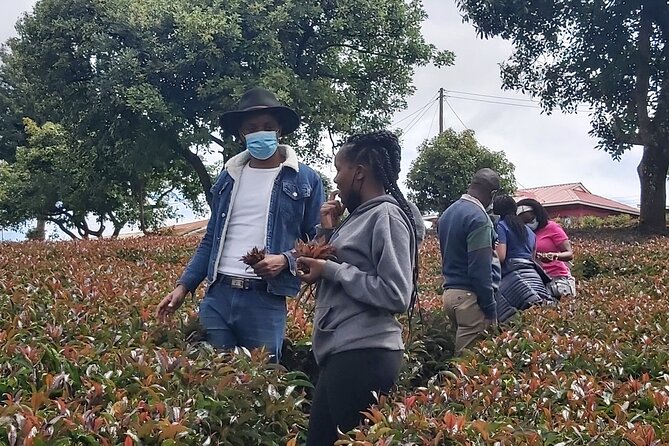
- Purple tea is picked by hand: You do not simply watch a demonstration. You try picking the leaves yourself and take them for processing.
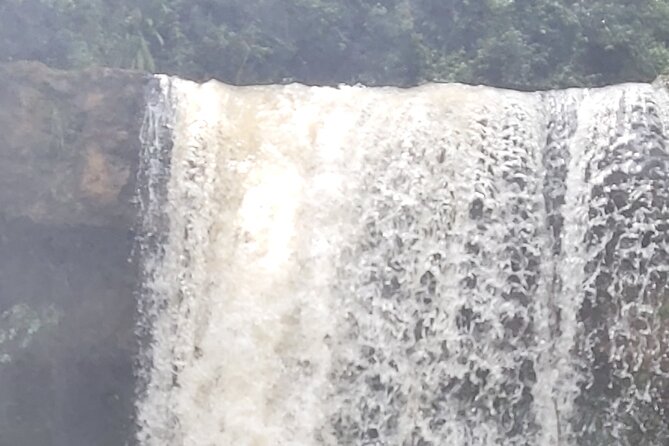
- The farm visit includes a waterfall walk: The nature trail ends at a waterfall, with an optional dip for people who are comfortable in the water.
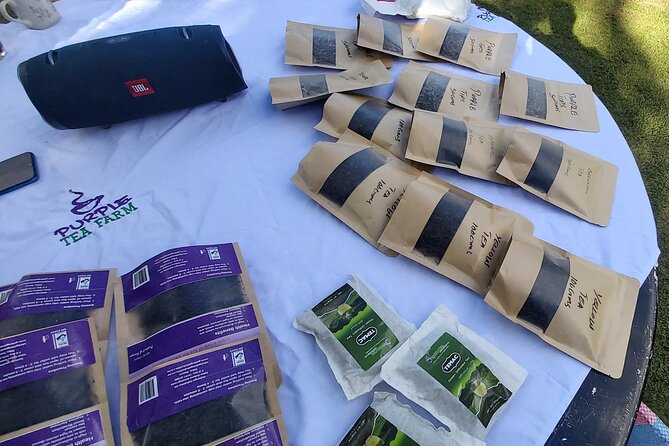
- You taste a wide range of Kenyan teas: The session includes purple, green, black orthodox, oolong, hibiscus, yellow tea, silver tips, and golden tips.
- Lunch is part of the value: A three-course meal is included, along with tea and coffee.
- The group is capped at 12 people: That makes it easier to ask questions and take part in the hands-on work.
- Pickup begins in central Nairobi: Meet at Uniafric House at 8:00 am, then return to the agreed point in Nairobi at the end of the day.
Why this tea farm visit is worth your day
Kenya is famous for tea, but most visitors encounter it in a cup rather than in a field. This tour changes that. You see how the leaf begins, how it is handled, and how different processing methods create different drinks.
The focus is not only on purple tea, though that is the star. You also get a useful introduction to orthodox tea processing, a more hands-on method than the large-scale production many people associate with Kenyan tea. You can compare the appearance, aroma, and taste of several teas in one sitting instead of trying to understand them from a menu.
I especially like the way the day joins food, farming, and a short outdoor walk. The farm visit is not just a lecture followed by a tasting. You pick leaves, carry them to the processing area, take a nature trail, eat lunch, and then sit down for the tea session. That mix gives the day a pleasant rhythm.
The tradeoff is time. The farm activities are listed at about six hours, while the full outing takes roughly nine hours because of the return journey from Nairobi. If you have only one free day in the city, you are giving up most of it. For tea fans, that is likely a good exchange. For visitors focused on Nairobi’s museums, markets, or city sights, it may feel like a large commitment.
More Tea Plantation Tours in Kenya:
- Nairobi to Kiambethu Tea Farm Tour
★ 5.0 · 51 reviews - Private Day Trip to Kiambethu Tea Farm in Limuru from Nairobi
★ 5.0 · 31 reviews - Day Tour To Kiambethu Tea Farm in Limuru
★ 5.0 · 22 reviews
Starting at Uniafric House at 8:00 am
Your day starts at Uniafric House, 25, Nairobi, at 8:00 am. Return transport to Nairobi is included, which is important because arranging your own way to a rural tea farm would add both cost and planning.
Pickup is the part that deserves the most care. One published account praised the farm day but described communication and pickup problems with the operating company. The response apologized for those issues and referred to the importance of safety and satisfaction. I would confirm the pickup point, departure time, and contact procedure before the morning of the tour.
The nine-hour estimate includes the time spent getting to and from Gatanga. Road conditions and traffic can affect the day, so avoid scheduling a tight evening commitment in Nairobi. A mobile ticket is provided, and confirmation is sent at booking.
The group limit of 12 is a real advantage. You will not be lost in a large coach group while trying to pick leaves or ask questions about processing. A small group also makes it easier for the host family to welcome people at the farmhouse in a more personal way.
Meeting the family at the Gatanga farmhouse
The visit begins with a welcome from family members at the farmhouse and a briefing on tea growing in Kenya. This is a useful starting point because it places the crop in a working farm setting rather than presenting tea as an anonymous product on a supermarket shelf.
The welcome should also help you understand the order of the day. You learn what you will pick, how to handle the leaves, and what will happen to them afterward. Since the tour includes several activities, paying attention here will make the rest of the visit easier to follow.
The family setting is one of the best reasons to choose this outing over a simple factory stop. You are meeting the people connected with the farm and seeing the crop where it is grown. The available details do not promise a formal historical talk or a large visitor center, so expect a practical farm visit rather than a museum-style presentation.
That can be a strength. You get closer to the working process, but you should also keep expectations realistic. Conditions may be simple, and the day is built around participation rather than polished displays.
Picking purple tea by hand

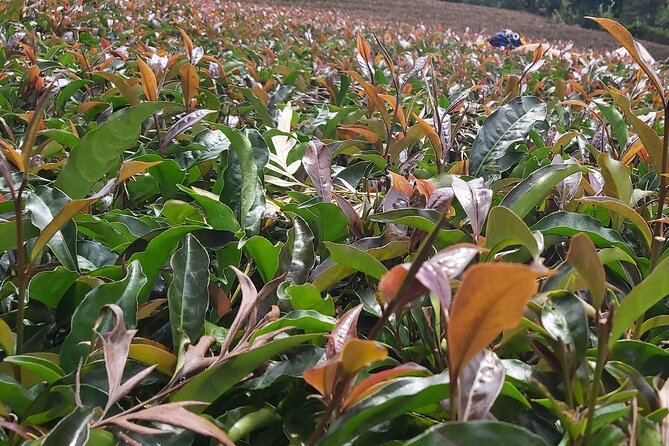
The picking session is the most distinctive part of the tour. You try your hand at purple tea picking and carry the leaves you collect for processing. That small act changes the way you think about the tea in your cup. You see that production begins with careful selection and repeated manual work.
Purple tea is unusual enough to give this visit a clear focus. The tour does not stop at explaining its name. You handle the leaves and follow them into the next stage, which gives the process a practical connection.
You should wear clothing and shoes that allow you to move comfortably outdoors. The provided information does not specify a dress code or farm conditions, so sensible walking clothes are the safest choice. Keep personal items secure while working, and be ready for a little dirt or moisture.
The session is also a good fit for families and curious adults who prefer doing something over listening to a long talk. The tour permits service animals, is near public transportation, and says most people can participate. Still, anyone with limited mobility should consider the picking activity and later nature walk before booking, since the route and ground conditions are not described in detail.
More Tea Tastings in Kenya:
- Riara tea farm tour with lunch and tea tasting from Nairobi
★ 5.0 · 3 reviews - Twinings 2-Hour Tea Tasting Masterclass in London
★ 5.0 · 105 reviews - Tea Tasting and Pairing Concept Workshop
★ 5.0 · 57 reviews - Munnar: Tea trail, Tea Factory, and Tea Tasting Tour
★ 4.9 · 47 reviews
Seeing traditional orthodox tea processing
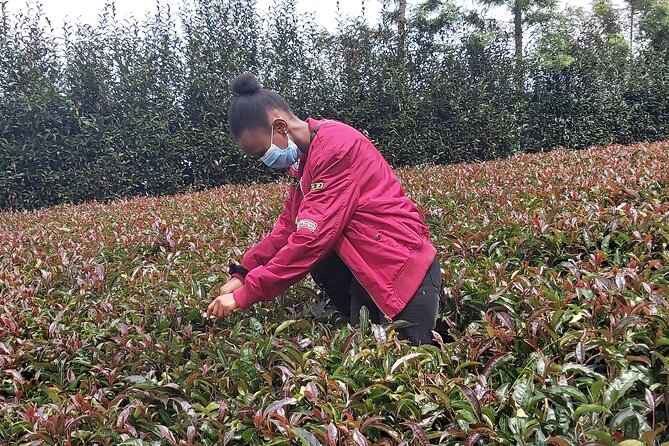
After picking, you take the leaves for processing and learn about the traditional orthodox method. This is where the visit adds value for serious tea drinkers. You are not only tasting finished products. You are shown how hand-worked specialty tea differs from more industrial methods.
The word orthodox refers to a traditional approach in which leaves are handled in a way that helps preserve their shape and character. The tour description does not provide every technical stage, so you should expect a practical explanation rather than a full professional tea-making course.
That is enough to make the tasting more meaningful. When you later try green tea, oolong, black orthodox tea, or the delicate tips, you have a better sense of why they do not all taste alike. The connection between process and flavor becomes easier to grasp.
The processing section may be the most informative part for people who already drink tea but know little about production. It also keeps the purple tea focus from becoming a novelty act. You see one type of tea within a wider family of methods and styles.
Walking the nature trail to the waterfall
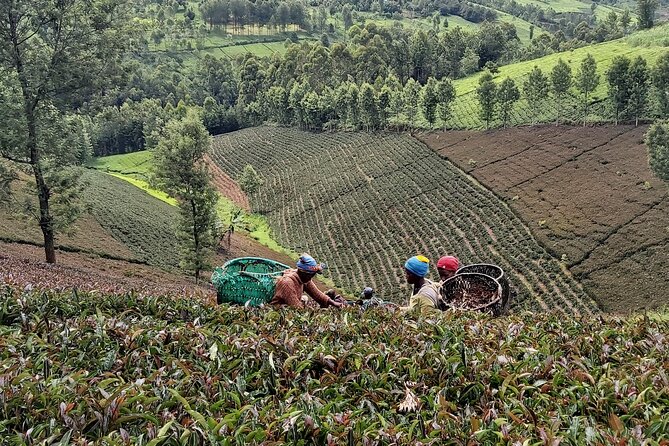
The nature walk gives the day a needed change of pace. After working with leaves and watching processing, you follow a trail that ends at a waterfall. The walk is described as experiential, so expect to be part of the setting rather than simply stopping for a quick photograph.
The waterfall is the natural high point of the outdoor section. A dip is available for people who are willing, but it is not presented as a requirement. If you do not want to enter the water, you can still enjoy the walk and the falls.
The details do not specify trail length, terrain, water depth, or changing facilities. I would treat the swim as an optional extra, not as the main reason to book. Bring only what you need for the day and ask the host about practical arrangements if you plan to get in the water.
This part of the outing also helps explain the price. You are paying for more than a seated tasting. The farm program includes a guided outdoor activity that breaks up the food and tea portions. That said, anyone seeking a long or demanding hike may find the nature walk too limited, since it is one part of a broader farm day.
A three-course lunch before the tea tasting

Lunch is included and consists of three courses. One published account praised the meal highly, describing it as a gourmet lunch and one of the strongest parts of the day. That makes the meal more than a convenient pause between activities.
Food matters here because the morning begins early and includes walking and physical work. A proper meal gives you time to rest before the tasting session. It also makes the $102 price easier to justify, since you do not need to budget separately for lunch or the tea served during the day.
The exact menu is not provided, so do not book expecting a particular dish. The meal is part of the farm hospitality rather than a restaurant visit with a published menu. If you have dietary needs, ask about them before departure because personal costs and special arrangements are not included in the price.
The lunch also creates a social center for the small group. With no more than 12 people, you have a better chance to talk with the host and other participants without the noise and distance of a large tour bus.
Comparing purple, green, oolong, and rare tips
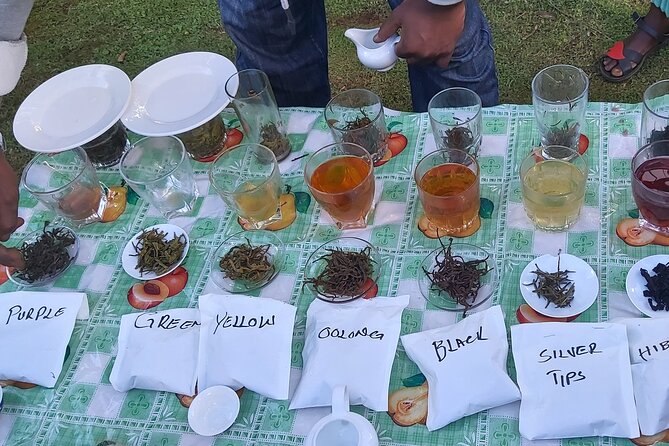
The tea tasting is broad. You are scheduled to try purple tea, green tea, black orthodox tea, oolong, hibiscus, yellow tea, silver tips, and golden tips. Coffee and tea are included, so you can sample without paying extra for each cup.
This range is the heart of the program for anyone who likes comparing flavors. Purple tea gives you the unusual starting point, while green tea and black orthodox tea provide familiar reference points. Oolong sits between styles, and hibiscus offers a different type of infusion altogether.
The silver tips and golden tips should interest tea fans who want to try more delicate or prized leaf selections. The tour gives you a chance to compare these with everyday styles rather than treating them as isolated curiosities.
I would pace yourself. With so many samples, small tastes are more useful than filling your cup at every opportunity. Pay attention to color, scent, strength, and aftertaste. You can ask questions as you go, and a small group should make that conversation easier.
Do not expect a formal certification course in tea tasting. The value is in seeing the crop, learning the basic processing method, and then using your own senses to compare the finished teas.
Buying tea fresh from the farm supply
Before leaving, you can buy Kenya tea as it comes from the factory mill. This gives you a practical chance to take home something connected with the visit instead of buying a generic souvenir in Nairobi.
The wording suggests tea is available for purchase, but the cost is not included in the $102 tour price. Bring a payment method that works for the farm, and ask about packaging and quantities before buying if you are concerned about luggage space.
Signing the visitors book is a small but pleasant closing ritual. It marks your visit to the farm and gives the day a clear ending before the return to Nairobi.
Personal costs are not included, so budget separately for tea purchases and anything else you choose to buy. Lunch, tea, coffee, and transport are covered, which keeps the main price fairly easy to understand.
Is $102 good value for this Nairobi day trip?
At $102 per person, this is not the cheapest way to spend a day outside Nairobi. It becomes better value when you add up what is included: return transport, a three-course lunch, farm access, tea processing activities, the nature walk, and a long tasting session.
A self-arranged trip might appear cheaper, but you would need to organize transport to Gatanga, find the farm, arrange a meal, and locate a tasting. The convenience of one booking is especially useful if you are visiting Nairobi for a limited time.
The strongest value comes from participation. If you only want to taste purple tea, the price may be more than you need. If you want to pick the leaves, follow their processing, walk to a waterfall, eat at the farm, and compare eight styles of tea, the package makes more sense.
The rating is 4.6 from 12 reviews, with 92 percent recommending the activity. That is a positive signal, but the sample is small. I would give more weight to the clear strengths, hands-on tea work, food, waterfall walk, and small group, while taking the pickup communication warning seriously.
Who should book this farm visit?
I would recommend it most strongly to:
- Tea drinkers who want to understand how specialty tea is made
- Visitors who prefer a rural family farm to a standard city attraction
- People who enjoy hands-on activities and short outdoor walks
- Couples, families, and small groups who value a quieter setting
- Visitors with a full free day who want transport handled from Nairobi
It may not suit you if you dislike early starts, long road transfers, outdoor walking, or flexible farm conditions. It is also not the best choice if your Nairobi schedule is packed or if you want a highly technical tea course.
Most people can participate, and service animals are allowed. Still, the trail and waterfall details are limited, so ask for clarification if mobility, swimming, or dietary concerns are important to your plans.
Book at least 24 hours ahead if you want the protection of free cancellation. You can cancel up to that point for a full refund. Cancellations or changes made less than 24 hours before the 8:00 am start are not refunded or accepted, and poor weather or failure to meet the minimum group size can lead to a different date or a full refund.
My booking advice
Book this tour if you want a full-day taste of rural Kenya with a clear theme. The purple tea picking is unusual, the tea list is generous, and the included lunch and transport remove several practical hassles. The waterfall walk keeps the day from becoming a long seated lesson.
Before paying, confirm the pickup instructions with African Authentic Safaris Ltd. That simple step matters because the farm day can be excellent while poor communication at the start creates needless stress.
For tea fans, the $102 price is reasonable because the day combines transport, food, farm access, outdoor time, and tastings. For casual tea drinkers, choose it only if the farm setting and waterfall sound as appealing as the tea itself.
FAQ
Where does the tour begin?
The tour begins at Uniafric House, 25, Nairobi, Kenya, at 8:00 am.
Does the tour return to Nairobi?
Yes. Transport to and from Nairobi is included, and the activity ends back at the agreed meeting point in Nairobi.
How many people can join the tour?
The group has a maximum of 12 travelers.
What teas are included in the tasting?
The tasting includes purple tea, green tea, black orthodox tea, oolong, hibiscus, yellow tea, silver tips, and golden tips.
Is lunch included?
Yes. A three-course lunch is included, along with coffee and tea.
Can I cancel for a full refund?
Yes, if you cancel at least 24 hours before the experience begins. Cancellations made less than 24 hours before the start time are not refunded.
More Farm Visits in Kenya
- Nairobi: Tea Farm Day Trip with Lunch at kiambethu
★ 4.0 · 21 reviews - Nairobi: Purple Tea Farm Gatura Greens Day Trip
★ 4.9 · 16 reviews - Kaimbethu tea farm tour and lunch package
★ 4.8 · 14 reviews - Tea Farm Experience at Riara Tea Farm And Factory Tour
★ 5.0 · 11 reviews
More Food and Drink Tours in Kenya
- Jakarta: Volcano, Tea/Rice Fields, Hot Spring, Local Food
★ 4.9 · 515 reviews - Private Tea Ceremony and Sake Tasting in Kyoto Samurai House
★ 5.0 · 163 reviews - SF’s Chinatown: Tea & Dim Sum Food Tour – Includes full meal, 3hr
★ 5.0 · 153 reviews - Experience all of Japanese culture and Japanese food experience classes “origami, udon, Japanese food, green tea, calligraphy” in 4 hours
★ 5.0 · 105 reviews
Just added around Kenya
- Agro-Tourism Tea Workshop in Nandi Hills★ 5.0 · 3 reviews
- Riara tea farm tour with lunch and tea tasting from Nairobi★ 5.0 · 3 reviews
- Kiambethu Tea Farm Tour & Lunch From Nairobi★ 5.0 · 7 reviews
- Tea Farm Experience at Riara Tea Farm And Factory Tour★ 5.0 · 11 reviews
- Excursion to Kiambethu Tea Farm★ 5.0 · 6 reviews
- Day tour to Kiambethu tea farm in Limuru from Nairobi★ 4.5 · 2 reviews
- Tea Farm Experience at Riara Tea Farm And Factory Tour★ 4.8 · 2 reviews
- Tea Farm Tour From Nairobi (Kiambethu).★ 4.9 · 10 reviews
Tea Plantation & Farm Tours, compared.
Thousand Island Lake and Pinglin Tea Plantation
Read our review →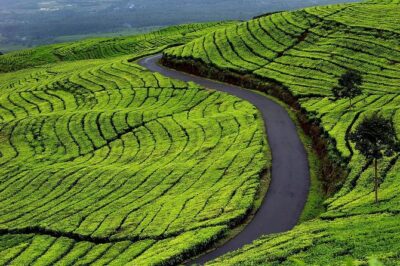
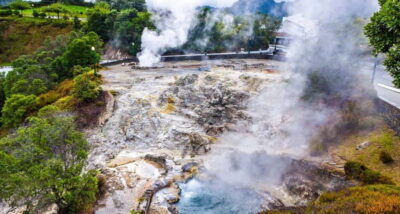
Active Volcano, Rice Field, Hot Spring, Fruit market, Tea Plantation with Lunch
Read our review →
São Miguel: Furnas Volcano & Tea Plantation Tour with Lunch
Read our review →
Furnas Volcano & Tea Plantation With Traditional Lunch, East Tour
Read our review →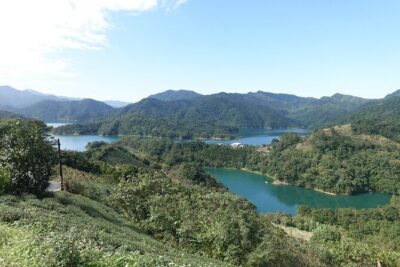
Thousand Island Lake and Pinglin Tea Plantation from Taipei
Read our review →
Volcano Wonders, Tea Plantation & Waterfall Tour
Read our review →Browse the lists this tour appears in