
Review · JAPAN
Nagasaki: Explore Japanese Teas on a Tea Tour
Tea tastes better where it grows. This four-hour Sonogi outing gives you a close look at Nagasaki’s tea culture, from misty-looking fields above Omura Bay to the machinery that shapes local Tamaryokucha. I especially like the small group of four and the chance to taste several teas, not just one polite cup. The main consideration is time: you spend only four hours on the tour, so anyone hoping for a slow countryside day may find it brisk.
I also like the hands-on brewing, especially the contrast between rolling Tamaryokucha and whisking Matcha. Lunch, seasonal sweets, and an English-speaking guide are included, which helps the $132 price feel more reasonable. Still, this is best for tea lovers and curious food travelers who can make their way to Sonogi, rather than for anyone seeking a broad Nagasaki sightseeing tour.
Key points at a glance
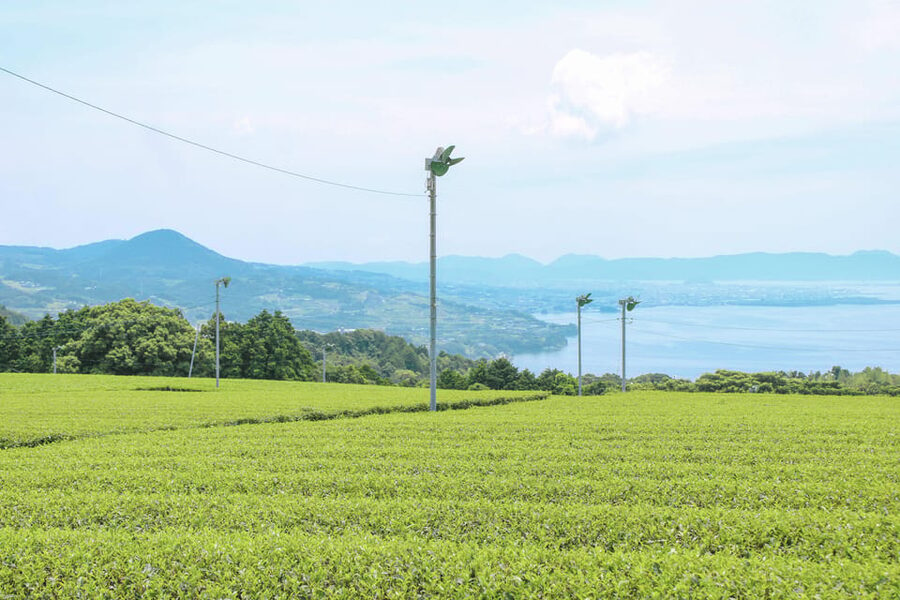
- Sonogi’s tea fields overlook Omura Bay: The setting gives the tea a clear sense of place, not just a tasting-room feel.
- Tamaryokucha is the local star: You visit a factory where this curled green tea is made and learn how production works.
- Six or more tea styles are included: Taste Tamaryokucha, Shiraore, Houjicha, Wakoucha, Matcha, and other local selections.
- You brew the tea yourself: The guide shares practical tips for making Tamaryokucha and whisking Matcha.
- Lunch and seasonal Japanese sweets are covered: You get more than tea samples during the four-hour outing.
- The group stays very small: With a maximum of four participants, questions and conversation come easily.
Why Nagasaki tea deserves a place on your itinerary
Nagasaki is often linked with port history, churches, islands, and dramatic coastal views. Tea adds another layer to the region. This experience takes you beyond the city and into Sonogi, where tea farming is part of the local identity.
I like that the tour treats tea as food, agriculture, craft, and history all at once. You do not simply hear that Japanese tea matters. You taste different styles, see the fields, visit a production site, and practice preparing the drinks yourself. That sequence helps the subject make sense.
The range is especially useful if you know little about Japanese tea. Tamaryokucha may be unfamiliar even to people who already know Matcha and Houjicha. Shiraore offers a mild twig tea, Houjicha brings a roasted flavor, Wakoucha shows Japan’s take on black tea, and Matcha provides the powdered tea most people recognize.
The result is a tasting that lets you compare more than color. You can notice differences in aroma, strength, texture, and preparation. I would not expect a formal tea ceremony, though. This is a relaxed learning experience with plenty of room for questions.
A few more tea experiences around Japan worth a look
- Kyoto: Tea Ceremony in a Traditional Tea House in Kiyomizu
★ 4.9 · 3,519 reviews - Kyoto: Tea Ceremony Ju-An at Jotokuji Temple
★ 4.9 · 3,207 reviews - Kyoto: 45-Minute Tea Ceremony Lesson Experience
★ 4.3 · 2,378 reviews
The Sonogi fields and Omura Bay view
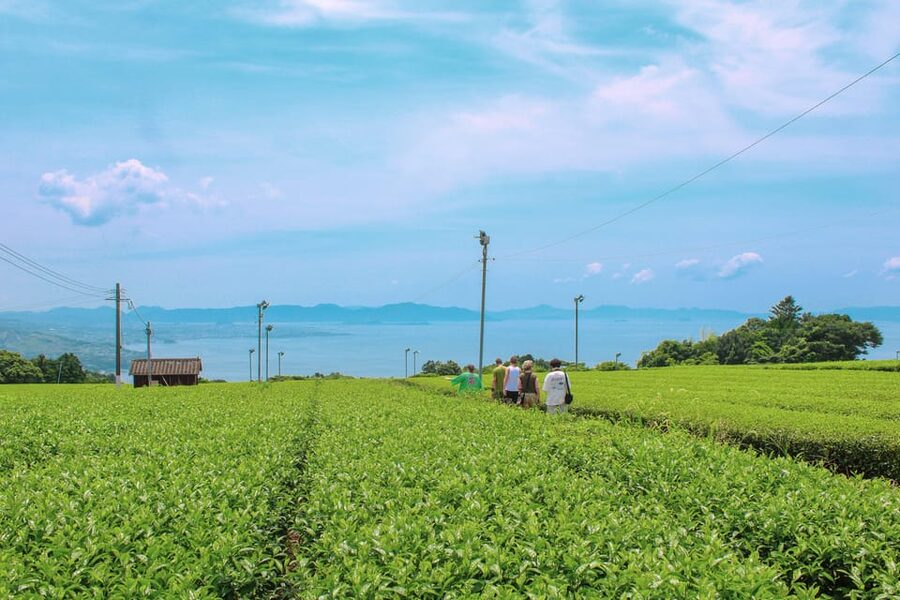
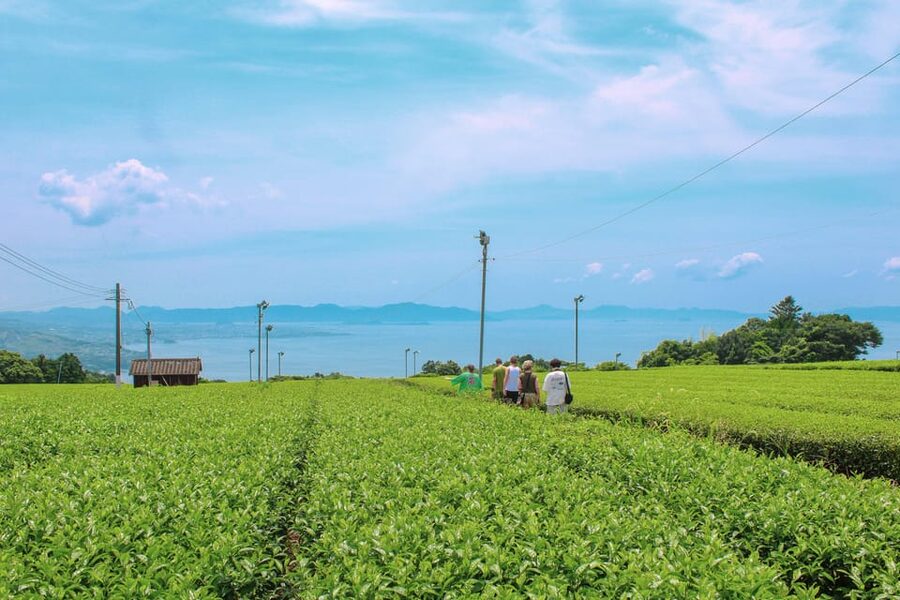
The countryside portion is one of the strongest reasons to book. Sonogi’s tea fields look across toward Omura Bay, giving you a wide view that connects the crop to its setting. The scenery also provides a welcome change from Nagasaki’s urban streets.
You will want to pay attention to the relationship between the neat tea rows and the open bay beyond them. Tea can seem abstract when it arrives in a packet. Seeing where it is grown makes the later tasting more memorable.
The fields are also a good fit for photographers, though this is not presented as a dedicated photo tour. Weather will naturally affect the view, and the provided information does not promise a particular season or amount of time in the fields. Think of this as an important stop within a tea-focused visit, not a long countryside walk.
One practical point matters here: Sonogi is outside the main city sights. A previous solo participant described the outing as a chance to leave the city and enjoy the quiet of a smaller town. That is exactly the appeal, but you should plan your wider day around the tour rather than treating it as a quick stop between central Nagasaki attractions.
Inside a Tamaryokucha factory
At the local factory, you see where Tamaryokucha is produced. This is valuable because the tea has a character of its own: it is a steamed green tea with a curled shape rather than the straight needle-like appearance many people associate with Japanese green tea.
The factory visit gives you a practical link between farming and drinking. You can learn how harvested leaves become the tea in your cup, then taste the finished result later. The exact machinery, production schedule, and length of the factory visit are not specified, so I would not expect a full industrial tour with every stage explained in technical detail.
Still, this stop adds substance. A tasting without production context can feel like a string of pleasant samples. Here, the factory helps explain why local tea looks and tastes the way it does.
For anyone interested in food production, this may be the most informative part of the day. You get to see a regional specialty being made rather than only buying it in a shop. Tea purchases are optional, so you can decide after tasting instead of committing before you know what you like.
Tasting Nagasaki one cup at a time
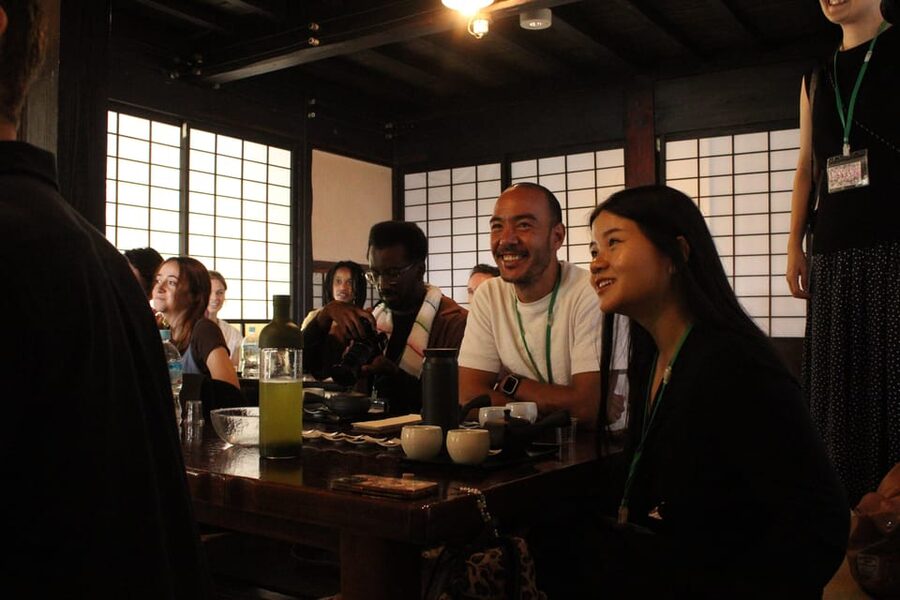
The tasting lineup is broad for a four-hour activity. You may sample:
- Tamaryokucha, a steamed curled green tea
- Shiraore, a mild twig tea
- Houjicha, roasted green tea
- Wakoucha, Japanese black tea
- Matcha, finely ground green tea
- Other local tea selections
This range is one of the tour’s best features. I would rather taste several clearly different teas than spend the whole morning on one variety with little comparison. The lineup also makes the experience suitable for mixed groups, since not everyone arrives with the same preferences.
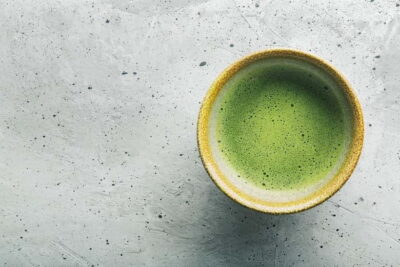
Houjicha may appeal to you if you prefer a roasted, less grassy cup. Shiraore is a gentle choice for someone who finds green tea too forceful. Wakoucha lets you consider how black tea made in Japan differs from the better-known teas of other regions. Matcha changes the format entirely, since you drink the fine powder rather than steeping leaves and removing them.
The tour’s value comes from the guidance around these cups. The guide can explain preparation and help you notice what is in front of you. That makes the tasting more useful than simply being handed a flight of teas with no context.
One participant singled out the variety and flavor of the teas, while another praised the clear explanations of Japanese tea farming. That combination matters. Good scenery gets you there, but clear teaching gives the outing lasting value.
Same place, a different pot:
- World Heritage Kyoto & Nara Uji Authentic Matcha Experience
★ 5.0 · 1,573 reviews - Osaka: Tea Ceremony Experience
★ 4.9 · 1,426 reviews - Kyoto: Table-Style Tea Ceremony at a Kyo-Machiya
★ 4.9 · 1,211 reviews - Kanazawa: Kenrokuen Tea Ceremony Experience
★ 4.8 · 1,139 reviews
Brewing Tamaryokucha and whisking Matcha
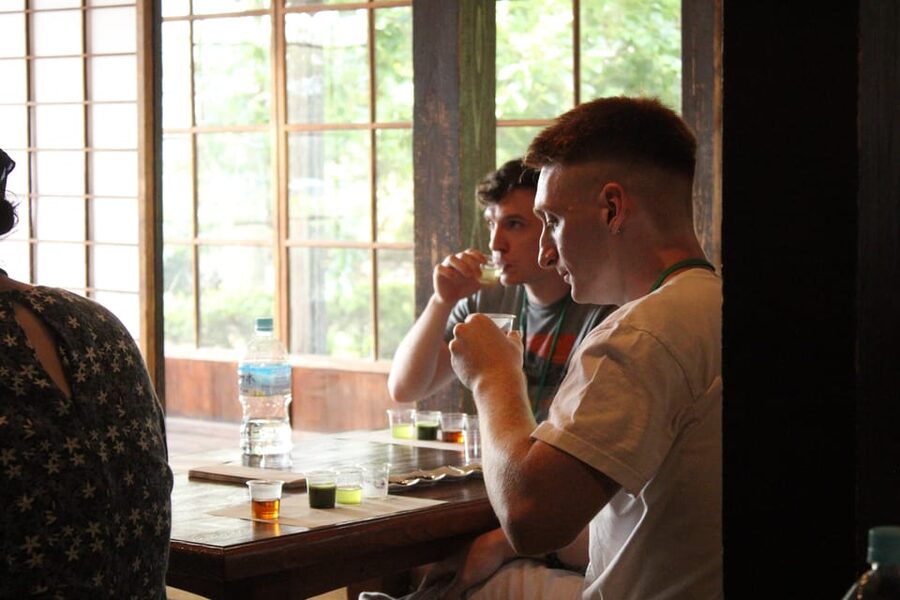
The hands-on section turns you from observer into participant. You get to brew Tamaryokucha and prepare Matcha yourself, with tips on how to make each drink taste good.
This is not just a small activity for children or a photo opportunity. Brewing changes how you understand tea. You begin to see that the same leaves can produce a different cup depending on how you prepare them. Matcha also feels less mysterious once you have whisked it yourself.
The exact equipment and method are not listed, so I would avoid expecting a formal lesson in every technical detail of Japanese tea service. The emphasis appears to be friendly instruction, experimentation, and practical advice. One participant particularly praised the brewing tips and tricks, and described the atmosphere as relaxed and open to questions.
That relaxed tone suits the subject. You do not need prior knowledge, and you will not be expected to perform perfectly. If your Matcha foam is uneven or your first cup is stronger than planned, you have learned something useful.
I would consider this one of the most valuable parts of the experience for visitors who want to repeat what they learned at home. Tea becomes a skill you can practice, not just a souvenir you can purchase.
Lunch and seasonal Japanese sweets
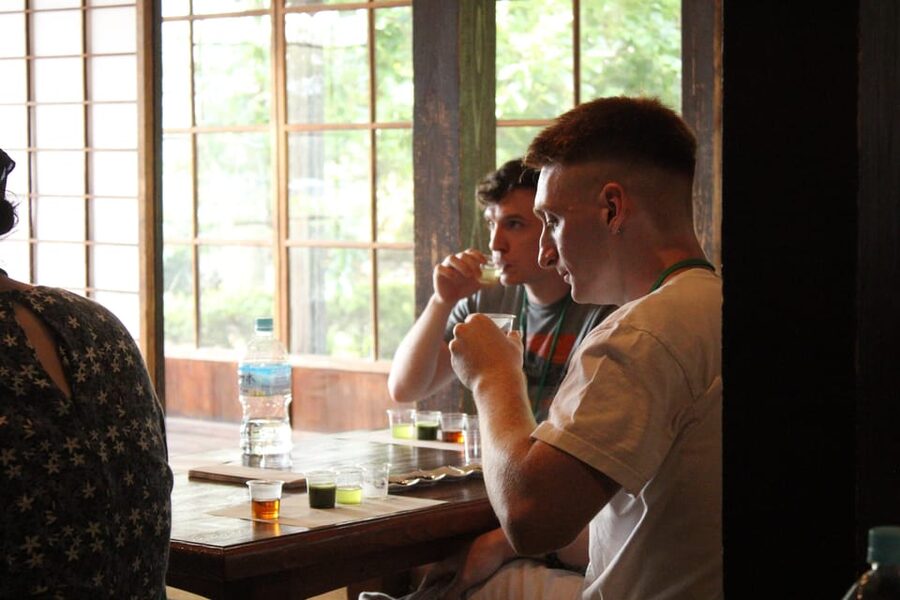
Lunch is included, along with traditional seasonal Japanese sweets. That improves the value of the $132 cost, especially since the tour also covers the guide, tastings, factory visit, field visit, brewing activities, fees, and taxes.
The lunch takes place at a nearby restaurant. The available information does not name the restaurant or specify the menu, so you should not book expecting a particular dish. What you can expect is a local meal that gives the tea tasting a proper food break.
Several participants specifically praised the lunch, describing it as a strong part of the outing rather than an afterthought. I like that the experience includes actual food because four hours of tea sampling could otherwise leave you hungry, particularly if you are not used to Japanese green tea.
Tell the provider about allergies or dietary restrictions in advance. That instruction is important, since the menu is not described in detail and adjustments may need planning.
The seasonal sweets add a small but meaningful touch. Japanese sweets are often designed to balance tea, and trying them alongside the drinks gives you another way to notice flavor and texture. They also make the tasting feel connected to Japanese food culture rather than limited to beverages.
The guide and the small-group format
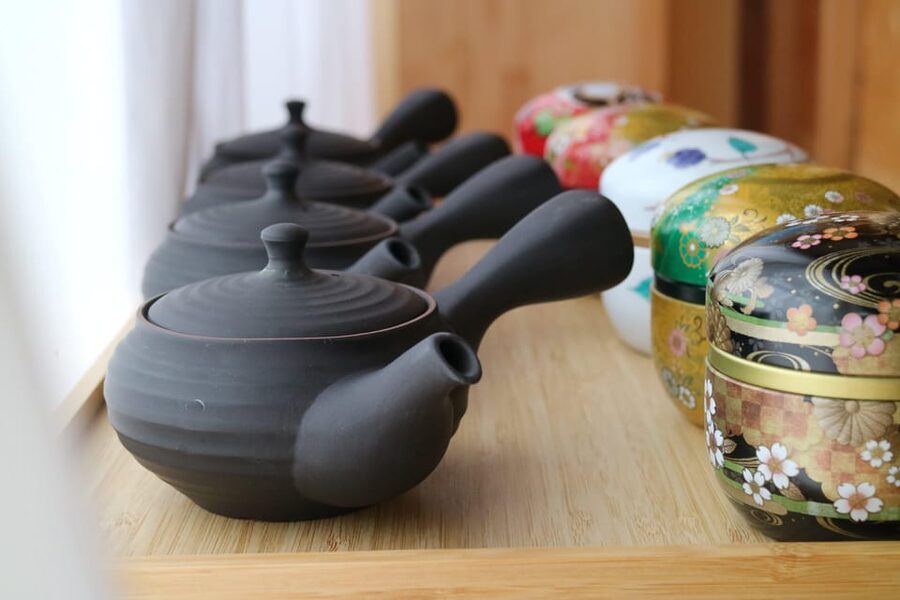
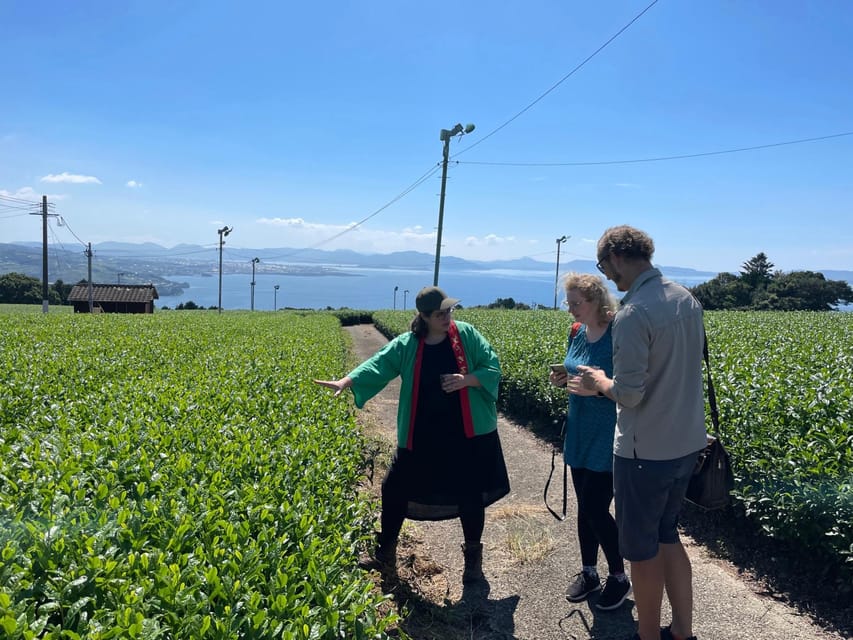
The tour is led in English and limited to four participants. That is a major advantage for this kind of activity. Tea tasting works better when you can ask why one cup tastes roasted, why another is mild, or how Matcha should be whisked without waiting for a large group to move along.
One guide named in participant feedback is Marjolein, whose passion for tea and practical teaching were praised. The comments describe a friendly, informed guide who encourages questions and explains both the farming and brewing sides of the subject. The provider is Nagasaki Ikedoki Tea.
The small size also makes the day more flexible in feel, although no specific customization is promised. If you are the only person booked, the experience may become especially conversational. One solo participant described exactly that situation and praised the guide’s helpful approach, the tea selection, the lunch, the fields, and the factory.
A small group is not automatically better for every person. If you prefer anonymity or want to move at your own pace, a private-feeling tour may feel more social than expected. For most people, though, the format is a strong match for a lesson built around questions and tasting.
Is $132 a fair price?
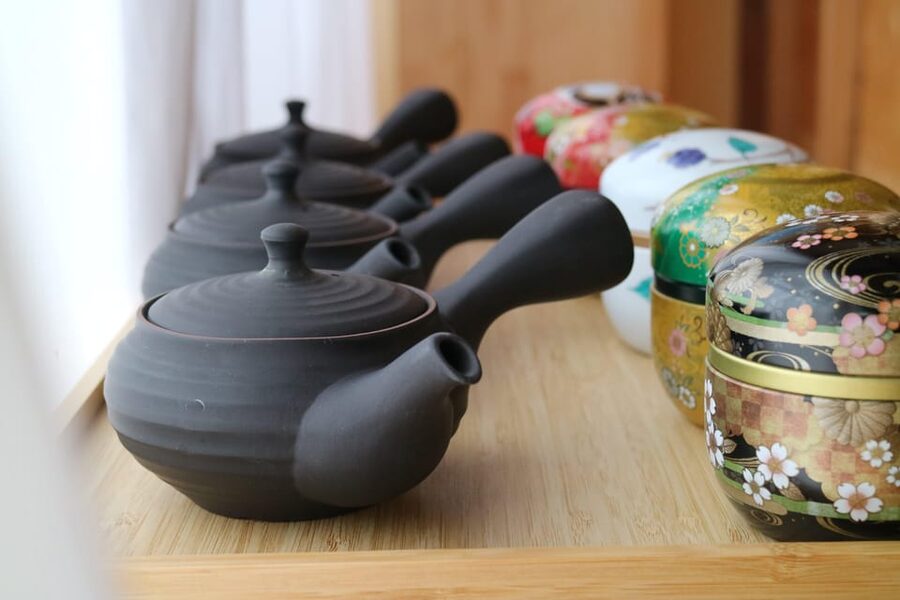
At first glance, $132 is not a bargain-priced tea stop. The value depends on what you would otherwise need to arrange yourself.
For that price, you receive four hours with an English-speaking guide, multiple tea tastings, seasonal sweets, lunch, a field visit, a factory visit, hands-on preparation, and all listed fees and taxes. You can also buy tea if you want, but purchases are optional. That means you are not being pushed into extra spending to make the experience feel complete.
The price makes the most sense if you value access and explanation. You could buy tea in Nagasaki for less, but you would miss the fields, production visit, guided comparisons, and practical brewing lesson. You could also visit the countryside independently, but the tea-specific connections would be harder to arrange.
I would call it good value for someone already interested in Japanese food, farming, or tea. It is less compelling if you only want a quick Matcha tasting or if your budget is tightly focused on major Nagasaki landmarks.
Who should book this Sonogi tea tour?
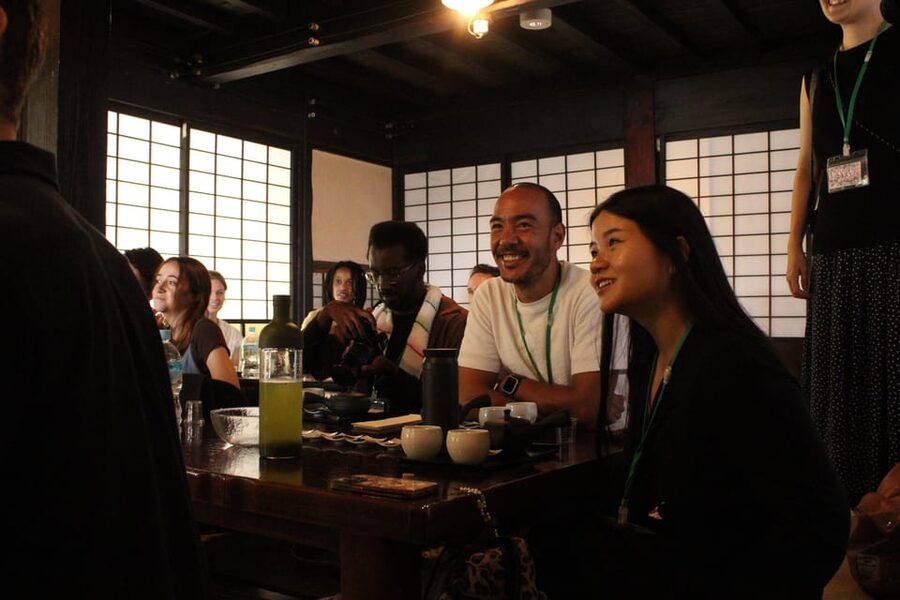
I would recommend it to:
- Tea beginners who want clear introductions without a formal or intimidating ceremony
- Experienced tea drinkers curious about lesser-known Japanese styles
- Food-focused visitors who enjoy seeing how regional products are made
- Couples, families, or friends who like small-group activities
- English-speaking visitors looking for a quieter outing beyond central Nagasaki
- Anyone who values hands-on learning more than a simple sightseeing stop
The tour may be less suitable if you want a full-day excursion, a detailed formal tea ceremony, or a broad survey of Nagasaki history. Its subject is focused: Japanese tea, Sonogi, local production, tasting, and food.
The four-hour length is useful for fitting into a larger trip, but you should remember that reaching Sonogi and returning to your base will take additional planning. The supplied details do not state transport arrangements or meeting-point instructions, so confirm those before booking.
Practical booking advice
You can cancel up to 24 hours before the activity for a full refund, and you can reserve now and pay later. That flexibility helps if your Nagasaki plans are still shifting.
Check starting-time availability before committing, since the activity runs for four hours and the exact start times are not listed here. Also send allergy or dietary information in advance, and remember that the group limit is four people.
Tea purchases are optional. I suggest waiting until after the tasting and factory visit, when you will have a better idea of which style suits you. That way, your souvenir reflects your own taste rather than a rushed decision.
Should you book it?
Book this experience if you want to understand Japanese tea through place, production, flavor, and practice. The strongest elements are the Omura Bay view, the broad tasting, the Tamaryokucha factory visit, and the chance to prepare tea yourself. Lunch and sweets make the price easier to justify, while the four-person limit keeps the instruction personal.
Skip it if your Nagasaki schedule is too tight for a countryside outing or if you are looking for a formal tea ceremony instead. For everyone else, this is a thoughtful way to spend four hours outside the city, with enough food and scenery to make it more than a beverage lesson.
FAQ
Where does the tea tour take place?
The experience takes place in Sonogi in Japan’s Kyushu region, with views of tea fields overlooking Omura Bay.
How long does the experience last?
The tour lasts four hours. Starting times vary, so you need to check availability when booking.
What language is the tour conducted in?
The live tour guide speaks English.
How many people can join the tour?
It is a small-group experience limited to four participants.
Which teas can I taste?
The tasting includes Tamaryokucha, Shiraore, Houjicha, Wakoucha, Matcha, and other local teas.
Will I get to make tea myself?
Yes. You can practice brewing Tamaryokucha and whisking Matcha.
Is lunch included?
Yes. Lunch at a nearby restaurant and traditional seasonal Japanese sweets are included. You should provide allergy or dietary restriction information in advance.
Can I buy tea during the experience?
Yes. Teas are available for purchase, but buying them is optional.
Just added around Japan
- Yokohama : Tea Ceremony with Sweets and Souvenir★ 5.0 · 5 reviews
- Walking Tour: Yanaka,Nezu& Sendagi: Tea Ceremony & Old Tokyo★ 5.0 · 3 reviews
- Visit local home for music and tea ceremony near Disney★ 4.9 · 13 reviews
- Trip to Kamakura & Enoshima: Shrines, Seaside, Temples &Tea★ 5.0 · 11 reviews
- Yokohama: Sushi & Gyoza Cooking with Matcha & GreenTea Experience★ 5.0 · 3 reviews
- Kyoto tea town for matcha lovers★ 5.0 · 16 reviews
- Uji: Private immersion into Kyoto’s tea and reglious culture★ 5.0 · 17 reviews
- Uji Tea Ceremony and UNESCO Heritage Walking Tour★ 5.0 · 20 reviews
Japan Tea Tours, compared.
Tea Ceremony in a Traditional Tea House in Kiyomizu
Read our review →
World Heritage Kyoto & Nara Uji Authentic Matcha Experience
Read our review →
Browse the lists this tour appears in