
Review · TOKYO
Mt. Fuji & Lake Kawaguchiko Ropeway Panorama Full-Day Tour
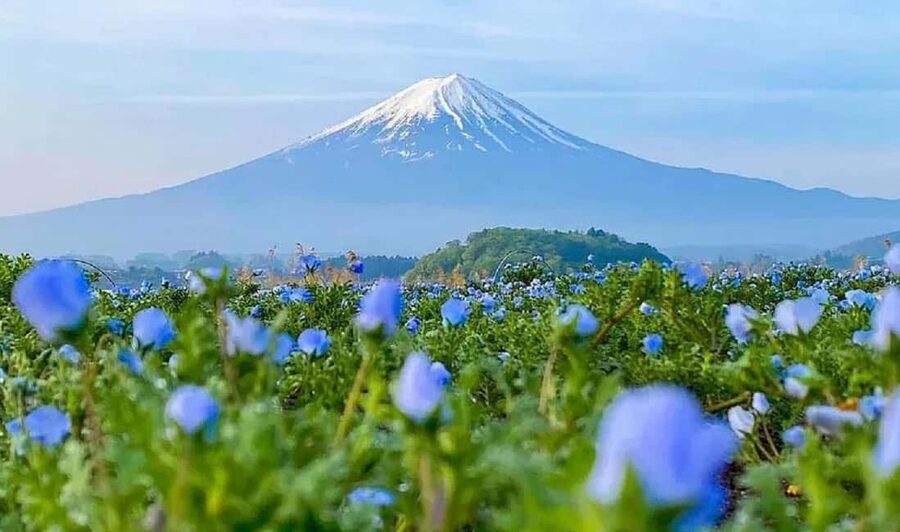
Fuji views come with a weather warning. This 10-hour trip packs the Kachikachi Ropeway, Lake Kawaguchiko, a hands-on matcha session, the famous Lawson photo stop, and Oshino Hakkai into one easy day from central Tokyo. I like the mix of big scenery and small cultural moments, especially the tea experience beside the lake. I also like that the $54 price includes transport, the ropeway, guide, driver, tolls, parking, and fuel. The tradeoff is a long day on the road, with roughly five hours spent riding the bus.
The tour works best for you if you want to see several Mt. Fuji sights without sorting out trains, buses, and local connections. I would plan for a brisk pace, crowded photo spots, and the real possibility that clouds will hide Fuji. Guides such as Sawaki, Laner, Peter, Brewski, and Leonard received especially warm praise for clear explanations, humor, patience, and keeping the group on time.
Key points to know before booking
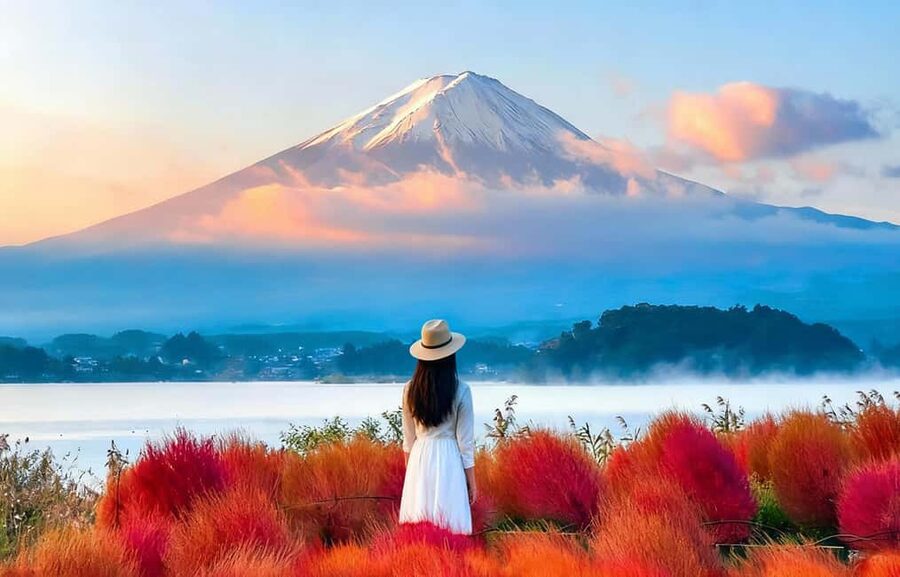
- The Kachikachi Ropeway reaches a 1,075-meter observatory, with broad views over Mt. Fuji and Lake Kawaguchiko on a clear day.
- The matcha stop adds a genuine cultural pause, including instruction in whisking and the idea of Ichigo Ichie, or one unique encounter.
- The Lawson stop is mainly for one famous photograph, not for shopping or sightseeing inside the store.
- Oshino Hakkai has eight spring ponds, fed by snowmelt filtered through Mt. Fuji’s lava rock.
- Lunch is not included, so bring food or cash and ask the guide about nearby choices.
- The itinerary can change with weather, traffic, crowds, or maintenance, including a Samurai Ship replacement for the ropeway from December 8 to 19, 2025.
Why this $54 Mt. Fuji tour offers good value
The price is appealing because the expensive and awkward parts of a Mt. Fuji day trip are already handled. You get an air-conditioned coach, a professional driver, road tolls, parking, a multilingual guide, the ropeway ticket, and the matcha activity. At $54, that is strong value if you want convenience more than independence.
The main value is time. From Tokyo, the Fuji area is not a quick hop. The outbound drive takes about two and a half hours, and the return can take about two hours and twenty minutes, with traffic sometimes making it longer. Having someone else deal with the roads and parking lets you focus on the views instead of transport connections.
This is a shared group tour, so the price comes with a schedule. You will not have unlimited time at each stop, and arriving late at the bus can shorten your time elsewhere. Several guides were praised for giving clear meeting instructions and keeping everyone moving, which matters when the route has this many stops.
The tour has a rating of 4.6 from 236 reviews, with especially strong praise for the guides. That praise is specific rather than vague. Sawaki was noted for humor, trivia, photo props, and explanations during the bus ride. Brewski used historical facts and a cheerful manner to keep the long drive pleasant. Laner was praised for clear English, organization, and helping the group get the most from each stop.
More Full-Day Trips in Tokyo:
- Tokyo: Full-Day Tour w/Tea Experience,Buffet Lunch & Cruise
★ 4.9 · 151 reviews - Hampton Court Guided Tour. Full day Access & High Tea
★ 5.0 · 270 reviews - From Colombo: Kandy, Pinnawala and Tea Factory Full-Day Trip
★ 4.4 · 99 reviews
Starting in central Tokyo and settling into the bus
You can begin at one of two central meeting points: Tokyo Station Marunouchi North Exit 2 or the Robert Indiana LOVE sculpture. The exact meeting point depends on the option you book, so check the confirmation carefully rather than relying on memory.
Arrive at least 15 minutes early. This is not a flexible meet-up where the bus can wait while you grab coffee. There is no refund for a late arrival or no-show, and the day depends on the whole group moving together.
The first bus ride takes about two and a half hours. That sounds long, but guides often use this time for area information, stories, questions, and practical instructions. A few guides made the ride more enjoyable with trivia, candy, origami, or photo help, but you should still bring water and something small to eat.
Traffic is a real part of the experience. Sundays, holidays, and peak seasons can slow the return to Tokyo, and the operator warns that the schedule may change. Do not book a theater show, dinner reservation, or flight immediately after this tour.
Riding the Kachikachi Ropeway above Lake Kawaguchiko
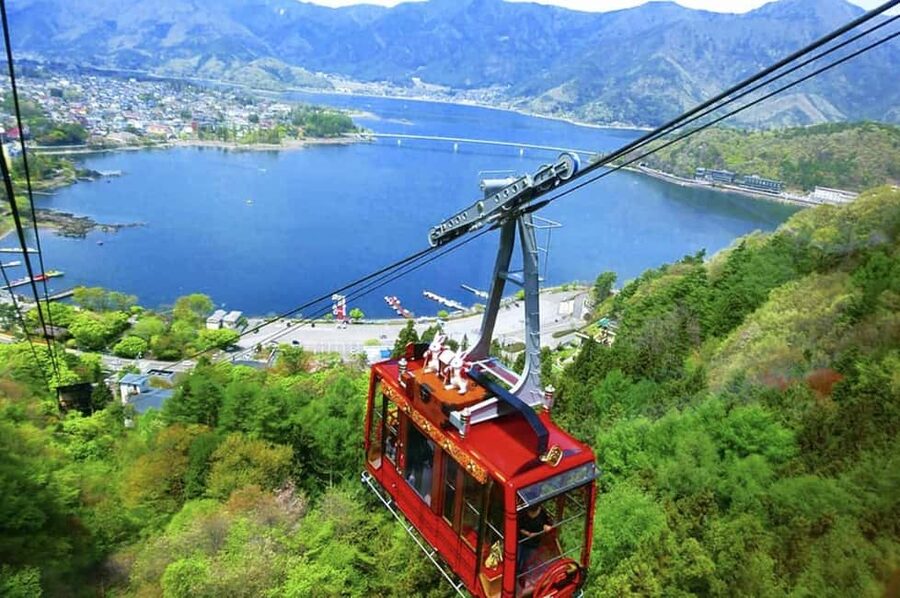
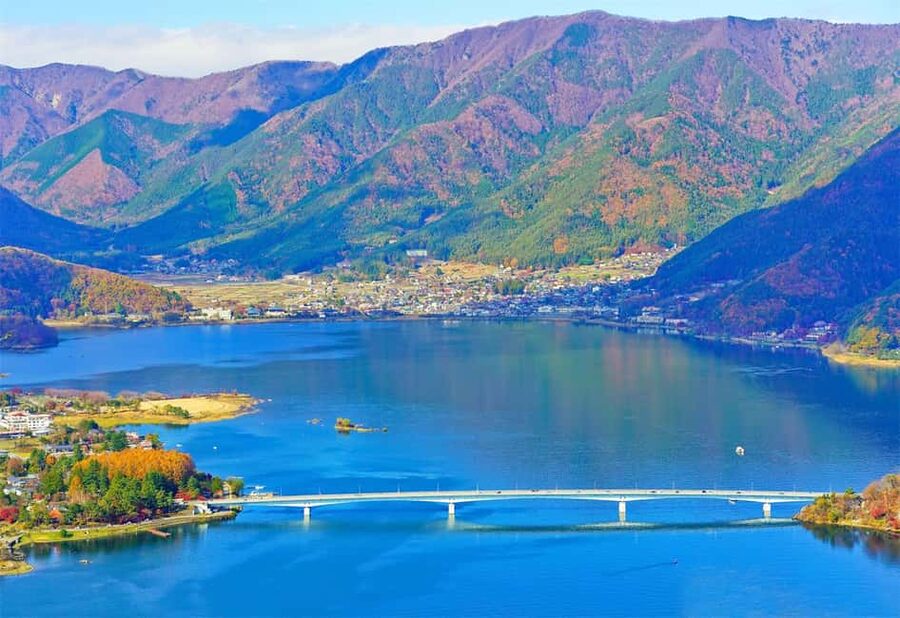
The first major stop is the Kachikachi Ropeway, also called the Mt. Fuji Panoramic Ropeway. The cable car climbs toward the observatory at 1,075 meters above sea level. As it rises, the view opens toward Lake Kawaguchiko and Mt. Fuji.
This is the tour’s headline moment. On a clear day, you can see Mt. Fuji in full, with the lake below and the Southern Alps in the distance. The view is broad rather than intimate, so it gives you a useful sense of the whole Fuji area in one glance.
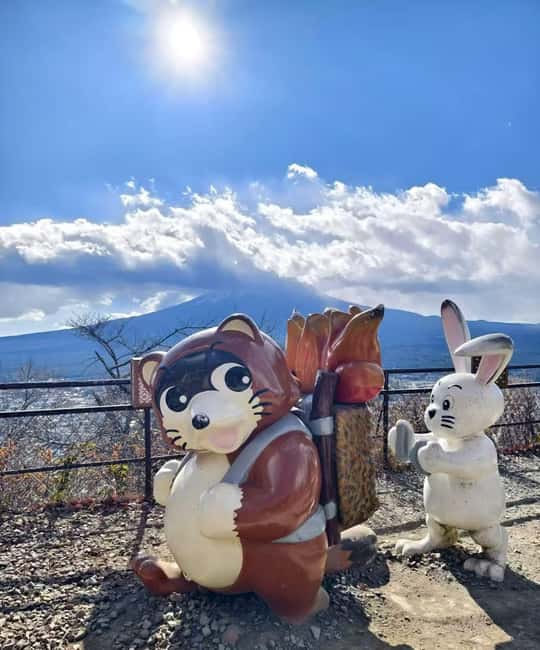
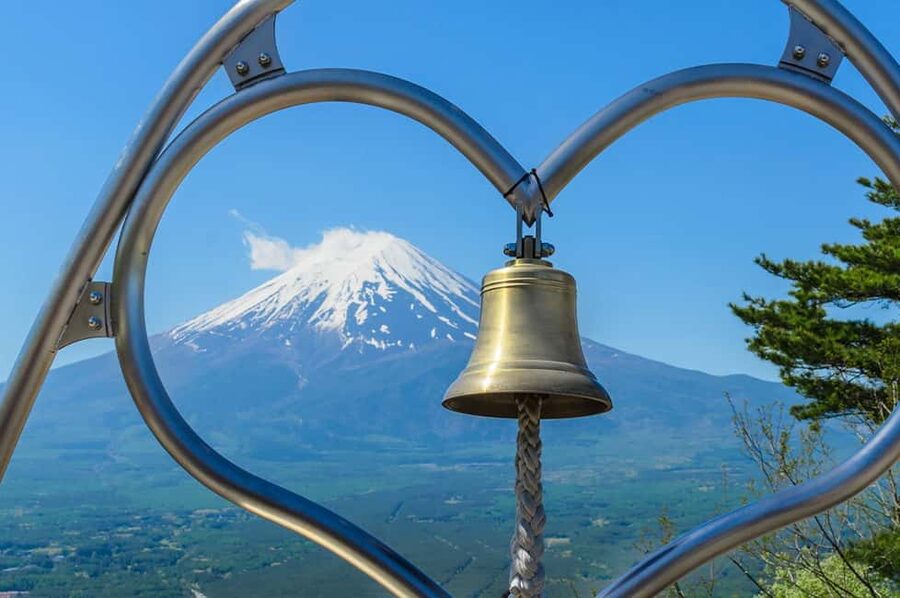
At the top, look for the Bell of Tenjo. Local legend says that ringing it can help make a wish come true. The station and observation area also use rabbit and tanuki characters connected with the folktale Kachikachi Yama, associated here with Osamu Dazai. They add a playful touch to what could otherwise be just another viewing platform.
You get about an hour for the ropeway visit, followed by around 30 minutes at Kawaguchiko Tenjozan Park. That is enough for photographs, the bell, and a look around, but it is not a slow mountain outing. Wear comfortable shoes, especially if you want to move around the viewing area rather than simply take the first photograph and wait.
The important catch is visibility. Fuji can disappear behind cloud, rain, or haze. Several people had a pleasant day even when the mountain was hidden, but you should not book this trip on the assumption that a perfect Fuji photograph is guaranteed.
The ropeway is scheduled for regular maintenance from December 8 to 19, 2025. During that period, the itinerary is adjusted to include a Samurai Ship experience instead. If the ropeway is canceled for weather or another reason, you can email to request a refund of 1,000 yen per person for that fee.
Lake Kawaguchiko and a quiet matcha lesson
After the ropeway, the bus takes about 10 minutes to the lake area. You have around 45 minutes for photographs and sightseeing, followed by a short guided tea activity listed at about 15 minutes.
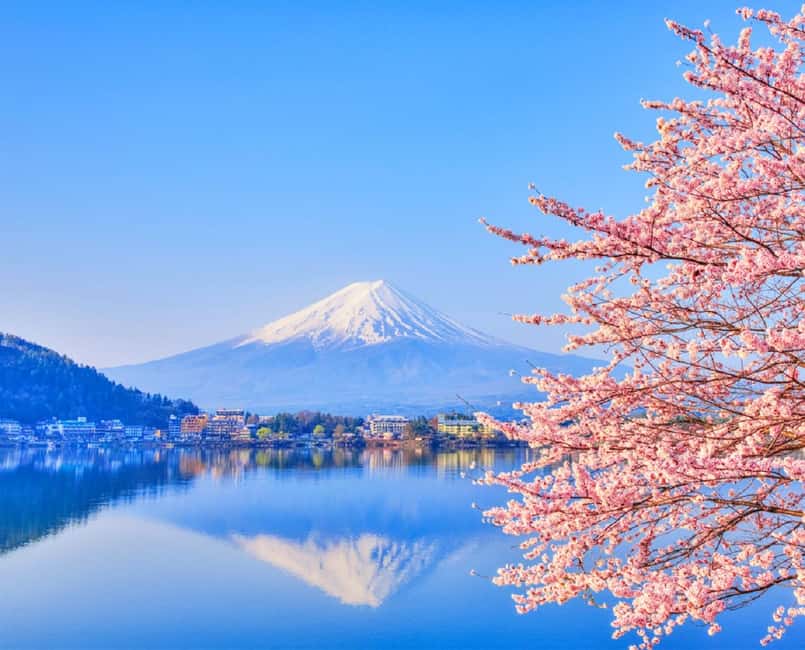
The lake is a useful change of pace after the height and crowds of the ropeway. If the air is clear, you may catch Fuji reflected in the water. Even when the peak is covered, the lakeside setting provides a calm place to walk and reset before the next photo stop.
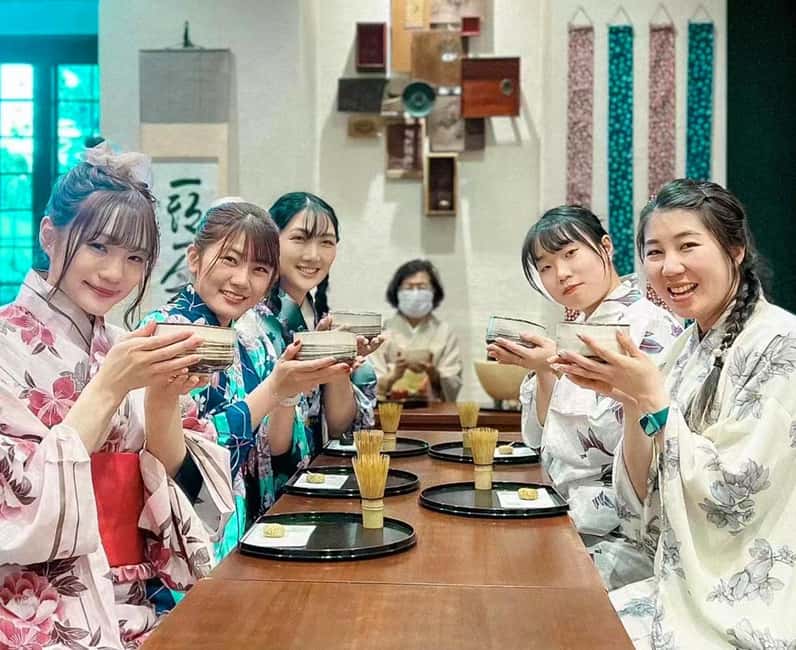
The matcha experience is small but worthwhile. A local instructor shows you how to whisk, serve, and drink your own bowl of matcha. It is not a long formal tea ceremony, and the short timing means you should think of it as a cultural introduction rather than an in-depth lesson.
The useful idea here is Ichigo Ichie, the belief that each meeting is unique and should be valued. That message fits the setting well. You are not simply racing from one picture point to another, at least for a few minutes. You are given a simple Japanese ritual and a reason to pay attention to the moment.
Same place, a different pot:
- Matcha Making Class in Tokyo with Authentic Japanese Sweets Set
★ 5.0 · 744 reviews - Kimono Tea Ceremony at Tokyo, Asakusa Maikoya
★ 5.0 · 638 reviews - Tokyo: Traditional Tea Ceremony with a Tea Master
★ 5.0 · 528 reviews - Tokyo: Matcha Making Experience with Mochi Sweets in Asakusa
★ 4.9 · 388 reviews
The Lawson photo stop and its limits
The Lawson Fujikawaguchiko Town Hall stop lasts about 20 minutes. Across the street, the convenience store lines up with Mt. Fuji in a way that has made this one of the area’s most recognizable social media photographs.
This stop makes sense if you want the picture. The contrast is amusing: an ordinary Lawson sign, a busy road, and one of Japan’s most famous mountains placed neatly behind it. Your guide can help with timing and photographs, but you need to follow local instructions and remain aware of traffic.
I would not expect much more than the photograph. The shop itself is not the attraction, and the area can become crowded. One detailed review suggested dropping this stop because large groups can crowd the street and cause disruption. If you prefer nature, history, or extra time by the lake, this will probably be the least satisfying part of the day.
Lunch, cash, and the practical middle of the day
Lunch is not included. The planned break is about 40 minutes at a local restaurant, but the information allows for buying food at the attractions, bringing your own meal, or choosing a restaurant suggested by the guide.
Bring cash. It is useful for lunch, drinks, snacks, and personal purchases, and the tour specifically advises it. Bringing food is also sensible if you have dietary needs or do not want to spend your short lunch break searching for a suitable meal.
Food feedback was mixed. Some people enjoyed the stop, while another found the suggested meal ordinary and overpriced. Limited choices for people who do not eat meat were also noted. Ask the guide what alternatives are available before settling in, especially if you prefer fish, vegetables, or a quick convenience-store meal.
The 40-minute pause is practical, not leisurely. You can eat, use facilities, and prepare for the next stop, but you should not expect a long restaurant experience.
Oshino Hakkai and eight clear spring ponds
The final major stop is Oshino Hakkai, reached after about 25 minutes by bus. You have roughly an hour here, including a guided visit and time for photographs.
Oshino Hakkai is known for eight spring ponds formed by snowmelt from Mt. Fuji. The water filters through layers of volcanic lava rock before reaching the ponds, which helps explain their clarity. Look for gentle ripples, reflections, and the clean blue-green water around the pond edges.
This is a more grounded stop than the ropeway. Instead of looking at Fuji from above, you are at its foot, seeing how the mountain shapes the water and villages around it. The site is a nationally designated Natural Monument, and the hour gives you enough time to walk, take pictures, and hear the basic story from the guide.
It is also a good final stop because it feels quieter than the Lawson area. You may find souvenir shops and local food stalls, but these operate independently from the tour. Carry some cash and keep track of the return meeting time.
The long ride back to Tokyo
After Oshino Hakkai, the coach returns to central Tokyo. The drive is scheduled for about two hours and twenty minutes, though traffic can stretch that considerably.
This is where the tour’s 10-hour length becomes clear. A few people described the day as long but well broken up by stops. Others found the schedule rushed when traffic cut into sightseeing time. Both impressions can be true: the itinerary has plenty in it, but each stop has a firm limit.
Guides make a large difference on the return journey. A friendly guide who gives clear timing reminders can keep the group relaxed. The strongest guide feedback focused on humor, clear English, cultural information, photo help, and attention to people who needed extra assistance.
Drop-off is at the same two central Tokyo locations, Tokyo Station Marunouchi North Exit 2 or the LOVE sculpture. Keep your evening open in case the bus arrives late.
Who should book this tour?
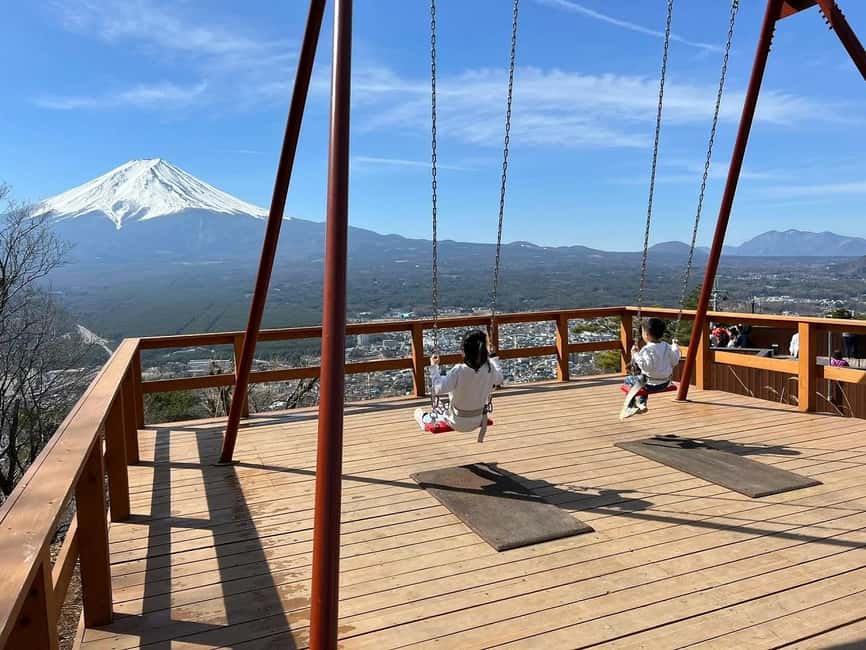
I recommend it for a first visit to Japan, a short Tokyo stay, or anyone who wants a broad introduction to the Mt. Fuji area without handling several transfers. It suits people who value photographs, easy transport, a little culture, and a full day of variety.
It is also a good fit for families and mixed-age groups who would rather ride than navigate. The air-conditioned bus, guide support, and central pickup make the day simple.
I would hesitate if you dislike group schedules, crowded photo points, long bus rides, or fixed meal breaks. People afraid of heights should also avoid it, as should wheelchair users according to the activity information. If seeing Mt. Fuji clearly is your main goal, remember that weather can defeat even the best plan.
Bring comfortable shoes, water, a camera, cash, and food if you want control over lunch. Check your email the evening before for the guide and driver details, and do not plan another fixed activity after the return.
Final verdict: a useful Fuji sampler with one big condition
This is a good-value, busy day that covers the classic Fuji view, a lake, a tea ritual, a social media stop, and the spring ponds of Oshino Hakkai. I especially like the combination of the ropeway and matcha experience. One gives you the grand view, while the other slows the day down.
The main condition is simple: book it for the whole Fuji area, not for a guaranteed perfect mountain photograph. If you accept the weather risk, the long bus rides, and the group pace, this tour gives you a lot for $54 and removes much of the transport hassle.
FAQ
How long does the Mt. Fuji and Lake Kawaguchiko tour last?
The tour lasts about 10 hours, including transportation from central Tokyo and the return journey.
Where does the tour start?
There are two possible starting locations: Tokyo Station Marunouchi North Exit 2 and the Robert Indiana LOVE sculpture. The meeting point depends on the option booked.
Is lunch included?
No. You can bring food, buy lunch at one of the attractions, or eat at a restaurant suggested by the guide. Bring cash for food and personal expenses.
What languages are available for the guide?
Live guides are available in English, Japanese, Korean, and Traditional Chinese.
Is the Mt. Fuji view guaranteed?
No. Visibility depends entirely on weather conditions, so the tour cannot guarantee a clear view of Mt. Fuji.
What happens if the ropeway is closed?
From December 8 to 19, 2025, the ropeway is scheduled to close for regular maintenance, and the itinerary will include a Samurai Ship experience instead. If the ropeway is canceled for weather or another reason, you can request a refund of 1,000 yen per person for the ropeway fee.
What should I bring?
Bring comfortable shoes, water, a camera, cash, and some food if you prefer to bring your own lunch.
Is the tour suitable for wheelchair users or people afraid of heights?
The activity is not suitable for wheelchair users or people afraid of heights.
Just added around Tokyo
- Yokohama : Tea Ceremony with Sweets and Souvenir★ 5.0 · 5 reviews
- Walking Tour: Yanaka,Nezu& Sendagi: Tea Ceremony & Old Tokyo★ 5.0 · 3 reviews
- Private Kimono and tea ceremony at local home near Tokyo Disney★ 5.0 · 6 reviews
- Private Mochi・Matcha sweets Making Class Near Shibuya Area★ 5.0 · 22 reviews
- Tokyo Sweets Tour: Hidden Gems & Matcha at an Old Tea House★ 5.0 · 6 reviews
- Kimono and Tea Ceremony in Asakusa Private Food Tour With Guide★ 5.0 · 4 reviews
- 2 Hours Mochi &Nerikiri Making & Matcha Class in Bunkyo★ 5.0 · 21 reviews
- Tokyo: Tea Ceremony & Japanese Sweets Making★ 5.0 · 10 reviews
Full-Day, compared.
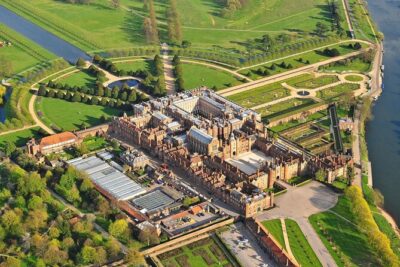
Hampton Court Guided Tour. Full day Access & High Tea
Read our review →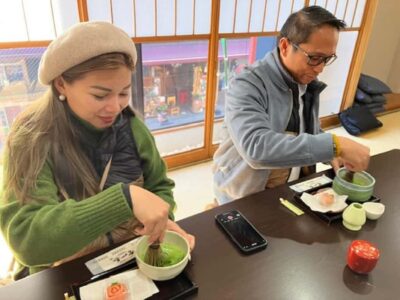
Full-Day Tour w/Tea Experience,Buffet Lunch & Cruise
Read our review →
Samurai, Matcha, Gardens and Geisha Full-Day Tour
Read our review →
Full-Day Tour from Kanazawa: Samurai, Matcha, Gardens and Geisha
Read our review →
Full Day: Furnas, Tea Plantations & More With Lunch
Read our review →
Tower, Cruise, & Harrods Tea Full-Day Experience
Read our review →
Nara Deer Park, Uji Matcha, & Hot Spring Full-Day Tour from Osaka
Read our review →Browse the lists this tour appears in