
Review · UJI
Uji: UNESCO Heritage & Tea Ceremony Walking Tour
Uji rewards curious walkers. This three-hour tour gives you two strong reasons to visit: Byodoin Temple, one of Japan’s most famous Buddhist sites, and a hands-on tea ceremony at Taihoan. I also like the route’s variety, from temple courtyards to suspension bridges and matcha shops. The main drawback is the pace: you will be on foot for most of the tour, with limited time at each stop.
The small group is limited to nine people, which makes it easier to ask questions and hear your English-speaking guide. Guides such as Yuko, Katsuhiko, Katsu, and Nobumasa Miyake have earned praise for clear explanations and warm personalities. Just remember that the tea ceremony takes place in Japanese, with translation from your guide, and photos are not allowed during the ceremony.
Key points to know before you book
- Byodoin receives 50 minutes: You get guided time at Uji’s best-known temple, with admission included.
- The tea ceremony is hands-on: Taihoan provides a traditional setting, instructions, and a chance to take part.
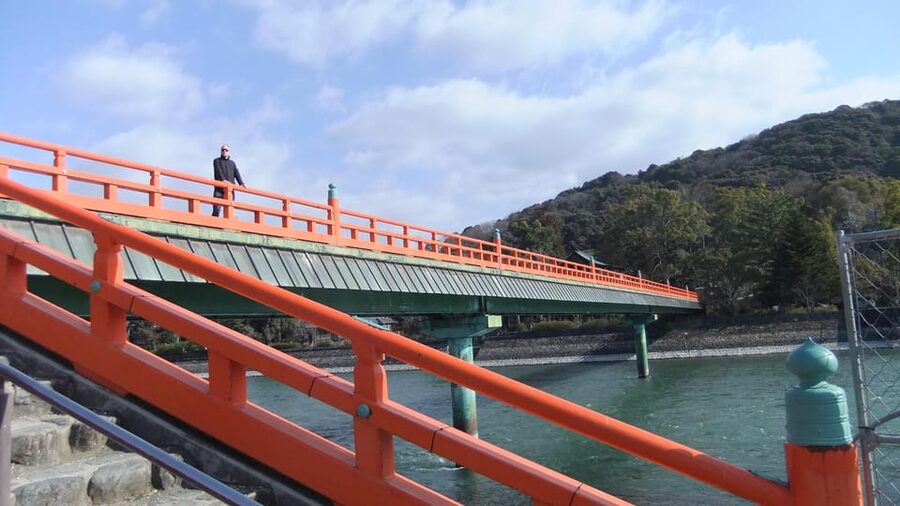
- The route connects major cultural sites: You visit Uji Shrine and Ujigami Shrine after crossing the Tachibara and Asagiri suspension bridges.
- Matcha is part of the experience: Uji’s tea shops and local snacks give you a chance to taste the city beyond its temples.
- The group stays small: With no more than nine participants, the tour feels more personal than a large coach outing.
- Bring cash and comfortable shoes: Personal purchases are not included, and the route requires steady walking.
Why Uji makes a fine half-day from Kyoto
Uji is a good choice when you want a slower, more focused side trip from the Kyoto area. It is famous for green tea, but tea is only part of the story. The town also brings together Buddhist temples, Shinto shrines, old bridges, and quiet river views in a route that works well on foot.
This tour begins at the south exit of JR Uji Station. That is useful because you do not have to find a distant hotel pickup or guess where the group is gathering. Your guide waits in a TripGuru shirt or holds a TripGuru sign, and you should arrive at least 10 minutes early.
I like the way the tour builds its story in a natural order. You start with Uji’s major temple, move into the customs of tea, then visit shrines and finish among shops and food stalls near Uji Bridge. It gives you context before you start shopping for matcha sweets.
The tour costs $66 per person. That price includes the English-speaking guide, Byodoin admission, and the tea ceremony. Personal expenses are extra, including anything you buy during the snack portion. For a three-hour experience with a major temple entrance and a guided ceremony, I consider the price reasonable, particularly if you want one organized introduction rather than several separate tickets and activities.
More Tea Ceremonies in Uji:
- Uji Tea Ceremony and UNESCO Heritage Walking Tour
★ 5.0 · 20 reviews - Kyoto: Tea Ceremony in a Traditional Tea House in Kiyomizu
★ 4.9 · 3,519 reviews - Kyoto: Tea Ceremony Ju-An at Jotokuji Temple
★ 4.9 · 3,207 reviews
Byodoin Temple: the tour’s essential stop
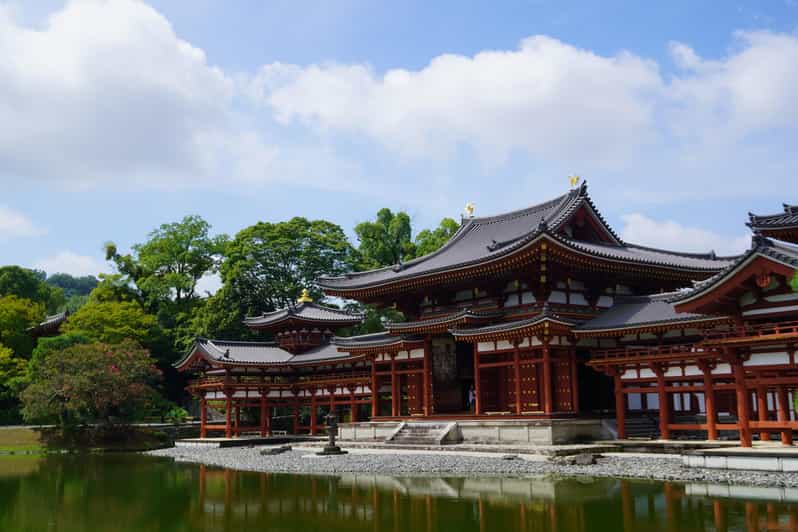
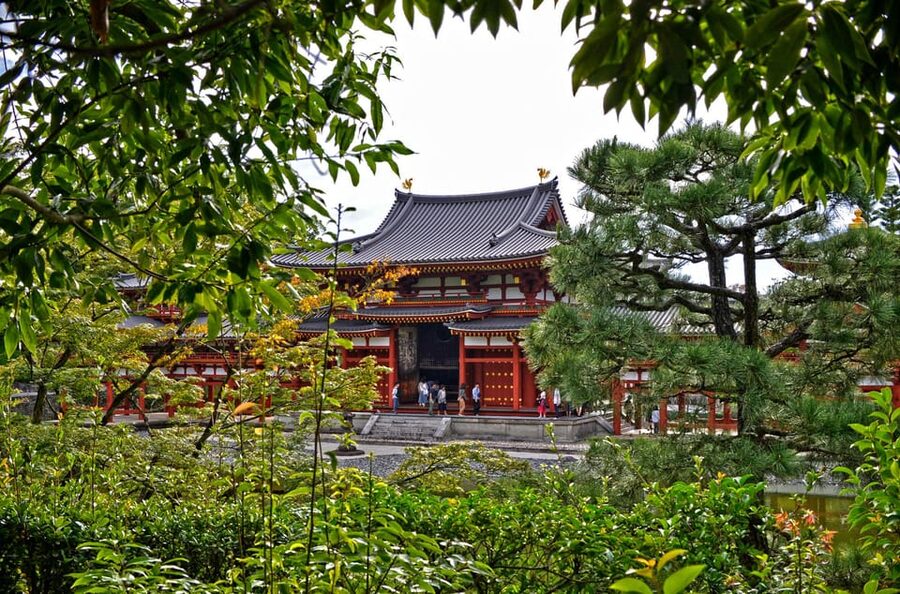
The first major stop is Byodoin Temple, with about 50 minutes for a guided visit. This is the visual centerpiece of the tour, and it deserves that amount of time. The temple is a UNESCO World Heritage Site, known for its graceful architecture and long connection with Japanese Buddhism.
The most useful part of having a guide here is the explanation. A good guide can help you understand what you are seeing instead of reducing the visit to a few photographs. Katsuhiko, Yuko, Katsu, and Nobumasa Miyake have all been praised for making temple and shrine customs easier to understand, especially for people who are new to Japanese culture.
Fifty minutes is enough for a focused visit, but it is not a leisurely, open-ended exploration. If you like to linger over every architectural detail, take many photographs, or read every sign, you may wish you had more time. The advantage is that the schedule keeps moving and leaves room for the tea ceremony and two shrines.
Your guide can also explain the difference between Buddhist temples and Shinto shrines, a distinction that becomes important later in the day. That background makes the next part of the route more meaningful.
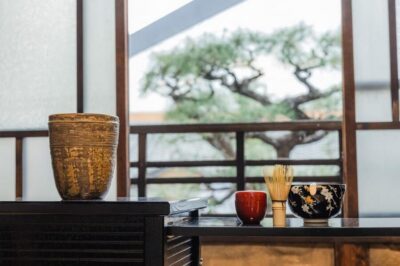
Taihoan tea ceremony: calm, formal, and participatory
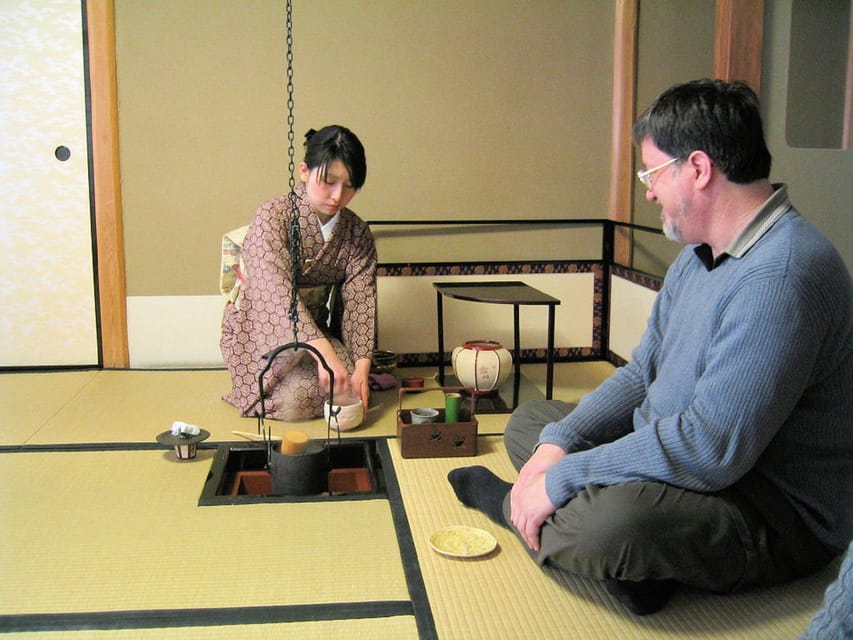
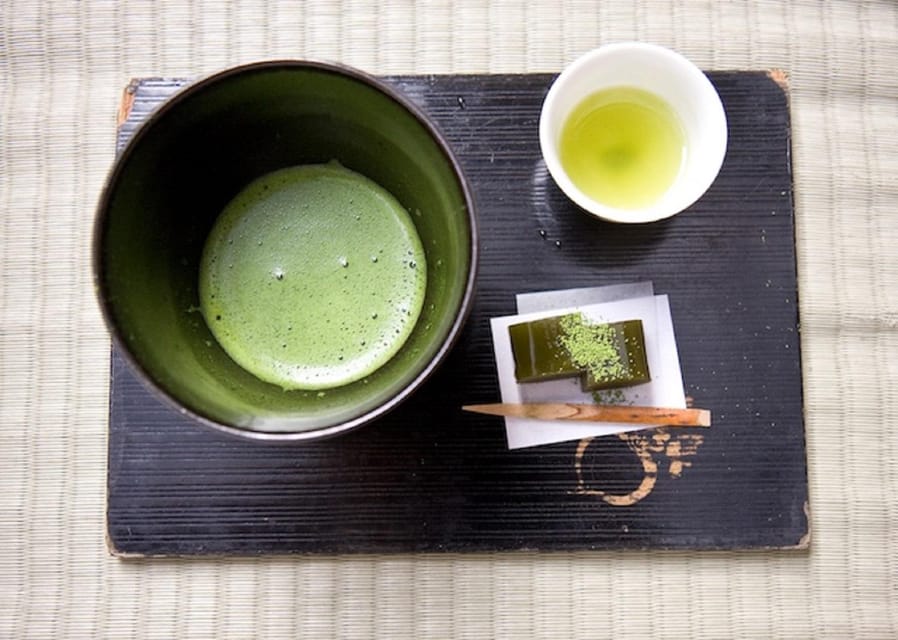
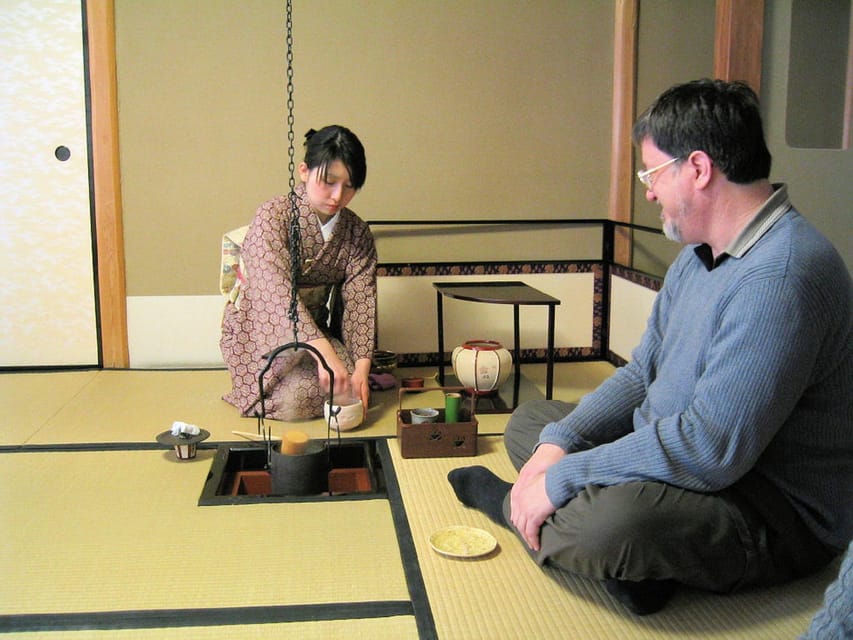
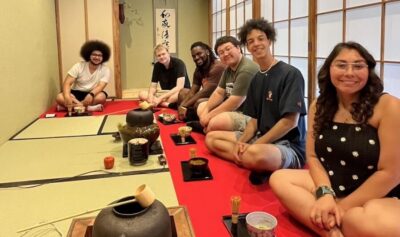
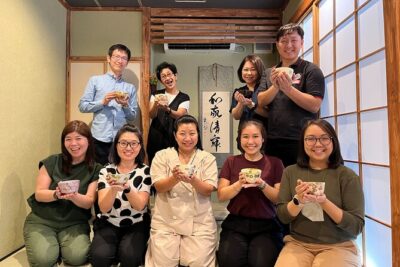
The tea ceremony at Taihoan lasts about 30 to 40 minutes, depending on how the schedule is described. It is the most distinctive part of the experience because you are not simply watching a demonstration. You receive instructions and have the chance to try elements of the ceremony yourself.
The ceremony is conducted in Japanese. Your guide translates the process, so you can follow the gestures, order, and etiquette without needing Japanese language skills. This arrangement preserves the character of the ceremony while giving you the cultural explanation you need.
I would treat this as a real introduction to tea practice, not a casual cup of matcha. The pace is deliberate, and the rules can feel precise at first. That is part of the point. You are learning how presentation, movement, and respect shape the experience.
The host is described as welcoming and forgiving when someone misses a step. That matters because the ceremony can feel intimidating if you expect to perform perfectly. You do not need prior knowledge. Listen to the instructions, copy the movements, and accept that a small mistake is normal.
You cannot take photographs or record video during the ceremony. For some people, that is a disappointment. I see it as a useful boundary that keeps phones from turning a quiet cultural activity into a photo session. Put the camera away and pay attention to the details your guide points out.
Bridges and river views add breathing room
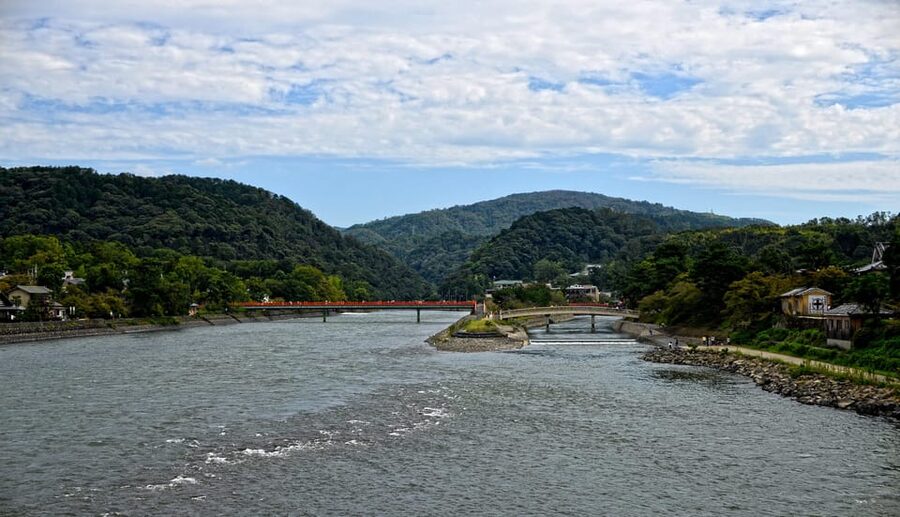
After the tea ceremony, the group walks for about 10 minutes before reaching the shrine portion of the route. The walk across the Tachibana and Asagiri suspension bridges provides a change of mood after the formality of Taihoan.
These bridges are included for their views across Uji’s river setting. You get a chance to look outward, take photographs, and enjoy a less structured part of the tour. The exact pace will depend on the group, so photographers should be ready to take pictures when the guide pauses rather than expect a long photography session.
The bridges also make the route feel like a walk through a real town rather than a chain of indoor attractions. You see how Uji’s water, roads, temples, and neighborhoods fit together. Since the tour is on foot, comfortable shoes are important. This is not a difficult mountain hike, but it is not a ride between monuments either.
Anyone with a mobility impairment should think carefully before booking. The activity is also not suitable for pregnant women or people with heart or respiratory conditions, according to the stated restrictions. If steady walking or bridge crossings may be difficult for you, a slower private plan could be a better choice.
More History Tours in Uji:
- Slow Cycling Tour at Uji’s Matcha Green Tea Fields and Heritage
★ 5.0 · 25 reviews - World Heritage Kyoto & Nara Uji Authentic Matcha Experience
★ 5.0 · 1,573 reviews - Beijing Culture: Tea Ceremony, Heritage Instrument & Calligraphy
★ 5.0 · 57 reviews - Tea and Doughnuts: Historic Walking Food Tour of Southwark
★ 4.6 · 14 reviews
Uji Shrine and Ujigami Shrine: seeing two sides of Japanese belief
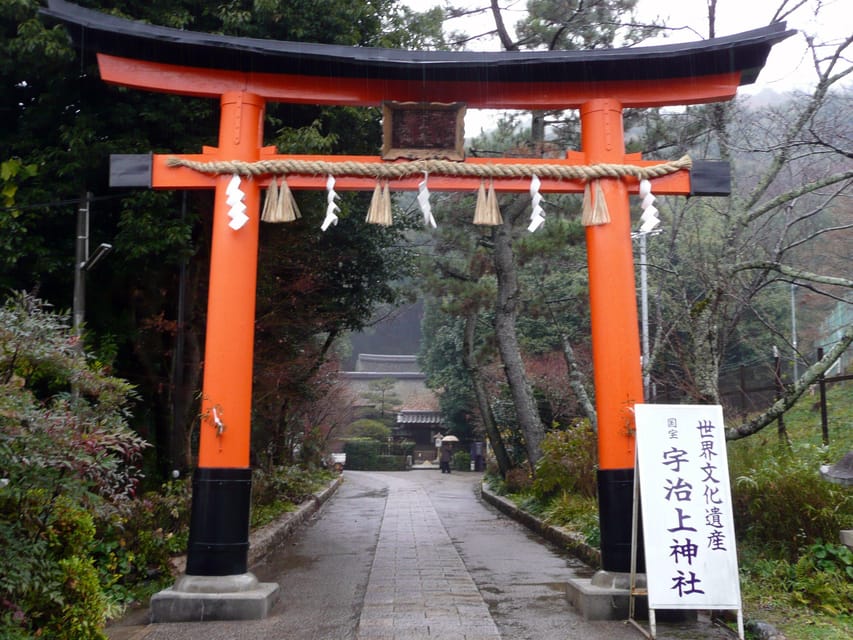
The next stops are Uji Shrine and Ujigami Shrine, with around 20 minutes at each. These are shorter visits than Byodoin, but they help explain the religious character of Uji.
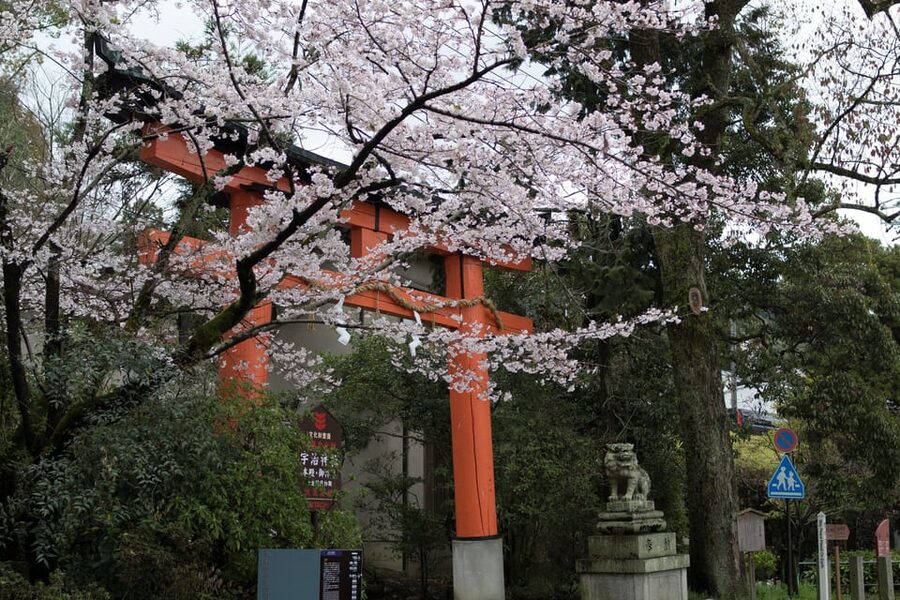
At Uji Shrine, your guide can introduce Shinto customs and show you how a shrine differs from a Buddhist temple. This is where a good English explanation makes a real difference. Visitors unfamiliar with Japan may notice gates, purification areas, offering spaces, and shrine buildings without understanding what each part means.
Ujigami Shrine adds another layer to the route. It is revered for its cultural importance, and the visit gives you another setting in which to ask questions about Japanese religious traditions. The two shrines work well together because you can compare them while the information is still fresh.
Twenty minutes per shrine is enough for an introduction, not a detailed study. If your main interest is religious architecture, you may want to return on your own. On this tour, the goal is to connect the sites and explain their place in Uji’s culture.
The guides’ teaching style is one of the tour’s strongest features. Yuko is often praised for answering questions patiently and making unfamiliar customs comfortable. Katsu and Katsuhiko are also described as friendly and engaging. The exact guide matters, but the format gives each guide room to explain rather than rush a large crowd through.
Matcha, local snacks, and the final walk to Uji Bridge
The final 40 minutes focus on local snacks and tea culture, ending at Uji Bridge. This portion is less formal than the temple and ceremony visits, and it gives you time to connect what you have learned with everyday food.
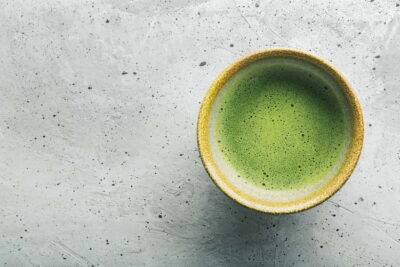
Uji is famous for green tea, especially matcha, and you will have opportunities to see tea products and local treats as you walk. Depending on what interests you, you might look for matcha sweets, mochi, drinks, or other tea-flavored foods. Personal purchases are not included, so bring cash if you want to shop.
This is one place where the guide can add real value. A guide who knows the area can point you toward matcha shops, restaurants, and mochi shops instead of leaving you to choose at random. Several guides have been praised for giving practical food recommendations, which can be more useful than another list of famous sights.
Do not assume that every snack or purchase is covered by the $66 price. The tour includes the guided visit and tea ceremony, while personal expenses are excluded. Ask your guide what is included before buying or tasting anything that carries a charge.
The route finishes at Uji Bridge, not back at the station. That is convenient if you want to continue exploring, shop for tea, or find a meal in the area. It also means you should not plan on being returned to your hotel. There is no hotel pickup or drop-off.
What the small group changes
A maximum of nine participants is a useful middle ground. You get the social feel of a group tour without the crowd of a large bus. It is easier to hear temple explanations, ask about etiquette, and stay together on the walking route.
A small group can also affect the mood of the tea ceremony and shrine visits. The experience feels more orderly when everyone can see and hear the guide. It also gives the guide a better chance to learn what interests you, whether that is Buddhism, Shinto, tea, food, or architecture.
The tradeoff is that a three-hour tour still has a fixed rhythm. You cannot expect to spend an hour at every temple or stop for a long meal. If you prefer total freedom, this may feel structured. If you want an efficient first look at Uji, the structure is helpful.
The tour is offered in English, and past guide assignments have included Yuko, Katsuhiko, Katsu, and Nobumasa Miyake. Their styles may differ, but the strongest common thread is patient explanation. That is particularly valuable during the tea ceremony, where the host speaks Japanese and translation is needed.
Practical details that affect your day
Wear shoes suitable for walking and bridge crossings. You should also carry a camera for the outdoor portions, though it must stay away during the tea ceremony.
Bring cash. Personal expenses are not included, and Uji’s tea shops and snack stops are more enjoyable if you do not have to pass up a purchase. You may also want a small bag for tea or sweets.
Traffic can be heavy in the morning, and travel times shown by navigation apps may not match conditions on the road. If you are reaching JR Uji Station from elsewhere, allow extra time and aim to arrive at least 10 minutes before the stated start time.
The tour offers free cancellation up to 24 hours before departure and allows you to reserve now and pay later. Check the available start times when booking, since the duration is fixed at three hours but the schedule can vary.
The experience is not suitable for pregnant women, people with mobility impairments, or people with heart or respiratory issues. Those restrictions matter because the route includes sustained walking and several outdoor sections.
Who should book this Uji tour?
I would recommend it most strongly to first-time visitors who want Uji explained rather than simply photographed. You get the town’s major temple, an actual tea ceremony, two important shrines, bridge views, and local food suggestions in one compact visit.
It also suits anyone curious about Japanese customs. The guide’s explanations help you understand how Buddhist temples, Shinto shrines, tea etiquette, and local food fit together. The tour is especially useful if you have limited time and want more substance than a quick stop at Byodoin.
Matcha fans will find plenty to enjoy, but you do not need to be a tea expert. The ceremony is designed for beginners, and the host is described as friendly when participants need help.
I would hesitate if you dislike walking, prefer to travel alone, or want long unstructured periods at each site. You should also look elsewhere if photography is your main goal, since the ceremony prohibits both photographs and video.
Should you book it?
Book this tour if you want an efficient, culture-focused introduction to Uji with a small group and an English-speaking guide. The best value comes from the combination of Byodoin admission, guided temple and shrine visits, and a participatory tea ceremony. Add the food and shopping advice, and $66 is a fair price for three well-used hours.
Skip it if you already know Uji well or want to explore at your own speed. For most first-time visitors, though, this route gives you a clear feel for why Uji is more than a matcha shopping stop.
FAQ
Where does the Uji tour begin?
The meeting point is the south exit of JR Uji Station. Your guide will wear a TripGuru shirt or hold a TripGuru sign.
Where does the tour finish?
The tour ends at Uji Bridge. Hotel pickup and drop-off are not included.
How long does the tour last?
The experience lasts three hours. The schedule includes approximately 50 minutes at Byodoin Temple, a 30 to 40 minute tea ceremony, visits to Uji Shrine and Ujigami Shrine, and time for local snacks.
Is the tea ceremony conducted in English?
The tea ceremony is conducted in Japanese. Your English-speaking guide translates the instructions and explains what is happening.
Can I take photographs during the tea ceremony?
No. Photo and video recording are prohibited during the tea ceremony.
What does the $66 price include?
The price includes an English-speaking guide, the tea ceremony, and entrance to Byodoin Temple. Personal expenses, including purchases at snack and tea shops, are not included.
More Walking Tours in Uji
- Great Ocean Road Tour Plus Koalas, Forest Walk and Morning Tea
★ 4.5 · 1,068 reviews - Marrakech: Medina by Night Walking Tour with Moroccan Tea
★ 4.6 · 586 reviews - Great Ocean Road 12 Apostles & Rainforest Walk with Morning Tea
★ 4.5 · 549 reviews - London: Kensington Palace Afternoon Tea & Guided Walk
★ 4.6 · 341 reviews
Just added around Uji
- Kyoto tea town for matcha lovers★ 5.0 · 16 reviews
- Uji: Private immersion into Kyoto’s tea and reglious culture★ 5.0 · 17 reviews
- Kyoto Matcha Green Tea Tour★ 4.5 · 23 reviews
- Uji Tea Ceremony and UNESCO Heritage Walking Tour★ 5.0 · 20 reviews
- Uji and Wazuka Matcha Farm Half Day Private Guided Tour★ 5.0 · 21 reviews
- 7 Hours Private Guided Tour Uji and Wazuka Matcha Farm★ 5.0 · 2 reviews
- Utilising upcycled Matcha! Creating matcha incense (Uji, Kyoto)★ 5.0 · 6 reviews
- Half Day Matcha Tour in Uji, home of culture, with a local★ 4.8 · 14 reviews
Tea Ceremony Experiences, compared.
Tea Ceremony in a Traditional Tea House in Kiyomizu
Read our review →
Browse the lists this tour appears in