
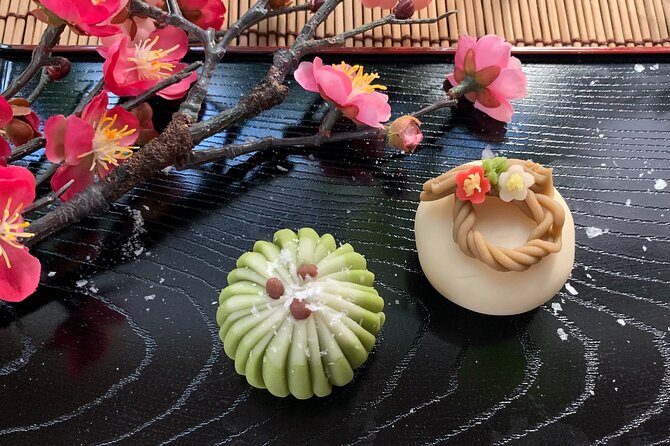
Review · TOKYO
2 Hours Mochi &Nerikiri Making & Matcha Class in Bunkyo
Make sweets, not just memories. This private two-hour wagashi class in Bunkyo gives you hands-on practice with mochi, dango, nerikiri, and matcha in a Japanese home. I like the personal teaching from Yuko, a bilingual native Japanese instructor trained by the Wagashi Association of Japan. I also like the calm, intimate setting, where you work at one table instead of being lost in a large cooking group.
The main consideration is price. At $78.83 per person, this is not a cheap snack stop. You are paying for private instruction, cultural explanation, ingredients, and time with the teacher. If you only want to taste Japanese sweets, a shop or tea counter will cost less. If you want to learn how to make them yourself, the price is easier to justify.
Key Points to Know Before You Book
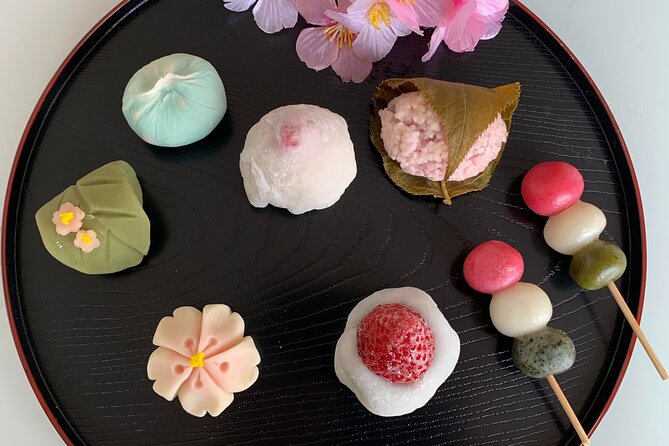
- You choose among three course formats: Mochi and dango, nerikiri, or a combination of mochi, dango, and nerikiri.
- The class takes place in Yuko’s home: Expect a personal kitchen and dining-room setting rather than a commercial cooking studio.
- The instruction is private: Only your group participates, so Yuko can adjust her pace and explain each step closely.
- You make sweets with cultural meaning: Mochi, dango, and nerikiri connect with celebrations, new beginnings, special events, and tea ceremony customs.
- The class begins at 10:00 a.m.: It lasts about two hours and ends back at the meeting point in Bunkyo.
- It works well for solo visitors and families: Previous participants particularly valued the friendly one-to-one atmosphere and patient teaching.
Why Wagashi Makes a Good Tokyo Activity
Japanese sweets are small, careful, and often seasonal. Wagashi is not simply dessert served after a meal. The shapes, colors, fillings, and occasions can all carry meaning.
That gives this class more substance than a basic cooking lesson. You learn a food skill, but you also get a window into Japanese customs. The course connects mochi with occasions such as New Year and new births, dango with special events, and nerikiri with tea ceremony culture.
I like this kind of activity because it gives you something useful to take home. You are not only buying a pretty sweet and eating it on the spot. You are learning techniques that you can try again later, with Yuko’s explanations to help you remember what you did.
The recipes are presented as suitable for beginners. You do not need previous experience preparing Japanese food. That matters here, since shaping wagashi can look much harder than it is. The teacher demonstrates the process, then lets you work through it yourself.
More Matcha Experiences in Tokyo
- Matcha Making Class in Tokyo with Authentic Japanese Sweets Set
★ 5.0 · 744 reviews - Tokyo: Matcha Making Experience with Mochi Sweets in Asakusa
★ 4.9 · 388 reviews - Asakusa Cultural Walk & Matcha Making Tour
★ 5.0 · 245 reviews
Meeting Yuko in Bunkyo
The meeting point is 1-chōme-27-8 Sekiguchi, Bunkyo City, Tokyo 112-0014. The class starts at 10:00 a.m., and the venue is near public transportation, making it a practical choice before a day of sightseeing.
Bunkyo is a central Tokyo neighborhood, but this activity does not ask you to spend half a day crossing the city. The short format fits neatly into a busy itinerary. You can schedule it in the morning, then continue exploring Tokyo afterward.
Give yourself enough time to find the address. The class takes place in a home, not a clearly marked attraction with a large entrance sign. Yuko has contacted participants early to help them understand how to reach the class, which is useful for an activity based at a private residence.
When you arrive, expect a warm domestic setting rather than a polished cooking school. The kitchen and dining room are part of the appeal. You sit at one table, receive direct help, and have room to ask questions without competing with a large group.
The First Lesson: Understanding Japanese Sweets
The class begins with an introduction to traditional Japanese sweets and their place in Japanese life. This opening gives you a reason for the shapes and styles you are about to create.
Yuko teaches in both Japanese and English, which makes the lesson accessible to international visitors. Her background with the Wagashi Association of Japan adds useful structure to the class. You are not simply following a recipe copied from a home cookbook. You are learning from someone trained in the craft.
The cultural explanations are one of the strongest reasons to choose this class. The sweets have connections to New Year, births, special events, and tea ceremony. Those details help you see why wagashi is often made with such care.
The class also starts and finishes with tea. One participant described beginning with Japanese tea and ending with matcha, giving the session a pleasant rhythm. The drinks help turn the class into a small cultural visit, not just a sequence of kitchen tasks.
Making Mochi and Dango by Hand
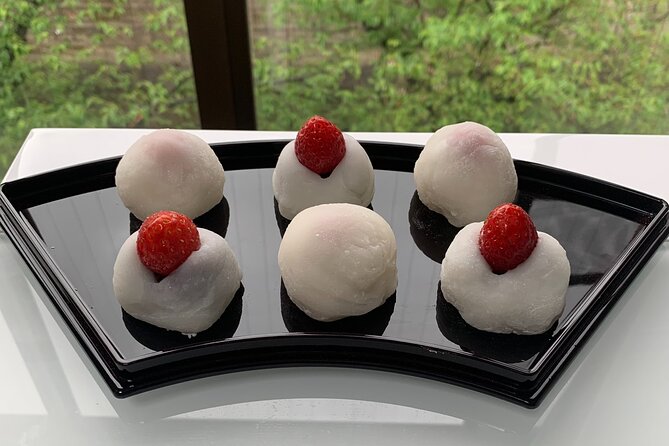
The mochi and dango option focuses on two familiar Japanese sweets with different textures and uses. You get to follow the preparation step by step, then shape the sweets yourself.
Mochi making can be surprisingly satisfying. The finished pieces may look delicate, but the process gives you a clear physical task. You handle the ingredients, follow Yuko’s demonstration, and adjust your technique as she watches.
This is where the private format earns its keep. If your first shape is uneven, you can ask for help immediately. If you are already comfortable with the basics, Yuko can spend more time on details and presentation.
Dango brings another style of Japanese sweet to the table. Its connection with special events gives the cooking a cultural frame, while the hands-on work keeps the class relaxed and practical.
The pace appears gentle rather than rushed. That is good for families and first-time cooks, though it may feel slow if you already make Japanese sweets at home. The session is designed around learning, not producing a large quantity as quickly as possible.
More Tea and Sweets Making in Tokyo
- Make Traditional Nerikiri Sweets & Matcha experience in Shibuya
★ 5.0 · 130 reviews - Sweets Making and Kimono Tea Ceremony at Tokyo Maikoya
★ 5.0 · 57 reviews - Japanese Traditional Sweets making and Tea Ceremony
★ 4.7 · 50 reviews - Tokyo: Two Types of Japanese Sweets Making and Tea Ceremony
★ 4.6 · 26 reviews
Shaping Nerikiri for Tea Ceremony
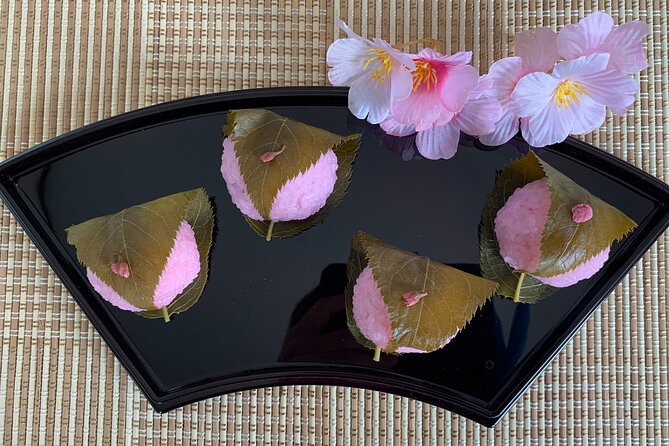
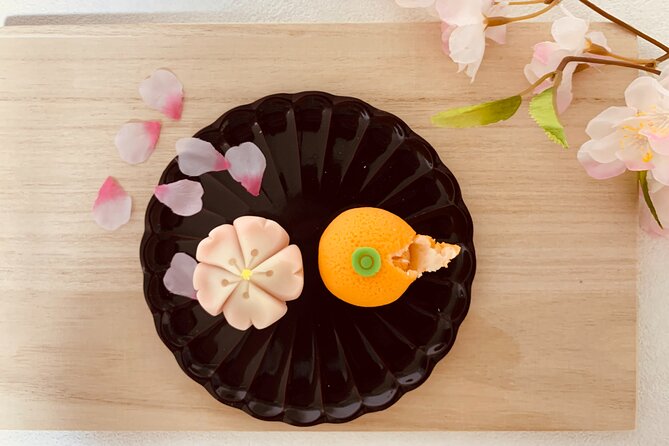
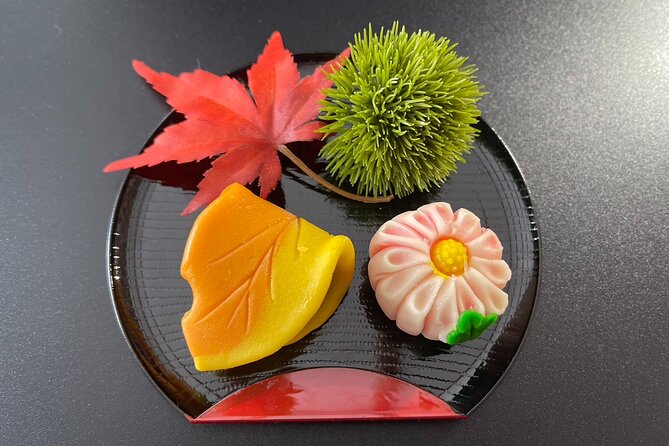
The nerikiri course is the more artistic choice. Nerikiri is associated with tea ceremony, and the emphasis is on careful shaping and decorative designs.
This is the part I would choose if you enjoy crafts as much as cooking. You work with soft, colorful sweet material and create forms that can look far more elaborate than the basic ingredients suggest.
Yuko demonstrates each step with precision, then guides you as you imitate the technique. The process rewards patience. You may surprise yourself with the result, even if you do not think of yourself as artistic.
Participants have made different designs during the class, including a Halloween ghost. That detail shows how the activity can include seasonal or playful shapes rather than only formal designs.
Nerikiri also gives the class a visual payoff. You leave with sweets that are attractive enough to photograph before eating. The best part is that the decoration is not only for show. It teaches you how presentation matters in Japanese confectionery.
Choosing the Combination Course
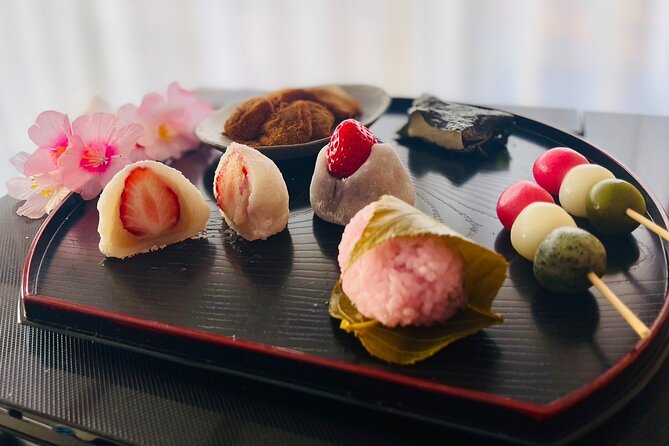
The combination course includes mochi, dango, and nerikiri. It is the broadest option and gives you the clearest sense of how Japanese sweets differ in texture, technique, appearance, and cultural use.
Choose this version if you want the fullest two-hour lesson and do not expect to master one technique in great depth. You will sample several kinds of work, from shaping mochi to creating more decorative nerikiri.
If you are mainly interested in one sweet, the shorter focused options may suit you better. A private class lets you concentrate on the style that most appeals to you, instead of trying to cover everything.
Families may appreciate the combination because it offers several types of activity at one table. One person can enjoy the hands-on shaping, another can focus on decoration, and everyone can compare the finished sweets.
The course choices should be checked carefully when booking. The three formats are mochi and dango, nerikiri, or the combined mochi, dango, and nerikiri class.
A Private Class That Feels Personal
The class is limited to your own group. That is a major difference from a large workshop where the teacher must repeat instructions for several tables.
Yuko’s teaching style is patient and attentive. She demonstrates each stage, explains what you are doing, and gives you time to copy the technique. Solo participants can join without feeling out of place, while families get a shared activity that suits different ages and skill levels.
The home setting also changes the tone. You are welcomed into a kitchen and dining room, and the session can feel more like learning with a generous host than attending a formal attraction.
That intimacy will not suit everyone. Some people prefer a professional studio with commercial equipment, a larger work area, or a more public setting. Here, the domestic atmosphere is part of the package. If you want a polished production kitchen, this is not that.
For me, the home setting is a strength because the sweets have a personal and cultural context. You get to sit down with a Japanese teacher, ask questions, and see the activity unfold in a real household environment.
How Much Value Do You Get for $78.83?
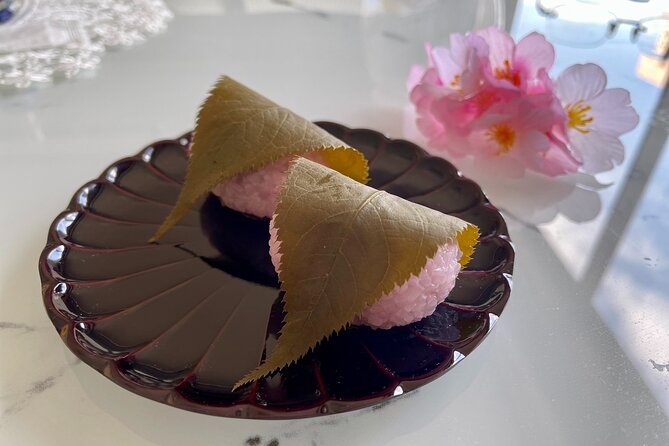
At $78.83 per person, the class costs more than a casual dessert tasting. It is important to understand what you are buying.
You receive roughly two hours of private instruction, ingredients, several hands-on techniques, cultural context, tea, matcha, and the chance to make sweets with guidance. You also finish with practical skills that you can try again at home.
The value is strongest for people who want an experience rather than a snack. If you are interested in Japanese food, crafts, or home cooking, the personal instruction makes the fee more reasonable.
Some participants have also taken sweets home in a tray, and one person received a small goodie bag with keepsakes. These extras are not the central promise of the class, so you should not book solely for them. Treat them as a possible bonus rather than a guaranteed part of the package.
The private format is another reason the cost may make sense. You are not paying for a crowded group activity. Your party receives the teacher’s attention, which can make the lesson more useful and less intimidating.
Still, budget-conscious visitors should compare this with the many inexpensive wagashi shops and tea counters around Tokyo. Those places let you taste finished sweets for much less. This class earns its price through participation and personal teaching.
Who Will Enjoy This Most?
I would recommend the class to:
- Solo visitors who want a friendly activity with direct conversation.
- Families looking for a shared indoor experience.
- Food lovers who want to understand Japanese sweets rather than simply eat them.
- Creative people who enjoy shaping and decorating food.
- Beginners who prefer patient guidance over complicated recipes.
- Returning Japan visitors who want something beyond temples, shopping, and major sights.
It is also a good fit for anyone with a tight schedule. Two hours is long enough to feel worthwhile but short enough to fit between other plans.
You may want to skip it if your main goal is a full meal, advanced pastry training, or a large production kitchen. This is a cultural sweets lesson in a private home, not a professional chef certification course.
Practical Details Before You Go
Your confirmation arrives when you book, and the experience uses a mobile ticket. The start time is 10:00 a.m., and the activity ends at the same meeting point.
Because the class is private and home-based, arrive with the address and booking details easy to access on your phone. The venue is near public transportation, but you should still allow time to locate the exact residence.
The cancellation policy is flexible if your plans change early. You can receive a full refund when you cancel at least 24 hours before the local start time. Cancellations or changes made less than 24 hours ahead are not refunded or accepted.
The experience is offered by Waga・Chic Japanese Sweets Making Class. The strongest practical advantage is the direct contact with the instructor, especially if you need help getting to the venue.
Should You Book This Bunkyo Wagashi Class?
Book it if you want to spend two relaxed hours learning directly from Yuko in a Japanese home. The class combines food, craft, tea, and cultural explanation in a way that feels personal rather than packaged.
The biggest strengths are the private format, the patient bilingual instruction, and the range of sweets you can make. The main weakness is the price for a short activity, especially if you only want to taste wagashi.
For a family, solo visitor, or food-focused Japan itinerary, I think the class offers strong value because you leave with skills and a better understanding of why these sweets matter. Choose the combination course for variety, nerikiri for decorative work, or mochi and dango for a more focused lesson.
FAQ
Where does the mochi and nerikiri class take place?
The class takes place at 1-chōme-27-8 Sekiguchi, Bunkyo City, Tokyo 112-0014, Japan, in a Japanese home near public transportation.
What time does the class start?
The class starts at 10:00 a.m.
How long does the experience last?
The course lasts approximately two hours.
Is this a private activity?
Yes. Only your group participates in the class.
What types of sweets can I learn to make?
You can choose a mochi and dango course, a nerikiri course, or a combination course covering mochi, dango, and nerikiri.
Can I cancel for a full refund?
Yes, if you cancel at least 24 hours before the experience start time. Cancellations made less than 24 hours ahead are not refunded.
More Two-Hour Experiences in Tokyo
- Skipton: 2-Hour Afternoon Tea Cruise
★ 4.8 · 508 reviews - Twinings 2-Hour Tea Tasting Masterclass in London
★ 5.0 · 105 reviews - Agafay Desert, 2H of Quad Biking, tea & transfer from Marrakech
★ 5.0 · 55 reviews - Sydney Harbour: 2-Hour Morning Yacht Cruise with Morning Tea
★ 4.8 · 42 reviews
Just added around Tokyo
- Yokohama : Tea Ceremony with Sweets and Souvenir★ 5.0 · 5 reviews
- Walking Tour: Yanaka,Nezu& Sendagi: Tea Ceremony & Old Tokyo★ 5.0 · 3 reviews
- Private Kimono and tea ceremony at local home near Tokyo Disney★ 5.0 · 6 reviews
- Private Mochi・Matcha sweets Making Class Near Shibuya Area★ 5.0 · 22 reviews
- Tokyo Sweets Tour: Hidden Gems & Matcha at an Old Tea House★ 5.0 · 6 reviews
- Kimono and Tea Ceremony in Asakusa Private Food Tour With Guide★ 5.0 · 4 reviews
- Tokyo Tea Ceremony Class at a Traditional Tea Room★ 5.0 · 2 reviews
- Tokyo: Tea Ceremony & Japanese Sweets Making★ 5.0 · 10 reviews
Matcha Experiences in Tokyo, compared.
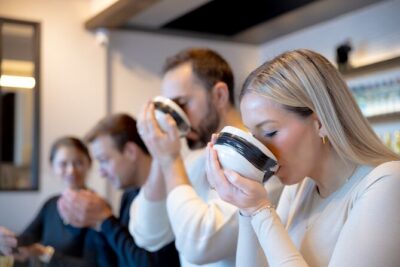
Matcha Making Class in Tokyo with Authentic Japanese Sweets Set
Read our review →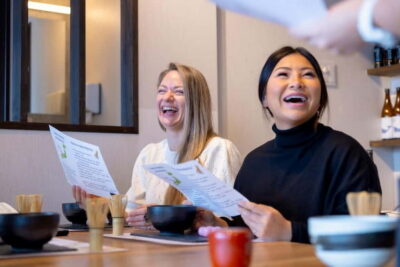
Matcha Making Experience with Mochi Sweets in Asakusa
Read our review →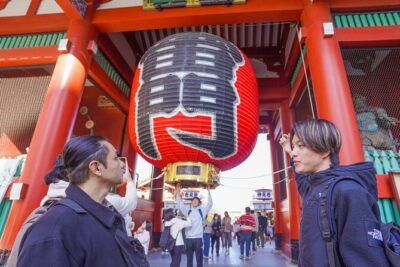
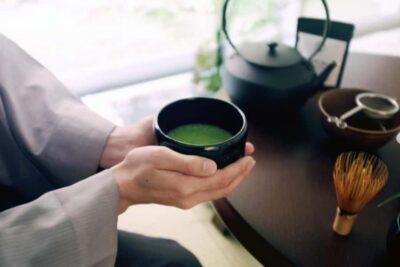
Asakusa: Kimono Tea Ceremony with Matcha and Sweet
Read our review →
Make Traditional Nerikiri Sweets & Matcha experience in Shibuya
Read our review →
Browse the lists this tour appears in