
Review · TOKYO
Tokyo Cherry Blossom Matcha Experience in Yoyogi Park (Shibuya)
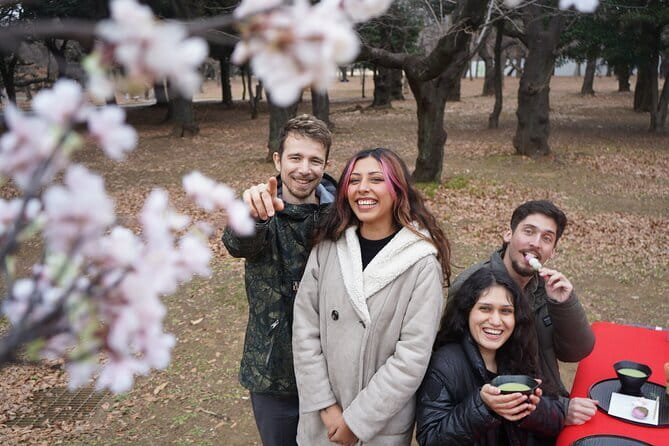
Cherry blossoms make tea taste better. This one-hour Yoyogi Park outing combines rare Uji matcha with spring sakura, a rare chance to enjoy Japanese tea outdoors rather than in a formal room. I like the small maximum of six people, and I like that a certified Matcha Hospitality Adviser guides you through the process in clear English. The main catch is timing: this activity runs for only about two weeks each spring, and poor weather can cancel it.
You meet near Harajuku Station and walk into the Yoyogi Park area, close to Shibuya, Shinjuku, and Omotesando. You whisk your own tea with traditional tools, eat seasonal wagashi sweets, and learn the basics of Japanese hospitality without needing special clothing or prior experience.
The price is $100.80 per person, so this is not a cheap cup of tea in the park. Still, the fee covers several cups of matcha, sweets, instruction, cultural context, and a small-group setting during Tokyo’s most sought-after season. For the right visitor, it can be a calm break from crowded sightseeing.
Key points at a glance
- Cherry blossom timing: Available from around March 23 for roughly two weeks, depending on the trees and weather.
- Small group: A maximum of six people gives the host room to help with whisking and questions.
- Rare Uji matcha: You taste matcha described as normally unavailable to visitors, served with traditional tools.
- Relaxed format: This is a beginner-friendly picnic, not a strict tea ceremony with formal rules.
- Easy access: The meeting point is near Harajuku Station, with Shibuya, Yoyogi Park, and Omotesando close by.
- Photo option: You can add an optional photo session to record the sakura setting.
Why this Yoyogi Park tea experience feels different
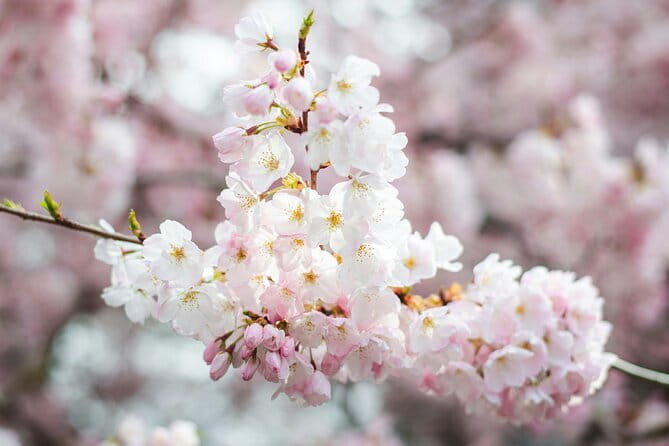
Tokyo offers many tea activities, but this one places matcha in a public park during cherry blossom season. That changes the mood. Instead of sitting in a quiet tea room and following a formal sequence, you get an outdoor setting, seasonal flowers, and a chance to ask simple questions without feeling out of place.
The activity is led by a certified Matcha Hospitality Adviser. That matters because matcha can seem mysterious if you have never prepared it yourself. You learn how to handle the bowl, use the bamboo whisk, and make a drink that is more than sweet green powder stirred into hot water.
The tone is intentionally easygoing. You do not need to know Japanese customs, bowing rules, or tea vocabulary. You also do not need a kimono or special shoes. Come dressed for a park visit and be ready to sit outdoors.
I especially like the combination of hands-on activity and explanation. You are not simply handed a prepared bowl. You make your own matcha, taste several cups, and pair the tea with traditional and modern Japanese sweets. That gives the hour a clear shape and makes the price easier to understand.
More Matcha Experiences in Tokyo
- Matcha Making Class in Tokyo with Authentic Japanese Sweets Set
★ 5.0 · 744 reviews - Tokyo: Matcha Making Experience with Mochi Sweets in Asakusa
★ 4.9 · 388 reviews - Asakusa Cultural Walk & Matcha Making Tour
★ 5.0 · 245 reviews
Starting near Harajuku Station
The meeting point is at Harajuku Station, at 1 Chome-18 Jingumae, Shibuya, Tokyo 150-0001. This is a useful starting place because Harajuku connects easily with some of Tokyo’s best-known spring sights.
Plan your arrival carefully. The activity is short, and a late start would cut into the time available for tea and conversation. Your confirmation provides the booking details, and the activity is near public transportation.
Harajuku can be crowded, especially during cherry blossom season. Give yourself extra time to reach the meeting point, find the right station exit, and orient yourself before the host arrives. The listed meeting point is not a hotel pickup, so you are responsible for getting there.
The group then heads toward Yoyogi Park. The exact walking details are not specified, but the park is the central setting for the matcha picnic. The route places you close to major Tokyo neighborhoods without requiring a long transfer across the city.
The Yoyogi Park matcha picnic
Yoyogi Park is the heart of the experience. During the short sakura season, the setting gives you the classic Tokyo combination of cherry trees, open green space, and people enjoying the outdoors.
The activity is not presented as a formal tea ceremony. That distinction is important. A formal ceremony can be beautiful, but it often asks you to observe a set order and follow customs that may be unfamiliar. Here, you take part directly and learn at a comfortable pace.
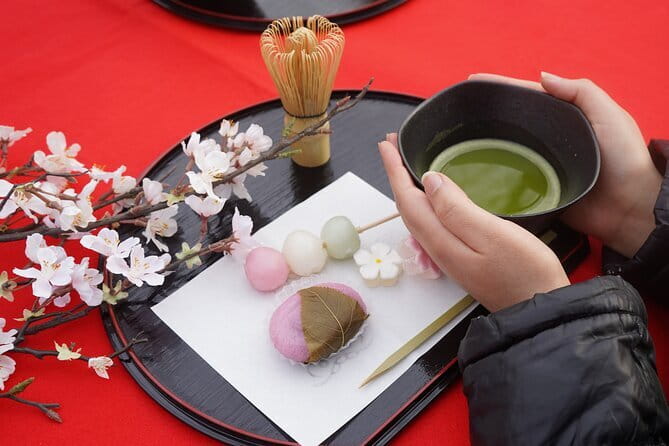
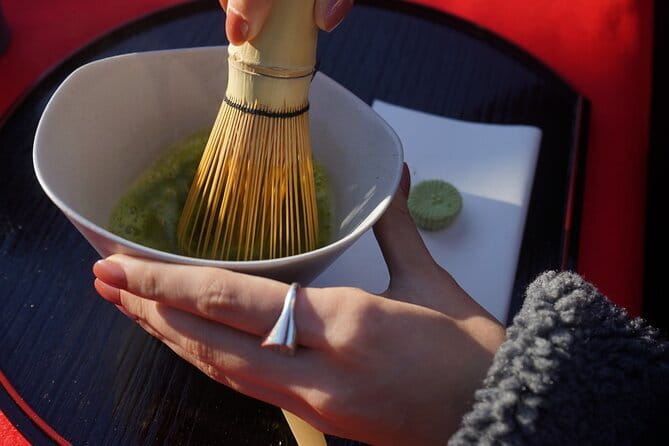
You use traditional tea tools to whisk authentic Uji matcha. The experience includes several cups of matcha, so you have more than one chance to get comfortable with the technique. Your host can explain what you are doing in plain English and help you understand why the tea is prepared this way.
The matcha itself is a strong reason to book. Uji, near Kyoto, is one of Japan’s best-known tea-producing areas. The experience offers a rare Uji matcha that is normally unavailable to visitors. The information provided does not name the exact tea grade or producer, so you should not expect a detailed tasting menu. The value comes from trying the tea in context and learning how to prepare it yourself.
The outdoor setting also has a tradeoff. Cherry blossom parks can be busy, and weather conditions may affect comfort. This is not a private indoor tea room where the temperature and seating are controlled. If you prefer a highly polished, quiet ceremony, this may feel too casual. If you want tea with a sense of place, the park setting is the point.
Wagashi, sweets, and the rhythm of the hour
Seasonal Japanese wagashi sweets are included. You also receive traditional and modern Japanese snacks, which provide a small food pairing with the tea.
Wagashi are often made to suit the season, so they fit the cherry blossom theme well. The supplied details do not specify the exact sweets served on a particular date. That means you should treat the menu as seasonal rather than expect one named pastry.
The food portion is modest. This is a tea experience, not lunch. You should eat beforehand if you need a full meal, and you can buy additional food or drinks from local vendors at your own expense.
I like that the sweets are part of the lesson rather than an unrelated extra. Tea culture is not just about the liquid in the bowl. The texture, sweetness, appearance, and season all help shape the experience. Even a short tasting can give you a better sense of how Japanese hospitality works.
One amusing detail from the first-day experience shared by a guest was curiosity about Tokyo’s mysterious lack of trash cans. It is a useful reminder that small cultural questions are welcome here. You can ask about everyday customs as well as matcha, and the host can help connect the tea lesson to ordinary life in Japan.
Same place, a different pot:
- Kimono Tea Ceremony at Tokyo, Asakusa Maikoya
★ 5.0 · 638 reviews - Tokyo: Traditional Tea Ceremony with a Tea Master
★ 5.0 · 528 reviews - Mt. Fuji & Lake Kawaguchiko Ropeway Panorama Full-Day Tour
★ 4.6 · 236 reviews - Tokyo: Matcha and Kimono Experience
★ 4.7 · 219 reviews
Shibuya, Harajuku, and Omotesando in one compact outing
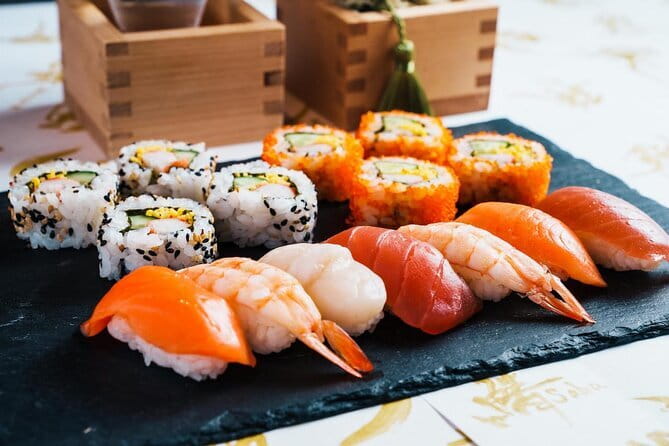
The route is framed by Shibuya, Yoyogi Park, Harajuku Station, and Omotesando. Yoyogi Park supplies the outdoor setting, while the nearby neighborhoods make it easy to add this activity to a larger day in central Tokyo.
Harajuku gives you a convenient beginning and end. After the tea, you are well placed for nearby shopping, Meiji Jingu, or a walk toward Omotesando. Those destinations are not included as guided tour stops, so plan them separately if you want more sightseeing.
Shibuya is also close enough to combine with the activity. You could schedule the tea around other plans in the area, but leave room for the one-hour session and the walk to the meeting point. Tokyo distances can look small on a map and still take time once crowds and station passages enter the picture.
Omotesando provides another natural extension, especially if you want cafés, shops, and architecture after the park. The experience itself ends back at the meeting point, so you do not need to work out a separate return transfer.
The compact route is one of the strongest practical features. You do not spend much of your day commuting to an out-of-the-way tea house. Instead, you get a focused cultural activity in an area many first-time visitors already plan to see.
A small group with a friendly teaching style
The group maximum is six people. That is small enough for the host to watch your technique, answer questions, and keep the pace personal.
The experience uses an English-speaking local host, and the description also refers to a guide or translator and a tea ceremony teacher. The names of the staff are not provided, but the guest feedback highlights how welcoming and kind the guide, translator, and teacher were.
That warm approach matters for beginners. Matcha preparation can feel awkward when you first hold the whisk, especially if you are unsure how much movement is expected. A small group makes it easier to ask for help instead of trying to copy everyone else.
The size also suits solo visitors. You do not need to arrive with a group of friends. Couples and families can take part, too, although very young children may not care much about the cultural explanation. The supplied information does not set a minimum age, so check the booking details if you are traveling with children.
Is $100.80 good value?
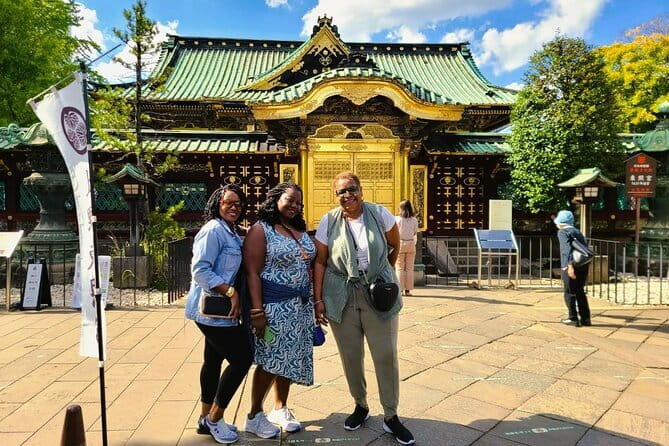
At $100.80 per person, this costs far more than buying matcha and a sweet at a café. You are paying for a seasonal setting, a certified host, traditional equipment, instruction, several cups of tea, Japanese sweets, and a group capped at six.
The timing is a major part of the value. Cherry blossom season lasts only a short time, and this activity is available from around March 23 for about two weeks, depending on blooming conditions. A normal park picnic can be arranged on your own, but it would not include guided matcha preparation or the same cultural focus.
I would call the price fair for someone who values a personal, seasonal activity and wants more than a quick photograph under a tree. It is less convincing for someone mainly looking for refreshments or a low-cost park visit.
Optional photo sessions may make the package more appealing to couples and people marking a special trip. They also add to the cost if purchased, so decide if you want professional-style memories or prefer taking your own pictures.
The activity averages booking about six days ahead. That is useful planning information, but cherry blossom dates can sell out as the season approaches. Since the experience only runs briefly, I would book once your Tokyo dates are firm.
Weather, comfort, and the limits of spring timing
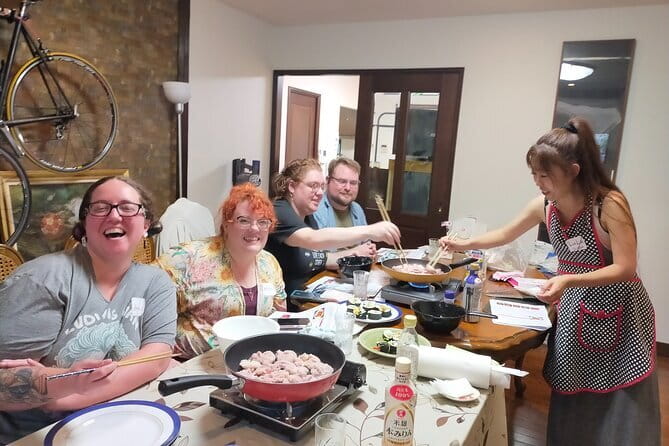
Good weather is required. If poor weather cancels the activity, you are offered a different date or a full refund. This is a reasonable policy for an outdoor picnic, but it means you should avoid placing the experience on the final possible day of your Tokyo visit.
The description does not provide a backup indoor location. You should assume the park setting is central to the activity and dress for changing spring conditions. No special dress code is required, but comfortable clothing for sitting and walking makes sense.
Cherry blossoms also do not follow a perfect calendar. The experience is expected to run around March 23 for about two weeks, but the actual window depends on the trees. If seeing full bloom is your top priority, keep some flexibility in your Tokyo schedule.
Cancellation is free up to 24 hours before the start time. Canceling later or making changes inside that window is not accepted for a refund. If you book within 12 hours of departure, confirmation arrives as soon as possible and depends on availability.
Service animals are allowed, and the activity is near public transportation. The available information does not describe seating, ground conditions, or other mobility details, so contact the provider before booking if you have specific access needs.
Who will enjoy this most?
This is a strong choice for a first visit to Japan, especially if you want a gentle introduction to tea culture. The host explains the basics, the format is relaxed, and you can take part without preparing in advance.
It also suits couples looking for a seasonal Tokyo memory and solo visitors who want a small social activity. Families may enjoy the sweets and outdoor setting, though the suitability for young children depends on their patience and interest.
You may want to skip it if you dislike outdoor activities, need a full meal, or want a strict, traditional tea ceremony. You should also think twice if your Tokyo schedule cannot handle a weather-related change.
Should you book the Yoyogi Park matcha experience?
Book it if you want cherry blossoms with a real cultural activity, not just another viewing stop. The strongest reasons are the small six-person group, the chance to prepare Uji matcha yourself, the seasonal sweets, and the friendly teaching style reported by the guest who called it a perfect first activity in Tokyo.
The price is high for one hour, but the setting and limited spring dates make it a special-purpose experience. I would reserve it early, keep your schedule flexible for weather, and plan another nearby activity before or after it.
Skip it if you only want inexpensive tea or if you prefer a formal indoor ceremony. For everyone else, this offers a calm, useful hour in one of Tokyo’s busiest areas, with enough hands-on practice to make the memory last beyond the blossoms.
FAQ
How long does the Tokyo cherry blossom matcha experience last?
The activity lasts approximately one hour.
When is the experience available?
It is available only during cherry blossom season, from around March 23 for about two weeks, depending on the condition of the blossoms.
Where does the experience begin?
You meet near Harajuku Station at 1 Chome-18 Jingumae, Shibuya, Tokyo 150-0001, Japan.
Where does the activity end?
The activity ends back at the meeting point.
How many people can join the group?
The maximum group size is six people.
Is this a formal Japanese tea ceremony?
No. It is a relaxed, picnic-style matcha activity designed for beginners. No previous experience or special dress is required.
What is included in the price?
The experience includes several cups of matcha, matcha preparation with traditional tools, seasonal Japanese sweets, and cultural explanations in English.
What happens if the weather is poor?
Because the activity requires good weather, it may be canceled. You will then be offered a different date or a full refund.
Just added around Tokyo
- Yokohama : Tea Ceremony with Sweets and Souvenir★ 5.0 · 5 reviews
- Walking Tour: Yanaka,Nezu& Sendagi: Tea Ceremony & Old Tokyo★ 5.0 · 3 reviews
- Private Mochi・Matcha sweets Making Class Near Shibuya Area★ 5.0 · 22 reviews
- Private Kimono and tea ceremony at local home near Tokyo Disney★ 5.0 · 6 reviews
- Tokyo Sweets Tour: Hidden Gems & Matcha at an Old Tea House★ 5.0 · 6 reviews
- Kimono and Tea Ceremony in Asakusa Private Food Tour With Guide★ 5.0 · 4 reviews
- 2 Hours Mochi &Nerikiri Making & Matcha Class in Bunkyo★ 5.0 · 21 reviews
- Tokyo Tea Ceremony Class at a Traditional Tea Room★ 5.0 · 2 reviews
Matcha Experiences in Tokyo, compared.

Matcha Making Class in Tokyo with Authentic Japanese Sweets Set
Read our review →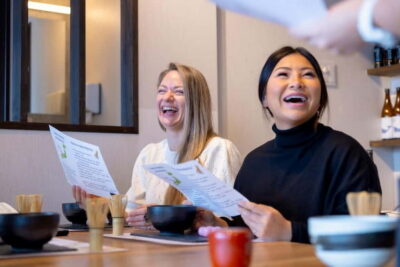
Matcha Making Experience with Mochi Sweets in Asakusa
Read our review →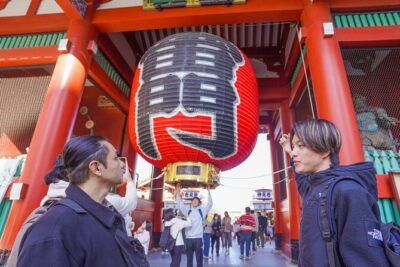
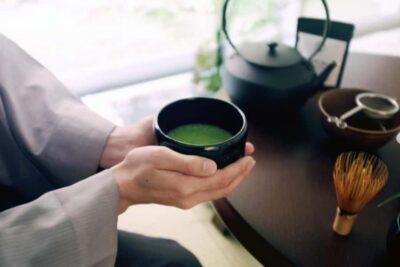
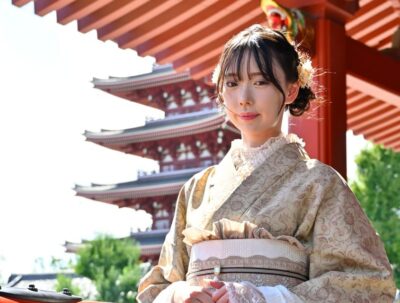
Asakusa: Kimono Tea Ceremony with Matcha and Sweet
Read our review →
Make Traditional Nerikiri Sweets & Matcha experience in Shibuya
Read our review →
Browse the lists this tour appears in