
Review · TOKYO
Matcha Making Class in Tokyo with Authentic Japanese Sweets Set
Matcha is easier to make than it looks. In Asakusa, this one-hour hands-on class turns a cup of green tea into a small lesson in Japanese culture, with an instructor showing you how to prepare it step by step. I like the personal guidance, especially for first-timers, and I like that the class includes traditional Japanese sweets instead of treating the tea as a stand-alone drink. The main consideration is that this is a short introduction, not a formal, full-length tea ceremony.
You meet at Matcha Making Tokyo, at 2-chōme-17-9 Kaminarimon, in one of Tokyo’s most traditional neighborhoods. The setting may include a cozy café and an upstairs Japanese-style room where you sit on the floor, though the exact arrangement can vary. The class is relaxed and family-friendly, but a group of up to 30 people means the mood may be less quiet when several activities run at once.
Key points to know before booking
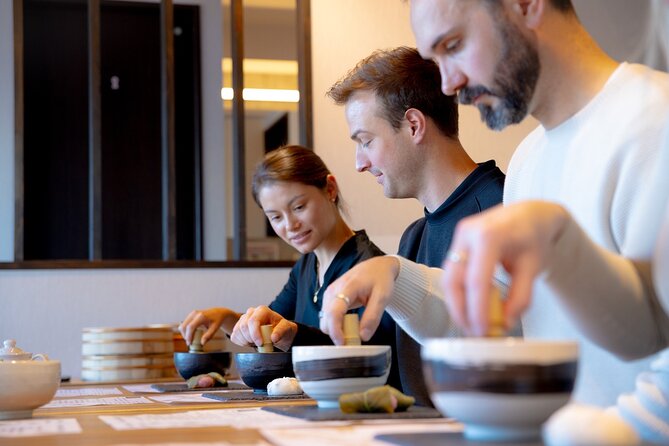
- You whisk your own matcha: The instructor demonstrates the process, then helps you prepare the tea yourself with traditional tools.
- Seasonal Japanese sweets are included: The sweets balance matcha’s earthy flavor and make the tasting feel like a proper pairing.
- English instruction keeps it easy: Hosts explain matcha’s background, preparation, and cultural role in clear English.
- Asakusa makes a useful base: The class is near public transportation and ends where it begins, making it easy to fit around sightseeing.
- It suits children and beginners: No previous tea ceremony experience is needed, and children as young as 6 have enjoyed taking part.
- The price is modest: At $21.89 per person, you receive instruction, matcha, sweets, and a cultural activity lasting about an hour.
Why this Asakusa matcha class works so well
Tokyo gives you plenty of chances to drink matcha. Far fewer activities show you how to prepare it properly, explain why the preparation matters, and let you sit down with a sweet while enjoying the result.
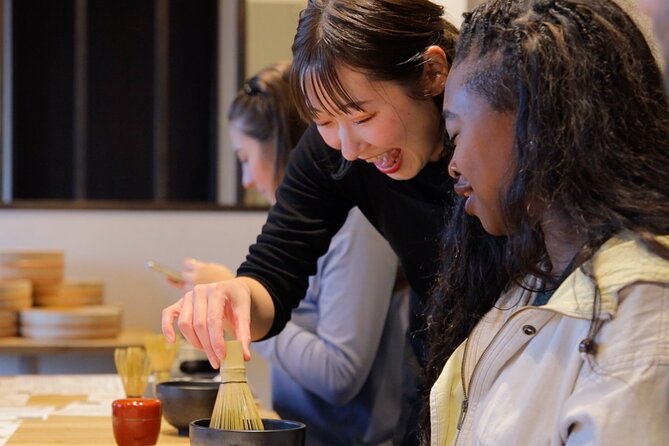
That is the appeal here. You are not simply handed a bowl of tea and sent on your way. The instructor explains the process, demonstrates the tools, and guides you through each stage. If your whisking is too slow or your technique needs adjusting, you receive help rather than having to guess.
The class also keeps the tone friendly. It is not designed as a strict ceremony where you must worry about making a mistake. You learn the basic etiquette and method, but you can still ask questions, take photographs, and enjoy the social side of the activity.
I think this balance is especially useful in Tokyo. A formal tea ceremony can be beautiful, but it may feel quiet and carefully structured. This class gives you more room to participate. You leave with a better sense of what you were drinking and a skill you can try again at home.
More Matcha Experiences in Tokyo
- Tokyo: Matcha Making Experience with Mochi Sweets in Asakusa
★ 4.9 · 388 reviews - Asakusa Cultural Walk & Matcha Making Tour
★ 5.0 · 245 reviews - Tokyo: Matcha and Kimono Experience
★ 4.7 · 219 reviews
Finding the class in traditional Asakusa
The meeting point is Matcha Making Tokyo, at 2-chōme-17-9 Kaminarimon, Taito City. It is near public transportation and in Asakusa, an area known for its older streets, temple district, and traditional atmosphere.
The location matters because you can pair the class with other Asakusa sights without spending half the day crossing Tokyo. Schedule it before or after exploring the neighborhood, and the activity becomes a pleasant change of pace from temples, shopping streets, and city crowds.
The class ends back at the meeting point. There is no hotel pickup or drop-off, so you need to make your own way there. That is a minor inconvenience, but it also keeps the booking simple and helps explain the low price.
One practical point: arrive with enough time to find the address. A few minutes of delay may be handled kindly, but you should not rely on that. The meeting point can be easy to reach once you are in the area, though Tokyo’s dense streets still reward a little planning.
The first lesson: what matcha is and why it matters
The session begins with an explanation of matcha and its place in Japanese culture. You learn how matcha differs from ordinary green tea leaves and how the powder is produced and used.
The hosts may use an iPad and images to explain how matcha is grown. This adds useful context without turning the class into a long lecture. You see the connection between the powdered tea in your bowl and the plant, cultivation, and preparation behind it.
You also learn how to recognize higher-quality matcha. That is one of the most useful parts for anyone who enjoys buying tea at home. Matcha can vary in taste and price, and a little guidance helps you understand why some powder is smoother, sweeter, or less bitter than other types.
The explanation is kept at a level that works for beginners. You do not need to know Japanese tea terms in advance. The English-speaking instructors explain the subject in a direct, approachable way, and the format leaves room for questions.
This background also improves the tasting later. When you drink the matcha, you have a better idea of what you are noticing rather than simply deciding that it is good or bad.
Whisking matcha with traditional tools
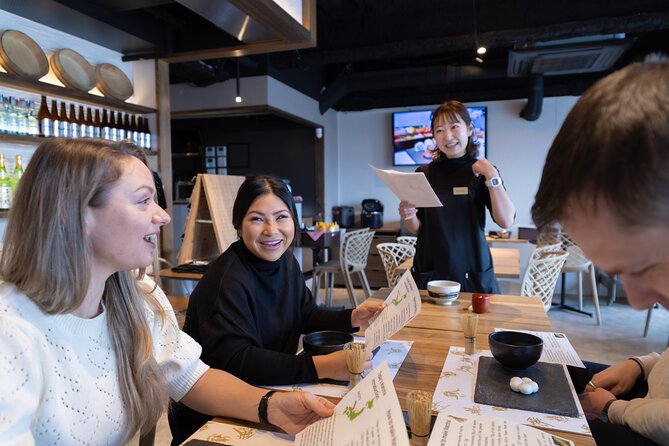
The practical section is the heart of the class. You use traditional tools and follow the instructor’s method for preparing your own bowl of matcha.
The instructor shows you how to handle the powder, add water, and whisk it into a smooth drink. The aim is to create a fine layer of foam while avoiding large clumps. You then try it yourself, with guidance available as you work.
This is where the class earns its hands-on description. You are not watching someone else perform a polished demonstration. You get the small satisfaction of making the drink with your own hands, even if your first bowl is not perfect.
That is also why one-to-one help matters. The class is suitable for beginners because you do not need to arrive knowing the proper wrist movement. The hosts correct and encourage you in a friendly way, and the atmosphere makes mistakes feel normal.
The process is calming without becoming stiff. The sound of the whisk, the measured movements, and the attention required to prepare the tea provide a welcome pause from Tokyo’s busy streets.
More Tea and Sweets Making in Tokyo
- Make Traditional Nerikiri Sweets & Matcha experience in Shibuya
★ 5.0 · 130 reviews - Sweets Making and Kimono Tea Ceremony at Tokyo Maikoya
★ 5.0 · 57 reviews - Japanese Traditional Sweets making and Tea Ceremony
★ 4.7 · 50 reviews - Tokyo: Two Types of Japanese Sweets Making and Tea Ceremony
★ 4.6 · 26 reviews
Matcha and Japanese sweets together
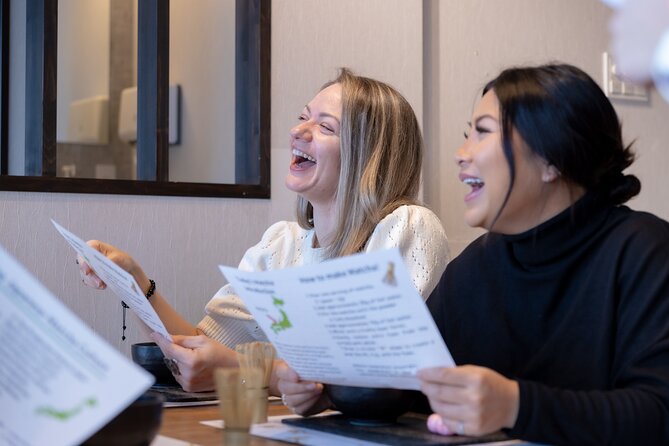
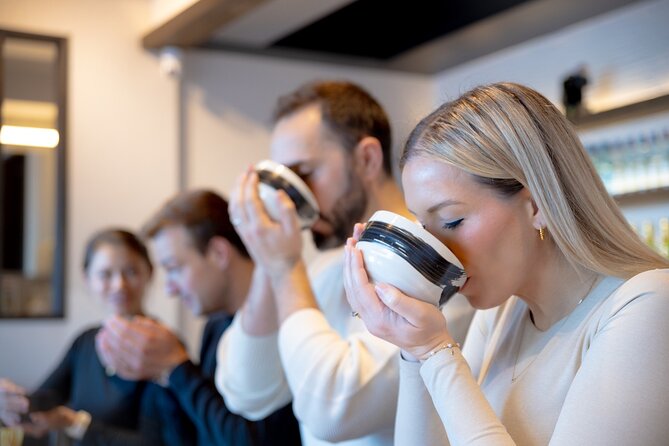
After preparing the tea, you enjoy it with a selection of traditional Japanese sweets. The sweets are an important part of the activity, not just an extra snack.
Matcha has an earthy, sometimes bitter flavor. Japanese sweets provide a gentle contrast, helping you appreciate the tea in a more balanced way. The selection is seasonal, so the exact sweets can vary. That gives the tasting a stronger connection to the time of year.
The portions are intended as a tea pairing rather than a full meal. You should not book this as lunch, but it makes a pleasant morning or afternoon break. It is also approachable for children, who may find the sweets more immediately appealing than the tea itself.
A few simple photographs can help you remember the session. Hosts have helped families take pictures with their bowls, and the setting can offer a more personal record than a quick café stop.
The setting: café comfort and Japanese style
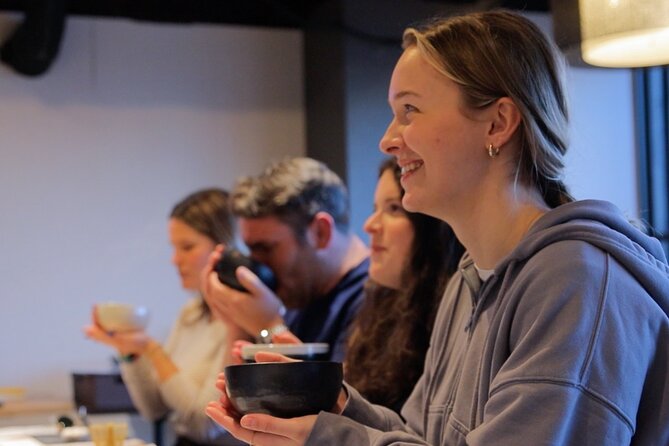
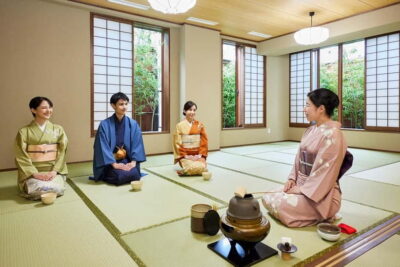
The class takes place at a cooking school and café setting. One account describes a cozy café area where early arrivals could wait, followed by an upstairs nook with floor seating in a more traditional style.
That combination is useful. The café offers a comfortable place to gather, while the upstairs room gives the matcha lesson a stronger sense of place. Sitting on the floor may feel authentic, though it is worth remembering that this style is not comfortable for everyone.
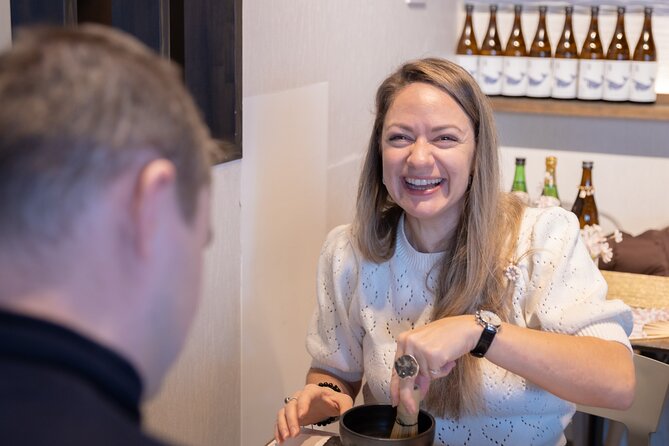
The atmosphere can change depending on the schedule. Some sessions are small, with only a few people. One class had three participants and felt especially quiet and personal. At other times, another matcha group or a sushi class may be running nearby. The maximum group size is 30, so you should expect a shared class rather than a private ceremony.
The sushi activity can make the venue livelier and louder. If you want the calmest possible setting, a smaller class or a time without another activity may suit you better, though the booking information does not promise a particular group size or room arrangement.
How the instructors shape the experience
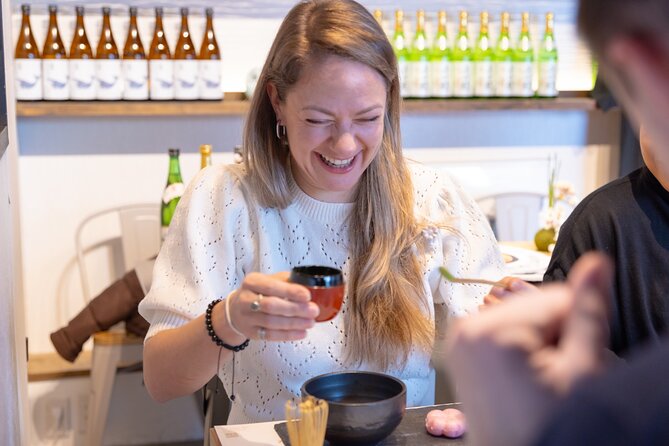
The hosts are one of the strongest parts of the class. Names mentioned by participants include Rino, Shuri, Nama, and Hiya, though your instructor may be different.
The teaching style is warm and interactive. Shuri has been praised for patient instruction, strong English, and a genuine interest in helping people understand matcha culture. Rino has been especially good at making the lesson fun and engaging. Hiya has explained how to identify good matcha and helped with family photos.
You should expect the instructor to do more than list steps. The session can include stories about matcha’s origins, the history of tea preparation, and the way a tea ceremony works. The amount of cultural conversation may depend on the group and the instructor, but the class is built to offer more than a recipe.
That human contact gives the activity its value. A written guide could tell you how to whisk matcha. A friendly teacher can show you the movement, answer questions, and explain why the ritual feels different from making an ordinary cup of tea.
Is $21.89 good value?
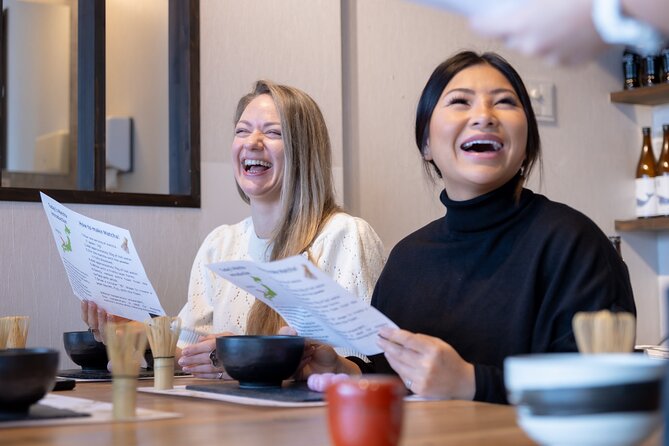
At $21.89 per person, this is a reasonably priced cultural activity for central Tokyo. The fee includes an English-speaking instructor, matcha, and Japanese sweets. You also receive the use of the traditional equipment and guided practice.
The value is strongest if you want a short activity that combines food, culture, and participation. You are paying for instruction and context, not simply for a drink. Compared with a quick matcha purchase at a café, the class gives you a skill and a better understanding of what you are tasting.
It is also easy to fit into a busy itinerary. The session lasts about one hour, ends at the starting point, and does not require transportation between several stops. That makes it a sensible choice on a day when you have limited time.
The price does not include hotel transportation. You also should not expect a full meal or an extensive tea ceremony lasting several hours. If you want a highly formal ritual with elaborate etiquette, this is the wrong type of booking. If you want an accessible introduction, the cost is fair.
The activity has received a 5.0 rating from 744 reviews, with 100 percent recommending it, and it has won TripAdvisor’s Best of the Best award twice. Those figures suggest a very consistent level of satisfaction, though you should still match the class to your own expectations.
Who should book this experience?
I would recommend it to first-time visitors who want a cultural activity that does not demand a whole afternoon. It is also a good choice if you enjoy food classes but want something quieter than a busy cooking workshop.
Families can make good use of the hour. Children aged 6 and 9 have taken part and enjoyed the interactive teaching. The instructors make an effort to include younger participants, though floor seating and the unfamiliar flavor of matcha may not suit every child.
It is also useful for couples, solo visitors, and friends who want a shared activity. The class creates an easy reason to talk with the instructor and other participants without forcing a formal social program.
You may want to skip it if you dislike green tea, have difficulty sitting on the floor, or want a private ceremony. You may also find it too basic if you already prepare matcha regularly.
Cancellation is free if you cancel at least 24 hours before the start time. Cancellations or changes made within 24 hours are not refunded or accepted, and all cut-off times use Tokyo local time.
Should you book the Asakusa matcha class?
Book it if you want a short, practical cultural lesson with a friendly English-speaking host, traditional tools, seasonal sweets, and enough guidance to make your own matcha. The price is sensible, the location is convenient, and the class works particularly well for families and first-time visitors.
Skip it only if you are looking for a formal, highly ceremonial tea event or a substantial meal. For most people, this is an easy way to slow down in Asakusa, learn something real, and leave Tokyo with a new kitchen skill.
FAQ
How long does the matcha-making class last?
The experience lasts approximately one hour.
Where does the class meet?
It meets at Matcha Making Tokyo, 2-chōme-17-9 Kaminarimon, Taito City, Tokyo 111-0034, Japan.
Where does the activity end?
The activity ends back at the meeting point.
Is the class taught in English?
Yes. An English-speaking instructor leads the class.
Are matcha and Japanese sweets included?
Yes. The booking includes matcha with Japanese sweets, including seasonal Japanese sweets.
Is previous tea ceremony experience required?
No. The class is designed for beginners, and no previous tea ceremony experience is required.
Is hotel transportation included?
No. Hotel pickup and drop-off are not included, so you need to travel to and from the meeting point yourself.
Just added around Tokyo
- Yokohama : Tea Ceremony with Sweets and Souvenir★ 5.0 · 5 reviews
- Walking Tour: Yanaka,Nezu& Sendagi: Tea Ceremony & Old Tokyo★ 5.0 · 3 reviews
- Private Kimono and tea ceremony at local home near Tokyo Disney★ 5.0 · 6 reviews
- Private Mochi・Matcha sweets Making Class Near Shibuya Area★ 5.0 · 22 reviews
- Tokyo Sweets Tour: Hidden Gems & Matcha at an Old Tea House★ 5.0 · 6 reviews
- Kimono and Tea Ceremony in Asakusa Private Food Tour With Guide★ 5.0 · 4 reviews
- 2 Hours Mochi &Nerikiri Making & Matcha Class in Bunkyo★ 5.0 · 21 reviews
- Tokyo Tea Ceremony Class at a Traditional Tea Room★ 5.0 · 2 reviews
Matcha Experiences in Tokyo, compared.
Matcha Making Experience with Mochi Sweets in Asakusa
Read our review →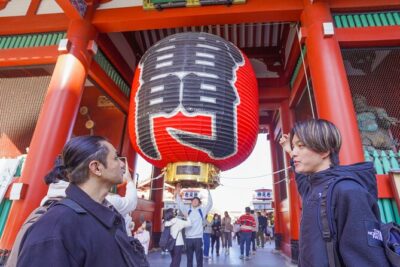
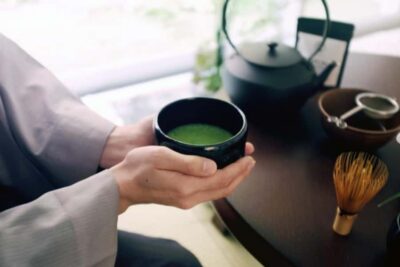
Asakusa: Kimono Tea Ceremony with Matcha and Sweet
Read our review →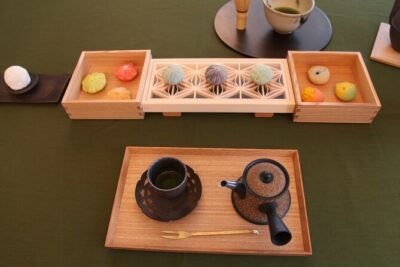
Make Traditional Nerikiri Sweets & Matcha experience in Shibuya
Read our review →
Tokyo Sushi Making Class : Sake Ceremony & Matcha Experience
Read our review →Browse the lists this tour appears in