
Review · TOKYO
Matcha Making Experience in Shinjuku
Slow down for a bowl of green tea. This one-hour matcha-making class in Shinjuku gives you a hands-on way to understand one of Japan’s best-known tea traditions, rather than simply ordering a matcha drink at a café. I like that the price includes the tea equipment, ingredients, sweets, and all fees, and I also like the cultural explanation that puts the whisking technique into context.
The strongest part is the practical lesson: you use a bamboo whisk, called a chasen, and drink the tea you prepare. A possible drawback is that the published itinerary also lists Senso-ji Temple, Tokyo Tower, and Yokohama Landmark Tower Sky Garden, even though the experience is described as a one-hour matcha class in Shinjuku. No timings or transport between those places are provided, so you should confirm the schedule before booking if those stops matter to you.
Key details at a glance
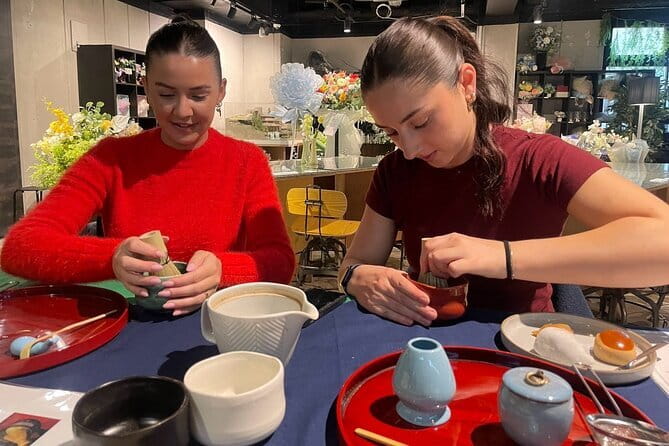
- Hands-on tea preparation: You learn to make matcha with a traditional bamboo whisk, rather than watching a demonstration only.
- Kimono-clad instruction: The class can have a strong visual sense of place, with one instructor praised for wearing a kimono.
- Tea and sweets included: Your matcha is served with traditional sweets, adding a pleasant balance to the tea’s bitter edge.
- Shinjuku meeting point: The class starts at a house with flowers, at 4F, 第6三和ビル, Shinjuku 3-chome 6-7, Tokyo 160-0022.
- Small enough to feel manageable: The maximum group size is 20 people, which keeps the session from becoming a huge lecture.
- Flexible cancellation: You can receive a full refund if you cancel at least 24 hours before the start time.
What this Shinjuku matcha class is really about
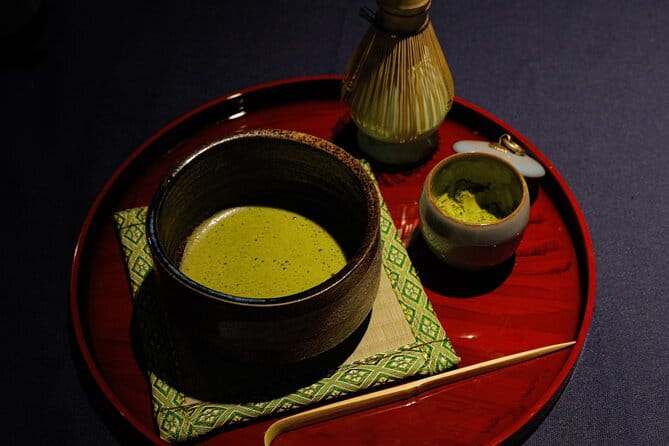
Matcha is powdered green tea. Instead of steeping leaves and removing them, you mix the powder directly with water. That gives the drink its vivid color, thicker texture, and distinctly grassy taste.
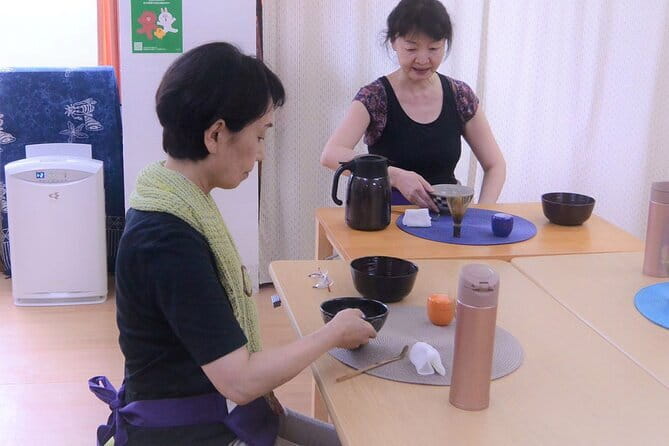
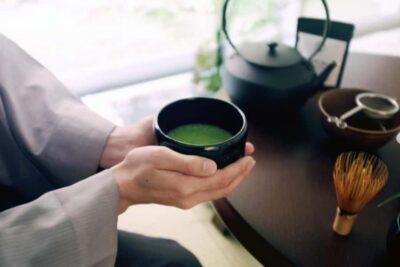
The class is designed to show you how this preparation fits into Japanese tea culture. You learn about the background of matcha, hear about the rituals connected with preparing it, and then make a bowl yourself using a chasen.
That practical element matters. A café can give you a finished matcha latte or a bowl of tea, but it cannot always explain why the whisk has its particular shape or how the preparation is meant to feel. Here, you are given the chance to handle the tools and follow the process from start to finish.
The experience lasts about one hour. That is long enough for an introduction without taking over your day in Tokyo. You can fit it between sightseeing in Shinjuku, shopping, or a visit to another part of the city.
You do not need to bring equipment or ingredients. That makes this an easy choice for a first encounter with matcha, especially if you are traveling with limited luggage or do not want to buy a whisk and tea powder before you know whether you enjoy the process.
More Matcha Experiences in Tokyo
- Matcha Making Class in Tokyo with Authentic Japanese Sweets Set
★ 5.0 · 744 reviews - Tokyo: Matcha Making Experience with Mochi Sweets in Asakusa
★ 4.9 · 388 reviews - Asakusa Cultural Walk & Matcha Making Tour
★ 5.0 · 245 reviews
Learning with a bamboo whisk
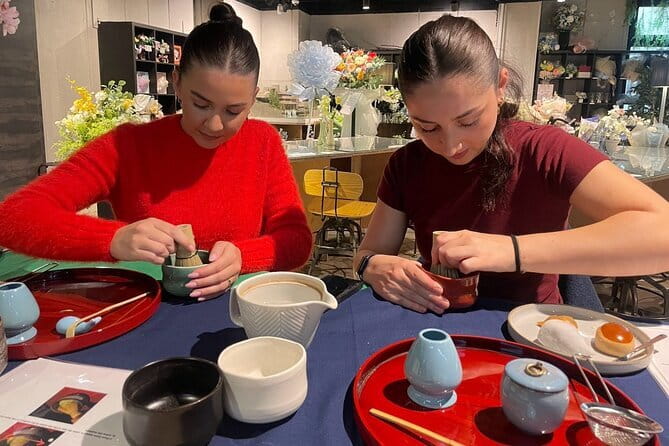
The central activity is whisking the tea. You use the chasen to blend matcha powder and hot water into a smooth drink with a light layer of foam.
This is more interesting than it sounds. The whisk is delicate, and the movement takes a little practice. You are not simply stirring a cup with a spoon. The point is to learn a traditional method, feel how the tool works, and see the tea change as you whisk.
The lesson also gives you a chance to notice the taste of plain matcha. Matcha can be pleasantly fresh and savory, but it is not sweet by itself. That is why the included sweets are useful, not just decorative. A small sweet between sips can soften the tea’s bitterness and help you appreciate the contrast.
The exact teaching sequence is not specified, so you should expect an introductory class rather than an advanced tea-school course. The supplied details promise an explanation of matcha’s history and rituals, along with instruction in preparation. They do not promise formal training in every movement of a full tea ceremony.
That distinction is important. If you want a short cultural activity with a real object in your hands, this fits well. If you are looking for a complete ceremonial performance with a long sequence of prescribed gestures, you should ask the operator what format is scheduled for your date.
The cultural side of the experience
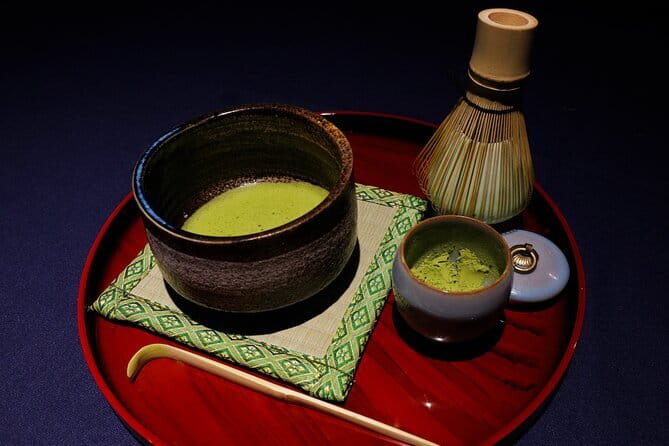
The class is not only about making a drink. It explains why matcha matters in Japan and how tea preparation developed into a careful cultural practice.
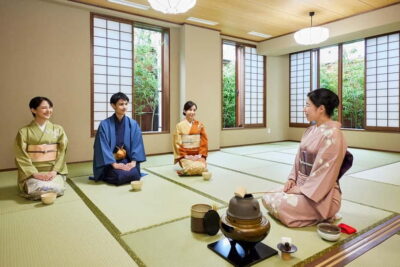
You can expect an introduction to the history of matcha and the traditional tea ceremony before preparing your own bowl. This context helps you see the activity as more than a food demonstration. Small actions, such as handling the whisk and preparing the tea in the proper manner, become part of a larger tradition.
One especially appealing detail is the report of an instructor dressed in a kimono. No guide’s name is supplied, and the outfit may not be guaranteed for every session, but this detail suggests that the class can feel more connected to Japanese customs than a standard cooking workshop.
The teaching style seems to be one of the experience’s best features. The available rating is 4.7 out of 5 from 12 reviews, with 92 percent recommending it. One especially positive account describes the instructor as wonderful and praises the explanation of the tea-making process, techniques, and tradition.
That is the kind of praise I would want to see for a class like this. You are paying not only for powdered tea and hot water, but also for clear instruction and a sense of occasion.
Tea, sweets, and the value of the $32.66 price
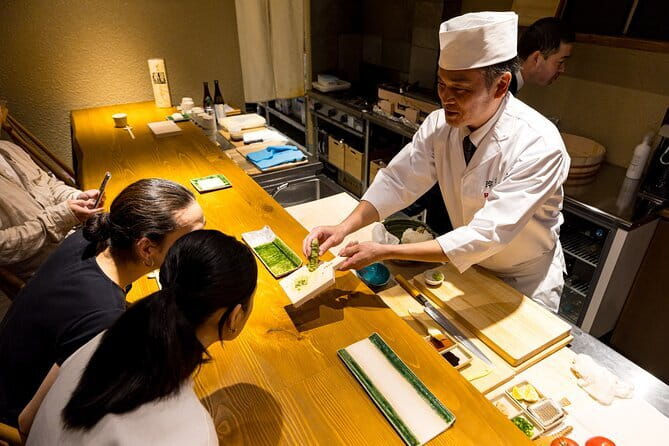
At $32.66 per person, this is not the cheapest way to drink matcha in Tokyo. You can find matcha beverages for much less in cafés and food halls.
The comparison is not quite fair, though. The class includes the equipment, ingredients, cultural commentary, instruction, matcha, and sweets. It also takes only about an hour, so you are paying for a focused activity rather than a long excursion with transport.
I see the price as reasonable for a visitor who wants a structured cultural experience. The value is strongest if you care about learning a technique and understanding the ritual behind it. It is weaker if you simply want a quick taste of matcha or already know how to prepare it.
The sweets are an important part of the package. Matcha has a strong flavor, and the sweet accompaniment gives you the traditional pairing in one sitting. You also get to drink the tea you made, which gives the lesson a satisfying finish.
All fees and taxes are included. Private transportation, additional meals, and additional drinks are not included. Since the experience is based in Shinjuku and the meeting point is near public transportation, you are expected to make your own way there.
Same place, a different pot:
- Kimono Tea Ceremony at Tokyo, Asakusa Maikoya
★ 5.0 · 638 reviews - Tokyo: Traditional Tea Ceremony with a Tea Master
★ 5.0 · 528 reviews - Mt. Fuji & Lake Kawaguchiko Ropeway Panorama Full-Day Tour
★ 4.6 · 236 reviews - Tokyo: Matcha and Kimono Experience
★ 4.7 · 219 reviews
Finding the meeting point in Shinjuku
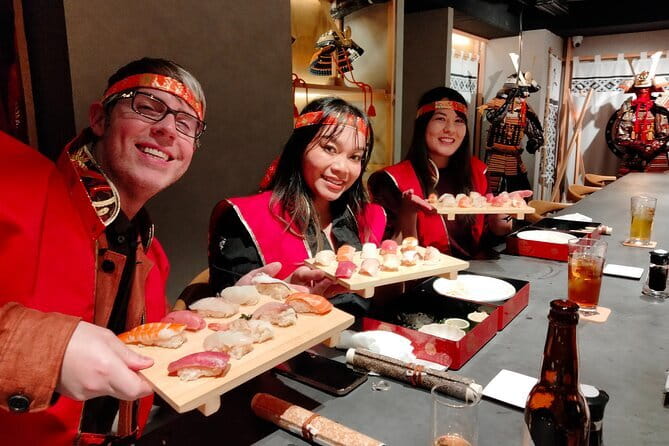
The starting point is listed as a house with flowers in Shinjuku. The full address is Japan, 160-0022 Tokyo, Shinjuku City, Shinjuku, 3-chōme 6-7, 第6三和ビル, 4階.
You should allow enough time to locate the building and reach the fourth floor. The meeting point is specific, but no landmark, station exit, or walking time is supplied. A mobile ticket is provided, so keep your booking details easy to open on your phone.
The activity ends back at the meeting point. That makes planning easier, especially if you want to continue exploring Shinjuku afterward. You will not need to arrange a separate return transfer.
The group can include up to 20 people. That is not a private lesson, but it is also not an enormous coach group. Your experience may depend on how the instructor manages the room and how much individual help is needed during whisking.
Making sense of the listed sightseeing stops
The itinerary lists three locations: Senso-ji Temple, Tokyo Tower, and Yokohama Landmark Tower Sky Garden.
These are major Tokyo sightseeing destinations, but they do not naturally match a one-hour matcha lesson in Shinjuku. The available information does not explain whether these are separate options, a data-entry error, or part of a broader schedule. It also says private transportation is not included, and no transport plan or stop duration is supplied.
For that reason, do not assume you will visit all three locations as part of the tea class. Confirm this point before booking if you are choosing the experience because of the sightseeing stops.
Senso-ji Temple is in Asakusa and is known for its traditional temple setting and large visitor draw. Tokyo Tower is a central city landmark with observation areas and broad views. Yokohama Landmark Tower Sky Garden is in Yokohama, outside central Tokyo, and is another observation destination.
Those places would require a much longer schedule than a simple Shinjuku class. They also serve a completely different purpose from the matcha activity. The tea lesson is best judged as a Shinjuku cultural class unless the operator gives you clearer information about the additional locations.
Who will enjoy this experience most
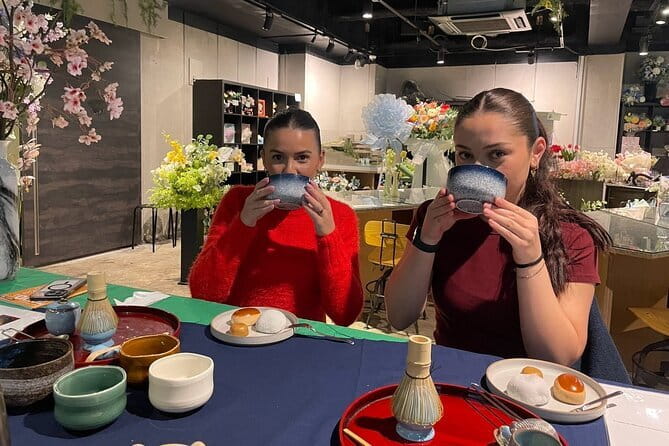
I would recommend this class to first-time visitors who want a cultural activity that is short, practical, and easy to fit into a busy Tokyo plan.
It is also a good choice for couples, families with older children, and solo visitors who would like a guided activity rather than another landmark visit. You do not need prior matcha experience, and all materials are supplied.
The class should suit people who enjoy food traditions, hands-on demonstrations, and learning the meaning behind everyday objects. The bamboo whisk gives you something concrete to do, while the explanation adds context.
It may not suit you if you dislike bitter tea, want a full-day tour, or are mainly interested in scenic viewpoints. It is also not the right booking if you expect private transportation or a private instructor, since neither is included and the group may reach 20 people.
Practical points to check before booking
The experience is booked, on average, seven days in advance. That does not guarantee that every date sells out, but it is a useful sign that you should not leave the reservation until the last moment if your Tokyo schedule is fixed.
Confirmation is provided at booking, and the ticket is mobile. The meeting point is near public transportation, but the exact route is not described. Plan to check the address carefully and arrive with enough time to find the correct building.
The cancellation terms are generous if you act early. You can cancel for a full refund up to 24 hours before the start time. Cancellations or changes made inside that 24-hour window are not accepted for a refund.
The policy also says the activity requires good weather. That is unusual for a matcha class, which may indicate that part of the advertised program involves an outdoor element or that the policy is shared with other activities. If poor weather causes a cancellation, you are offered another date or a full refund.
A minimum number of participants is required. If that minimum is not reached, you are offered another date or experience, or a full refund.
My verdict on the matcha-making experience
I like this experience because it gives you a small, usable skill and a better sense of what matcha means in Japanese culture. The combination of instruction, traditional tools, sweets, and a bowl of tea you prepare yourself gives the hour a clear purpose.
The kimono detail and strong praise for the instructor add to its appeal, though the guide’s name and outfit cannot be confirmed in advance. The 4.7 rating and 92 percent recommendation rate are encouraging, but the sample is only 12 reviews, so I would treat those figures as helpful rather than final proof.
The biggest issue is the confusing itinerary. Senso-ji Temple, Tokyo Tower, and Yokohama Landmark Tower Sky Garden do not fit neatly with a one-hour Shinjuku matcha lesson, and the available details do not clarify the connection.
Book it if you want an affordable, short cultural activity and are happy to travel to the Shinjuku meeting point on your own. Before paying, confirm whether the three sightseeing stops are actually included. If they are not, this remains a worthwhile tea class, but you should judge the $32.66 price for the matcha lesson alone.
FAQ
How long does the matcha-making experience last?
The experience lasts approximately one hour.
How much does the experience cost?
The listed price is $32.66 per person.
What do I learn during the class?
You learn about matcha’s history and tea ceremony traditions, then learn how to prepare matcha with a bamboo whisk called a chasen.
Are the tea ingredients and equipment provided?
Yes. The equipment and ingredients are provided, so you do not need to bring anything for making the tea.
Are sweets included?
Yes. A serving of delicious sweets is included with the matcha experience.
Where does the activity start?
It starts at a house with flowers in Shinjuku, at Japan, 160-0022 Tokyo, Shinjuku City, Shinjuku, 3-chōme 6-7, 第6三和ビル, 4階.
Where does the activity finish?
The activity ends back at the meeting point.
Is transportation included?
Private transportation is not included. The meeting point is near public transportation.
How many people can join the activity?
The maximum group size is 20 people.
Can I cancel for a full refund?
Yes. You can receive a full refund if you cancel at least 24 hours before the experience start time.
Just added around Tokyo
- Yokohama : Tea Ceremony with Sweets and Souvenir★ 5.0 · 5 reviews
- Walking Tour: Yanaka,Nezu& Sendagi: Tea Ceremony & Old Tokyo★ 5.0 · 3 reviews
- Private Kimono and tea ceremony at local home near Tokyo Disney★ 5.0 · 6 reviews
- Private Mochi・Matcha sweets Making Class Near Shibuya Area★ 5.0 · 22 reviews
- Tokyo Sweets Tour: Hidden Gems & Matcha at an Old Tea House★ 5.0 · 6 reviews
- Kimono and Tea Ceremony in Asakusa Private Food Tour With Guide★ 5.0 · 4 reviews
- 2 Hours Mochi &Nerikiri Making & Matcha Class in Bunkyo★ 5.0 · 21 reviews
- Tokyo Tea Ceremony Class at a Traditional Tea Room★ 5.0 · 2 reviews
Matcha Experiences in Tokyo, compared.
Matcha Making Class in Tokyo with Authentic Japanese Sweets Set
Read our review →
Matcha Making Experience with Mochi Sweets in Asakusa
Read our review →
Asakusa: Kimono Tea Ceremony with Matcha and Sweet
Read our review →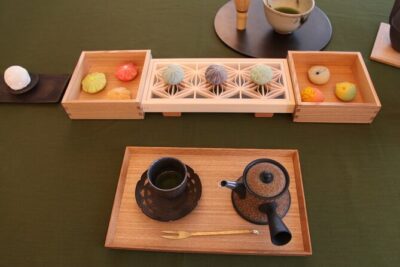
Make Traditional Nerikiri Sweets & Matcha experience in Shibuya
Read our review →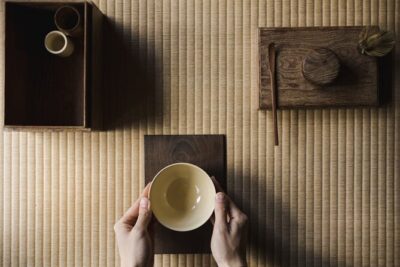
Browse the lists this tour appears in