
Review · TOKYO
Kamkura: Private Zazen, Matcha at Bamboo Temple & Mindful Cuisine
Quiet has a way of changing your pace. This Kamakura day trip links a bamboo temple, a short Zen meditation with a Buddhist priest, and a plant-based lunch into one calm break from Tokyo. I especially like the bamboo grove and matcha setting at Hokoku-ji, plus the chance to try zazen with English interpretation rather than simply looking at temple buildings.
The day costs $170 per person and runs about 8 hours and 45 minutes. That is fair if you value a small group, included temple admissions, local transport from Kamakura Station, and lunch. The main drawback is timing: the meditation is not a long retreat, matcha service is not reserved, and the return train fare to Shinjuku is extra.
Key Points to Know
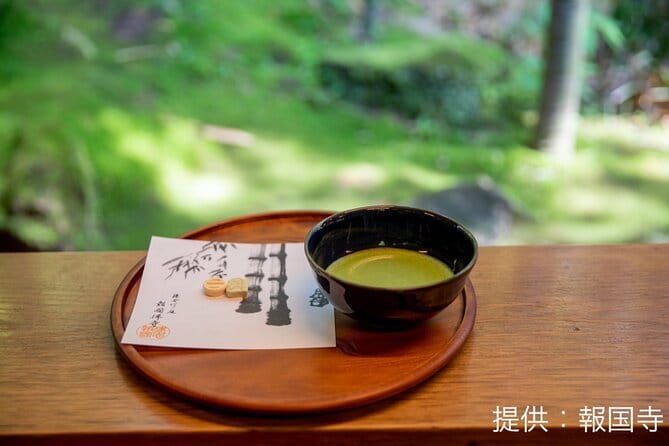
- Bamboo and matcha come first: At Hokoku-ji, you spend about 50 minutes among tall bamboo and receive a bowl of matcha.
- Zazen is guided by a Buddhist priest: The session at Hokaiji Temple lasts about an hour, with English interpretation from your guide.
- Shojin ryori makes lunch part of the lesson: The meal uses Buddhist vegetarian cooking, seasonal vegetables, tofu, and other plant-based ingredients.
- The group is capped at 10 people: This keeps the day more personal than a large coach tour, though it is not necessarily a one-to-one private retreat.
- Kamakura gets a local walk: About 80 minutes are set aside for side streets, lesser-known places, and local context.
- Plan for a long day: The tour begins at 8:30 AM and is scheduled to reach Shinjuku at 5:15 PM, but delays are possible.
Why This Kamakura Day Feels Different
Kamakura is not just a stop for a famous bronze Buddha. The city was a center of samurai power during the Kamakura period, and Zen temples became closely tied to that ruling class. That connection gives the city a different feel from Tokyo’s modern neighborhoods and Kyoto’s grand temple circuit.
This tour uses that setting well. Instead of rushing from one major sight to another, you move through three simple acts: sit quietly, drink tea, and eat with attention. The format is approachable even if you know little about Buddhism.
I would not call this a full spiritual retreat. You are still on a sightseeing day, moving between sites and walking through town. But the program gives you a useful taste of Zen practice without demanding previous meditation experience.
The top rating of 4.8 from nine published ratings reflects the strongest parts of the day: the peaceful bamboo setting, the calming zazen session, and the carefully presented shojin ryori lunch. The praise is not evenly focused on every moment. The meditation can feel brief, and winter rooms may be cold. That is worth knowing before you book.
More Matcha Experiences in Tokyo
- Matcha Making Class in Tokyo with Authentic Japanese Sweets Set
★ 5.0 · 744 reviews - Tokyo: Matcha Making Experience with Mochi Sweets in Asakusa
★ 4.9 · 388 reviews - Asakusa Cultural Walk & Matcha Making Tour
★ 5.0 · 245 reviews
Starting at Hokoku-ji’s Bamboo Grove
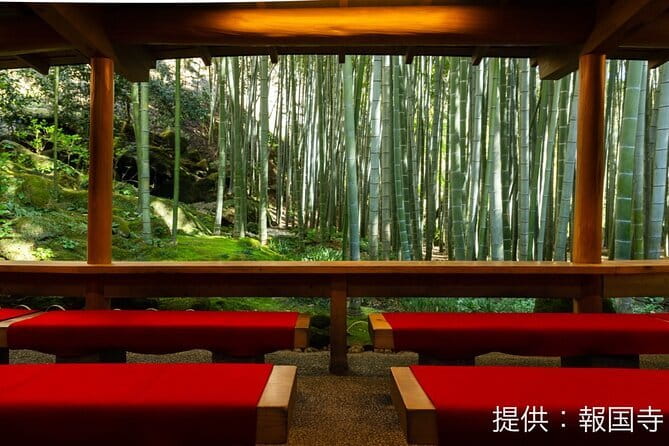
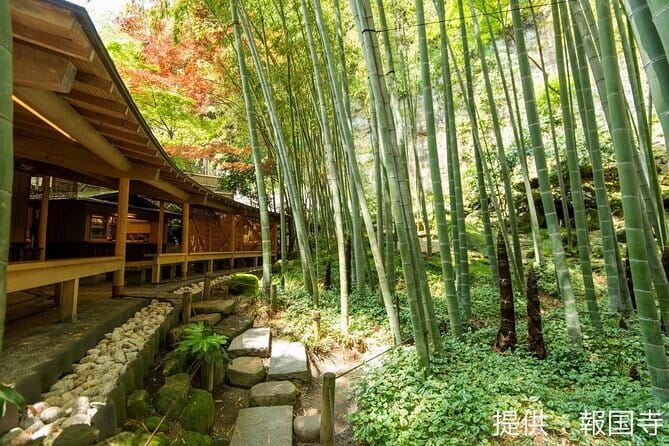
Hokoku-ji is the visual star of the morning. The temple is known for its bamboo grove, where tall green stalks form a narrow, quiet route away from ordinary city noise. You have about 50 minutes here, including admission and the matcha service.
The setting does much of the work. You are not asked to spend hours in formal silence. Instead, you walk among the bamboo, slow down, and take in the simple temple grounds. It is a good first stop because it eases you into the day before the more structured meditation session.
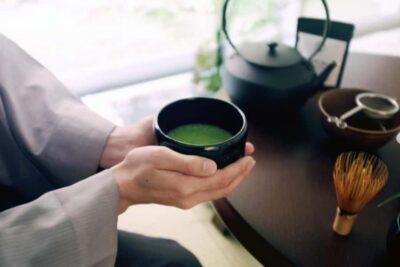
A bowl of matcha is served in the temple grounds, with the bamboo grove close by. Accounts of the experience describe the tea as especially appealing in rainy weather, when the green bamboo takes on a stronger color and the setting feels almost theatrical. You may also receive a traditional Japanese sweet with the tea.
There is one important catch. Matcha service is offered without a reservation, so it can be suspended if the venue becomes too crowded. The tour includes the matcha cost, but it cannot guarantee that the tea service will operate at every moment.
That makes the timing slightly less certain. If matcha is the main reason you want this tour, keep your expectations flexible. The bamboo temple visit itself remains the larger part of the stop.
The temple can also feel different by season. On a winter morning, the atmosphere may be peaceful but chilly. Bring a layer rather than assuming a temple room or outdoor garden will feel warm.
Sitting Zazen With a Buddhist Priest
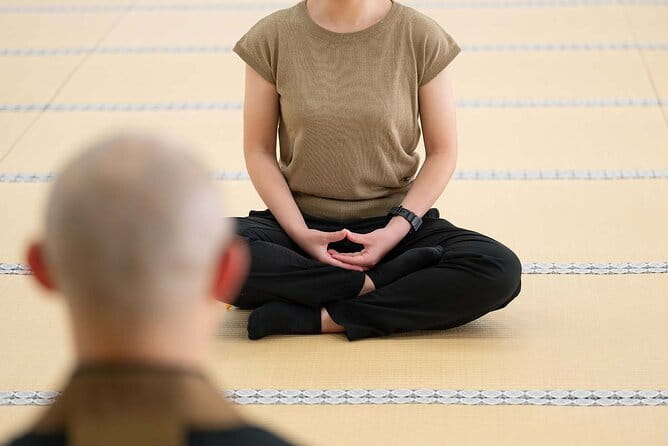
At Hokaiji Temple, the tour turns from scenic sightseeing to practice. Zazen means seated Zen meditation, with attention given to posture, breathing, and awareness. A Buddhist priest leads the session, while your guide interprets the explanations into English.
That language support matters. Without it, a visitor could easily mistake zazen for simply sitting quietly in a temple. The interpretation gives you some context for what you are doing and why posture and breath matter.
The session lasts about one hour. For a first attempt, that is long enough to feel real but not so long that it becomes an ordeal. Several accounts describe the meditation as calming and useful for switching off from city noise, even though distractions naturally remain.
You should be ready for a practical experience, not a spa treatment. Your mind may wander. Your legs may complain. That is normal, and it is part of finding out what zazen actually feels like.
Loose-fitting clothing is the best choice. Short skirts are not recommended, and comfortable clothes will make it easier to sit properly. The tour information does not promise chairs or alternate seating, so you should ask the operator in advance if posture is a concern.
The word private in the tour title needs a little care. The experience is capped at 10 people, which is small and likely allows for more attention than a large group. But the published maximum means you should not assume a private, one-person session with the priest.
This is also the part most affected by weather and season. One winter account found the temple chilly. A warm layer can make a real difference when you are sitting still.
Shojin Ryori at Minemoto
Lunch is not an afterthought. At Minemoto, you receive shojin ryori, the plant-based cooking associated with Buddhist practice. The meal centers on seasonal vegetables, tofu, and other vegetarian ingredients rather than meat, fish, or strong animal products.
The value here is not just that the food is vegan-friendly. Shojin ryori treats preparation, presentation, and restraint as part of the meal. Reports describe lacquerware presentation and careful attention to detail, which turns lunch into another way of experiencing Japanese culture.
The lunch lasts about 90 minutes. That gives you time to eat without the frantic pace common on tightly packed day trips. It also creates a natural pause between meditation and the afternoon walk.
Vegetarian and vegan diets can be accommodated, which makes this a useful choice for plant-based visitors. You should still communicate your needs when booking, especially if you have allergies or other dietary restrictions. The supplied details confirm vegetarian and vegan support, but do not specify every allergy procedure.
The restaurant changes beginning in April 2025. That means the exact setting and menu may differ from older descriptions. If the restaurant itself matters to you, confirm the current venue before departure. The basic promise of shojin ryori lunch remains the same.
Same place, a different pot:
- Kimono Tea Ceremony at Tokyo, Asakusa Maikoya
★ 5.0 · 638 reviews - Tokyo: Traditional Tea Ceremony with a Tea Master
★ 5.0 · 528 reviews - Mt. Fuji & Lake Kawaguchiko Ropeway Panorama Full-Day Tour
★ 4.6 · 236 reviews - Tokyo: Matcha and Kimono Experience
★ 4.7 · 219 reviews
Exploring Kamakura Beyond the Temple Gates

After lunch, about 80 minutes are set aside for Kamakura streets and less obvious local places. This is where the guide can connect the formal temple visits with the everyday city around them.
I like this part because it keeps the tour from becoming a sequence of isolated attractions. You have already seen a Zen garden and sat in meditation. Now you get to understand how those religious sites fit into Kamakura’s streets, history, and local character.
The exact route is not fixed in the information provided. That can be a strength. A local expert may adjust the walk to the day, the pace of the group, or places that are open and practical to visit.
Do not expect a full Kamakura sightseeing sweep. The day does not promise every major shrine, the Great Buddha, or an extended coastal visit. The walking section is short enough to fit around the Zen program, so you should choose this tour for its theme rather than as a complete introduction to every major sight.
One guide named Yoriko receives particular praise for taking a participant to places they had not discovered on earlier visits. That suggests the local walk can add value even if you have already been to Kamakura. Still, the quality of this part will depend on the guide assigned to your date.
Transport, Timing, and the Real Cost
The tour begins at 8:30 AM and lasts approximately 8 hours and 45 minutes. The scheduled train arrival at Shinjuku is 5:15 PM, but the operator warns that traffic or other delays can push the finish later.
The package includes transportation fees from Kamakura Station, along with admission and activity fees. It does not include private transportation, and the train fare from Kamakura back to Shinjuku is not included.
That distinction matters. You are paying for a guided day once you reach Kamakura, not for a private car from Tokyo and back. The route uses ordinary public transport or other included local transportation, so this is not a door-to-door luxury outing.
Allow extra time after the scheduled return. Do not book a tight evening reservation, airport transfer, or theater ticket based only on the 5:15 PM estimate.
At $170 per person, I see reasonable value if you would otherwise pay separately for temple admissions, a special lunch, local transport, and a guide. The small maximum of 10 also helps justify the price.
The value is weaker if you only want to see the bamboo grove and drink matcha. You can visit Hokoku-ji without committing to a full day, though you would miss the priest-led zazen, included lunch, and guided Kamakura walk. The tour earns its price through the combination.
Who Will Enjoy This Experience Most
This tour suits you if you want a cultural activity with a wellness angle, but you do not want a silent retreat or a highly formal religious program. First-time visitors to Zen practice should find the structure easy to follow because the priest explains the meditation and the guide interprets it.
It also works well for solo visitors. The small group creates a social setting without the feel of a large bus tour. One account describes a solo day as serene and refreshing, while another appreciated meeting people over the shojin ryori meal.
You may also like it if you have visited Kamakura before. The guided walk and meditation can show you a side of the city that a standard temple checklist misses.
This is less suitable if you want a long meditation session, a private teacher, or a late start. It is also not ideal if you dislike sitting on the floor, need a fully accessible format, or want complete control over the day’s pace. The available information says most people can participate, but it does not give detailed accessibility information.
Small Details That Can Improve the Day
Wear loose, comfortable clothing from the start. You will be sitting for zazen, and restrictive clothes will make the session harder than it needs to be.
Bring a warm layer in colder months. A quiet temple room can feel cold when you are sitting still, even if the morning outside seems mild.
Keep your schedule open after the planned finish. The operator specifically warns of delays, and the return fare to Shinjuku is separate.
Treat the matcha as a welcome part of the temple visit, not an absolute guarantee. Service is on a non-reservation basis and can stop when the tea area is too crowded.
Check the restaurant details if you book for a date after April 2025. The lunch remains shojin ryori, but the venue has changed.
Finally, remember that a good zazen session is not judged by having a perfectly empty mind. You are there to try the posture, breathing, and attention. A few wandering thoughts do not mean you failed.
Should You Book the Kamakura Zen Day?
Book it if you want a measured, culture-focused day that combines a beautiful setting with genuine participation. The bamboo grove and matcha are the easiest highlights, but the priest-led zazen and shojin ryori lunch give the outing more substance than a standard temple visit.
Skip it if you want a full Kamakura highlights tour, a long meditation retreat, or private transport from Tokyo. The day has a fixed rhythm, and the return can run late.
For the right person, $170 buys a well-shaped introduction to Zen culture: tea among bamboo, a guided period of sitting, a thoughtful vegan lunch, and a local walk. Just pack comfortable clothes, allow extra time, and keep the word private in perspective. This is a small-group cultural day, not a secluded personal retreat.
FAQ
What time does the tour start?
The tour starts at 8:30 AM.
How long does the experience last?
It lasts approximately 8 hours and 45 minutes. The scheduled arrival at Shinjuku Station is 5:15 PM, but delays may occur.
Is lunch included?
Yes. A shojin ryori lunch, based on Buddhist vegetarian cooking, is included.
Is matcha included?
Yes. A bowl of matcha at Hokoku-ji Temple is included, although service is non-reservation and may be suspended if the venue becomes too crowded.
Can vegetarian and vegan participants join?
Yes. The operator states that vegetarian and vegan visitors can be accommodated.
Is the train fare back to Shinjuku included?
No. The train fare from Kamakura to Shinjuku is not included. Local transportation fees from Kamakura Station are included.
Just added around Tokyo
- Yokohama : Tea Ceremony with Sweets and Souvenir★ 5.0 · 5 reviews
- Walking Tour: Yanaka,Nezu& Sendagi: Tea Ceremony & Old Tokyo★ 5.0 · 3 reviews
- Private Kimono and tea ceremony at local home near Tokyo Disney★ 5.0 · 6 reviews
- Private Mochi・Matcha sweets Making Class Near Shibuya Area★ 5.0 · 22 reviews
- Kimono and Tea Ceremony in Asakusa Private Food Tour With Guide★ 5.0 · 4 reviews
- 2 Hours Mochi &Nerikiri Making & Matcha Class in Bunkyo★ 5.0 · 21 reviews
- Tokyo Sweets Tour: Hidden Gems & Matcha at an Old Tea House★ 5.0 · 6 reviews
- Tokyo Tea Ceremony Class at a Traditional Tea Room★ 5.0 · 2 reviews
Matcha Experiences in Tokyo, compared.

Matcha Making Class in Tokyo with Authentic Japanese Sweets Set
Read our review →
Matcha Making Experience with Mochi Sweets in Asakusa
Read our review →
Asakusa: Kimono Tea Ceremony with Matcha and Sweet
Read our review →
Make Traditional Nerikiri Sweets & Matcha experience in Shibuya
Read our review →
Browse the lists this tour appears in