
Review · TOKYO
EDOCCO Tea House–A Quick Dive into Japanese Traditional Culture
Four traditions, one hour. EDOCCO Tea House gives you a friendly introduction to Japanese culture without asking you to commit half a day. In a restored setting designed around old and new Japan, you prepare matcha, watch a Japanese dance performance, try on a kimono, and take part in calligraphy and origami. I especially like the small-group instruction and the way the hosts explain each activity in English. The main drawback is simple: one hour moves quickly, and the dance portion may feel too short if that is your main reason for booking.
The price is $72.48 per person. That is not pocket change for a one-hour activity, but it covers several hands-on lessons, a matcha and Japanese sweet set, the dance performance, dress-up, calligraphy, and origami. Families, first-time visitors, and anyone wanting a gentle cultural starting point will get the most from it.
Key points at a glance
- A four-part cultural sampler: Matcha, Japanese dance, kimono dress-up, calligraphy, and origami fit into one compact visit.
- English explanations: The hosts explain the meaning behind the tea, dance, brushwork, and paper folding.
- Hands-on activities: You do more than watch. You prepare tea, write a character, fold paper, and pose in traditional dress.
- Helpful for families: Children as young as eight have enjoyed the mix of short lessons and practical activities.
- Small groups: The maximum group size is 20, though sessions can be much smaller.
- Useful Tokyo location: EDOCCO is at 2-chome-16-2 Sotokanda in Chiyoda City, near public transportation.
Why this one-hour Tokyo activity works
Tokyo offers countless cultural activities, but many ask you to choose just one. You can attend a tea ceremony, visit a kimono studio, watch a dance show, or take a calligraphy class. EDOCCO combines those pieces into a short program that is easy to add to a busy sightseeing day.
I see this as an introduction rather than a full study of Japanese arts. You will not become a tea master or calligrapher in 60 minutes. You will, however, learn enough to recognize the care behind each tradition and leave with a clearer sense of how Japanese ceremony, movement, writing, and craft fit together.
The program is also designed for people who do not know the rules. Instructions are given in English, and the hosts are patient with first-timers. That matters most during the tea ceremony and calligraphy, where a few small details can otherwise feel confusing.
A few more tea experiences around Tokyo worth a look
- Matcha Making Class in Tokyo with Authentic Japanese Sweets Set
★ 5.0 · 744 reviews - Kimono Tea Ceremony at Tokyo, Asakusa Maikoya
★ 5.0 · 638 reviews - Tokyo: Traditional Tea Ceremony with a Tea Master
★ 5.0 · 528 reviews
Entering EDOCCO Studio in Sotokanda
Your visit begins and ends at EDOCCO Studio, located at 2-chome-16-2 Sotokanda, Chiyoda City. The venue is described as a restored space shaped around the meeting of old and new Japan. That setting gives the activities more atmosphere than a generic classroom would.
You will not need to arrange transportation between stops. There is only one location, and the entire program takes place there. EDOCCO is near public transportation, which makes it practical to fit before or after sightseeing in central Tokyo.
Allow a little time to find the entrance. One detailed route described by a past participant used the Marunouchi Line to Ochanomizu, station M20, followed by a road crossing, stairs to a flyover, and a short walk. Since Tokyo has several nearby stations and complex streets, checking the exact route before you leave is sensible.
Making matcha, then tasting the result
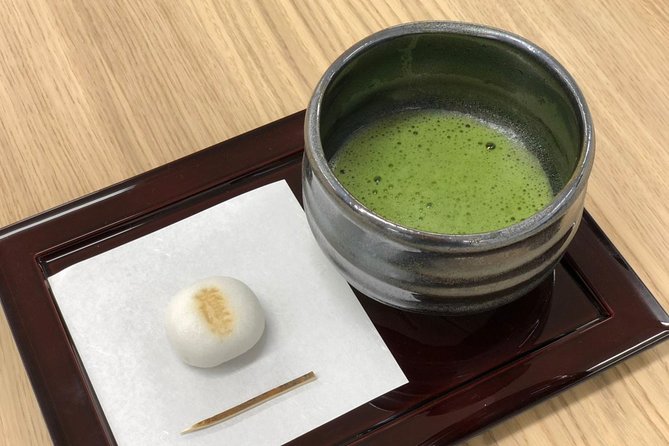
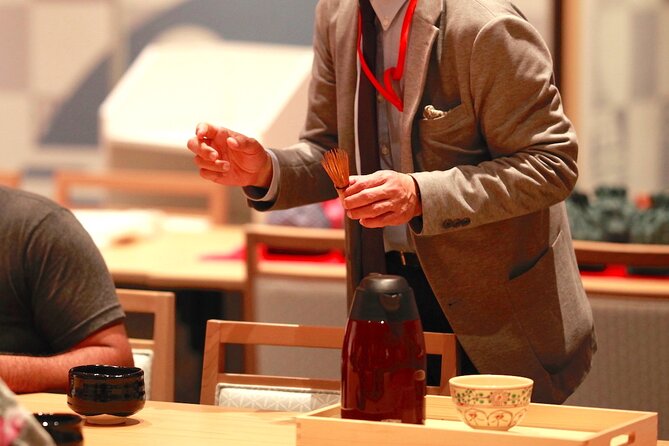
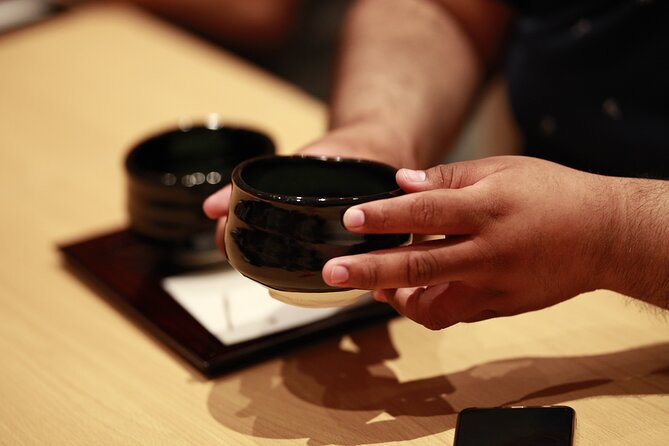
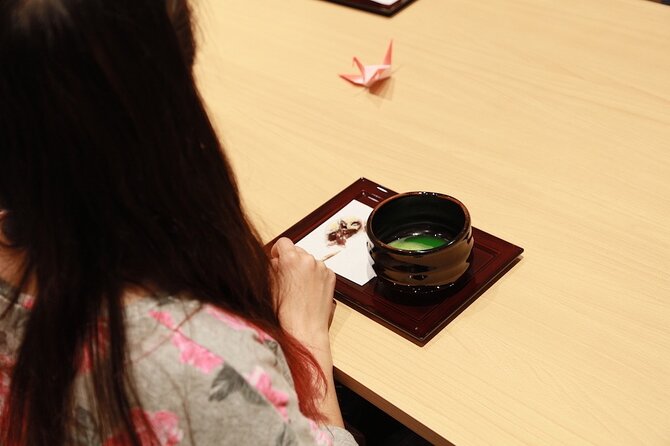
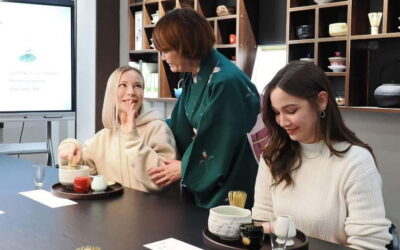
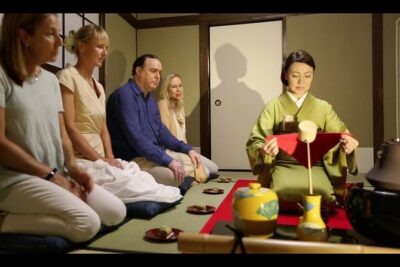
The tea ceremony begins with matcha and a Japanese sweet. An instructor guides you through preparing and serving the tea, including the basic handling of the bowl and whisk.
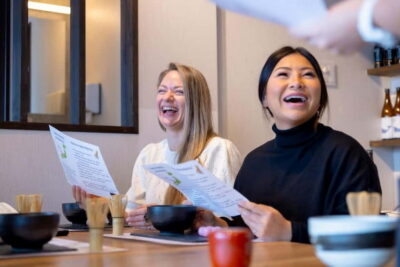
This is not simply a cup of green tea handed to you. You take part in the process, which helps explain why matcha preparation is treated with such care. The instructions make the ritual approachable, even if you have never held a bamboo whisk before.
The sweet gives you a useful point of comparison. Japanese sweets are often served with matcha because their sweetness balances the tea’s stronger, earthy flavor. You receive a snack set as part of the experience, so there is no extra charge for this portion.
A matcha set, including a tea bowl, matcha powder, bamboo whisk, and related tools, is available to buy but is not included in the price. That is worth noting if you are hoping to repeat the activity at home. You can enjoy the ceremony without purchasing anything, but the optional set may appeal to dedicated tea fans.
A short Japanese dance performance
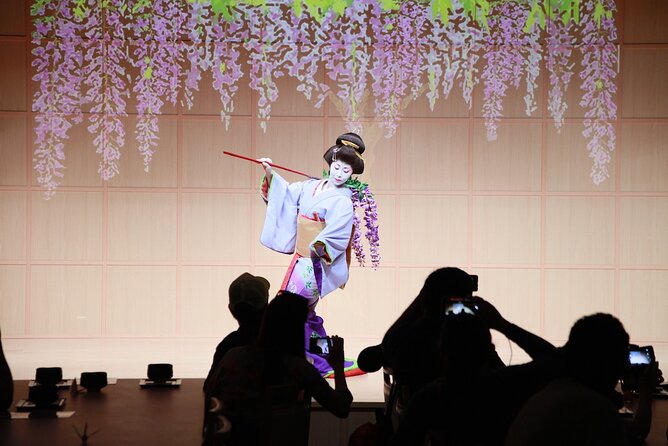
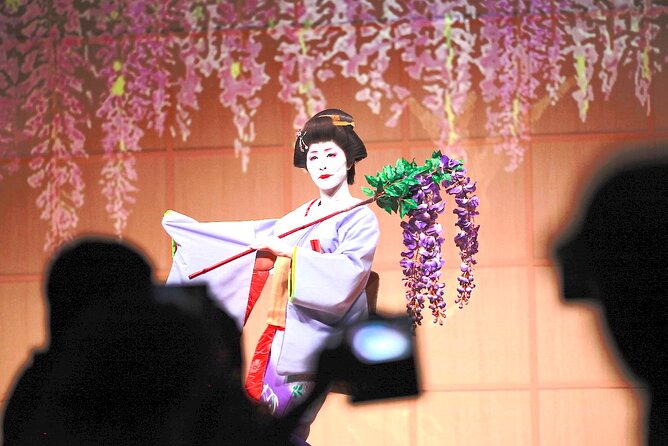
The dance presentation adds a visual change after the quiet tea activity. You watch a Japanese dance performance while learning about the art and cultural meaning behind the movements. English explanations help you follow what you are seeing rather than treating the performance as decoration.
The dance is one of the most praised parts of the visit. Several accounts describe it as beautiful, and the fan movements received particular attention. The performance has also been described as a geisha dance, though the supplied details officially identify it as a Japanese dance show.
There is one fair caution: the dance may last less than 10 minutes. If you are booking mainly for a long stage performance, you may find this section brief. EDOCCO is better understood as a sampler, with the dance sharing time with four other activities.
That short length can also work in your favor. You get a taste of the art without asking children or first-time culture seekers to sit through a long formal presentation. The English explanation helps turn a short performance into a useful lesson.
Same place, a different pot:
- Tokyo: Matcha Making Experience with Mochi Sweets in Asakusa
★ 4.9 · 388 reviews - Asakusa Cultural Walk & Matcha Making Tour
★ 5.0 · 245 reviews - Mt. Fuji & Lake Kawaguchiko Ropeway Panorama Full-Day Tour
★ 4.6 · 236 reviews - Tokyo: Matcha and Kimono Experience
★ 4.7 · 219 reviews
Trying on a kimono in an Edo-style setting
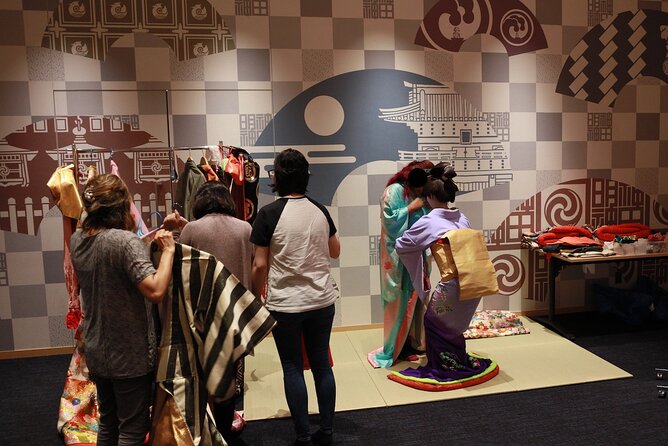
The kimono activity lets you step into traditional dress for photos and for the atmosphere of the visit. The program describes this as cosplay, so you should think of it as a cultural dress-up experience rather than a full formal kimono fitting.
That distinction is important. You are not signing up for an extended dressing service or a professional photo session. Instead, you put on Japanese clothing, enjoy the change of pace, and feel closer to the period atmosphere the venue aims to create.
For families, this can be the most memorable part. Children can see how clothing changes posture and movement, while adults get a simple photo opportunity tied to the rest of the program. One child particularly enjoyed wearing a kimono and learning traditional dance movements with a fan.
The activity also gives context to the dance. After seeing how a performer moves in traditional clothing, trying on a kimono helps you appreciate the clothing’s shape and the care required to move in it.
Writing a character with shodo
The calligraphy lesson is hands-on and guided. You learn basic brush strokes, then create your own Japanese character. The activity is simple enough for a beginner, but it still requires concentration. Brush pressure, direction, and spacing all matter.
I like this part because it gives you something personal to take away from the visit. You are not only looking at Japanese writing on signs or menus. You are trying to produce it yourself, with a brush and ink under instruction.
The hosts are described as patient, which is useful here. Beginners may worry about making a mistake, but calligraphy is about controlled movement rather than instant perfection. A small group also gives the instructor more opportunity to help individual participants.
The activity can suit different ages. Children may enjoy the novelty of using a brush, while adults often appreciate the quiet focus. If you have never studied Japanese characters, do not expect a language lesson. This is an introduction to the visual discipline of shodo.
Folding paper into origami
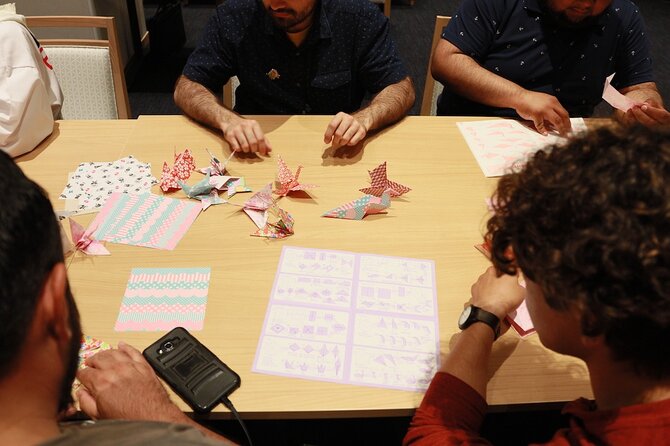
Origami follows the calligraphy activity and offers another way to work with your hands. You learn how one flat sheet of paper can become a recognizable object through a series of folds. Simple cranes and more detailed shapes may be included, depending on the session.
The appeal is immediate. You do not need prior experience, and the finished piece becomes a small reminder of the visit. Children can take part, though younger participants may need help keeping track of the folding steps.
Origami also complements calligraphy nicely. Both activities reward patience, accuracy, and attention to small details. One uses brush and ink, while the other uses paper and folds. Together, they show two different forms of Japanese craft without requiring a long class.
How the schedule feels in real time
The program moves through tea, dance, kimono dress-up, calligraphy, and origami in about an hour. That is an efficient format, but it means no single section receives much time.
You should arrive ready to follow instructions and change activities quickly. The hosts guide the group from one part to the next, and the experience has been described as organized without feeling rushed. Still, a person who wants lengthy tea instruction or an extended dance show may prefer a specialist activity instead.
For most visitors, the compact schedule is the point. You can place EDOCCO between major Tokyo sights, use it as a first-day introduction, or choose it for a quiet break from shopping and sightseeing. It gives you several cultural reference points that make later experiences around Japan easier to understand.
The maximum group size is 20. Some sessions may be far smaller, even with only two people attending. A small turnout does not automatically cancel the activity, and it can mean more direct attention from the hosts.
The hosts make a major difference
The strongest part of the experience is the personal instruction. The hosts are repeatedly praised for their warmth, patience, English ability, and care with explanations. Ori is named as a detail-oriented instructor, while Mr. Bambu and Ori are both singled out for being friendly and informative.
Those names matter because this program depends on teaching style. Matcha, calligraphy, and origami can feel stiff if instructions are rushed. Friendly guidance turns them into approachable activities, especially for children and adults who may feel unsure about doing something incorrectly.
The hosts also explain the background behind the activities. You learn why the tea is prepared in a particular way, what dance movements represent, and how calligraphy and paper folding fit into Japanese culture. It is this added explanation that gives the program more value than a simple photo stop.
English support is a clear advantage. You can ask questions and understand the instructions without relying on guesswork. That makes the experience suitable for international visitors who want more than a performance they cannot follow.
Is $72.48 good value for one hour?
At $72.48 per person, EDOCCO is not the cheapest one-hour activity in Tokyo. The price becomes easier to justify because it includes several separate elements: matcha and a sweet, Japanese dance appreciation, calligraphy, origami, and traditional dress-up.
If you value variety, the cost is reasonable. You would otherwise need to book several activities to cover the same ground, and separate bookings would take more time. The included snacks and guided instruction also mean you do not face extra charges for the main program.
If your priority is depth, the value is less certain. A dedicated tea ceremony or full kimono session would give you more time with one tradition. EDOCCO makes the most sense for a first visit, a family outing, or a short cultural stop during a packed Tokyo itinerary.
The experience is booked an average of 17 days ahead, so I would not leave it until the last minute if your schedule is fixed. Confirmation normally arrives at booking, though reservations made within one day of the visit are confirmed as soon as possible, subject to availability.
Who should book EDOCCO Tea House?
I would recommend it to:
- First-time visitors who want a broad introduction to Japanese culture
- Families with children who prefer short, active lessons
- Couples looking for a calm cultural activity
- People who want English explanations
- Visitors with only an hour available
- Anyone interested in matcha, calligraphy, origami, or Japanese dress
I would be more cautious if you want a long, formal tea ceremony, an extended dance performance, or a full professional kimono fitting. This program gives you a taste of each tradition, not a complete course in any one of them.
The activity can also work well at the beginning of a Japan trip. It introduces customs you may notice later in temples, shops, restaurants, museums, and performances. You leave with a few useful reference points rather than simply checking off an attraction.
Practical booking details and cancellation
The activity uses a mobile ticket and returns to the same meeting point. Free cancellation is available up to 24 hours before the local start time for a full refund. Changes or cancellations made inside 24 hours are not accepted for a refund.
The experience may be canceled if poor weather affects operation or if the minimum number of participants is not met. In those cases, you are offered another date or experience, or a full refund.
FAQ
Where does the EDOCCO Tea House experience begin?
It begins and ends at EDOCCO Studio, located at 2-chome-16-2 Sotokanda, Chiyoda City, Tokyo 101-0021, Japan.
How long does the activity last?
The experience lasts approximately one hour.
What activities are included?
You take part in a matcha and Japanese sweet experience, watch a Japanese dance show, try Japanese dress-up, practice calligraphy, and learn origami.
Is the experience available in English?
Yes. English explanations and instruction are provided during the cultural activities.
How many people can join the group?
The maximum group size is 20 people. Some sessions may have fewer participants.
Can I buy a matcha tea set?
Yes. A tea bowl, matcha powder, bamboo whisk, and other tea tools are available for purchase, but the set is not included in the activity price.
Should you book EDOCCO Tea House?
Book it if you want a friendly, well-organized introduction to several Japanese traditions in a single hour. The strongest reasons are the English instruction, the kind hosts, the hands-on activities, and the chance to enjoy both a performance and practical lessons.
The main trade-off is time. The dance is short, and every activity is an introduction rather than an extended class. For most first-time visitors, that compact format is useful. At $72.48, I would choose EDOCCO for variety, personal instruction, and family appeal, not for deep study of one art.
Just added around Tokyo
- Yokohama : Tea Ceremony with Sweets and Souvenir★ 5.0 · 5 reviews
- Walking Tour: Yanaka,Nezu& Sendagi: Tea Ceremony & Old Tokyo★ 5.0 · 3 reviews
- Private Kimono and tea ceremony at local home near Tokyo Disney★ 5.0 · 6 reviews
- Private Mochi・Matcha sweets Making Class Near Shibuya Area★ 5.0 · 22 reviews
- Kimono and Tea Ceremony in Asakusa Private Food Tour With Guide★ 5.0 · 4 reviews
- 2 Hours Mochi &Nerikiri Making & Matcha Class in Bunkyo★ 5.0 · 21 reviews
- Tokyo Sweets Tour: Hidden Gems & Matcha at an Old Tea House★ 5.0 · 6 reviews
- Tokyo Tea Ceremony Class at a Traditional Tea Room★ 5.0 · 2 reviews
Tokyo Tea Tours, compared.

Matcha Making Class in Tokyo with Authentic Japanese Sweets Set
Read our review →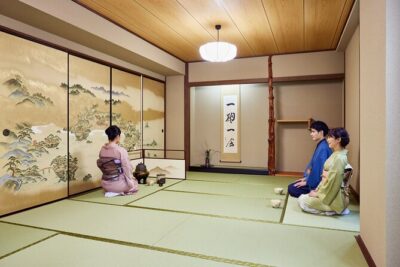
Matcha Making Experience with Mochi Sweets in Asakusa
Read our review →

Mt. Fuji & Lake Kawaguchiko Ropeway Panorama Full-Day Tour
Read our review →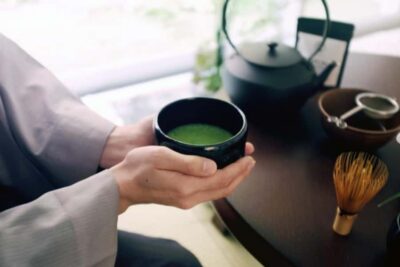
Tea Ceremony Workshop in Tokyo by the Experienced Instrucor
Read our review →Browse the lists this tour appears in