
Review · KYOTO
Family Mitsui House Museum with green tea admission ticket
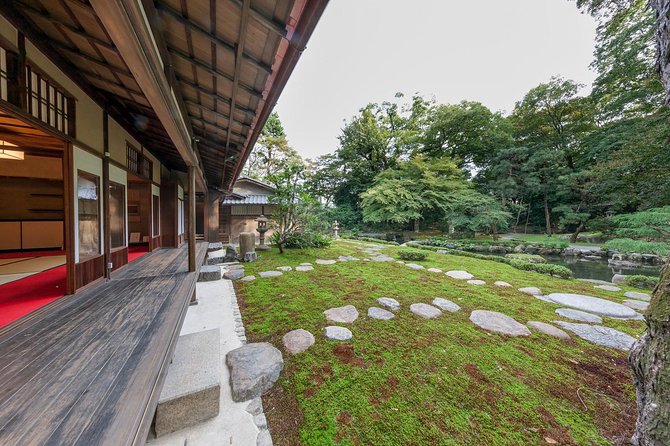
Quiet Kyoto has its rewards. The Old Mitsui Family Shimogamo Villa gives you a close look at Meiji-era architecture, a carefully kept garden, and matcha served while you sit on tatami. I especially like the peaceful setting beside Shimogamo Shrine and the simple pleasure of looking out at the garden with tea in hand. The main limitation is clear: this $15 ticket covers the first floor and garden, but not the second floor, third floor, or tea room area.
This is a short, gentle visit rather than a packed sightseeing stop. You can hear birds and the murmur of the river despite being in the city, and the garden changes with the seasons. I also like that the visit is easy to fit into a Kyoto day, though anyone hoping to explore the whole house should check if a higher-priced tea ticket is available on the day.
Key points to know before you go
- Matcha on tatami: Your admission includes green tea enjoyed while looking across the garden.
- A preserved 1880 villa: The former Mitsui family residence dates from Meiji 13 and is designated an Important Cultural Property.
- First floor and garden access: This ticket includes the ground-floor rooms and outdoor garden, but not the second floor, third floor, or tea room area.
- A quiet stop near Shimogamo Shrine: The house offers a calm pause from Kyoto’s busier streets.
- About one hour: The visit works well between nearby sights, especially if you prefer a slow cultural experience over a long guided tour.
- Flexible booking: You receive a mobile ticket, and cancellation is free up to 24 hours before the start time.
A Meiji-era house beside Shimogamo Shrine
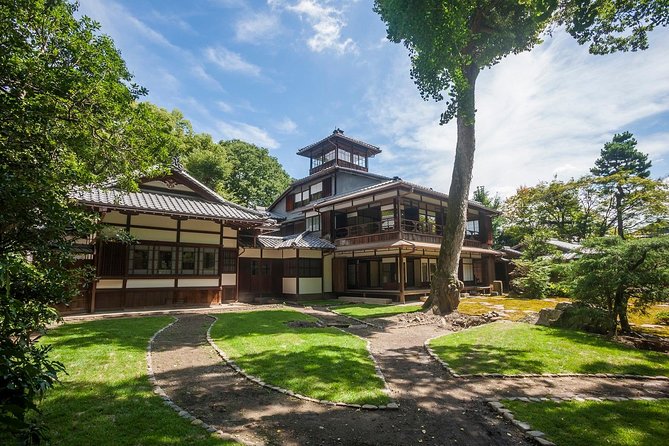
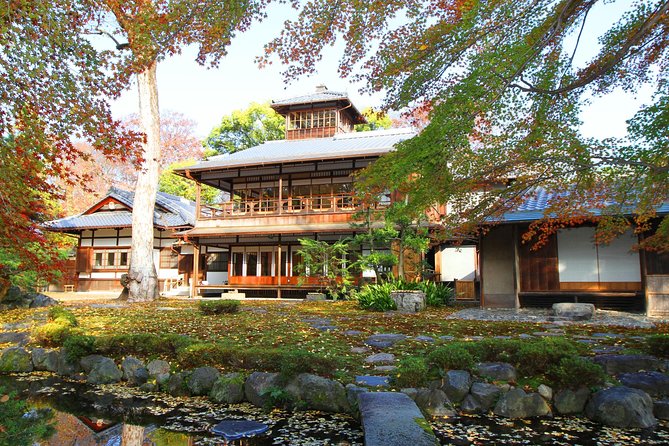
The Old Mitsui Family Shimogamo Villa is the former home of the Mitsui family, a major merchant family connected with Kyoto’s commercial and cultural life. The house was built in 1880, during the Meiji period, and its large scale has been carefully preserved.
That date matters. You are not looking at a reconstructed display created for tourists. You are entering a surviving family residence that shows how an affluent Kyoto household arranged rooms, tatami spaces, garden views, and daily life during a period of major change in Japan.
The villa sits near Shimogamo Shrine, one of Kyoto’s best-known sacred areas. Yet the mood here is notably quiet. The city does not disappear, but the house and garden create a softer setting where you can slow down. Birds, water, and garden sounds become part of the visit.
I would not treat this as a grand palace tour. Its appeal is more personal. The rooms are valuable because they show scale, proportion, and the close relationship between Japanese architecture and the garden outside.
More Green Tea Tours in Japan
- Scenic Green Tea Fields of Hidden Kyoto & Local Tea Exp (Private)
★ 5.0 · 32 reviews - Kyoto Matcha Green Tea Tour
★ 4.7 · 28 reviews - Sencha-do the Japanese Tea Ceremony Workshop in Kyoto
★ 5.0 · 21 reviews
What your one-hour visit includes
The ticket combines admission with matcha green tea. You can see the first floor, walk through the garden, and sit on tatami while enjoying the tea. The basic structure is simple, which is part of its charm.
You are not being rushed from room to room by a guide. Instead, you have time to notice the way the building frames the garden. The view from the sitting area gives the tea portion a purpose beyond refreshment. You are using the house as it was meant to be used: seated low, looking outward, and letting the garden provide the changing scene.
A one-hour visit is enough for the main experience. You can inspect the first-floor rooms, spend time outside, and have your matcha without turning the stop into a major time commitment. If you like to read every label or pause for photographs, allow yourself a little extra room in your Kyoto schedule.
The ticket does not include the second floor, third floor, or tea room area. This is the most important point to understand before booking. If access to more of the house is available that day, you may be able to purchase a different tea ticket that includes the second floor. It is worth asking on arrival if that matters to you.
Sitting on tatami with matcha and a garden view
The tea service is the heart of this ticket. Matcha is served while you sit on the tatami floor and look toward the garden. That changes the pace of the visit. Instead of simply walking through an old building, you get a few quiet minutes to sit in it.
The setting is more important than ceremony here. The supplied information does not describe a formal tea lesson or a detailed tea demonstration, so you should not book this expecting a full tea ceremony. Think of it as matcha enjoyed in a traditional room, with the garden doing much of the work.
That sounds modest, but it is exactly why the experience can feel special. Kyoto sightseeing often involves standing, walking, and checking the next stop. Sitting on tatami gives you a reason to stop moving. You can look at the garden, notice seasonal changes, and take in the house without trying to cover too much.
The garden is not presented as one fixed view. Its appearance shifts through the year. One visit may offer flowering plants, another may show a different color and texture. One account of the visit mentions bellflowers and blooming lotus, which gives you an idea of the seasonal variety you might find.
If you enjoy gardens, architecture, or quiet cultural spaces, the tea is good value because it creates a complete experience in a short period. If you do not care for matcha or dislike sitting on tatami, the admission alone may feel like the stronger part of the ticket.
First-floor rooms that reward a slow look
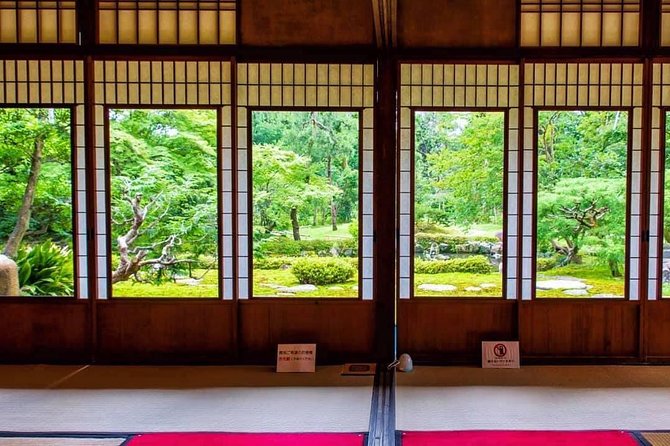
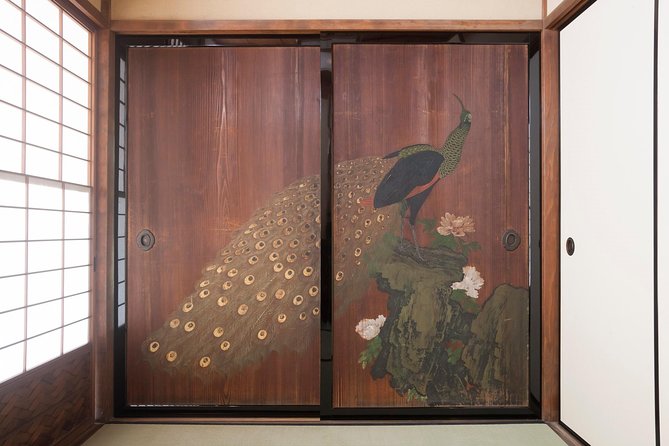
The first floor gives you the clearest sense of the villa’s scale. This was a large family residence, not a small tea cottage. The rooms, tatami surfaces, and garden-facing layout help explain how traditional Japanese homes used space without filling it with furniture.
I would pay attention to the relationship between inside and outside. Japanese rooms often gain much of their character from the view beyond the open side of the room. Here, the garden is not a separate attraction added beside the house. It is part of the architecture.
The careful preservation is another reason to visit. The house is designated an Important Cultural Property because the large structure has survived in good condition. That status does not mean every section is open with this ticket, so keep the access limits in mind. You are seeing a meaningful portion of the villa, not the entire property.
English information is limited beyond the standard leaflet. If you want a long explanation of the family, building methods, or room functions, you may need to rely on the leaflet and your own observation. The staff are described as polite and willing to explain, but you should not assume a full English-language guided tour.
That limitation will matter more to history specialists than to casual visitors. I see the villa as a place where the building itself does much of the explaining. Still, a little more English interpretation would make the visit easier for international visitors.
More Green Tea Tours in Kyoto:
- Cycling Tour at Uji’s Matcha Green Tea Fields and Heritage
★ 5.0 · 10 reviews - Matcha Green Tea Plantation and Matcha Factory Visit
★ 5.0 · 6 reviews - Experience all of Japanese culture and Japanese food experience classes “origami, udon, Japanese food, green tea, calligraphy” in 4 hours
★ 5.0 · 105 reviews - Uji: Green Tea Tour with Byodoin and Koshoji Temple Visits
★ 4.8 · 72 reviews
The garden changes with the season
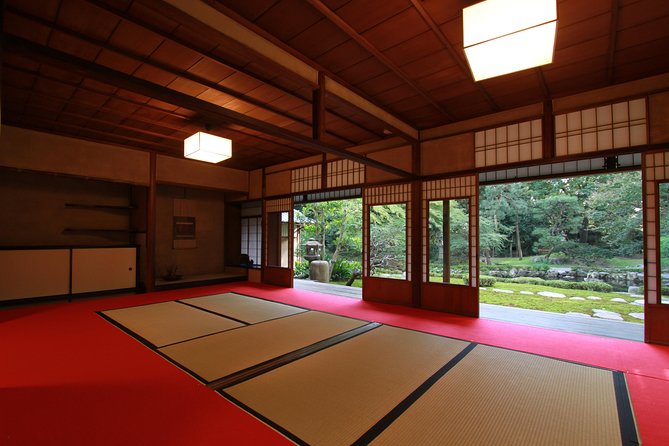
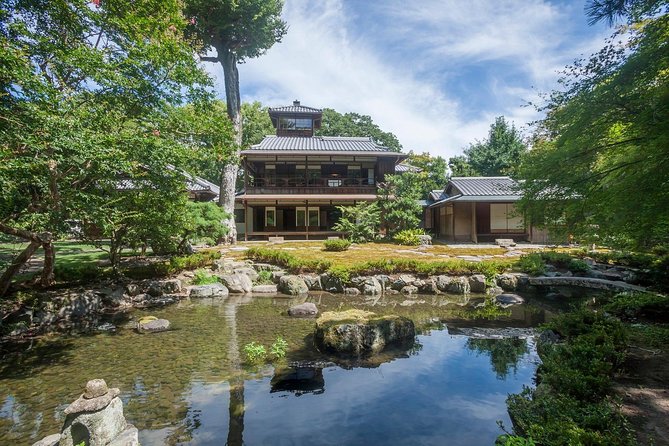
The garden gives you a reason to return. Its appearance is not fixed, and the plants provide different points of interest during the year. You might find flowering plants, lotus, or other seasonal details, depending on the date of your visit.
The quiet setting is the strongest feature. This is not just a garden to photograph quickly before leaving. You can walk through it after seeing the first floor, then return to the tea area and look back toward the same scenery from a seated position.
That change in viewpoint is worth noticing. From the garden, you see the house as part of the grounds. From the tatami room, you see the garden as an extension of the house. The visit works best when you give yourself time for both.
The villa is also a useful place to escape Kyoto’s street noise for a while. It is close to major sights, but the atmosphere feels removed from the city. You may hear birds and the river rather than the steady movement of urban traffic.
I would not promise complete solitude. The experience remains a public attraction, and the length of your quiet break will depend on how many people are present. Still, the property is suited to calm observation rather than a hurried group schedule.
Is the $15 price fair?
At about $15, the ticket is reasonably priced for a short cultural visit in Kyoto, particularly because it includes both admission and matcha. You are paying for access to a preserved historic house, its garden, and a traditional sitting experience, not just entry to a room with a view.
The value is strongest if you already plan to visit the Shimogamo area. You can add the villa without giving up half a day, and the one-hour length makes it easy to place between other stops. The nearby setting also means you can combine architecture, garden time, and tea without arranging separate activities.
The value is less convincing if you expect full access to the property. The second and third floors, along with the tea room area, are excluded. One person who bought the basic ticket wished they had chosen the option allowing second-floor access when it was available. Ask about alternatives before entering if seeing more of the house is important to you.
There is no need to dress up the price as a bargain for everyone. It is a fair fee for a focused experience. You are buying atmosphere and access to a protected building, not a long program packed with activities.
Who will enjoy this experience most?
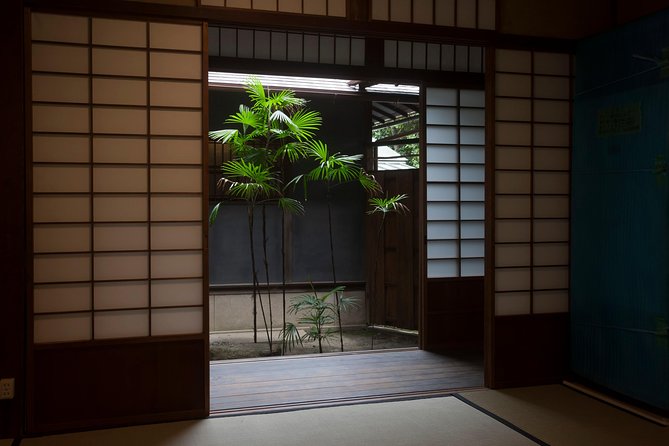
I would recommend the villa to people who like traditional Japanese architecture, gardens, historic homes, and quiet pauses in a sightseeing day. It is especially well suited to anyone who prefers seeing how a house works rather than only visiting major temple gates and famous viewpoints.
It is also a good choice for repeat visitors to Kyoto. If you have already covered the city’s biggest attractions, the villa offers a different kind of afternoon. You can sit, look, and notice details that are easy to miss when moving from one famous site to another.
Families may appreciate the short duration, although the enjoyment will depend on the age and interests of the children. The building and garden reward patience more than active entertainment. Most people can participate, and service animals are allowed.
I would be more cautious about recommending it to someone who wants a guided historical lecture, a full tea ceremony, or access to every floor. The standard ticket is compact and calm. That is its strength, but also its boundary.
Timing, ticket details, and practical advice
The mobile ticket makes entry straightforward, and confirmation is provided when you book. The property is near public transportation, so it can be added to a day in the Shimogamo area without requiring a special excursion.
The listed schedule covers January 5 through March 31, 2026, with Monday hours shown as 9:00 a.m. to 5:00 p.m. Check the operating time for your exact date before setting out, since the information provided does not establish a full weekly schedule for every date.
Plan on roughly one hour, but avoid placing it between two tightly timed reservations. You will want enough time to remove the pressure from the tea and garden portion. The visit is short enough to fit into a full day, but it is not improved by racing through it.
Free cancellation is available if you cancel at least 24 hours before the experience start time. Within 24 hours, the payment is not refunded, and changes are not accepted. The cut-off uses local time.
The main drawback: limited access and limited English
The two criticisms I would take seriously are the restricted upper-floor access and the small amount of English information. The first-floor visit is worthwhile, but some people will feel disappointed after learning that the second floor, third floor, and tea room area are not part of this ticket.
The answer is practical: ask about the other tea ticket before you settle on the basic plan. If the second floor is open and a suitable ticket is available, the added access may be worth the difference for architecture enthusiasts.
The language issue is harder to solve. A standard leaflet provides some help, and staff are described as courteous and willing to explain. Yet you should come ready to appreciate the spaces visually rather than expecting detailed English interpretation at every turn.
For me, neither drawback cancels the visit. They simply make it important to book the experience for what it actually offers: a first-floor villa visit, a garden walk, and matcha on tatami.
Should you book the Mitsui Family House ticket?
Book it if you want a peaceful hour near Shimogamo Shrine, enjoy traditional homes, and like the idea of tea with a garden view. The setting, preserved 1880 architecture, seasonal garden, and polite staff make this a graceful addition to a Kyoto itinerary.
Skip it if you need a full-property tour, extensive English explanations, or a formal tea ceremony. In that case, ask about the higher-level tea ticket before deciding.
For most people who value atmosphere over a long checklist of sights, the $15 admission and matcha combination is a sensible choice. It gives you a quiet place to sit in a historic Kyoto house, which can be just as memorable as another crowded landmark.
FAQ
What does the admission ticket include?
It includes entry to the Old Mitsui Family Shimogamo Villa, access to the first floor and garden, and matcha green tea.
Are the second and third floors included?
No. The second floor, third floor, and tea room area are not included with this ticket.
Can I visit the garden?
Yes. The ticket includes access to the garden, which changes in appearance with the seasons.
How long does the experience take?
The experience lasts approximately one hour.
Is the villa near public transportation?
Yes. The property is near public transportation.
Can I cancel the booking for a refund?
Yes, if you cancel at least 24 hours before the experience start time. Cancellations made less than 24 hours in advance are not refunded, and changes within that period are not accepted.
More Museums in Kyoto
- Kyoto: Uji Matcha Tea Museum Entry Ticket
★ 5.0 · 5 reviews - Authentic Tea Ceremony & Sushi in The Museum of Kyoto
★ 5.0 · 3 reviews - Kyoto: Tea Museum Tickets and Matcha Grinding Experience
★ 4.9 · 739 reviews - Afternoon Tea at the British Museum
★ 4.2 · 511 reviews
Just added around Kyoto
- Uji Walking Tour – Byodo-in temple and Tea Ceremony from Kyoto★ 3.5 · 3 reviews
- Tea ceremony at Kyoto’s Zen Temple Teahouse★ 5.0 · 2 reviews
- Kyoto: Authentic Tea Ceremony in a Small Group★ 5.0 · 7 reviews
- Tea Ceremony in 150 Years Old Townhouse with Tables and Chairs★ 5.0 · 22 reviews
- Silent Beauty of Kyoto Zen Walk and Tea Experience★ 5.0 · 2 reviews
- Tea Ceremony Experience in Traditional Kyoto Townhouse★ 5.0 · 19 reviews
- Traditional Tea Ceremony in Kyoto★ 4.5 · 3 reviews
- Kyoto Private Tea Ceremony at a Japanese Inns★ 5.0 · 12 reviews
Green Tea Tours in Japan, compared.
Green Tea Tour with Byodoin and Koshoji Temple Visits
Read our review →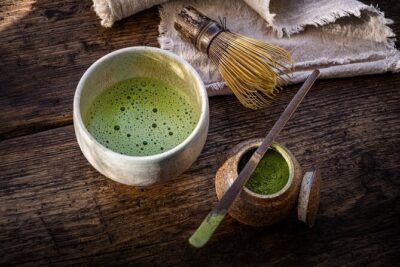
Scenic Green Tea Fields of Hidden Kyoto & Local Tea Exp (Private)
Read our review →
Osaka; Japanese Tea ceremony experience, Macha and Sencha
Read our review →

Slow Cycling Tour at Uji’s Matcha Green Tea Fields and Heritage
Read our review →
Sencha-do the Japanese Tea Ceremony Workshop in Kyoto
Read our review →Browse the lists this tour appears in