
Review · INDIA
Tea Tasting Session at India’s oldest tea boutique : Sancha Tea Boutique
Tea tells you where it grew. At Sancha Tea Boutique, a one-hour tasting introduces you to Indian tea through regional black teas, three Darjeeling seasons, and Masala Chai. You also get time to browse a Jaipur shop carrying more than 100 Indian teas, from green and white varieties to Oolong and black tea.
I like the tasting’s clear focus on regional flavor and the chance to compare spring, summer, and autumn Darjeeling tea side by side. I also like the small-group format, capped at 10 people, which should give you more room to ask questions. The main consideration is that this is a short shop-based activity, not a visit to a tea garden or factory.
The price is about $10.67 per person, which is fair for several tastings and an hour of guided instruction. The shop sits on MI Road near Lassiwala, so it is easy to fit into a Jaipur sightseeing day, though the 12:00 PM to 6:00 PM schedule gives you a fairly narrow window.
Key points to know before booking
- Three Darjeeling seasons: Compare spring first flush, summer, and autumn tea from the same famous growing area.
- Regional tasting: Sample black tea from Darjeeling, Assam, and Sikkim, with some sessions described as covering tea from five Indian producing regions.
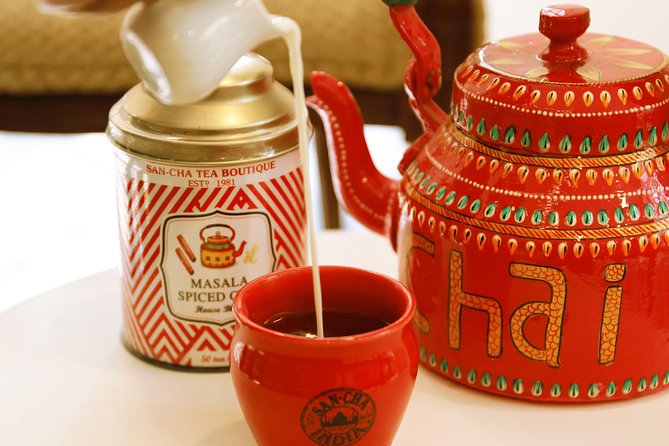
- Masala Chai included: The tasting moves beyond refined black tea to India’s familiar spiced drink.
- Small group setting: The maximum group size is 10 people, making questions and discussion easier.
- Large shop selection: Browse more than 100 Indian teas, including green, white, Oolong, and black tea.
- Simple one-hour plan: Meet and finish at Sancha Tea Boutique on MI Road, with mobile ticketing and public transport nearby.
Why a tea tasting belongs on a Jaipur itinerary
Jaipur is full of grand sights, but a short food or drink experience can give your day a useful change of pace. Sancha Tea Boutique offers a look at India through its tea-growing regions rather than through monuments, markets, or royal stories.
I like this kind of activity because the subject is easy to enjoy even if you know little about tea. You do not need to arrive with a trained palate. The point is to notice differences, ask questions, and find out which styles suit you.
The tasting also gives you a better idea of how varied Indian tea can be. Many people think first of Masala Chai, but India produces delicate spring Darjeeling tea, strong Assam black tea, Sikkim tea, green tea, white tea, and Oolong. Sancha’s shop carries more than 100 types, so the hour can serve as a guided introduction before you decide what to buy.
This is not a tea plantation visit. You will not be walking through rows of bushes or watching tea production at the source. Instead, you get a focused tasting in a retail setting, with the advantage of being in central Jaipur.
More Tea Tastings in India:
- Munnar: Tea trail, Tea Factory, and Tea Tasting Tour
★ 4.9 · 47 reviews - Munnar Tea Trail Tour , Tea factory visit & Tea Tasting
★ 5.0 · 25 reviews - Full Day Food Tour Of Delhi with a chef. Includes Tea Tasting
★ 5.0 · 20 reviews
Arriving at Sancha Tea Boutique on MI Road
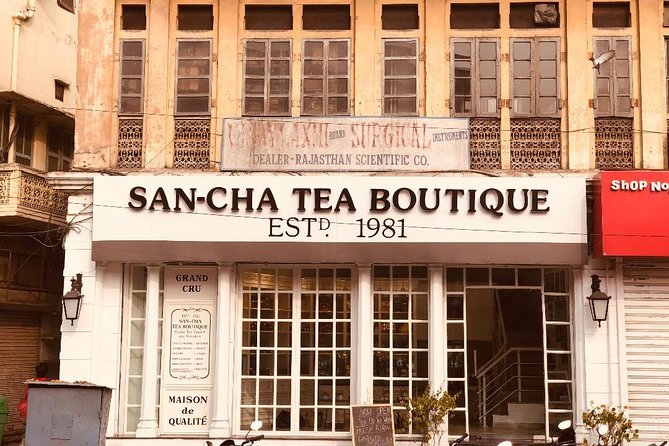
The meeting point is Sancha Tea Boutique on Mirza Ismail Road, near Lassiwala, in the Panch Batti and Jayanti Market area. The shop is close to public transportation, and the activity both begins and ends there.
That location makes this an easy add-on. You can place it between other central Jaipur stops rather than spending a large part of the day reaching an out-of-town attraction. Still, allow enough time to find the shop, especially if you are relying on a driver or navigating the busy MI Road area.
The stated opening hours for the tasting are Monday through Sunday from noon to 6:00 PM. Check your selected time carefully, since the activity is not presented as an open-ended drop-in tasting. You are booking a particular day and time.
The shop setting is part of the appeal. You are not tasting from a temporary table in a hotel or restaurant. You begin in a long-running Indian tea business, then have the chance to inspect the products after learning what separates them.
The regional black tea tasting
The main tasting introduces black tea from Darjeeling, Assam, and Sikkim. These names matter because they represent different tea-growing areas, and the point is to notice how location affects the cup.
Darjeeling is often associated with lighter, more delicate tea. Assam is a famous tea-producing region known for black tea, while Sikkim gives the tasting another regional comparison. The session is designed to let you compare rather than simply sample one tea and move on.
A tea specialist selects the teas, and the explanations cover origins and production methods. You can expect the discussion to focus on what you are drinking, where it comes from, and how the tea is made. That makes the experience useful for anyone who wants more than a pleasant cup.
The tasting has received especially strong praise for the staff’s explanations and service. One account describes a staff member explaining the origin and manufacturing process while pointing out flavor notes in detail. That is exactly the kind of guidance that helps you learn how to taste instead of simply deciding that you like or dislike a tea.
The format should work for both tea fans and people who rarely drink tea. One person who did not normally drink tea still found the range and Masala Chai enjoyable. If you usually take tea with milk or sugar, tasting it plain may show you flavors you normally miss.
The Darjeeling season comparison
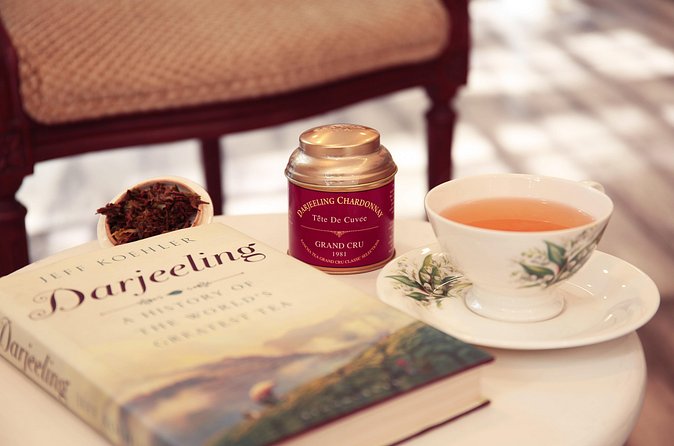
The most distinctive part of the session is the Darjeeling comparison. You taste three seasons of tea from the same broad growing area: spring, also called first flush, summer, and autumn.
This is a smart teaching method. Rather than comparing teas from completely different parts of India, you can see how one tea-growing region changes through the year. The session explains how the same tea bush can produce different flavors because of seasonal conditions and Darjeeling’s local growing environment.
The spring first flush is the early harvest. Summer and autumn teas offer different expressions from later periods. The value is not in memorizing every tea term. It is in learning that harvest timing matters, just as much as the region printed on the packet.
For me, this is likely the strongest reason to book. A standard tea shop visit lets you smell tins and choose a package. This comparison gives you a direct reason to think about why one Darjeeling tea tastes lighter, fuller, sharper, or more rounded than another.
The three-season tasting also gives families a simple experiment to follow. Children can compare colors and flavors without needing technical vocabulary, while adults who already drink tea can pay closer attention to the seasonal differences.
More Food and Drink Tours in India:
- Tea Tasting Session at India’s oldest tea boutique Sancha Tea/Aap Ki Pasand
★ 5.0 · 4 reviews - Jakarta: Volcano, Tea/Rice Fields, Hot Spring, Local Food
★ 4.9 · 515 reviews - Private Tea Ceremony and Sake Tasting in Kyoto Samurai House
★ 5.0 · 163 reviews - SF’s Chinatown: Tea & Dim Sum Food Tour – Includes full meal, 3hr
★ 5.0 · 153 reviews
Masala Chai brings the tasting back to everyday India
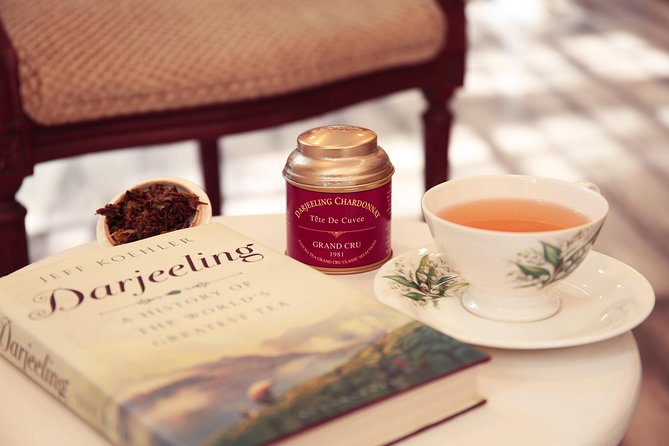
After the regional and seasonal black teas, you taste Masala Chai. This is an important part of the session because it connects specialist tea with the drink you are likely to encounter throughout India.
The style is different from tasting delicate tea on its own. Masala Chai is associated with spice and a more familiar, everyday drinking tradition. Including it keeps the session from becoming too formal or too focused on rare teas.
I like the contrast. First, you consider tea by region and harvest. Then you encounter a drink where tea is part of a larger blend of flavors. It gives you a more complete view of Indian tea culture in just an hour.
The available information does not specify every spice or the exact preparation used during the session, so you should not expect a fixed recipe description. What is clear is that Masala Chai is part of the planned tasting.
Learning how Indian tea is made
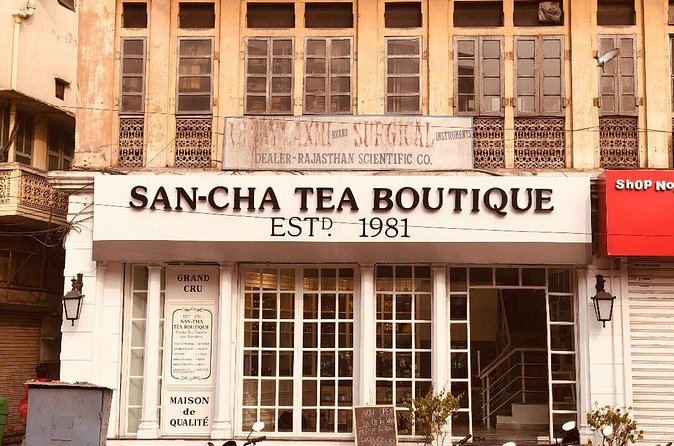
The educational side is stronger than a simple retail sampling. The session includes the history of Indian tea, along with information about origins and production methods.
That background matters because tea labels can otherwise feel like a wall of unfamiliar names. After hearing how tea-growing areas and seasons affect taste, you can shop with a clearer idea of what you are buying.
The staff have been praised for clear explanations and strong tea expertise. The tone appears friendly rather than stiff, and the small group limit gives you a better chance to ask about flavor, preparation, or the differences between tea styles.
Do keep your expectations in proportion. This is a one-hour introduction, not a professional tea certification course. You will learn useful basics, but the depth will depend on the staff member leading your session and the questions you bring.
Browsing more than 100 teas after the tasting
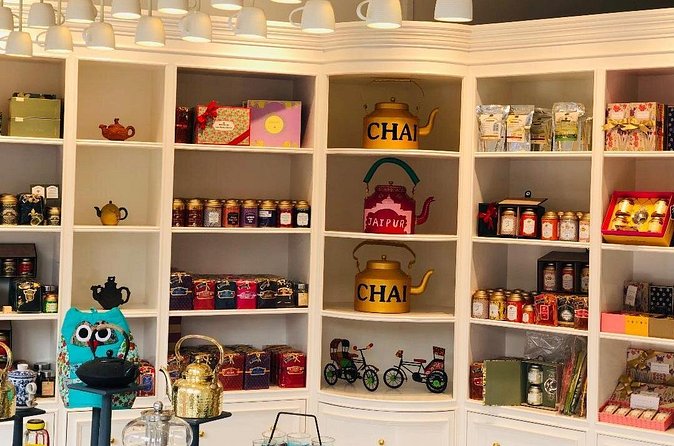
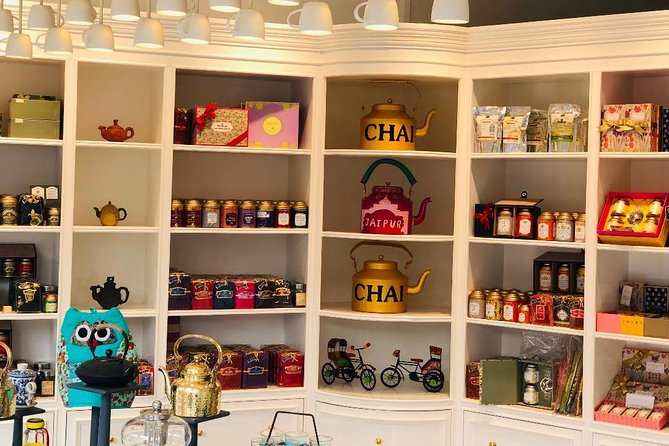
The tasting ends back at the boutique, where you can browse more than 100 Indian teas. The selection includes black, green, white, and Oolong tea.
This shopping time adds real value to the admission price. You do not have to buy anything, but you can use what you learned to compare labels and choose a tea that matches your taste. If you enjoy a particular sample, this is the natural moment to ask about it and look for similar options.
The store is also useful if you want a practical Jaipur souvenir. Tea is lighter and easier to pack than many handicrafts, and a packet from Darjeeling, Assam, or another Indian region gives you a direct reminder of the trip.
Some accounts mention receiving a small gift at the end. Since gifts are not listed as a guaranteed feature, treat that as a possible extra rather than a reason to book. The reliable benefit is the tasting and the chance to browse the shop.
The large selection can also be a drawback. More than 100 teas may be exciting, but it can become confusing if you have not paid attention to which samples you preferred. I suggest making a quick note of your favorites during the tasting, or asking the staff to repeat the names before you leave.
What the $10.67 price really buys you
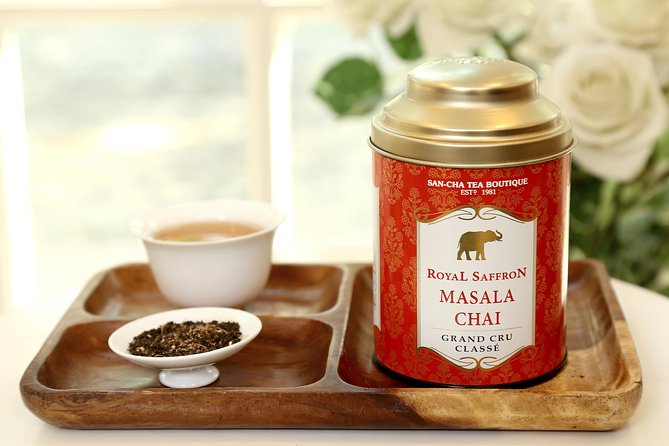
At about $10.67 per person, this is a modestly priced activity. The value comes from the combination of guided instruction, several tastings, the seasonal Darjeeling comparison, Masala Chai, and time in a specialist tea shop.
You are not paying only for a drink. You are paying for context. The staff help you understand why the teas differ, which makes the later shopping more useful.
The price looks especially reasonable if you already plan to visit central Jaipur and can reach MI Road without a separate excursion. It is less compelling if you want a full plantation experience, a long food tour, or a hands-on tea-making class. None of those are part of this one-hour session.
For a couple, family, or small group, the cost stays manageable. The experience also suits mixed-interest groups because it is short and easy to follow. Even someone who is not a serious tea drinker can try regional varieties and Masala Chai without committing half a day.
Group size, timing, and practical planning
The maximum group size is 10 people. That is small enough to feel more personal than a large commercial tasting, though it is not a private session unless you arrange one separately.
The activity lasts about one hour. Plan a little extra time if you want to browse the store carefully after the tasting. The official activity ends back at the meeting point, so you are free to continue exploring MI Road once you finish.
Mobile tickets make entry simple. Confirmation is received when you book, and the experience is available every day during the stated noon to 6:00 PM operating window.
You can cancel for a full refund if you do so at least 24 hours before the start time. Changes or cancellations inside that 24-hour period are not accepted for a refund. The experience also requires a minimum number of bookings, so if it is canceled for that reason, you are offered another date or experience, or a full refund.
Who will enjoy this tea tasting most
I would recommend Sancha Tea Boutique to anyone who wants a short, calm activity between Jaipur’s major sights. It is particularly good for:
- Tea drinkers who want to compare Indian regions and seasons
- First-time visitors who want a simple introduction to Indian tea
- Families, since the tasting is short and the comparison format is easy to follow
- Shoppers looking for a useful, packable Jaipur gift
- People who enjoy food and drink experiences but do not want a full-day tour
It may not suit you if you want to see tea growing in the field, watch factory production, or spend several hours on a detailed tasting course. The shop location and one-hour format are strengths, but they also set firm limits.
Should you book the Sancha Tea Boutique tasting?
Book it if you want a low-cost, well-focused introduction to Indian tea in central Jaipur. The strongest parts are the three Darjeeling seasons, the regional black tea comparison, and the staff-led explanations of origins and production.
I would make it a particularly good choice for a family or mixed group. You can learn something, taste several styles, and browse a large selection without giving up most of your day.
Skip it if your main goal is a plantation visit or a lengthy specialist course. For everyone else, $10.67 buys a useful hour, several distinct tastes, and a better understanding of what you are seeing on Indian tea shelves.
FAQ
Where does the tea tasting take place?
It takes place at Sancha Tea Boutique on Mirza Ismail Road, near Lassiwala, in the Panch Batti and Jayanti Market area of Jaipur, Rajasthan.
How long does the experience last?
The tasting lasts approximately one hour.
What time is the tasting available?
The stated operating hours are Monday through Sunday from 12:00 PM to 6:00 PM.
Which teas are included?
The tasting includes black tea from Darjeeling, Assam, and Sikkim, three seasons of Darjeeling tea, and Masala Chai.
Can I browse or buy tea afterward?
Yes. The boutique offers more than 100 types of Indian tea, including black, green, white, and Oolong tea.
How many people can join the activity?
The maximum group size is 10 people.
Is the tasting available by mobile ticket?
Yes. Mobile ticketing is offered, and confirmation is received at the time of booking.
Can I cancel for a refund?
Yes. You can cancel at least 24 hours before the experience start time for a full refund. Cancellations or changes made less than 24 hours before the start time are not refunded or accepted.
Just added around India
- Varanasi: Sunrise Boat Ride with Masala Tea – Arti Ceremony★ 4.5 · 4 reviews
- Heritage Tour : Private Boat, Havelis, City Walk & High Tea★ 5.0 · 6 reviews
- Tea plantation walk with Visit of Historical ,village & Market★ 5.0 · 5 reviews
- Tea Plantation, Grass Land and Mountain Hiking in Munnar★ 5.0 · 6 reviews
- Tea Farm Tourism★ 5.0 · 8 reviews
- Tea plantation walk and stay in valley view Room (By Munnar Info)★ 4.0 · 2 reviews
- Munnar Tea Plantation Evening walking with Sunset View★ 5.0 · 8 reviews
- Palampur Tea Garden Tour★ 5.0 · 4 reviews
Tea Tastings, compared.
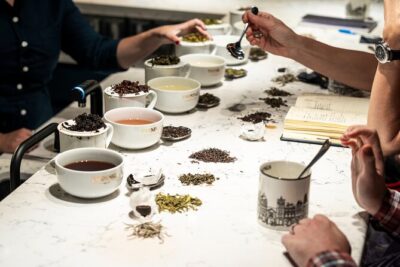
Twinings 2-Hour Tea Tasting Masterclass in London
Read our review →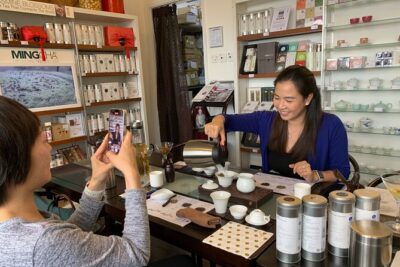

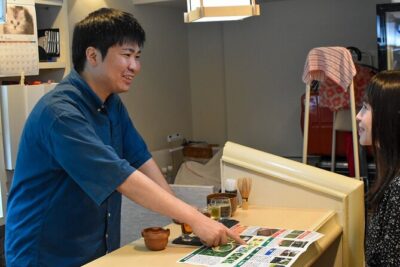
Matcha Experience with of Japanese Tea Tasting in Tokyo
Read our review →

Montmartre Hill French Afternoon Tea Tasting Tour with Crepes and Macarons
Read our review →
Munnar Tea Trail Tour , Tea factory visit & Tea Tasting
Read our review →Browse the lists this tour appears in