
Review · SEOUL
Seoul: Herbal Tea Class & Korean Medicine Tour
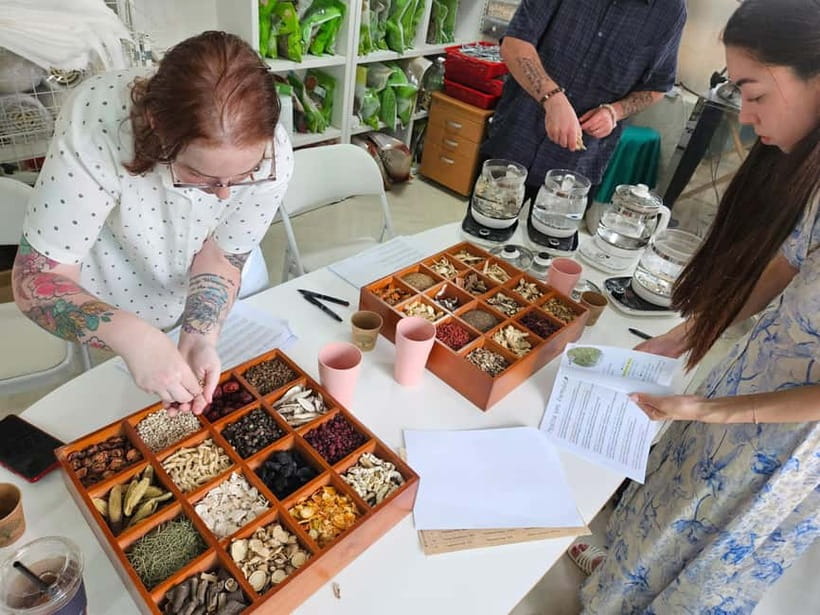
Herbs tell a story. This Seoul experience makes that story hands-on, taking you from a workshop filled with roughly 40 traditional Korean medicinal herbs to the Korean Medicine Museum at Yaknyeong Market. I like the chance to blend a tea suited to your interests, and I like that guide Sungil Choi adjusts his explanations for beginners, curious shoppers, and people with medical training. The main caution is that the museum guidance may not be equally detailed every time, so you should confirm what level of commentary to expect.
The $50 price includes the workshop, herbs, teapot, welcome tea, a take-home bottle, museum admission, and a basic lesson in Traditional Korean Medicine, often shortened to TKM. Optional treatments cost extra, and those charges can add up quickly if you choose acupuncture, moxibustion, massage, or a clinic visit.
Key points at a glance
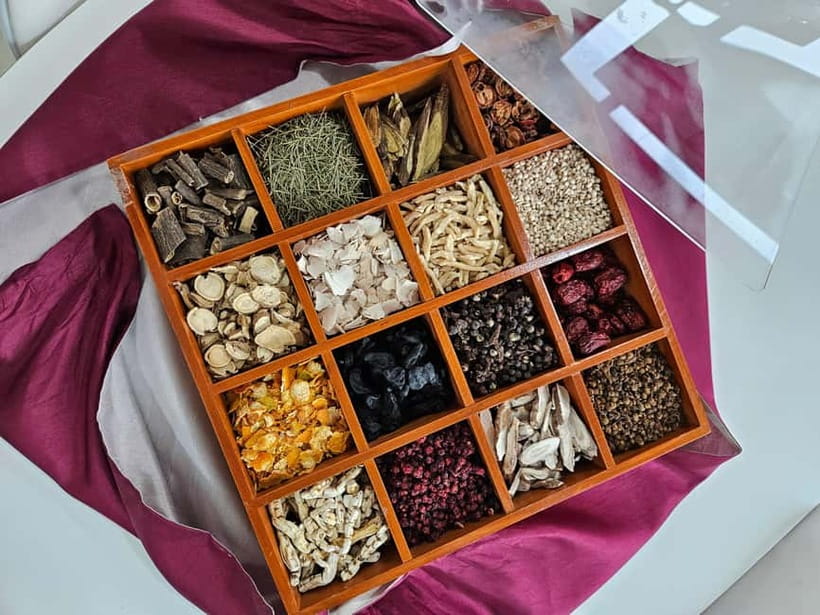
- Blend your own tea: Choose ingredients from about 40 commonly used medicinal herbs, with explanations from Sungil Choi.
- Start at 2:00 p.m.: The session begins in Room 401 and finishes back at the same meeting point.
- Learn the basic ideas behind TKM: The introduction covers Yin-Yang, the Five Elements, and broad differences between Eastern and Western medicine.
- Visit Yaknyeong Market’s museum: Entry and expert commentary are included, though the amount of spoken guidance may vary.
- Add treatments if you wish: Foot baths, massage, acupuncture, moxibustion, and clinic consultations are available at your own cost.
- Suitable for different experience levels: Choi can shape the session around your interests, from a first look at herbs to a more focused discussion of Korean medicine.
What this Seoul herbal experience is really about
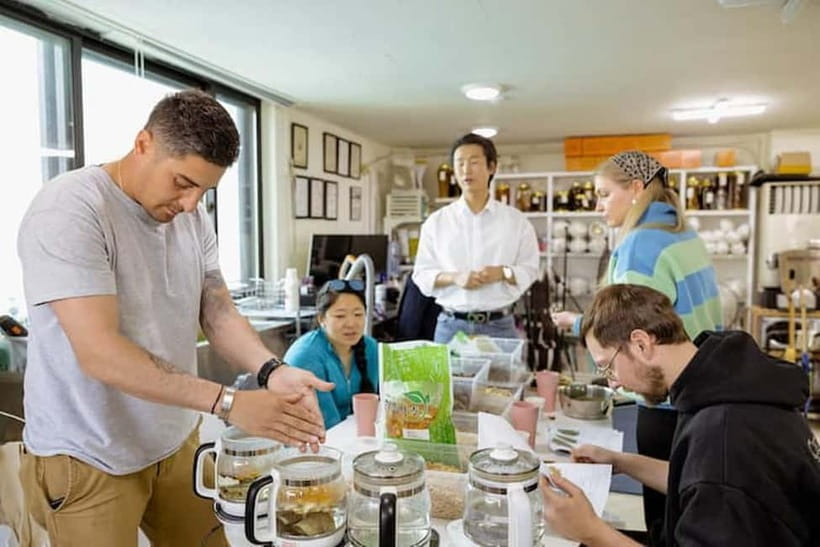
This is not simply a museum visit with a cup of tea at the end. The useful part comes before the museum, when you can handle the ingredients and ask why particular herbs are used in Korean medicine.
Sungil Choi studied herbal studies at university and has worked as an herbal specialist since 2017. He sells medicinal herbs in Korea and leads the experience through his own workshop. That gives the class a practical angle. You are not just looking at labeled jars behind glass. You are choosing ingredients and making something you can take home.
Choi also offers a flexible approach. If you know little about herbs, he can explain the basics in simple terms. If you already have an interest in TKM, you can use the time to ask more focused questions. Medical professionals may also find the comparison with Western medicine useful, although this is still a short introductory experience rather than a professional training course.
I would book this for the conversation and tea-making rather than expecting a full medical consultation. The activity introduces ideas and products, but it should not replace advice from a licensed doctor or practitioner.
A few more tea experiences around the world worth a look
- Kyoto: Tea Ceremony in a Traditional Tea House in Kiyomizu
★ 4.9 · 3,519 reviews - London: Afternoon Tea Cruise on the River Thames
★ 4.4 · 3,274 reviews - Kyoto: Tea Ceremony Ju-An at Jotokuji Temple
★ 4.9 · 3,207 reviews
Beginning at Room 401 at 2:00 p.m.
The tour starts at 2:00 p.m. in Room 401. The exact meeting address can be awkward for anyone unfamiliar with the area, so Choi sends detailed directions on the day of the tour. Keep an eye on your messages and allow enough time to find the room.
The meeting point matters because the first part is held in Choi’s workshop, not at the museum. That workshop setting gives the experience a more personal feel than a standard city tour. You begin with a welcome herb medicine tea, then move into the main lesson.
The session is offered in English. The format is best suited to people who enjoy asking questions and talking through ideas. It is not described as a large-group lecture, and the personalized format suggests that your interests can shape the discussion.
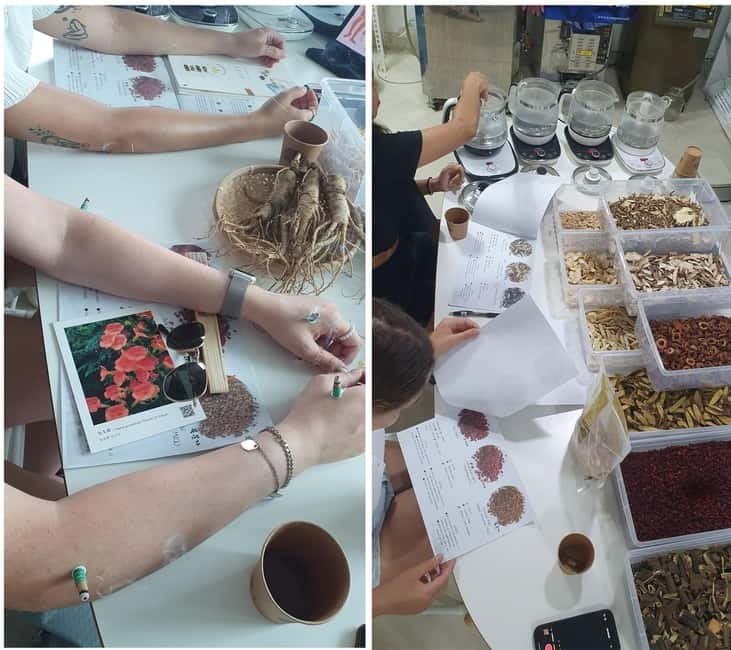
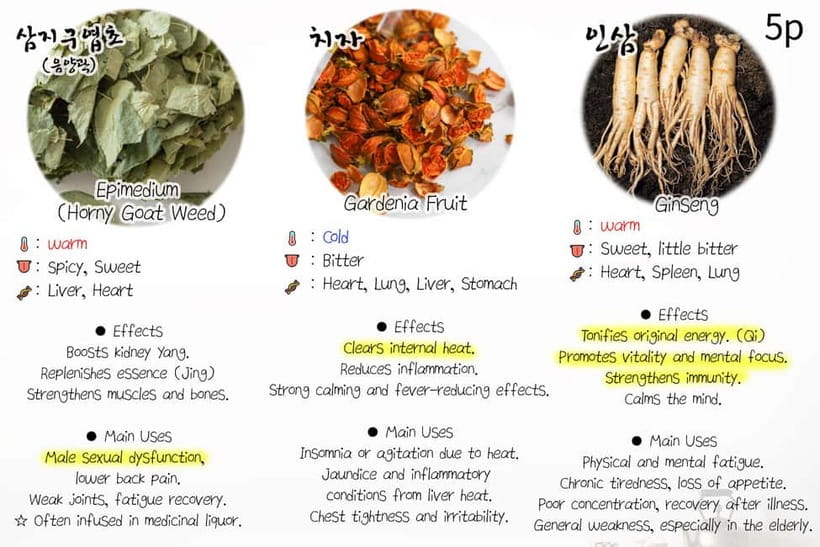
Handling 40 Korean medicinal herbs
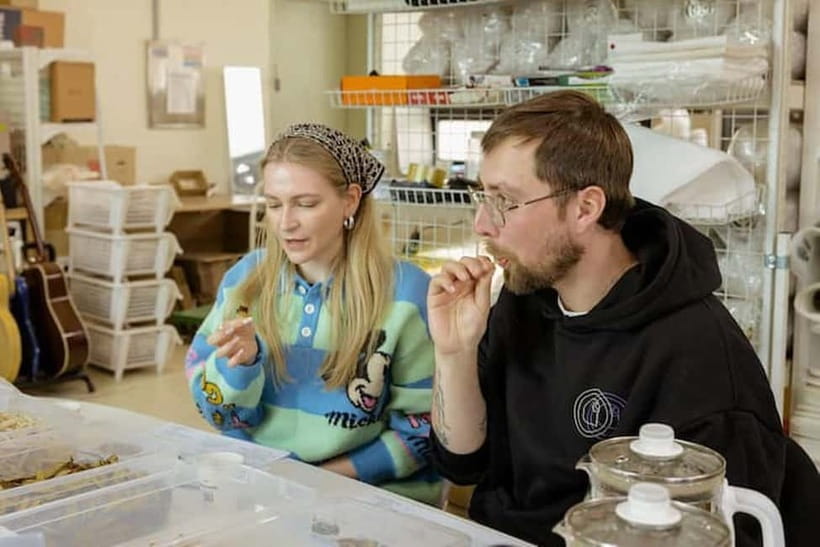
The workshop includes around 40 commonly used medicinal herbs in TKM. You can see and touch them, which makes the class easier to remember than a list of plant names in a display case.
Choi explains what the ingredients are used for within the Korean medicine tradition. The exact tea blend depends on your choices and the discussion you have with him. That personal element is one of the strongest reasons to choose this activity. You are not handed the same prepared tea as everyone else.
The class can also help you shop more wisely later. Seoul’s herbal markets can feel confusing if you do not know the difference between ingredients, forms, or intended uses. A basic introduction gives you some useful context before you look at products on your own.
Still, keep your expectations sensible. A short class cannot explain every herb, every interaction, or every medical claim. Use the session to ask clear questions and learn how the tradition organizes its ideas, not to diagnose yourself.
Blending and bottling your own tea
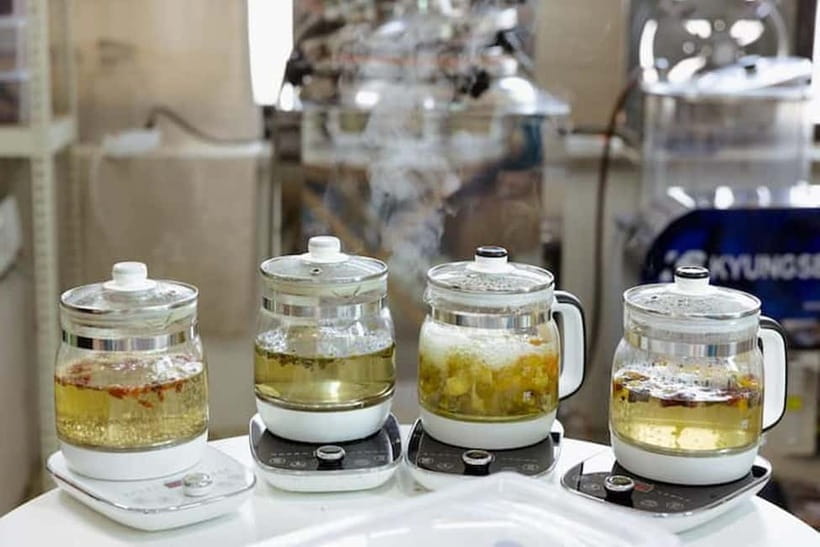
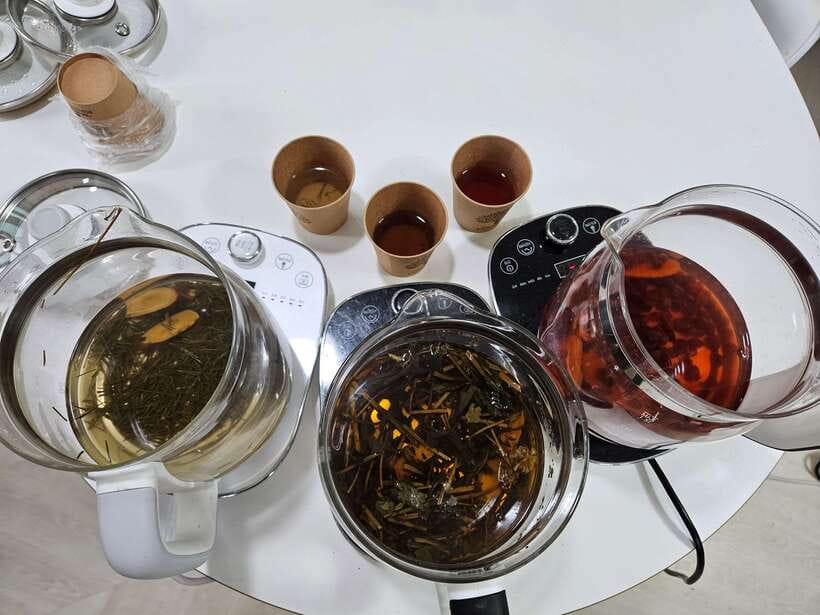
The tea-making section is the heart of the experience. You select herbs, combine them, and use the provided teapot to prepare your blend. The ingredients and teapot are included, as is a bottle for taking some tea home.
I like this part because it turns a broad subject into a small task you can understand. You make choices, see how the ingredients come together, and taste the result. Several strong experiences with the class have centered on this process, especially the way Choi selects or discusses plants for individual needs.
The tea is also a useful souvenir. It is more personal than a packaged gift from a shop, and it helps you remember the lesson after you leave Seoul. You can bring the bottle home, though you should check your own country’s rules before carrying plant products across a border.
The explanations include basic concepts from Yin-Yang and the Five Elements. These ideas can seem abstract at first, but the tea-making exercise gives Choi a practical way to introduce them. He also compares Eastern and Western medicine in straightforward terms, helping you see that the two systems organize health in different ways.
Same place, a different pot:
- Afternoon Tea Bus Tour in Dublin
★ 5.0 · 2,791 reviews - Kyoto: 45-Minute Tea Ceremony Lesson Experience
★ 4.3 · 2,378 reviews - London: Afternoon Tea Bus Tour – 1960s Routemaster Bus
★ 4.5 · 2,032 reviews - London: Afternoon Tea Bus with a Glass of Prosecco
★ 4.4 · 1,853 reviews
Walking through Yaknyeong Market and the K-Medi Center
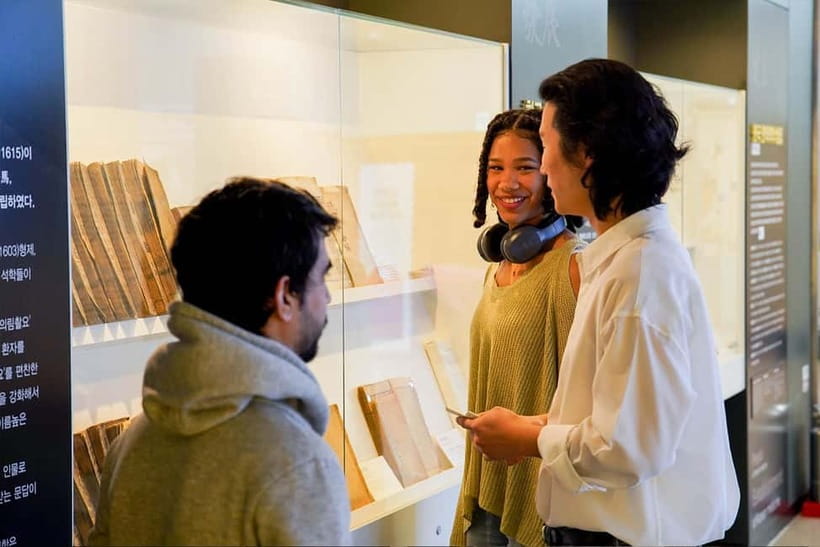
After the tea and a short break, the group goes to the K-Medi Center. The museum visit is included in the $50 price, and Choi is meant to provide commentary on the exhibits.
This part adds context to the workshop. You first encounter herbs as ingredients, then see how Korean medicine presents its traditions in a public museum setting. The combination makes more sense than visiting the museum alone, especially if you want someone to explain the terms and objects.
There is one important qualification. Museum displays may not have English text throughout. One account of the experience found that Choi provided less spoken guidance than expected and suggested using a phone translator for the Korean displays. Other experiences describe his explanations as useful and his enthusiasm as a major strength.
That difference is worth considering before you book. If detailed, continuous museum interpretation is your main reason for going, contact the provider first and ask how the museum portion will be handled on your date. If you see the museum as a second stop after the workshop, the visit may still add value even if you need translation help.
Optional foot baths, massage, acupuncture, and clinic visits
After the museum, you can choose from several extra activities. These are not included in the tour price, and you should budget separately if you want to try them.
Current listed costs are:
- Outdoor foot bath: 6,000 KRW per tub, with space for two people
- Meridian massage: 5,000 KRW per person
- Moxibustion or acupuncture: about 50,000 KRW
- Korean medicine clinic treatment: around 50,000 KRW without health insurance
Prices may vary slightly. The foot bath and massage are relatively inexpensive add-ons. Acupuncture, moxibustion, and a clinic visit are larger expenses, so do not assume they are part of the $50 booking fee.
Choi can help interpret your symptoms for the doctor and guide you through the consultation and treatment process. He can also connect you with an appropriate specialist based on your needs. This support may be useful if you are unfamiliar with Korean medical vocabulary or local clinic procedures.
Treat the optional medical services as a separate decision, not as an automatic ending to the tour. If you want only the workshop and museum, you can skip them. If you are seeking treatment, bring realistic expectations and remember that the medical fees are paid directly as additional costs.
What the $50 price includes
For $50 per person, you receive quite a bit of hands-on material:
- Welcome herb medicine tea
- Herbs for blending
- Teapot for the tea-making session
- Basic TKM lecture
- Take-home bottle
- Museum entry
- Museum commentary from a TKM specialist
The value is strongest if you care about traditional medicine, plants, food culture, or practical cultural activities. You are paying for access to Choi’s workshop and guidance, not just admission to a museum.
The value is weaker if you mainly want a polished sightseeing tour. The museum is not the only attraction, and the quality of the experience depends heavily on how much explanation you receive during your visit. A person who wants a carefully scripted tour with constant narration may find the format too informal.
The optional fees also deserve attention. A $50 booking can become substantially more expensive once you add clinic treatment or acupuncture. Decide in advance how much you want to spend, and ask about current charges before agreeing to an extra service.
Who will enjoy this most
I would recommend the experience to:
- First-time visitors curious about Korean medicine
- People who enjoy making food, tea, or natural products
- Anyone interested in herbs and traditional healing systems
- Returning visitors looking for a less typical Seoul activity
- Medical professionals who want a short introduction to TKM concepts
- Couples or friends who would enjoy a shared tea-blending activity
It is also a good choice if you prefer a flexible conversation over a fixed script. Choi can adapt the material to your level, which helps beginners avoid feeling lost.
I would be more cautious if you need full museum translation, a formal clinical assessment, or a tightly timed sightseeing itinerary. The activity begins in the afternoon and returns to the meeting point, but no exact total duration is provided, so ask before booking if you have evening plans.
Practical advice before you book
Read the activity as a workshop first and a museum tour second. That is where the most distinctive part happens.
Tell Choi in advance if you have a particular interest, such as digestion, sleep, Korean pharmacy, plant identification, or comparisons between TKM and Western medicine. The session is designed to respond to individual interests, and a specific question gives the discussion a clear direction.
If you want a treatment after the museum, bring enough money in Korean won or confirm the payment method beforehand. Ask for the exact cost before choosing acupuncture, moxibustion, massage, or a clinic appointment.
Also ask about photography. One disappointing experience involved filming and photographs being taken without clear permission from everyone present. If you prefer not to appear in promotional content, say so at the start. That is a simple request and should be respected.
Booking is flexible: you can reserve now and pay later, and cancellation is allowed up to 24 hours in advance for a full refund. The experience ends back at the original meeting point.
Should you book the Seoul herbal tea class?
Book it if you want a personal introduction to Korean herbs, enjoy making your own tea, and are happy with an informal experience led by Sungil Choi. The workshop, take-home bottle, museum ticket, and flexible discussion make the $50 fee reasonable for the right audience.
Be more careful if the museum commentary is your top priority. Ask exactly how much English guidance will be provided, and treat optional treatments as separate paid services. For curious, open-minded visitors, this can be a memorable way to meet an important part of Korean culture without spending the day in a standard sightseeing loop.
FAQ
Where does the experience begin?
It begins in Room 401. Detailed directions to the address are sent on the day of the tour, which is useful if you are not familiar with the location.
What time does the tour start?
The tour starts at 2:00 p.m.
Where does the experience end?
The activity ends back at the original meeting point.
Is the tour offered in English?
Yes. The listed tour language is English.
How many herbs will I see?
You will see, touch, and learn about around 40 commonly used medicinal herbs in Traditional Korean Medicine.
Can I make my own herbal tea?
Yes. You can choose herbs and create a personalized tea using the included herbs and teapot. A bottle is provided so you can take tea home.
Is the museum admission included?
Yes. The museum entry ticket and museum commentary by a Traditional Korean Medicine specialist are included.
Are acupuncture and massage included in the $50 price?
No. Optional activities after the museum cost extra. Listed prices include 5,000 KRW for a meridian massage, about 50,000 KRW for acupuncture or moxibustion, and around 50,000 KRW for Korean medicine clinic treatment without health insurance.
Can I cancel the booking?
Yes. You can cancel up to 24 hours in advance for a full refund. You can also reserve and pay later, which keeps your plans flexible.
Just added around the world
- Yogyakarta: Prambanan Tour, Sukuh Temple & Tea Plantation★ 5.0 · 3 reviews
- Yokohama : Tea Ceremony with Sweets and Souvenir★ 5.0 · 5 reviews
- York: Private Horse-Drawn Carriage Ride and Afternoon Tea★ 5.0 · 3 reviews
- Wadi Rum: 2-Hour Jeep Tour with Bedouin Tea★ 5.0 · 11 reviews
- Walking Tour: Yanaka,Nezu& Sendagi: Tea Ceremony & Old Tokyo★ 5.0 · 3 reviews
- Washington, D.C.: Tea Around Town Bus Tour with Landmarks★ 3.4 · 7 reviews
- Visit local home for music and tea ceremony near Disney★ 4.9 · 13 reviews
- Volcano, Hot Spring, Mud Bath & Tea plantation all included★ 5.0 · 5 reviews
South Korea Tea Tours, compared.
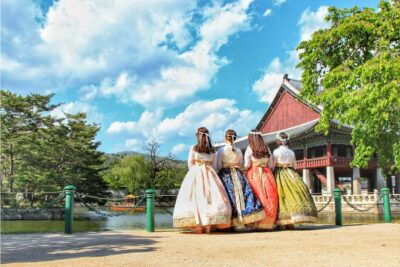
Small Group Seoul Highlight Tour opt. Hanbok & Tea Ceremony
Read our review →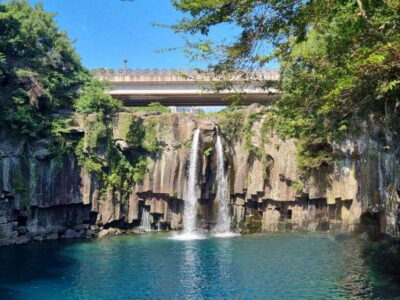
West & South Jeju: Hallasan Trail, Waterfall, Tea Field Tour
Read our review →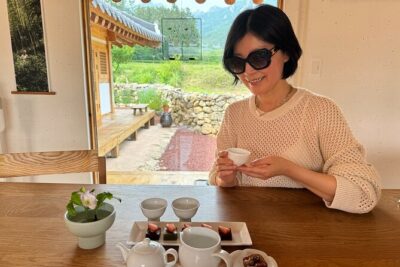
Korean Green Tea Tour – from Boseong to Gangjin (Private)
Read our review →
Boseong Tour : Green Tea Field, Mountain & Lake Trail (Private)
Read our review →Traditional Korean Dessert Workshop with Korean Tea
Read our review →
Busan: Join a Tea Ceremony & Create a Calligraphy Memento
Read our review →
Private Full-Day Guided Tour in Seoul with Lunch, Tea and Dinner
Read our review →
Full-day Hadong, Gwangyang, Cherry blossom, Green Tea Fields Private Tour
Read our review →Browse the lists this tour appears in