
Review · SEOUL
Seoul: Traditional Korean Dessert Workshop with Korean Tea
Small sweets, big meaning. This 90-minute class at K-Vibe Studio gives you a relaxed way to learn about Korean culture while making dasik, the patterned tea dessert enjoyed since the Joseon Dynasty. I like the mix of hands-on cooking and cultural explanation, and I like that you leave with a premium box of your own sweets. The main consideration is that the class is focused on one dessert, so it may feel too narrow if you want a broad Korean cooking lesson.
The setting is designed for calm conversation, tea tasting, and careful work rather than a fast kitchen production line. English instruction makes the class easy to follow, with AI translation support available for other languages. Children under six cannot join, and the $58 price is best seen as payment for a cultural activity, not simply a snack.
Key points to know before booking
- Dasik carries meaning: Each small piece has a decorative pattern, and those patterns have traditional significance.
- You make several modern and classic flavors: Expect ingredients such as omija and injeolmi, along with chocolate and pistachio.
- The class lasts 90 minutes: It fits neatly into a Seoul sightseeing day without taking over your schedule.
- Tea is part of the lesson: You taste Korean tea in a traditional-style space instead of making sweets in isolation.
- Your sweets go home in a premium box: The finished dasik makes a neat edible gift or travel souvenir.
- The class is friendly and accessible: English instruction is provided, and the venue is wheelchair accessible.
What dasik tells you about Korean culture
Dasik is a traditional Korean tea dessert made from ground grains, nuts, and other natural ingredients. Soybean and almond are among the ingredients used in this food tradition, and the sweets are shaped into small pieces with patterned molds.
The patterns are not just decoration. In Korean food culture, presentation carries meaning, and the markings on dasik can be linked with good wishes, nature, longevity, or other symbolic ideas. The exact explanation you receive will depend on the instructor and the designs used that day, but the point is clear: these are made to be looked at as well as eaten.
Dasik has been enjoyed since the Joseon Dynasty, when tea and small confections had a place in formal hospitality. That background gives the class more weight than a standard dessert-making session. You are not only pressing a mixture into a mold. You are learning why a tiny sweet can be part of a social ritual.
I especially like this connection between food and meaning. Seoul offers plenty of chances to eat Korean dishes, but a workshop like this slows you down and lets you handle one traditional food with care. You also get a better sense of how Korean cooks balance taste, texture, color, and appearance.
A few more tea experiences around the world worth a look
- Kyoto: Tea Ceremony in a Traditional Tea House in Kiyomizu
★ 4.9 · 3,519 reviews - London: Afternoon Tea Cruise on the River Thames
★ 4.4 · 3,274 reviews - Kyoto: Tea Ceremony Ju-An at Jotokuji Temple
★ 4.9 · 3,207 reviews
Arriving at K-Vibe Studio
The meeting point is the first floor of K-Vibe Studio. The supplied details do not give a full neighborhood description or transport directions, so you should check the exact map pin and allow enough time to find the entrance.
Once inside, expect a traditional Korean setting with a calm feel. The atmosphere is important here. Dasik is small and precise, so the room needs to support quiet attention rather than noisy, rushed cooking. One guest described the session as having an almost meditative quality, which makes sense for a class built around shaping neat little sweets.
This is also a good wet-weather activity. You do not need a clear day or a scenic outdoor plan to enjoy it. If Seoul is cold or rainy, you can spend a useful hour and a half indoors, learning something local and taking home a small gift.
The venue is wheelchair accessible, which makes the workshop easier to consider for people who need step-free access. Since the class is conducted in English, you should be comfortable following spoken instructions in English. AI-powered translation support is available if you speak another language.
The 90-minute class, step by step
The activity begins with an introduction to dasik and Korean tea culture. The instructor explains what the dessert is, how it has been used, and why the patterns matter. This opening gives you context before you start handling the ingredients.
That order is helpful. Without it, the class could feel like a simple craft project involving sweetened nut and grain mixtures. With the explanation, the finished pieces have a clearer purpose. You understand why the dessert is shaped in a mold and why the final appearance matters so much.
Next comes the hands-on preparation. You make dasik from a mix of traditional ingredients and newer flavors, including omija, injeolmi, chocolate, and pistachio. Omija is a Korean ingredient with a distinctive flavor, while injeolmi connects the class to another familiar Korean food tradition. Chocolate and pistachio make the activity more approachable if you are new to Korean desserts.
The class is not presented as a complicated professional pastry lesson. That is a benefit for most people on holiday. You can focus on learning the method, trying the ingredients, and producing something attractive without needing advanced kitchen skills.
The shaping stage is the visual heart of the workshop. Dasik is pressed into patterned molds, creating small pieces that look almost too pretty to eat. This is why it is sometimes called a dessert for the eyes. If you enjoy taking food photographs, you will have plenty of material for social media without needing elaborate styling.
You should not expect large portions. Dasik is a small tea sweet, meant to be enjoyed carefully alongside a drink rather than eaten like a slice of cake. The small size is part of the tradition, but it also means you are paying for the cultural lesson and the making process rather than a substantial meal.
The class ends with tea tasting and time to look at your finished sweets. The tea helps explain the original setting for dasik. These desserts were made to accompany tea, so tasting both together gives you a more complete picture than simply packing the sweets away.
The tea tasting is more than a drink break
Tea is easy to treat as a short pause between activities, but here it gives the dessert its cultural setting. Dasik is a tea confection, so the drink affects how you think about its sweetness, texture, and size.
The calm space also changes the pace of the afternoon. Seoul sightseeing can involve busy streets, shopping districts, and crowded attractions. A quiet tea tasting offers a useful change of rhythm. One person described the session as almost meditative, while others praised the pleasant atmosphere and extra care from the hosts.
The tea itself received strong praise, and the hosts have sometimes offered extra tea and dessert. That extra generosity is not something you should assume is guaranteed on every visit, but it suggests a welcoming approach.
If you are looking for a loud, social cooking class with lots of dishes, this may not be your match. The tea portion is best for people who enjoy slower experiences, cultural explanation, and presentation. It is also a good choice for a morning activity, with one guest calling it an excellent morning and another rating it highly as a rainy-day plan.
Same place, a different pot:
- Afternoon Tea Bus Tour in Dublin
★ 5.0 · 2,791 reviews - Kyoto: 45-Minute Tea Ceremony Lesson Experience
★ 4.3 · 2,378 reviews - London: Afternoon Tea Bus Tour – 1960s Routemaster Bus
★ 4.5 · 2,032 reviews - London: Afternoon Tea Bus with a Glass of Prosecco
★ 4.4 · 1,853 reviews
Why the ingredient choices matter
The ingredient list gives the class a useful balance. Omija and injeolmi connect the activity to Korean flavors, while chocolate and pistachio offer familiar options for people who may be trying dasik for the first time.
That mix also makes the class appealing to different ages and tastes, within the rule that children must be at least six years old. Someone interested in Korean food can focus on the traditional ingredients. Someone with a sweeter, more familiar palate may prefer the chocolate version.
You should keep in mind that dasik includes natural grains and nuts. Soybean and almond are specifically part of the broader ingredient tradition. If you have allergies or strict dietary needs, confirm the ingredients with the provider before booking, since the available information does not give a full allergy menu or substitution policy.
The class also gives you a chance to compare flavors visually. Because every piece is pressed into a patterned mold, flavor and appearance work together. A chocolate dasik may look just as formal as an omija one, even though the taste is more familiar to many people.
The premium box makes the $58 price easier to judge
At $58 per person, this is not a cheap snack stop. The price makes more sense if you value the complete package: a 90-minute guided activity, cultural explanation, tea tasting, hands-on preparation, and a premium box for your finished sweets.
The box adds practical value. You do not need to eat everything during the class, and you can present the sweets as a gift. That makes the activity useful for couples, friends, or anyone who wants a small Seoul souvenir that is more personal than a store-bought trinket.
The value is also in the setting and instruction. You are paying for a calm place, English guidance, and the chance to make something linked to Korean history and hospitality. If you only want to taste dasik, the price may seem high. If you want to learn how it is shaped and why it matters, the cost is more reasonable.
I would compare it with the price of other short cultural workshops in Seoul rather than with the price of a dessert. The class is compact enough to fit around other plans, and the take-home box gives you something tangible at the end.
Who will enjoy this workshop most
I would recommend the class to:
- Couples looking for a gentle shared activity
- Solo visitors who enjoy meeting people through food
- Families with children aged six and older
- Anyone interested in Korean tea, sweets, or table customs
- Photographers and social media users who enjoy carefully presented food
- People seeking an indoor activity for cold or rainy weather
The class also seems well suited to people who prefer a friendly, organized experience. The teaching has been described as clear and professional, while the instructors have been praised for being warm and helpful. An international mix of participants can add to the social side, though the available information does not specify the usual group size.
It may be less suitable if you want a full Korean cooking course, a large meal, or a long workshop with several recipes. The focus stays on dasik and tea. That narrow focus is the reason the class feels manageable, but it is also the main limitation.
Practical details that matter
The duration is 90 minutes, and you choose a start time based on current availability. That makes it easy to place before or after sightseeing, but you should avoid booking it too tightly against another timed attraction. Finding a studio entrance can take longer than expected in Seoul, especially if you are unfamiliar with the area.
Instruction is in English. AI-powered translation support is available for other languages, though the core teaching language remains English.
The venue is wheelchair accessible. Children under six are not permitted. The activity includes the hands-on dasik session, Korean tea culture, and the premium box, so you do not need to arrange those parts separately.
You can cancel up to 24 hours before the activity for a full refund. A reserve-now, pay-later option is also available, which helps if your Seoul schedule is still changing.
The experience has a perfect 5 rating from 10 reviews, with especially strong praise for the friendly welcome, clear teaching, organization, tea, and attractive finished sweets. A thoughtful cold-weather touch has also been reported: hand warm packs were given when someone left on a very cold day. That is not a standard feature to count on, but it fits the warm tone of the class.
Should you book the Seoul Dasik Workshop?
Book it if you want a short, peaceful cultural activity that lets you make something beautiful and take it home. The best parts are the clear connection to Korean tea customs, the symbolic patterns, the choice of traditional and modern flavors, and the friendly teaching style.
At $58, it is best for someone who values instruction and cultural context, not someone searching for the lowest-cost dessert tasting. The class is focused, and it will not replace a Korean cooking course or a full meal.
For a first visit to Seoul, I like this as a change of pace between bigger sights. You get a little history, a little tea, a hands-on activity, and a boxed souvenir in 90 minutes. That is a tidy package, and the dessert is far more personal because you made it yourself.
FAQ
How long does the Seoul dasik workshop last?
The workshop lasts 90 minutes.
How much does the experience cost?
The listed price is $58 per person.
Where does the workshop meet?
The meeting point is on the first floor of K-Vibe Studio.
What dessert do you make?
You make dasik, a traditional Korean tea dessert made from natural grains and nuts.
Which flavors can be used in the class?
The class uses traditional ingredients such as omija and injeolmi, along with modern flavors including chocolate and pistachio.
Is the workshop taught in English?
Yes. The program is conducted in English, with AI-powered translation support available for other languages.
Can children join the activity?
Children under six years old cannot participate.
Is the workshop wheelchair accessible?
Yes, the activity is wheelchair accessible.
Just added around the world
- Yogyakarta: Prambanan Tour, Sukuh Temple & Tea Plantation★ 5.0 · 3 reviews
- Yokohama : Tea Ceremony with Sweets and Souvenir★ 5.0 · 5 reviews
- York: Private Horse-Drawn Carriage Ride and Afternoon Tea★ 5.0 · 3 reviews
- Wadi Rum: 2-Hour Jeep Tour with Bedouin Tea★ 5.0 · 11 reviews
- Walking Tour: Yanaka,Nezu& Sendagi: Tea Ceremony & Old Tokyo★ 5.0 · 3 reviews
- Washington, D.C.: Tea Around Town Bus Tour with Landmarks★ 3.4 · 7 reviews
- Visit local home for music and tea ceremony near Disney★ 4.9 · 13 reviews
- Volcano, Hot Spring, Mud Bath & Tea plantation all included★ 5.0 · 5 reviews
South Korea Tea Tours, compared.
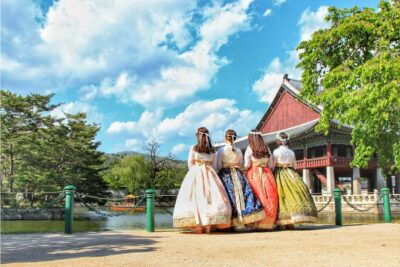
Small Group Seoul Highlight Tour opt. Hanbok & Tea Ceremony
Read our review →
West & South Jeju: Hallasan Trail, Waterfall, Tea Field Tour
Read our review →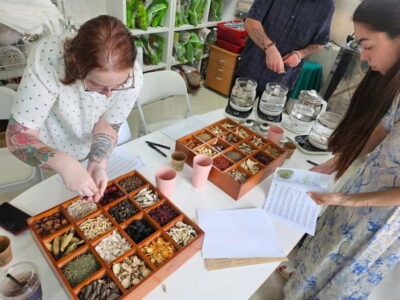
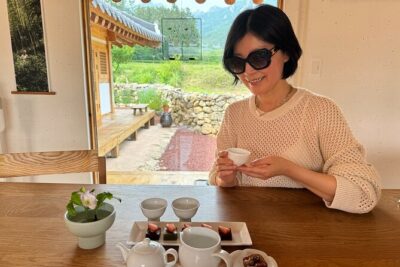
Korean Green Tea Tour – from Boseong to Gangjin (Private)
Read our review →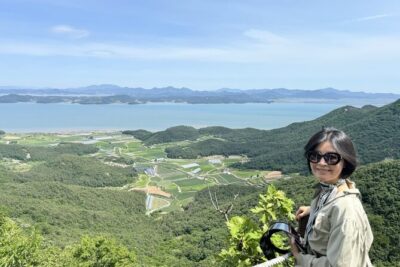
Boseong Tour : Green Tea Field, Mountain & Lake Trail (Private)
Read our review →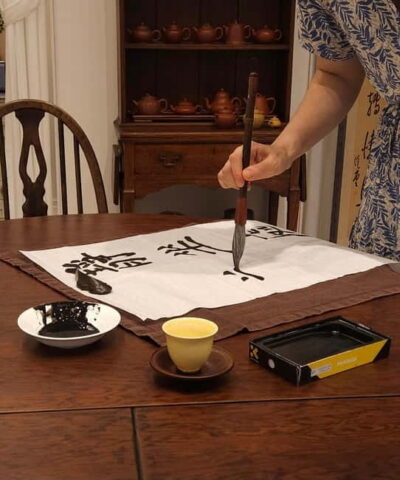
Busan: Join a Tea Ceremony & Create a Calligraphy Memento
Read our review →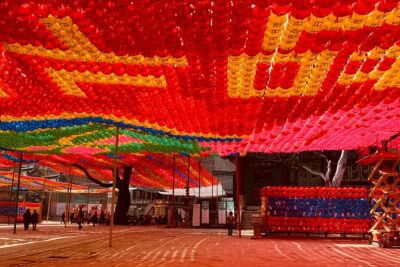
Private Full-Day Guided Tour in Seoul with Lunch, Tea and Dinner
Read our review →
Full-day Hadong, Gwangyang, Cherry blossom, Green Tea Fields Private Tour
Read our review →Browse the lists this tour appears in