
Review · TOKYO
Tokyo Sweets Tour: Hidden Gems & Matcha at an Old Tea House
Tokyo has a sweet side worth following. This three-hour walk through Jiyugaoka links Japanese pancakes, Korean pastries, donuts, Hokkaido ice cream, Mont Blanc, and matcha in a historic tea house. I like the small maximum of six people, which should keep the outing personal, and I like that the guide, Soren, also works as a baker and can explain what makes each treat special.
I also appreciate the neighborhood setting. Jiyugaoka gives you quieter streets, local cafés, traditional houses, and independent shops instead of the usual central Tokyo rush. The main drawback is simple: $109 is a serious price for a three-hour food walk, especially if you are not a committed dessert fan. The value depends on how much you enjoy tasting several small portions and learning from a guide.
Key Points at a Glance
- Jiyugaoka setting: Explore a calmer Tokyo neighborhood with cafés, small shops, and traditional houses.
- Six sweets in one outing: Try Japanese-style pancakes, Korean bakery treats, Japanese donuts, Hokkaido ice cream, Mont Blanc, and matcha.
- Baker as guide: Soren brings professional baking experience and speaks English well.
- Historic final stop: Sit on tatami mats in a Japanese building more than 100 years old while drinking authentic matcha.
- Morning schedule: Meet at 10:30 a.m. at Excelsior Caffé Jiyugaoka-ekimae and finish back there.
- Weather matters: Poor weather can lead to a new date or a full refund, and cancellation is free up to 24 hours before departure.
Why Jiyugaoka Makes a Good Sweets Base
Jiyugaoka is a useful change of pace from Tokyo’s giant stations and packed shopping districts. The area has a local feel, with quiet streets, cafés, distinctive shops, and older houses mixed into the modern neighborhood.
I like this setting because the food does not arrive as a disconnected checklist. You get to see where people eat and relax, then pause at several places that give the district its character. The walk also gives you a look at everyday Tokyo beyond the famous sights.
The tour begins at Excelsior Caffé Jiyugaoka-ekimae at 10:30 a.m. The exact meeting point is listed at 2-chome 11-1 Jiyugaoka, in the Kuriyama Building. It is near public transportation, and the activity returns to the same meeting point at the end.
The route is described as about three hours. That is long enough for a relaxed food outing, but short enough to fit beside another Tokyo plan. I would avoid scheduling a major attraction immediately afterward, since tasting several sweets can take longer than expected if the group pauses for explanations and conversation.
More Matcha Experiences in Tokyo
- Matcha Making Class in Tokyo with Authentic Japanese Sweets Set
★ 5.0 · 744 reviews - Tokyo: Matcha Making Experience with Mochi Sweets in Asakusa
★ 4.9 · 388 reviews - Asakusa Cultural Walk & Matcha Making Tour
★ 5.0 · 245 reviews
Starting with Japanese-Style Pancakes
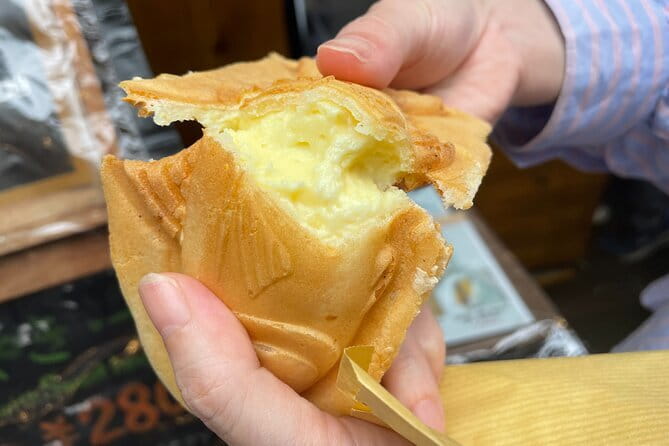
The first food stop features Japanese-style pancakes. These are described as fluffier and sweeter than ordinary pancakes, making them a gentle opening to a morning built around sugar.
This first tasting sets the tone. You are not simply grabbing a snack from a convenience store. You are comparing the texture and sweetness of a Japanese breakfast-style favorite with the baked goods that follow. If you enjoy soft, airy desserts, this should be one of the more appealing early stops.
The practical issue is appetite. The pancakes come first, followed by several more sweets, so you should arrive ready to eat but not after a large breakfast. The experience is designed as a tasting route, not a single full meal. The included brunch helps, but the description does not specify exact portion sizes or whether you can choose every item.
A Korean Bakery with Asian Flavors
Next comes a cozy Korean bakery where you can sample a variety of Asian treats. This is one of the tour’s useful features: it does not limit the morning to traditional Japanese desserts.
The Korean bakery adds variety in flavor and style. You might find familiar baked goods presented with ingredients or combinations that are less common in North American bakeries. One of the strongest reasons to choose this outing is the chance to try flavors you may not easily find at home.
I would pay attention to Soren’s explanations here. His baking background should help him discuss texture, preparation, and the differences between bakery traditions. That kind of context gives the food more meaning than simply pointing at a display case and choosing something sweet.
The bakery visit also suits people who prefer a relaxed pace. The stop is described as cozy, and the tour’s small group size should make it easier to hear the guide and ask questions.
Japanese Donuts with Plenty of Choice
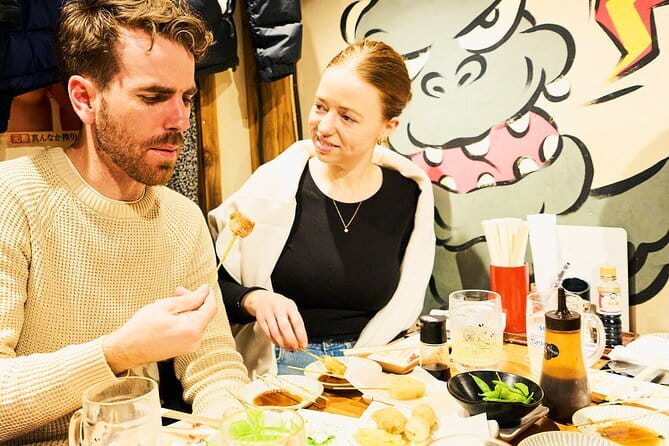
The donut shop is likely to be a highlight for anyone who enjoys variety. The tour includes Japanese-style donuts, and the selection is described as broad, with many unusual flavors and sweet treats.
I like this stop because it gives you room to compare. A donut in Japan can be more than a basic ring with sugar or glaze. The exact flavors are not listed, so I would treat the selection as part of the surprise rather than arrive expecting a particular filling.
This is also where the small group limit matters. With no more than six people, the group can discuss what each person tries without turning the visit into a crowded tasting session. You may be able to notice differences in sweetness, dough, fillings, and toppings as Soren explains them.
The main caution is that the donut shop may tempt you to eat more than planned. Pace yourself. Hokkaido ice cream, Mont Blanc, and matcha still follow.
More Tea and Sweets Making in Tokyo
- Make Traditional Nerikiri Sweets & Matcha experience in Shibuya
★ 5.0 · 130 reviews - Sweets Making and Kimono Tea Ceremony at Tokyo Maikoya
★ 5.0 · 57 reviews - Japanese Traditional Sweets making and Tea Ceremony
★ 4.7 · 50 reviews - Tokyo: Two Types of Japanese Sweets Making and Tea Ceremony
★ 4.6 · 26 reviews
Creamy Hokkaido Ice Cream
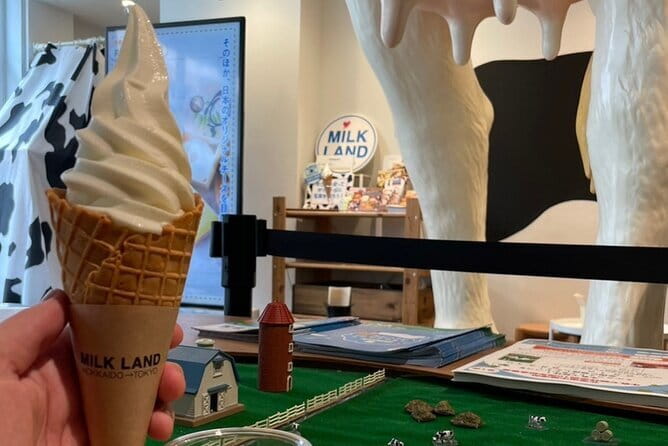
The next treat is Hokkaido ice cream, valued for its creamy, sweet character and milk from Hokkaido. Japan’s northern island is well known for dairy products, so this stop adds a regional ingredient to the tour.
Ice cream provides a welcome change after several baked goods. The cold texture breaks up the parade of pancakes, pastries, and donuts, while the milk-based flavor keeps the experience firmly in dessert territory.
The listing does not specify the serving size or flavors available. I would expect a tasting portion rather than a full dessert, since this is one stop among many. If you are sensitive to dairy or prefer less-sweet food, you may find the morning heavy. That is the central tradeoff of this experience: it offers breadth, but nearly every stop leans sweet.
Mont Blanc, a Japanese Patisserie Favorite
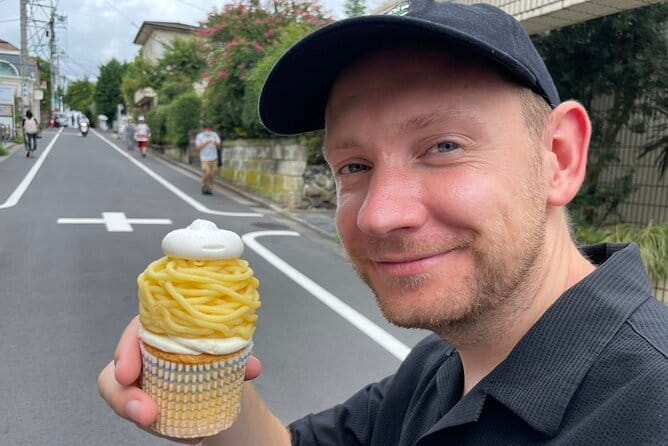
The tour also includes Mont Blanc, a Japanese patisserie dessert. In Japan, Mont Blanc is often treated as a polished pastry rather than simply a mountain-shaped cake. Its inclusion gives you a taste of the country’s refined pastry culture.
This stop should appeal to anyone interested in how Japan adapts European-style desserts. The experience is not presented as a lecture, but a guide who works as a baker can help you notice the pastry’s texture and presentation.
I would consider Mont Blanc one of the more distinctive foods on the route. Pancakes, donuts, and ice cream are easy to understand at a glance. Mont Blanc offers a different kind of tasting, with a more patisserie-focused feel.
Exact ingredients and portion details are not provided, so anyone with food allergies should ask the guide before eating. The tour information confirms snacks, brunch, coffee or tea, and an English-speaking guide, but it does not promise allergy substitutions.
Ending on Tatami with Authentic Matcha
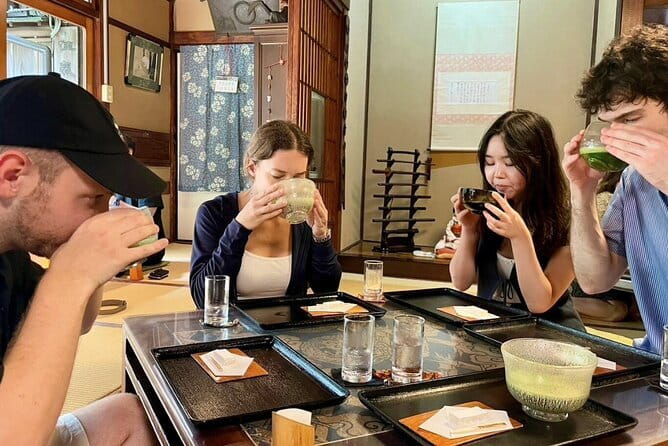
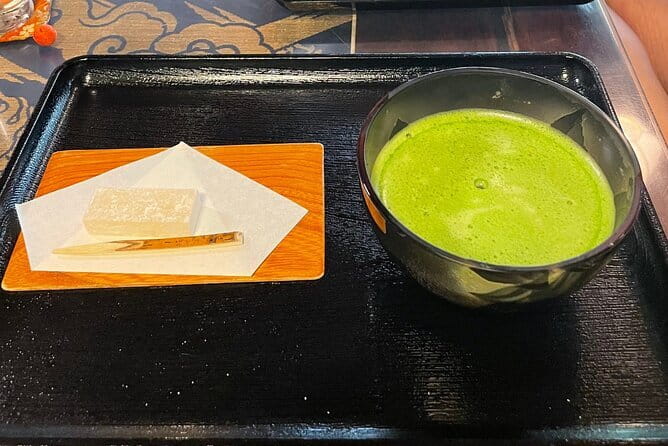
The final stop changes the mood. Instead of another bakery counter, you visit a traditional matcha shop in a Japanese building more than 100 years old.
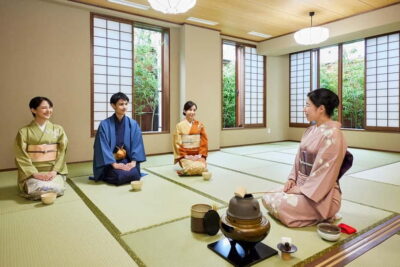
You sit on tatami mats and enjoy authentic matcha. This is the cultural heart of the experience. After several modern bakery stops, the tea setting slows things down and connects the sweets to a distinctly Japanese custom.
I like that the tour ends here rather than beginning with matcha. The progression moves from casual neighborhood cafés and bakeries toward an older, more formal setting. You get both sides of Tokyo: new flavors and polished shops on one hand, traditional architecture and tatami seating on the other.
The building’s age is an especially useful detail for people who want more than a food crawl. You are not visiting a generic dessert counter at the end. You are spending time in a place with a long physical history, even though the available information does not provide further details about the building or tea shop.
Matcha can be earthy and more bitter than the desserts served earlier. That contrast may be welcome after so much sweetness. If you normally prefer coffee or mild tea, ask Soren about the drink as you taste it. Coffee and tea are included, but the description specifically identifies authentic matcha at the final stop.
What Soren Adds to the Morning
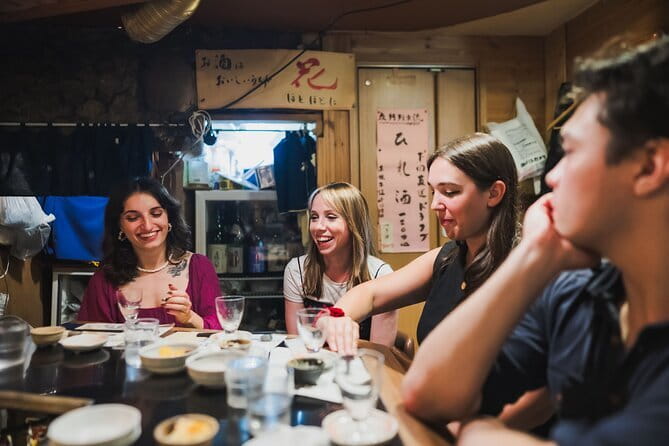
A food tour depends heavily on its guide, and Soren appears to be a major strength here. He is described as passionate about sweets, well-versed in English, entertaining, thoughtful, and experienced as a baker.
That combination matters. A guide who simply leads you from shop to shop gives you food. A guide with baking experience can explain why a pastry is airy, creamy, crisp, dense, or unusually flavored. Those details help you pay attention instead of eating on autopilot.
The tone also seems relaxed. Soren is praised for creating a comfortable atmosphere, which is important on a small-group tour where you may be tasting food beside people you have just met. Solo visitors should find the format especially useful, since the guide provides structure without making the outing feel formal.
The experience has a maximum of six participants. That is not a guarantee of a private tour, but it does create a much more manageable group than a large bus-style food outing. You should be able to hear the guide and participate in conversation.
Is $109 a Fair Price?
At $109, this is not a cheap way to buy desserts. If you judge the experience only by the amount of food, the price may feel high. Tokyo has many affordable bakeries and convenience stores where you can buy sweets on your own.
The value comes from the combination of guided tastings, local knowledge, neighborhood orientation, and a small group. You receive brunch, snacks, coffee or tea, and an English-speaking guide, along with several stops that would take research to arrange independently.
I would consider the price reasonable for a visitor who wants a ready-made food experience and values explanation. It is less convincing for a budget-minded eater who mainly wants to sample one or two pastries. The tour makes the most sense when you see it as a three-hour introduction to Japanese and Asian bakery culture, not as a bargain dessert buffet.
The guide’s baking experience adds further value. You are paying for access to someone who can interpret what you are eating, not just for the food itself.
Who Should Book This Experience?
I would recommend this outing to:
- Dedicated dessert fans who want many tastings in one morning
- Solo visitors who prefer a small, friendly group
- Couples looking for a relaxed food activity
- People curious about Japanese bakeries and Asian pastry styles
- Visitors who want a quieter Tokyo neighborhood
- Anyone interested in combining food with a traditional matcha setting
I would hesitate if you dislike sweet food, have strict dietary restrictions, or prefer to choose every meal independently. The tour includes several dessert stops in succession, and the available information does not list vegetarian, vegan, gluten-free, or allergy options.
It may also be less suitable if you want a major sightseeing tour. Jiyugaoka offers local atmosphere, but the focus is food and neighborhood character rather than famous monuments.
Timing, Tickets, and Cancellation Details
The tour starts at 10:30 a.m. and lasts about three hours. You meet at Excelsior Caffé Jiyugaoka-ekimae and return there at the end. A mobile ticket is available, and booking confirmation is provided at the time of booking.
Most people can participate, and the meeting point is near public transportation. The tour requires good weather. If poor weather causes cancellation, you can choose another date or receive a full refund.
You can cancel for a full refund up to 24 hours before the start time. Cancellations or changes made inside that 24-hour window are not refunded or accepted, with cut-off times based on local Tokyo time.
My Take: A Strong Choice for Serious Sweet Fans
I would book this tour if I wanted a guided introduction to Tokyo’s bakery scene with a traditional finish. The mix is unusually broad: Japanese pancakes, a Korean bakery, Japanese donuts, Hokkaido ice cream, Mont Blanc, and matcha all appear in one compact morning.
The best reasons to go are Soren’s baking background, the small group limit, and the Jiyugaoka setting. The main reason to pause is the $109 price and the amount of sugar packed into three hours.
Book it if you want context, conversation, and several carefully chosen stops. Skip it if you would rather spend $109 sampling bakeries at your own pace. For a sweet tooth that wants both modern treats and a tatami tea experience, this is a thoughtful and enjoyable choice.
FAQ
Where does the Tokyo sweets tour begin?
The tour begins at Excelsior Caffé Jiyugaoka-ekimae, located at 2-chome 11-1 Jiyugaoka, Meguro City, Tokyo.
What time does the tour start?
The tour starts at 10:30 a.m.
How long does the experience last?
The tour lasts approximately three hours.
Where does the tour end?
The activity ends back at the starting meeting point, Excelsior Caffé Jiyugaoka-ekimae.
How many people can join the tour?
The tour has a maximum of six participants.
What food and drinks are included?
The experience includes Japanese-style pancakes, Asian bakery treats, Japanese-style donuts, Hokkaido ice cream, Mont Blanc, and matcha. Coffee or tea, brunch, and snacks are included.
Is an English-speaking guide included?
Yes. An English-speaking guide is included, and the guide is also a working baker.
Is the tour available with a mobile ticket?
Yes. The experience offers a mobile ticket, and confirmation is provided when you book.
What happens if I need to cancel?
You can cancel for a full refund up to 24 hours before the experience starts. Cancellations or changes made less than 24 hours before the start time are not refunded or accepted.
Just added around Tokyo
- Yokohama : Tea Ceremony with Sweets and Souvenir★ 5.0 · 5 reviews
- Walking Tour: Yanaka,Nezu& Sendagi: Tea Ceremony & Old Tokyo★ 5.0 · 3 reviews
- Private Kimono and tea ceremony at local home near Tokyo Disney★ 5.0 · 6 reviews
- Private Mochi・Matcha sweets Making Class Near Shibuya Area★ 5.0 · 22 reviews
- Kimono and Tea Ceremony in Asakusa Private Food Tour With Guide★ 5.0 · 4 reviews
- 2 Hours Mochi &Nerikiri Making & Matcha Class in Bunkyo★ 5.0 · 21 reviews
- Tokyo: Tea Ceremony & Japanese Sweets Making★ 5.0 · 10 reviews
- Tokyo Tea Ceremony Class at a Traditional Tea Room★ 5.0 · 2 reviews
Matcha Experiences in Tokyo, compared.

Matcha Making Class in Tokyo with Authentic Japanese Sweets Set
Read our review →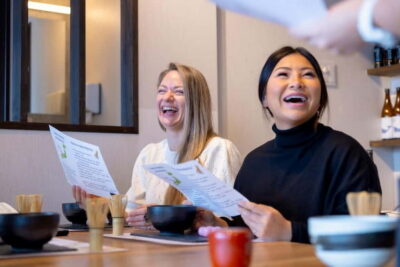
Matcha Making Experience with Mochi Sweets in Asakusa
Read our review →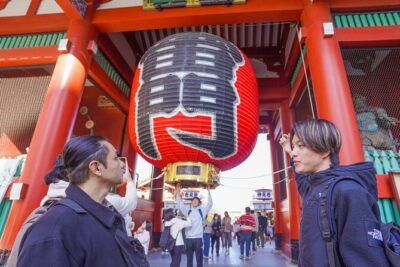
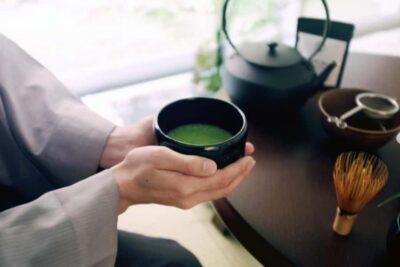
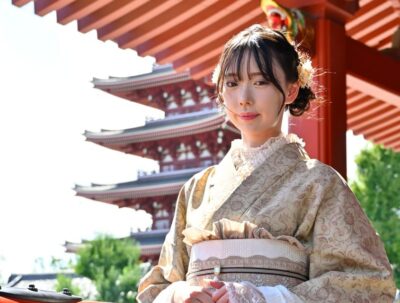
Asakusa: Kimono Tea Ceremony with Matcha and Sweet
Read our review →
Make Traditional Nerikiri Sweets & Matcha experience in Shibuya
Read our review →
Browse the lists this tour appears in