
Review · TOKYO
Hands-On Japanese Craft in Tokyo with Mochi Wagashi & Matcha
Small crafts make lasting souvenirs. This 90-minute Tokyo workshop combines a pressed-flower uchiwa fan with matcha latte and two playful Japanese sweets, giving you something to make, taste, photograph, and take home. I like the personal touch of creating a fan instead of buying a standard souvenir, and I also like the gentle introduction to matcha, especially for first-timers and children.
The main drawback is the short running time. You get a pleasant introduction rather than a full Japanese cooking class or a detailed craft lesson. The meeting point is in Tokyo, but the supplied details do not give a precise address, so check your confirmation carefully before setting out.
Key points at a glance
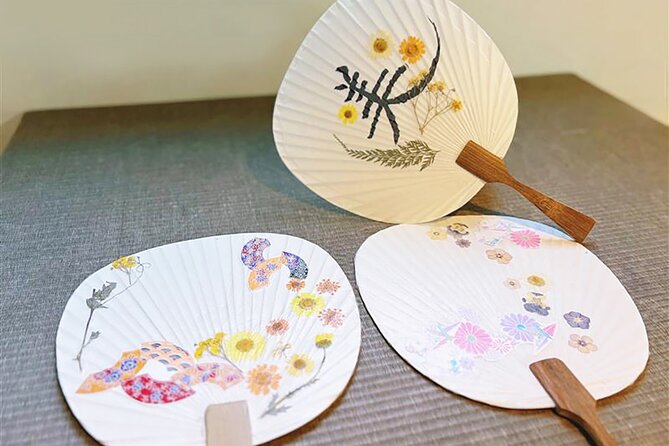
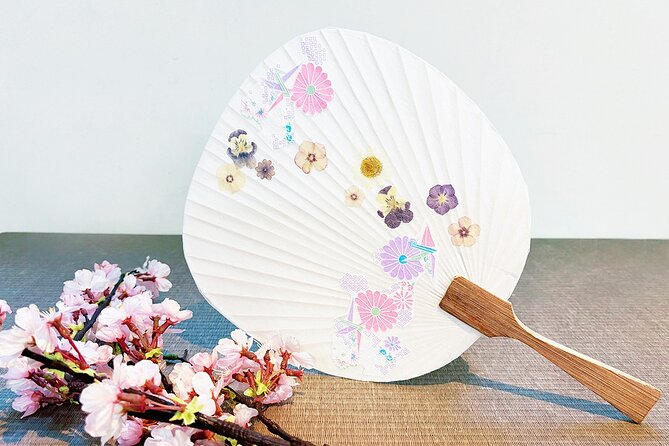
- Your fan becomes a one-of-a-kind souvenir: Use pressed flowers and Japanese-patterned origami paper to decorate a round uchiwa fan.
- The flower design is fixed with heat: The craft includes imprinting the decoration with an iron, adding a satisfying practical step.
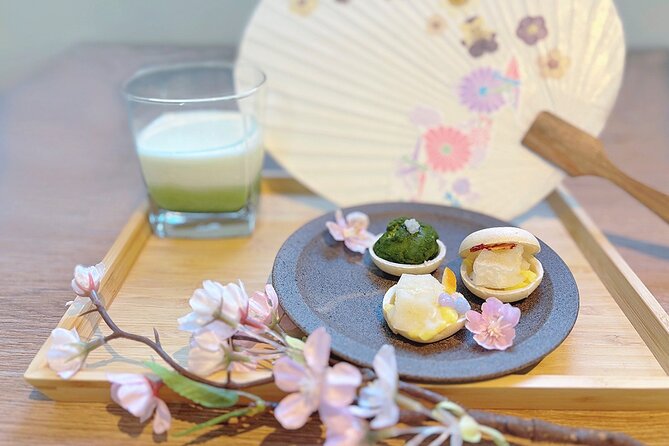
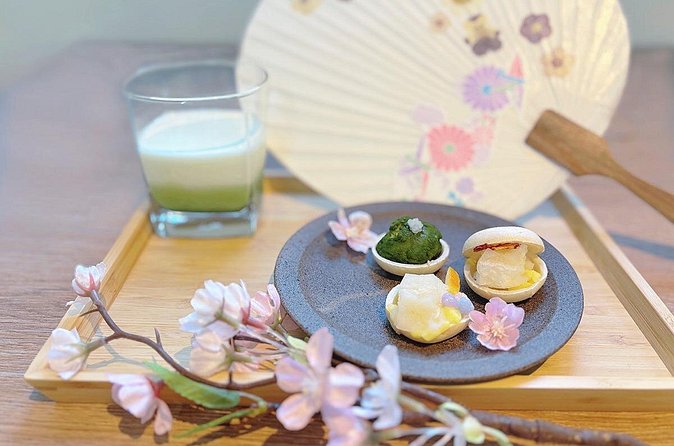
- Matcha is served as a mild latte: Milk softens the green tea’s bitterness, making it easier for first-time drinkers.
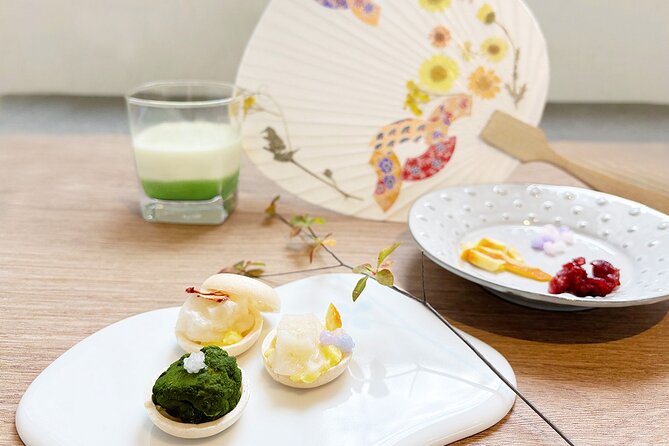
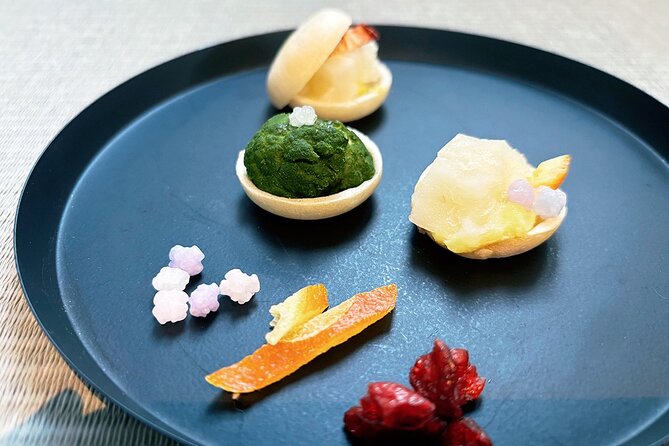
- Two unusual wagashi are included: Try a modern monaka with custard, mochi, and dried fruit, plus a kokedama-inspired sweet.
- The group is capped at 15 people: That is small enough for a more personal class without making the session feel private.
- The experience takes about 90 minutes: It fits neatly into a Tokyo sightseeing day and ends back at the starting point.
Why this Tokyo workshop feels different
Tokyo offers endless shops selling fans, sweets, and matcha. This experience lets you take part in the process instead of simply picking up a packaged souvenir.
The uchiwa is a round Japanese hand fan traditionally used to create a cooling breeze in warm weather. It is a simple object, but it carries a strong connection to everyday Japanese life. By decorating one yourself, you gain a souvenir with a story attached to it.
The activity also brings together two sides of Japanese culture. The fan craft connects you with flowers, paper, and seasonal design. The food portion introduces matcha and wagashi, the broad Japanese category for traditional sweets. You get a little art, a little food, and a little time with local customs without committing half a day.
I see this as an approachable choice for people who want cultural content without a formal lecture. The tone is friendly and practical. Staff help with each stage, and the activity is designed so you do not need to arrive with artistic skills.
More Matcha Experiences in Tokyo
- Matcha Making Class in Tokyo with Authentic Japanese Sweets Set
★ 5.0 · 744 reviews - Tokyo: Matcha Making Experience with Mochi Sweets in Asakusa
★ 4.9 · 388 reviews - Asakusa Cultural Walk & Matcha Making Tour
★ 5.0 · 245 reviews
Designing your own pressed-flower uchiwa
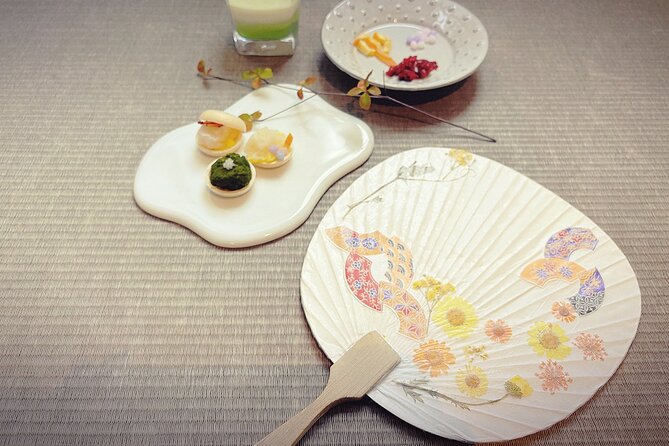
The craft begins with a plain round paper fan. You choose from pressed flowers and Japanese-patterned origami paper, then arrange the pieces into a design of your own.
This is the strongest part of the experience for many reasons. First, the finished fan is useful as a souvenir rather than something that sits forgotten in a suitcase. Second, no two designs need to look alike. One person may prefer a light floral arrangement, while another may choose stronger patterns and more color.
You do not need to be especially creative. Sample materials and design ideas help you get started, while the open format lets you make the final choices. That balance matters. A completely free craft can feel intimidating, but a rigid step-by-step project leaves little room for personality.
The process also reflects a Japanese appreciation for small details. Flowers, paper patterns, and the round shape all carry more visual interest than a mass-produced fan. You are not making a museum-quality object, but you are making something personal.
One practical detail adds extra interest: the flower design is imprinted with an iron. This fixes the decoration to the fan and gives the activity a clear finishing stage. Staff support is important here, since heat should be handled carefully. The result is more secure than simply attaching loose pieces to the paper.
I would keep your design reasonably simple. A crowded arrangement may hide the fan’s shape and make the pattern harder to appreciate. Think of the project as a small composition, not a race to use every flower and paper sample.
Matcha latte for first-time drinkers
After the craft, you prepare or enjoy a matcha latte. Matcha is powdered Japanese green tea, so it has a fuller texture and more direct flavor than ordinary steeped tea. When combined with milk, it becomes smoother, creamier, and less bitter.
That makes this a useful introduction if plain matcha sounds too intense. You can still taste the green tea, but the milk makes the drink more familiar. The format may also suit children better than a small bowl of strong unsweetened matcha, although individual tastes differ.
The food portion is not only about drinking the finished cup. The activity includes guidance through the matcha-making steps, so you can take part rather than simply receiving a prepared drink. That hands-on element gives you a better feel for the ingredient and the care involved in preparing it.
A few people may still find the flavor unusual. Matcha has a distinct earthy taste, and a latte does not remove all of it. If you already know you dislike green tea, keep your expectations modest. The point is to try matcha in a gentle form, not to turn it into coffee.
The staff support receives especially strong praise. They help at each stage and remain patient with larger groups. That matters in a short class, where unclear instructions could quickly eat into your craft time.
Two wagashi with modern twists
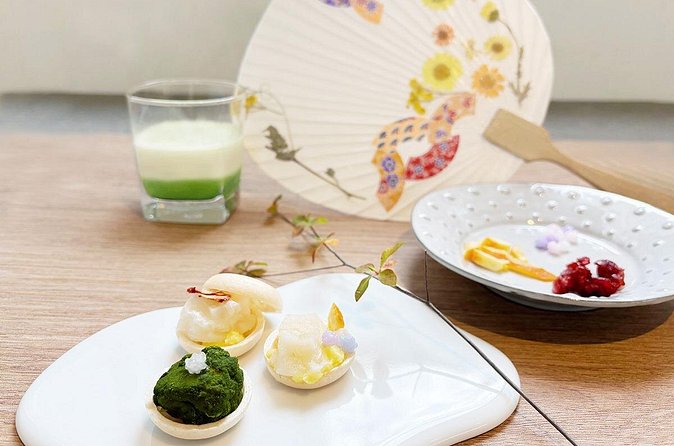
The tasting includes two Japanese sweets, each with a different idea behind it.
More Tea and Sweets Making in Tokyo
- Make Traditional Nerikiri Sweets & Matcha experience in Shibuya
★ 5.0 · 130 reviews - Sweets Making and Kimono Tea Ceremony at Tokyo Maikoya
★ 5.0 · 57 reviews - Japanese Traditional Sweets making and Tea Ceremony
★ 4.7 · 50 reviews - Tokyo: Two Types of Japanese Sweets Making and Tea Ceremony
★ 4.6 · 26 reviews
Modern monaka
Monaka traditionally uses crisp wafer shells, often with a sweet bean filling. Here, the style is changed to make it more accessible to people who do not enjoy red bean paste.
The version presented in this experience includes custard cream, mochi, and dried fruit. The wafer provides a light crunch, the custard adds softness, the mochi brings chewiness, and the fruit supplies a sharper accent. It is a playful combination of textures rather than a single sweet flavor.
This is a smart choice for a mixed group. Some people come to Japan excited to try traditional bean-based sweets, while others hesitate. The custard and fruit give the monaka a familiar starting point without removing its Japanese character.
Kokedama-inspired sweet
The second dessert takes its shape from kokedama, a Japanese gardening style in which plants grow in a ball of soil covered with moss. The sweet is made to resemble a small moss ball.
The appeal is partly visual. It is cute, unusual, and well suited to photographs. It also gives you a small example of how Japanese food often borrows ideas from plants, seasons, and nature.
The supplied details do not specify every ingredient in the kokedama sweet, so you should treat it as a design-focused wagashi rather than expecting a particular flavor profile. The experience is strongest when you appreciate the shape and concept as much as the taste.
Together, the two sweets give you contrast. The monaka plays with crunch, cream, mochi, and fruit. The kokedama sweet focuses more on form and the connection between food and gardening.
A relaxed 90-minute schedule
The experience lasts about one hour and 30 minutes. That is enough time for the fan project, the matcha portion, and the sweets without requiring a major change to your Tokyo plans.
The exact order may vary, but you can expect the craft to be the central activity. You select and arrange your materials, receive help with the process, and finish the fan so it can go home with you. The matcha and wagashi follow as a calm tasting portion.
The short format is helpful if you are planning several parts of Tokyo in one day. You can place it between sightseeing stops or use it as a quieter break from crowded shopping streets and major attractions. It also works well near the start of a trip, since you leave with a souvenir you can keep for the rest of your visit.
The limitation is that there is little spare time. If you want a long explanation of uchiwa history, a full wagashi-making course, or extensive tea instruction, this may feel brief. It is best understood as a compact cultural workshop with several activities, not a specialist class.
The experience ends back at the meeting point. Hotel pickup and drop-off are not included, so you are responsible for reaching the Tokyo starting location and continuing on your own afterward.
What the group size means
The maximum group size is 15 people. That is a useful middle ground. You get the social feel of a shared activity, but the group should remain small enough for staff to provide instructions and practical help.
This matters most during the fan decoration and iron-imprinting stage. You may want advice about arranging flowers or handling the finishing step. A group of 15 is more manageable than a large coach-style activity, though it is not a private lesson.
The experience also suits families and mixed-age groups. The fan design is easy to understand, and the matcha latte is less challenging than plain matcha. Adults who enjoy Japanese design can focus on the visual details, while children can take pleasure in choosing colors and making something with their hands.
The class has also been used by larger personal groups, with staff praised for being patient and polite. Still, if your party is large, remember that everyone shares the same limited 90-minute session.
Is $78.69 a fair price?
At $78.69 per person, this is not a bargain snack stop. You are paying for guided instruction, craft materials, the finished uchiwa, a matcha latte, two sweets, and the convenience of having everything arranged in one short visit.
The value improves if you care about participation. A purchased fan and a café matcha would likely cost less, but they would not give you the memory of making the fan or learning the preparation steps. The take-home craft is the key part of the price.
It also offers good value for families or couples who want an activity rather than another sightseeing stop. You receive a physical souvenir, food to sample, and photographs from the process. Those elements can make the experience feel more substantial than a simple tasting.
The price is harder to justify if your main goal is a full meal or a long craft workshop. The sweets are included as snacks, not a replacement for lunch. The craft is designed to be accessible and enjoyable, not technically demanding.
I would book it for the experience, not for the quantity of food. The appeal lies in the mix of making and tasting.
Who will enjoy this most?
I would recommend this workshop to:
- First-time visitors who want an easy introduction to Japanese culture
- Families looking for a hands-on activity
- Couples or friends who want a personal souvenir
- People curious about matcha but unsure about its bitterness
- Anyone who likes flowers, paper crafts, or food photography
- Visitors with only 90 minutes for a structured activity
It is less suitable for someone seeking an advanced tea ceremony, a serious wagashi lesson, or a long historical presentation. It may also disappoint anyone expecting a full meal.
You should also think about your interest in crafts. The fan is the heart of the session, so the experience works best if you enjoy making things or are willing to try. You do not need artistic confidence, but you should expect to spend real time choosing and arranging decorations.
Useful planning details before you book
You receive a mobile ticket, and confirmation is provided when you book. The activity starts and ends at the meeting point in Tokyo. Since no hotel pickup or drop-off is included, allow enough time to reach the location.
The precise meeting address is not supplied in the available details. Read your confirmation carefully for the exact location and arrival instructions.
The experience requires good weather. If poor weather causes cancellation, you are offered another date or a full refund. It also requires a minimum number of participants, so a cancellation is possible if that number is not reached.
Free cancellation is available up to 24 hours before the start time for a full refund. Changes or cancellations made less than 24 hours before the start time are not accepted for a refund. The cut-off uses Tokyo local time, so check the clock carefully if you are booking from another country.
Final verdict: should you book it?
Book this experience if you want a friendly, compact Tokyo activity with something tangible to remember. The pressed-flower uchiwa is the real prize, while the matcha latte and two wagashi make the session feel complete.
I especially like the way it lowers the barrier to Japanese culture. You do not need to know anything about fan-making, matcha, or wagashi before arriving. Staff guide you through the steps, and the designs can remain simple.
Skip it if you want a full meal, a formal tea ceremony, or advanced craft instruction. At $78.69, the price depends on how much you value the guided activity and handmade souvenir.
For families, first-time matcha drinkers, and anyone who prefers making memories to buying souvenirs, this is an easy choice.
FAQ
Where does the experience take place?
The activity takes place in Tokyo, Japan. The exact meeting address is provided with your booking confirmation.
How long does the activity last?
The experience lasts approximately one hour and 30 minutes.
What will I make?
You will design and decorate a round uchiwa Japanese hand fan using pressed flowers and Japanese-patterned origami paper. You can take the finished fan home.
What food and drink are included?
The experience includes a matcha latte and two types of wagashi: a modern monaka with custard cream, mochi, and dried fruit, plus a kokedama-inspired sweet.
Is the matcha suitable for beginners?
The matcha is served as a latte with milk, making it creamier and less bitter than plain matcha. The experience is presented as suitable for first-time matcha drinkers and children.
How many people can join?
The activity has a maximum group size of 15 participants.
Is transportation included?
No. Hotel pickup and drop-off are not included. You must travel to the Tokyo meeting point yourself, and the activity ends back there.
Can I cancel for a refund?
Yes. You can cancel at least 24 hours before the start time for a full refund. Cancellations or changes made less than 24 hours before the start time are not accepted. If weather or an insufficient minimum number of participants causes cancellation, you will be offered another date or a full refund.
Just added around Tokyo
- Yokohama : Tea Ceremony with Sweets and Souvenir★ 5.0 · 5 reviews
- Walking Tour: Yanaka,Nezu& Sendagi: Tea Ceremony & Old Tokyo★ 5.0 · 3 reviews
- Private Kimono and tea ceremony at local home near Tokyo Disney★ 5.0 · 6 reviews
- Private Mochi・Matcha sweets Making Class Near Shibuya Area★ 5.0 · 22 reviews
- Tokyo Sweets Tour: Hidden Gems & Matcha at an Old Tea House★ 5.0 · 6 reviews
- Kimono and Tea Ceremony in Asakusa Private Food Tour With Guide★ 5.0 · 4 reviews
- 2 Hours Mochi &Nerikiri Making & Matcha Class in Bunkyo★ 5.0 · 21 reviews
- Tokyo Tea Ceremony Class at a Traditional Tea Room★ 5.0 · 2 reviews
Matcha Experiences in Tokyo, compared.

Matcha Making Class in Tokyo with Authentic Japanese Sweets Set
Read our review →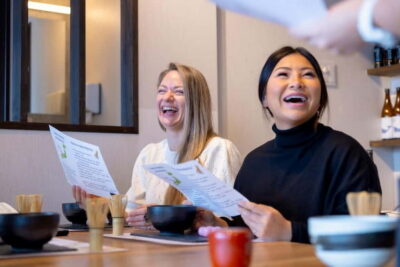
Matcha Making Experience with Mochi Sweets in Asakusa
Read our review →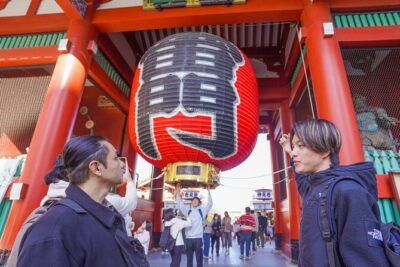
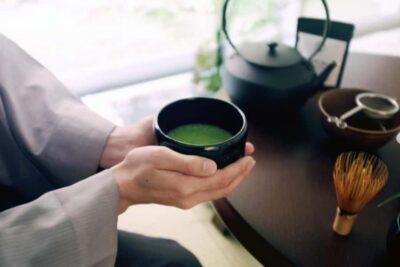
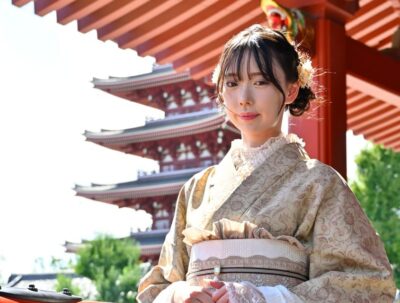
Asakusa: Kimono Tea Ceremony with Matcha and Sweet
Read our review →
Make Traditional Nerikiri Sweets & Matcha experience in Shibuya
Read our review →
Browse the lists this tour appears in