
Review · SHANGHAI
Shanghai Mahjong Experience in Local Tea Bar
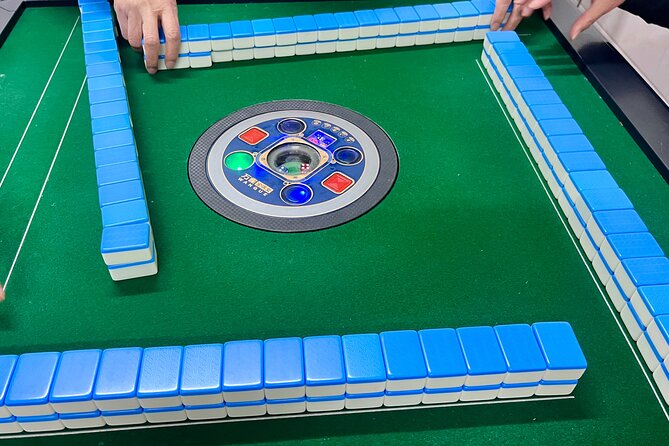
Mahjong is Shanghai’s best rainy-day lesson. This three-hour class places you in a local tea bar in the Former French Concession, where an instructor explains the game, its customs, and its role in daily Chinese life. I like the hands-on teaching and the chance to play on an automatic Mahjong table, a machine you are unlikely to encounter in a standard sightseeing tour.
I also like the friendly scale of this private activity, with only your group taking part and English translation provided throughout. The main consideration is price: at $95 per person, this costs more than a casual tea stop, so its value depends on how much you want personal instruction and cultural context rather than a quick photo opportunity.
What makes this Shanghai Mahjong experience special
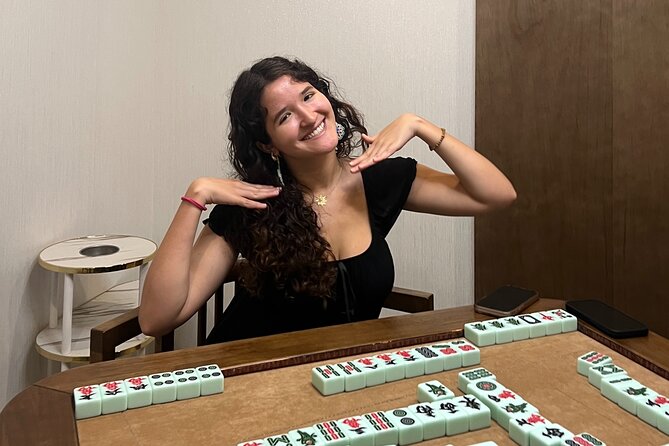
- A real neighborhood tea bar: You learn in an everyday local setting rather than a hotel classroom or tourist attraction.
- Automatic Mahjong tables: You get to use the electric tables common in casual and competitive play in China.
- English support throughout: A professional translator helps beginners follow the rules, strategy, and cultural background.
- A private three-hour activity: Your own group participates, giving you room to ask questions and learn at your pace.
- Local hosts named Jenny and Jinny: Jenny and her friends are praised for patient instruction and a welcoming approach. One account spells the name Jinny.
- Easy pairing with Tianzifang: After the class, you can walk around the nearby Former French Concession, including the well-known Tianzifang area.
Arriving at 327 Shan Xi Nan Lu
The experience begins at 327 Shan Xi Nan Lu in Huangpu District. The address is near public transportation, which matters in Shanghai, where a simple location can save you a long taxi ride and a great deal of guesswork.
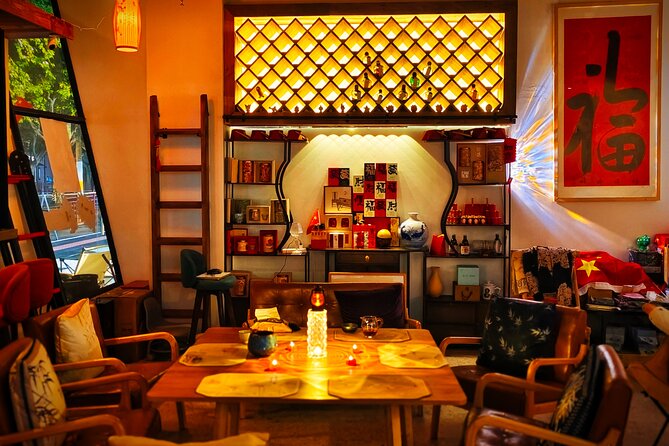
You are not being led into a large attraction with a polished visitor center. The setting is a local Chinese tea bar in a lived-in neighborhood. That choice gives the afternoon its appeal. You can see Mahjong in a place connected to ordinary leisure, not just as a cultural display arranged for tourists.
The meeting point is also practical for building a larger afternoon around the class. The activity ends back there, and you can continue exploring the Former French Concession afterward. Tianzifang is mentioned as a nearby option, so allow extra time if you want to wander its lanes after the lesson.
Because the activity is private, you do not need to worry about being placed with a large mixed group. Your party is the only group taking part. That can make a major difference when you are learning a game with unfamiliar terms and several moving parts.
A few more tea experiences around China worth a look
- Private Tea Ceremony and Sake Tasting in Kyoto Samurai House
★ 5.0 · 163 reviews - Tokyo Sushi Making Class : Sake Ceremony & Matcha Experience
★ 5.0 · 44 reviews - Kyoto Local Gourmet Night Experience: Kaiseki & Izakaya & Matcha
★ 5.0 · 22 reviews
The first lesson: Mahjong without the mystery
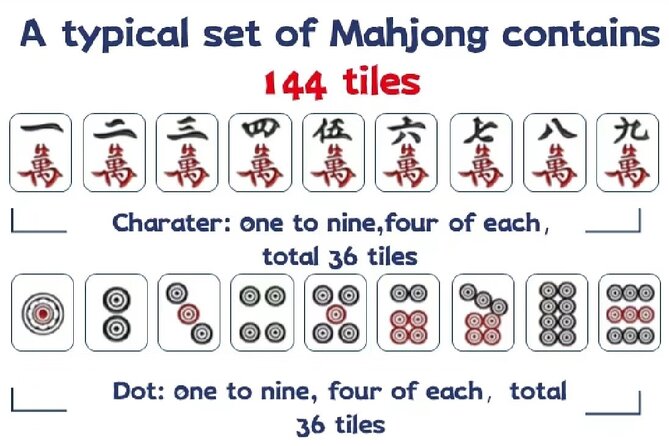
Mahjong can look like a wall of symbols, bamboo marks, circles, winds, dragons, and tiles that seem to obey their own private language. The class is designed for complete beginners, so you are not expected to arrive knowing the difference between a sequence, a set, or a winning hand.
The instructor begins with the basics and explains the rules, techniques, and simple strategy. English translation is provided, and an instruction handout is available. That handout is a useful detail because Mahjong has enough new vocabulary to make a spoken explanation hard to remember, especially when you are also watching the tiles move.
I would expect the early part of the class to focus on how tiles are organized, how turns work, and what you are trying to build. The information provided does not promise a particular scoring system or regional rule set, so you should ask the instructor which version of Shanghai Mahjong you are learning. Mahjong rules vary, and that question can prevent confusion later.
The teaching style appears to be patient and friendly. Jenny is praised for explaining the game clearly, while Jenny and her local friends are described as making beginners feel welcome. One account says there was no language barrier, which is especially reassuring if you have never played before.
This is not a lecture about Mahjong followed by a demonstration. The aim is to get you handling the tiles and making decisions yourself. That is the right approach for this game. You will understand far more once you have tried to complete a hand than if you simply listen to a list of rules.
Playing on an automatic Mahjong table
The electric Mahjong table is one of the most interesting parts of the class. These tables shuffle and arrange the tiles for you, turning what could be a long manual setup into a quick reset between rounds.
For a first-time player, the machine adds a little theater. Tiles disappear below the surface, then return arranged for the next hand. It is a practical glimpse of how Mahjong is played in modern Chinese homes, clubs, and competitive settings.
The table also lets you focus on the game itself. Without it, beginners might spend much of the session learning how to stack and shuffle tiles. With the machine handling that work, your attention stays on patterns, decisions, and the rhythm of play.
Do not assume the technology makes Mahjong simple. The table deals with the physical setup, not the thinking. You still need to watch what is drawn, decide what to keep, and understand the instructor’s advice. That balance is part of the fun.
The activity includes use of the electronic table, so you are not paying extra for each round. Tea, coffee, other drinks, and alcohol are not included, however. The venue is a tea bar, but the class price does not automatically cover a drink. If having tea is part of your plan, ask about ordering and payment at the venue.
Mahjong as a window into Chinese social life
Mahjong is more than a tile game. The class explains its origins, development, and place in modern Chinese society, giving you a way to understand why it remains such a familiar leisure activity.
That context is important because a game can tell you a great deal about daily life. Mahjong brings people together around a table, creates a reason to talk, and gives a shared structure to a relaxed afternoon. Learning it in a local tea bar connects the rules to the setting where social games actually belong.
The class also helps you avoid treating Mahjong as a decorative symbol. You are not simply looking at colorful tiles or taking a quick lesson for a photograph. You are learning how the game works and why people continue to play it.
I would ask the instructor about local habits as you go. Find out how casual games differ from competitive play, how people decide on scoring, and when families or friends tend to play. The activity promises cultural explanation, but your questions can make that part more personal and useful.
The social side may be the biggest benefit for couples and friends. You have something to do together that is active but not strenuous. You can talk between turns, laugh at mistakes, and share the small satisfaction of recognizing a useful combination.
Same place, a different pot:
- One-Day Hangzhou Dragon Well Tea Culture & West Lake Private Tour
★ 5.0 · 98 reviews - Traditional Chinese Tea Ceremony Experience
★ 4.7 · 74 reviews - Beijing Culture: Tea Ceremony, Heritage Instrument & Calligraphy
★ 5.0 · 57 reviews - Tea Tasting and Pairing Concept Workshop
★ 5.0 · 57 reviews
A three-hour pace that leaves room to learn
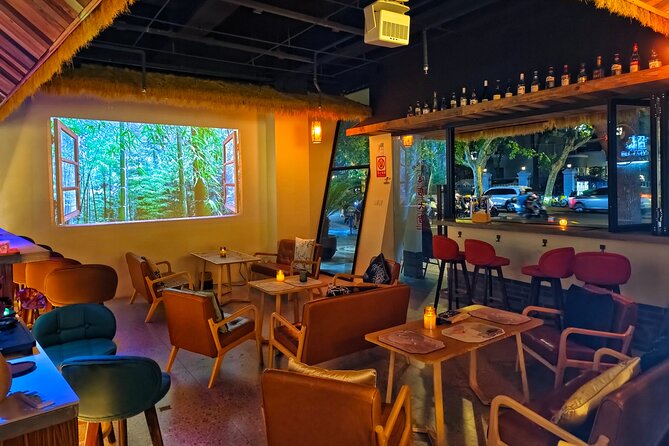
Three hours is a sensible length for this activity. Mahjong cannot be explained properly in twenty minutes, yet a full day devoted to a tile game would test even an enthusiastic beginner.
The time should give you room for several stages:
- An introduction to Mahjong and its role in Chinese life
- Explanation of the basic rules and techniques
- English translation and questions
- Practice with the tiles
- Play with the instructor and local participants
- Time to use the automatic table and improve through repetition
The exact order and timing may vary, so do not expect a formal schedule broken into fixed blocks. The benefit of a private class is that the instructor can spend more time on a point your group finds difficult.
That flexibility is helpful if nobody in your party has played before. It is also useful if one person learns quickly while another needs more examples. The activity welcomes all levels, but the strongest value is likely for beginners who want patient help rather than a fast group demonstration.
If you already play Mahjong, you may find the basic portion slow. You could still benefit from learning a Chinese style, using the automatic table, and discussing local customs, but ask in advance how much time can be adjusted toward actual play.
Why the private format matters
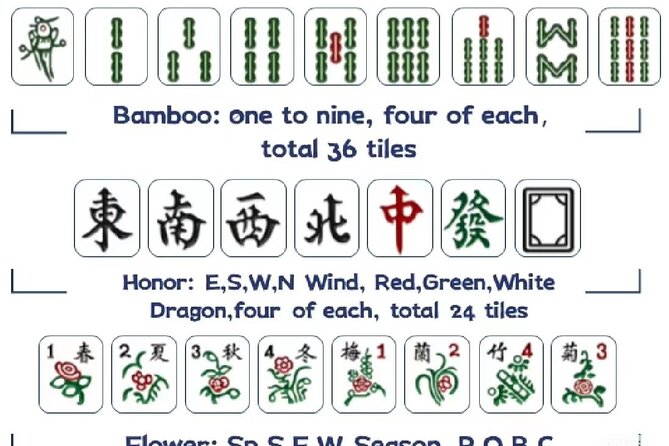
A private tour often sounds like a small booking detail, but here it shapes the whole experience. Mahjong requires concentration, and new players often need to ask the same question twice. You can do that more comfortably when you are not holding up a large group.
The private setup also suits couples, families, and small groups of friends with different levels of interest. Nobody has to pretend to understand a rule just to keep a public class moving.
There is a possible tradeoff. A private activity can feel less spontaneous than joining a larger table of strangers. If you want to meet many new people, this may not be the right format. If you prefer an easygoing lesson with your own companions, it is a strong fit.
The local hosts add warmth to the format. Jenny and her friends are described as friendly and welcoming, and the instruction sheets help keep the language clear. The combination of local company, English assistance, and a small group is more useful than any one of those features alone.
The Former French Concession after the game
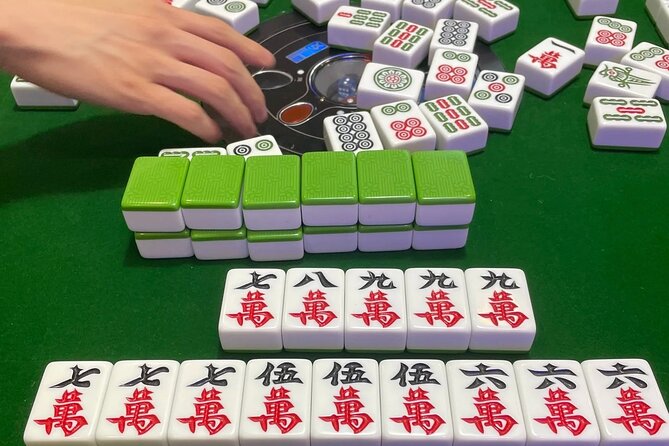
The class ends at the meeting point, giving you a clean starting point for the rest of the afternoon. You can walk around the Former French Concession and visit Tianzifang nearby.
That pairing works well because the activities offer two different views of Shanghai. Mahjong shows you a social pastime in a local neighborhood. A walk through the Former French Concession lets you continue seeing the city on foot, with its historic streets and well-known lanes.
Tianzifang is specifically suggested as an option, but the class does not include a guided walk there. Do not treat that post-class outing as part of the paid itinerary. You will need to plan the walk yourself, and the tour does not promise admission, shopping stops, or a separate guide.
The timing can be convenient if you want one cultural activity followed by free exploration. It also means you should think about your energy. Three hours of learning and playing may be relaxing, but it is still a focused activity. A short walk and a drink afterward could be more enjoyable than rushing straight to another scheduled attraction.
Is $95 per person good value?
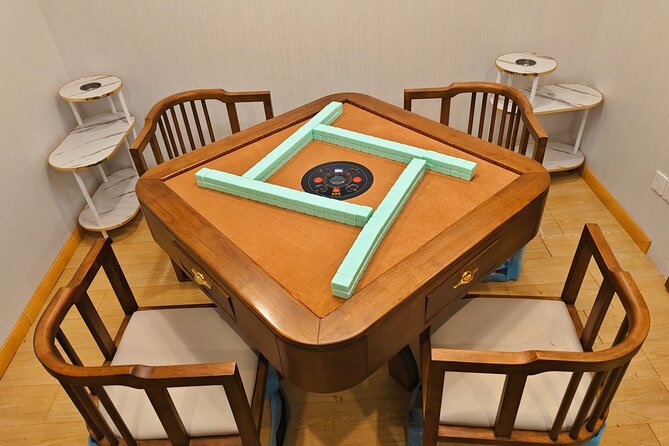
At $95 per person, this is not a bargain class in the casual sense. You are paying for a private experience, an instructor, English translation, use of an electronic table, cultural explanation, and roughly three hours of time.
The price makes more sense if you divide it among the benefits. A basic Mahjong lesson might teach you rules. This experience adds a local setting, translation, guided play, and a look at how the game fits into Chinese life. For a couple or small private group, that personal attention may justify the cost.
The price is less convincing if you only want to try Mahjong for a few minutes. You are also paying for the cultural setting and teaching time, not just access to the tiles. Tea and other drinks are extra, which is worth remembering when planning your budget.
I see the best value for visitors who enjoy hands-on cultural activities and want something beyond major sights. It is also a good choice during rainy weather, or for an afternoon when you want to slow down rather than collect another landmark.
Group discounts are available, although the exact discount is not provided. If you are booking for several people, check the final group price before paying.
Who should book this experience?
I would recommend it most strongly to:
- First-time Mahjong players
- Couples looking for a shared activity
- Friends who enjoy games and conversation
- Visitors interested in everyday Chinese leisure
- People who appreciate patient English instruction
- Anyone with time for a three-hour cultural stop in the Former French Concession
It may suit families as well, since most people can participate, but the supplied information does not specify a minimum age. Ask before booking if children are part of your group.
Experienced Mahjong players should consider their expectations. The class covers basic rules and instruction, so advanced players may want to confirm how much actual play and strategy discussion will be included.
You should also choose this activity only if you are comfortable with a lesson format. It is relaxed, but it is not passive. You will need to listen, ask questions, handle tiles, and make decisions during play.
Practical details before you book
Confirmation is provided at the time of booking, and mobile tickets are available. The meeting point is 327 Shan Xi Nan Lu, Huangpu District, Shanghai, with the activity ending at the same location.
The tour is near public transportation, and most people can participate. Since the class takes place at a tea bar, check any personal mobility needs directly before booking if you require specific facilities, as no detailed accessibility information is provided.
Free cancellation is available if you cancel at least 24 hours before the local start time. Cancellations or changes made less than 24 hours in advance are not accepted for a refund.
Should you book Shanghai Mahjong in a local tea bar?
Book it if you want a personal, useful introduction to Mahjong rather than a quick cultural display. The private format, patient English help, local tea-bar setting, and automatic table make the experience easy for beginners to approach.
I would skip it if you dislike learning games, want a large social group, or consider $95 too high for a three-hour activity. For everyone else, this is a thoughtful way to spend an afternoon in Shanghai, especially when you want to see how a familiar local pastime fits into everyday life.
FAQ
How long does the Shanghai Mahjong experience last?
The activity lasts approximately three hours.
Where does the Mahjong experience begin?
It begins at 327 Shan Xi Nan Lu, Huangpu District, Shanghai, China, postal code 200031.
Where does the activity end?
The experience ends back at the meeting point.
Is English translation provided?
Yes. A professional English guide or translator helps explain the rules, strategy, and cultural background.
Do I need previous Mahjong experience?
No. The class is suitable for complete beginners as well as people with existing experience.
Are drinks included in the price?
No. Alcoholic beverages, coffee, tea, and other drinks are not included.
Is the Mahjong table included?
Yes. Use of an electronic Mahjong table is included.
Can I cancel for a full refund?
Yes, if you cancel at least 24 hours before the experience start time. Cancellations made less than 24 hours in advance are not refunded.
Just added around China
- Full-day Tour: Spectacular Sunrise, Tea Plantation & Sunset★ 5.0 · 3 reviews
- Chinese Tea Ceremony Experience★ 5.0 · 3 reviews
- Unlock Chinese Tea: Culture, Science, Tasting & Hands-on Brewing★ 5.0 · 12 reviews
- Private Tour Hangzhou West Lake and Tea Fields Discovery★ 5.0 · 3 reviews
- Private Hangzhou Day Tour to West Lake, Lingyin Temple, Tea Village, Old Pagoda★ 5.0 · 17 reviews
- Half-Day Hangzhou Jiuxi Stream and Tea Plantation Experience★ 5.0 · 2 reviews
- Hangzhou West Lake and Tea Plantation Half Day Tour★ 5.0 · 4 reviews
- Half-Day Hangzhou Tianzhu Buddhist Mountain Hiking Tour with Green Tea Village★ 5.0 · 2 reviews
Drinking Tours, compared.
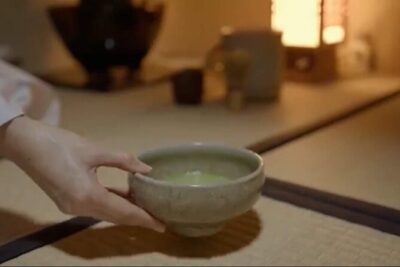
Private Tea Ceremony and Sake Tasting in Kyoto Samurai House
Read our review →
Tokyo Sushi Making Class : Sake Ceremony & Matcha Experience
Read our review →
Kyoto Local Gourmet Night Experience: Kaiseki & Izakaya & Matcha
Read our review →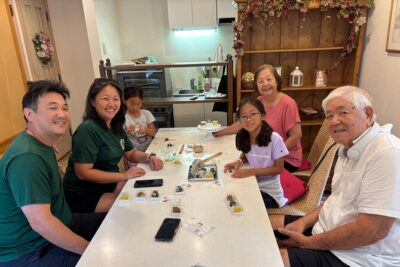
Making Japanese desserts Nerikiri & drinking matcha in Tokyo
Read our review →Browse the lists this tour appears in