
Review · SHANGHAI
Chinese Tea Ceremony Experience
Tea becomes a craft lesson here. This three-hour Shanghai experience combines Song Dynasty tea whisking with hands-on brewing and tasting, giving you more to do than simply sip prepared cups. I especially like the focus on how tea is made and served, plus the calm traditional setting with its tea tools and furnishings. The optional Hanfu clothing adds a memorable photo opportunity without making it the main event.
The main consideration is the price: $159 per person is a serious spend for a three-hour activity. There is also no private transportation, so you must reach Baoqing Road in Xuhui District on your own. Still, the private format, where only your group takes part, may make the cost worthwhile for visitors seeking patient instruction rather than a quick tasting.
Key Points to Know Before Booking
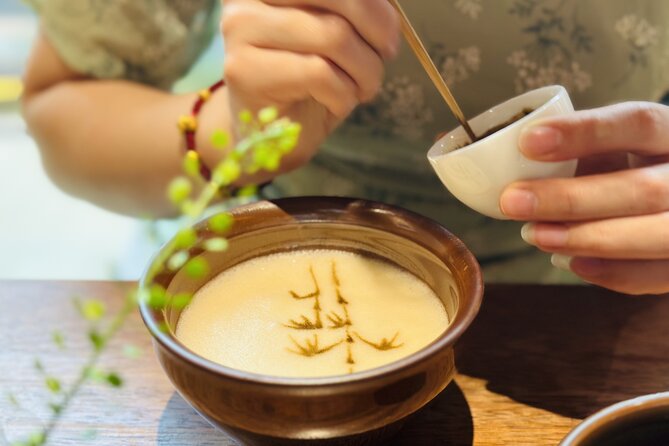
- Song Dynasty Dian Cha: Learn the old tea-whisking method that predates modern matcha preparation.
- Hands-on brewing: You do more than watch, with opportunities to brew and taste several traditional Chinese teas.
- Traditional Shanghai setting: Tea utensils, furnishings, and the room’s design give the session a strong sense of place.
- Tea-making explained clearly: The instruction covers tea history, production, and different ways to drink each tea.
- Private for your group: Only your party participates, which can make questions and practice easier.
- Optional Hanfu: Traditional clothing is available if you want a more complete period-style setting and photos.
Why This Tea Session Feels Different
Many tea tastings put a finished cup in front of you and offer a short explanation. This one gives you a role in the process. You learn a whisking technique, handle a tea set, brew different teas, and compare how preparation changes the drink.
That hands-on approach matters. Tea can seem simple until you notice how much changes with the leaf, the brewing method, and the way the tea is served. The session gives you a practical way to understand those differences instead of treating tea as a souvenir or a polite refreshment.
I also like that the experience includes background on tea drinking and manufacture. The strongest praise centers on the explanations of tea history, production methods, and the different ways to drink each type. If you enjoy knowing why a custom exists, rather than only photographing it, this is likely the right kind of cultural activity.
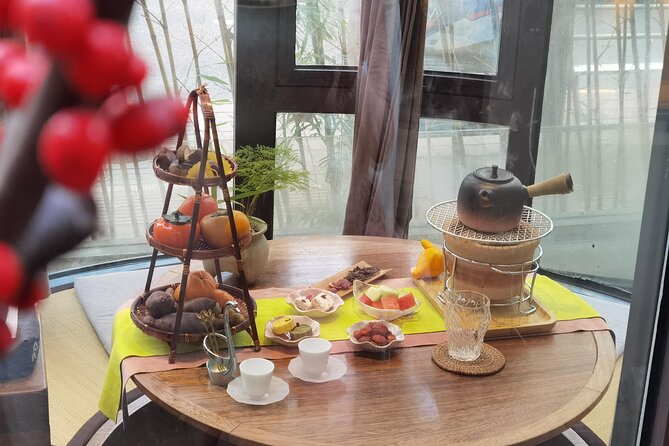
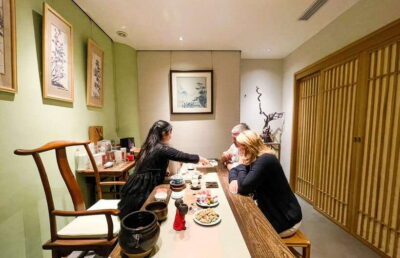
The setting adds to the effect. Traditional furnishings and tea utensils create a quiet, old-style atmosphere that fits the subject. You are not just tasting tea in a generic café. You are learning in a space designed to support the ceremony.
More Chinese Tea Ceremonies in China
- One-Day Hangzhou Dragon Well Tea Culture & West Lake Private Tour
★ 5.0 · 98 reviews - Traditional Chinese Tea Ceremony Experience
★ 4.7 · 74 reviews - Authentic Hangzhou Longjing Tea Culture Experience Tour
★ 5.0 · 32 reviews
Arriving on Baoqing Road in Xuhui District
The meeting point is on Baoqing Road, written locally as Bao Qing Lu, in Shanghai’s Xuhui District. The activity begins and ends at this same meeting point, so you should plan your route before the start time and allow enough time to find the correct location.
Public transportation is nearby, which helps because private transportation is not included. The activity does not provide a transfer from your hotel or another part of Shanghai. I would treat the meeting point as part of the planning, not as a minor detail. A three-hour session can feel rushed if you arrive flustered or have trouble finding the entrance.
The address is in a part of Shanghai served by public transit, but the information provided does not name a specific station, line, or entrance. Check the exact meeting instructions after booking. Confirmation is issued at the time of booking, so keep those details available on your phone.
Because this is a private activity, only your group participates. That is useful if you want to ask questions, repeat a brewing step, or take photos without keeping pace with a large crowd. The size of your own group may affect how much personal attention you receive, but the private format is still a clear advantage over a standard public tasting.
Learning Dian Cha, the Song Dynasty Whisking Method
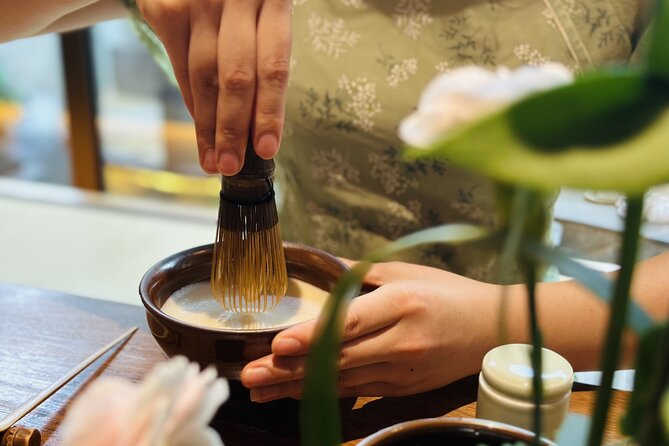
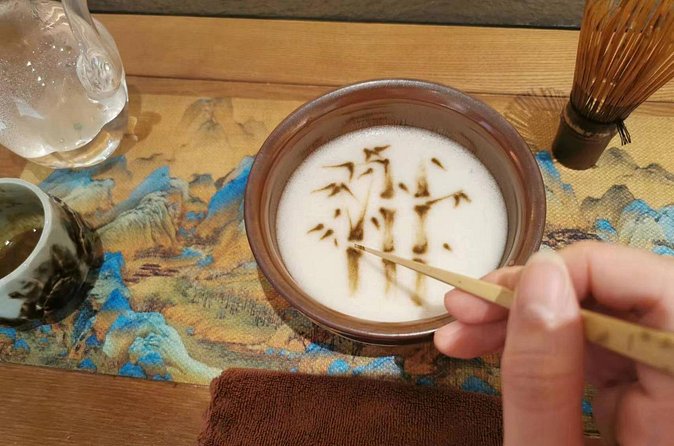
The first major part of the session introduces Dian Cha, a Song Dynasty method of whisking tea. It predates modern matcha preparation, making it a particularly interesting choice for anyone who wants to see an older stage of Chinese tea culture.
The appeal is not simply the age of the method. You get to learn a technique that depends on movement and attention, rather than waiting for someone else to pour. The whisking gives the opening part of the session a quiet, focused rhythm.
I would approach this as a cultural lesson, not a test of skill. The point is to understand the method and take part in it. If you are used to tea bags or a quick cup ordered at a counter, the process may feel slow at first. That is part of its value. The activity asks you to notice preparation as much as flavor.
The description does not specify the exact equipment, number of whisking attempts, or length of this section. You can expect guidance from an experienced tea master, but the precise pace may depend on your group. Ask questions as you go. The private setup should make that easier.
Dian Cha also gives the activity a stronger historical focus than a simple tea flight. You are not only sampling several leaves. You are learning how a particular period approached tea preparation, with the whisking method serving as a direct link to that tradition.
Tasting Green Tea, Pu’er, and Other Traditional Styles
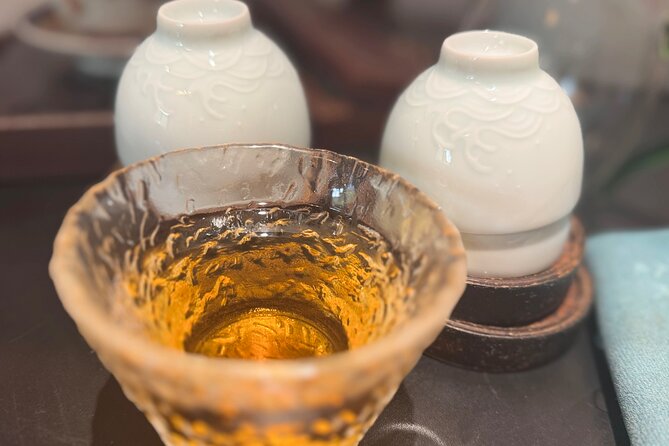
After the whisking lesson, you explore different categories of traditional Chinese tea. The examples include delicate green tea and bold pu’er, with other traditional teas included in the tasting and brewing portion.
That range helps you compare more than flavor. Green tea is described as delicate, while pu’er is bold, so the contrast should make the session more useful than tasting several nearly similar cups. You can pay attention to aroma, strength, texture, and the way each tea responds to brewing.
The session includes both tasting and brewing. This distinction is important. A tasting lets you receive a finished drink, but brewing gives you a better sense of how the leaf changes in the cup. You may find that the same tea feels different depending on how it is prepared, although the exact brewing instructions are not specified in the available details.
The tea master also explains the different ways to drink the teas and how they are manufactured. That information gives the tasting a practical backbone. Instead of simply being told that one tea is light and another is strong, you get context about the leaf and the process behind it.
Do not expect a full survey of every Chinese tea region or style in three hours. The session offers a selection of traditional teas, not an entire national tea course. That is a reasonable limit for the time, and it may suit you better if you prefer a focused introduction with time to practice.
A tea set is included. This means the tools are supplied for the activity, so you do not need to bring your own equipment. The provided information does not say if tea, leaves, or any take-home items are included separately, so do not assume you will leave with a package of tea unless the provider confirms it.
More Tea Ceremonies in China
- Beijing Culture: Tea Ceremony, Heritage Instrument & Calligraphy
★ 5.0 · 57 reviews - Chinese Tea ceremony in Beijing Hutong courtyard
★ 4.7 · 26 reviews - Beijing Culture Event: Tradition Music, Tea Ceremony, Calligraphy
★ 5.0 · 11 reviews - Shanghai: Song Dynasty Tea Ceremony Experience
★ 5.0 · 10 reviews
A Traditional Room With Optional Hanfu
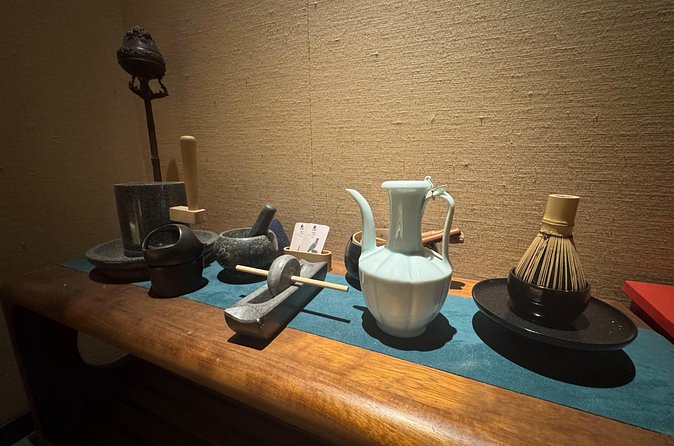
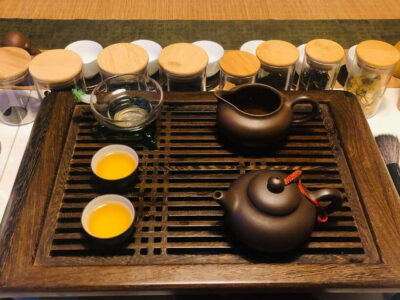
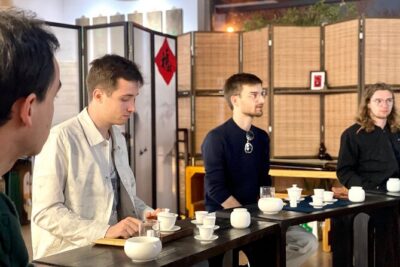
The room is styled with traditional Chinese furnishings and tea utensils. Those details are more than decoration. They help the preparation feel connected to a particular cultural setting, and they give you a calm place to slow down for a few hours.
The setting should appeal to anyone who finds a modern tasting room too plain. It also creates a natural background for photographs. Hanfu, traditional Chinese clothing, is available as an option for those who want to take the visual side further.
Hanfu can make the session feel more theatrical, but it is not required. If your main interest is learning about tea, you can focus on the brewing and whisking. If you enjoy photos and traditional dress, the clothing adds another layer to the visit.
The details do not state whether Hanfu rental, dressing assistance, or photography is included in the $159 price. Confirm those points before booking if the clothing is central to your plans. The safe assumption is that Hanfu is available as an optional part of the experience, not automatically included for every participant.
I would also keep expectations sensible. The traditional styling supports the tea ceremony, but it does not turn the activity into a full historical reenactment. The value comes from the combination of instruction, tea, tools, and setting.
What Three Hours Gives You
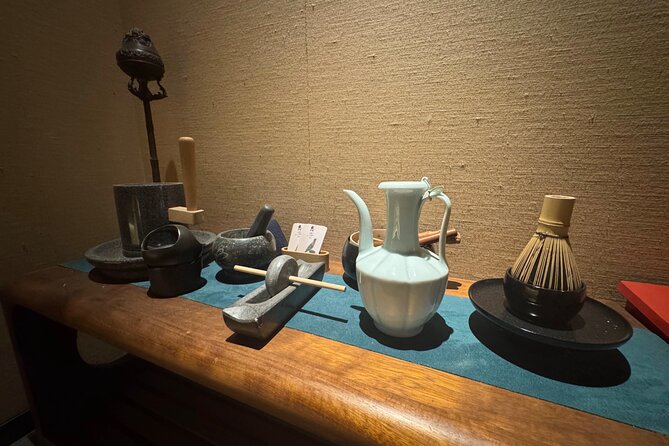
Three hours is a useful length for this kind of activity. It gives you time to move from historical background to whisking, then to tasting and brewing several teas. A shorter session might show you the steps but leave little room for your own questions or practice.
The time also leaves room for the atmosphere to work. Tea preparation is not built around speed. If you are looking for a quick stop between major Shanghai sights, three hours may feel long. If you want a slower cultural activity, the pace should feel more appropriate.
The itinerary is described as lasting approximately three hours, so allow some flexibility around the start and finish. The experience returns to the meeting point at the end. Since no other stops or transportation are included, you can plan another activity afterward, but I would avoid booking something immediately after it.
The private format may be especially useful during those three hours. With only your group taking part, you can ask about unfamiliar tea terms, request clarification on a brewing step, and spend more time on the parts that interest you. The available information does not promise a specific guide name or a set group size, so the exact level of interaction can vary.
Is $159 Per Person Good Value?
At $159 per person, this is not a budget tea tasting. The value depends on what you want from the session.
If you want a low-cost cup of tea and a brief explanation, the price is hard to justify. Shanghai offers many casual places to drink tea without paying for a three-hour private activity. This experience is aimed at something more structured: guided learning, hands-on brewing, several traditional tea categories, a tea set, a styled setting, and an optional clothing element.
The private arrangement is the biggest factor in the price. You are paying for an activity reserved for your group rather than joining a general public class. That can be worthwhile for couples, families, or friends who want to keep the experience personal.
Group discounts are available, which may improve the value for a larger party. The actual discount is not stated, so check the current group price before making a decision. If you are traveling with several people, the cost may feel more reasonable when shared across a private session.
I would book it for someone who values cultural instruction and unhurried participation. I would skip it if tea is only a minor interest or if your Shanghai schedule is already packed with expensive tours. The activity earns its price through time and attention, not through transport, meals, or a long list of sightseeing stops.
Who Will Enjoy This Most
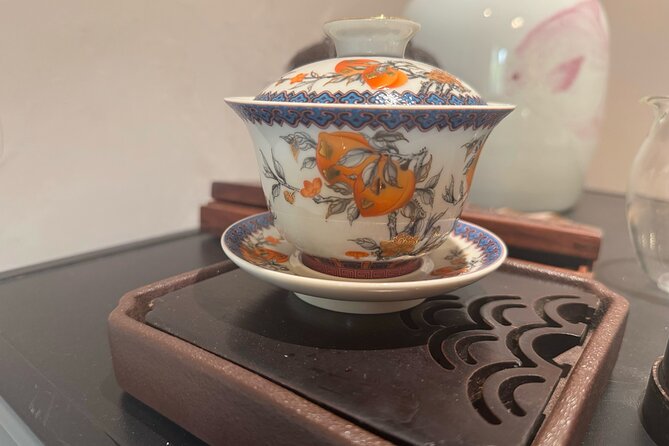
This experience suits you if you enjoy learning through your hands. You will have more fun if you want to whisk tea, use traditional tools, brew different leaves, and ask why the methods differ.
It is also a good fit for visitors who want cultural context. The explanations cover tea drinking, manufacture, and preparation, so you are not left with a surface-level tasting. The focus on both history and technique gives the session more substance.
Couples and small private groups may appreciate the setting and the photo option. Hanfu can make it a memorable shared activity, particularly if you want photographs that look different from standard Shanghai sightseeing pictures.
Families may also consider it, though the information does not state a minimum age or child pricing. Ask the provider if you are booking with young children. The quiet, careful pace may suit some children and bore others.
You should think twice if you need hotel pickup, a tightly timed itinerary, or a low-cost activity. Private transportation is not included, and the meeting point is fixed on Baoqing Road. Service animals are allowed, but other accessibility details are not provided, so contact the provider if you have specific needs.
Booking, Cancellation, and Practical Details
Booking confirmation is provided at the time of purchase. The activity is typically reserved about five days ahead, so I would not leave it until the last minute if your Shanghai dates are fixed.
Free cancellation is available when you cancel at least 24 hours before the local start time. Cancellations made less than 24 hours before the start are not refunded, and changes within that same period are not accepted. The provider may cancel if the minimum number of participants is not met. In that case, you can receive a full refund or choose another date or activity.
The experience accepts mobile tickets, making it easy to keep your confirmation on your phone. Tea and coffee are included, along with the tea set. Private transportation is not included.
Service animals are allowed, and the meeting point is near public transportation. Since the activity ends where it begins, you do not need to arrange a separate ride back to your hotel from the final stop.
Should You Book This Shanghai Tea Ceremony?
I would book this experience if you want more than a tasting. The combination of Dian Cha, hands-on brewing, tea production explanations, a traditional room, and optional Hanfu gives you a fuller cultural activity than a quick demonstration.
The price is the main barrier. At $159 per person, it makes sense only if you value the private format and the three hours of instruction. For a larger group, the available discount may help. For solo visitors on a tight budget, a casual tea house visit may be the better choice.
Book it for a slow morning or afternoon, and plan your route to Baoqing Road in advance. If the idea of whisking Song Dynasty-style tea and comparing green tea with pu’er sounds appealing, this offers a thoughtful way to spend part of your Shanghai visit.
FAQ
How long does the Chinese tea ceremony last?
The activity lasts approximately three hours.
How much does the experience cost?
The listed price is $159 per person.
Where does the experience begin?
It begins on Baoqing Road, or Bao Qing Lu, in Xuhui District, Shanghai, China, postal code 200031.
Where does the experience end?
The activity ends back at the meeting point on Baoqing Road.
Is transportation included?
No. Private transportation is not included, though the meeting point is near public transportation.
Is this a private activity?
Yes. Only your group participates.
What tea activities are included?
You learn Song Dynasty tea whisking, known as Dian Cha, and taste and brew different traditional Chinese teas, including green tea and pu’er.
Is Hanfu included?
Hanfu is available as an optional part of the experience. The provided details do not confirm that it is included in the listed price.
Can I cancel for a full refund?
Yes, if you cancel at least 24 hours before the experience start time. Cancellations made less than 24 hours before the start are not refunded.
Just added around China
- Full-day Tour: Spectacular Sunrise, Tea Plantation & Sunset★ 5.0 · 3 reviews
- Unlock Chinese Tea: Culture, Science, Tasting & Hands-on Brewing★ 5.0 · 12 reviews
- Shanghai Mahjong Experience in Local Tea Bar★ 5.0 · 4 reviews
- Private Tour Hangzhou West Lake and Tea Fields Discovery★ 5.0 · 3 reviews
- Hangzhou West Lake and Tea Plantation Half Day Tour★ 5.0 · 4 reviews
- Private Hangzhou Day Tour to West Lake, Lingyin Temple, Tea Village, Old Pagoda★ 5.0 · 17 reviews
- Half-Day Hangzhou Jiuxi Stream and Tea Plantation Experience★ 5.0 · 2 reviews
- Half-Day Hangzhou Tianzhu Buddhist Mountain Hiking Tour with Green Tea Village★ 5.0 · 2 reviews
Tea Ceremonies in China, compared.
Beijing Culture: Tea Ceremony, Heritage Instrument & Calligraphy
Read our review →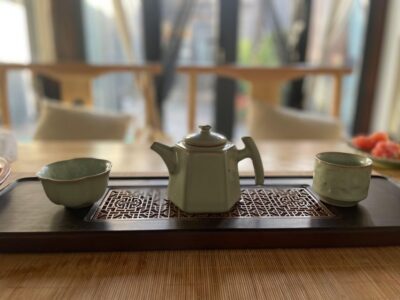
Chinese Tea ceremony in Beijing Hutong courtyard
Read our review →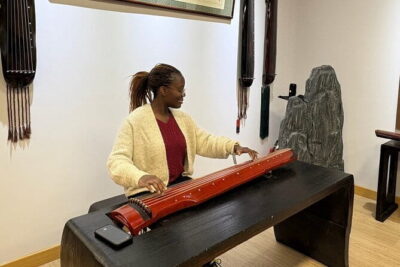
Beijing Culture Event: Tradition Music, Tea Ceremony, Calligraphy
Read our review →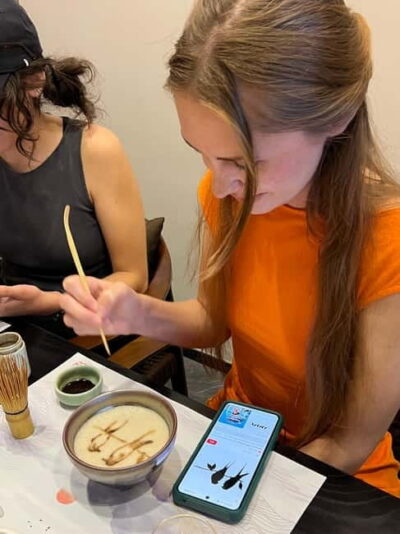
Browse the lists this tour appears in