
Review · USA
SF’s Chinatown: Tea & Dim Sum Food Tour – Includes full meal, 3hr
Come hungry, leave with a better map of Chinatown. This three-hour walk combines a full dim sum meal with fortune cookies, bubble tea, pastries, Cantonese food, and a long tea tasting. I especially like the generous food portions and the small-group limit of 10, which make this feel more like a guided meal than a quick sampling circuit. The main caution is that the walking can be difficult for people with limited mobility, and the quality of the storytelling may depend on which guide leads your group.
The tour costs $99 per person and begins at 11:30 a.m. at House of Dim Sum on Jackson Street. I like the way it ends only about five blocks from the starting point, so you can continue exploring Grant Avenue afterward. Just keep in mind that the fortune cookie stop may be brief when the shop is crowded, and the history portion can feel lighter than the food portion with some guides.
Key points to know before booking
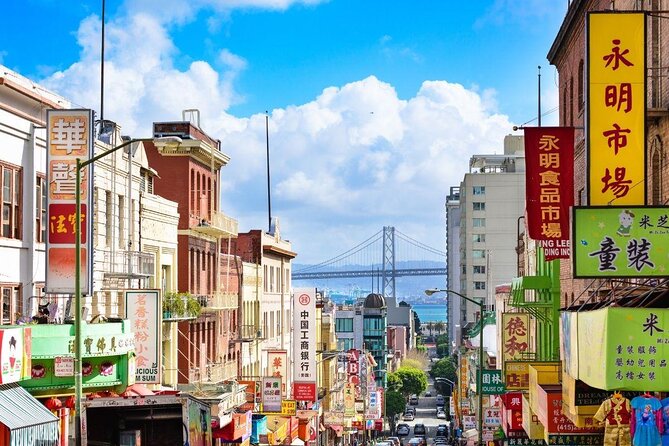
- A real meal, not a few token bites: You begin with dim sum and continue with pastries, tea, Cantonese food, and other tastings.
- Tea is the grand finale: The 30-minute tasting at Vital Tea Leaf is repeatedly praised as the most memorable part.
- Small groups help: The maximum group size is 10, though popular dates can still feel busy.
- Guide style varies: Robert, Jacob, Robin, Dale, Marcy, and Kasey have all led tours, with particularly warm feedback for Robert, Jacob, and Robin.
- Expect some walking and uneven terrain: The tour is not recommended for people with limited mobility.
- Vegetarian diets can be accommodated: Tell the company when booking if you need a vegetarian option or have dietary restrictions.
Starting with dim sum on Jackson Street
The tour starts at House of Dim Sum, at 735 Jackson Street, at 11:30 a.m. This is a useful meeting point because you get straight to the best business of the day: eating.
The opening meal is the foundation of the tour. Exact dishes can vary, but the food described by past participants includes dumplings, Peking duck, Szechuan green beans, and other dim sum selections. The portions are intended to add up to lunch, not merely whet your appetite. Several people specifically praised the quantity, so this is one San Francisco food tour where you should arrive hungry.
I like this opening because dim sum gives your guide something concrete to explain. You are not just hearing about Chinatown from a street corner. You are tasting dishes while learning how the neighborhood’s food businesses serve locals and visitors.
Families can do well here. Children between 10 and 14 enjoyed trying several dishes, though a group with picky eaters should still expect unfamiliar textures and flavors. If you are vegetarian or pescatarian, mention it in advance. The company has accommodated dietary needs, including a pescatarian diet, but last-minute changes are never wise on a food tour.
More Food and Drink Tours in the USA:
- Charleston: Wadmalaw Island Wine Tasting and Tea Garden Trip
★ 4.9 · 94 reviews - Premium Loose Leaf Tea and Chocolate Tasting
★ 3.0 · 4 reviews - Jakarta: Volcano, Tea/Rice Fields, Hot Spring, Local Food
★ 4.9 · 515 reviews
Fortune cookies and a very short factory visit
The next stop is Golden Gate Fortune Cookies Co., one of the tour’s most playful moments. You get to see fortune cookies being folded and sample them. The stop is scheduled for about 20 minutes.
This is not a large factory tour. The shop can have a line out the door, and that affects how long you can watch the process. Think of it as a quick look, a snack, and a chance to receive a fortune, not a full production lesson.
That short visit is still worthwhile because it connects a familiar American Chinese restaurant staple with the small-scale businesses of Chinatown. The hands-on folding is more interesting than simply buying a bag of cookies from a souvenir shop.
If you have a sweet tooth, you may be tempted to sample several. The food tour has not even reached its midpoint, so a little restraint may help. You have plenty more to eat.
Bubble tea and the stories behind Chinatown’s alleys
At Chinatown Taiwan Fruit Tea, you get a refreshing fruit tea or bubble tea before continuing through the neighborhood. This is a useful change of pace after dim sum and cookies. The drink also gives the group a chance to walk and listen rather than sit at a table for the entire afternoon.
The alleyway portion brings in stories about the old gambling block, sailors, inexpensive haircuts, and people arriving in San Francisco hoping to build a new life. The tour also touches on the Gold Rush period and the origins of the neighborhood.
This is where the guide matters most. Robert has been praised for giving Chinatown strong context, and Dale was singled out for stories about the neighborhood’s colorful characters and back alleys. Jacob has also earned warm praise for mixing historical facts with humor. Other guide experiences have been less consistent, with one group finding the storytelling repetitive and wanting more about Chinese American life over the last 150 years.
That criticism is fair to keep in mind. You may get an entertaining and useful introduction to Chinatown, but this is not a specialist history seminar. The food and neighborhood orientation are the dependable parts. The depth of the historical discussion depends more on the guide.
A heritage bakery and the pleasure of a small snack
The bakery stop is listed as AA Bakery & Cafe, though the exact location can change. The promise is simple: you get a Chinese pastry or snack.
Egg tarts have been served and received mixed reactions. Some people loved them, while others found them less appealing. That is normal for an item with a soft custard center and a pastry shell. It is also a good example of why a guided tasting can be useful: you can try something new without committing to a full order.
The pastry stop helps spread the meal across the whole three hours. You are not sitting down for one large lunch and then walking on an empty stomach. Instead, the food arrives in stages, which makes the afternoon feel relaxed and social.
Because the bakery location may change, do not treat the listed business as a guarantee. The important point is that the tour includes a Chinese baked item, not a fixed bakery visit.
More Food Tours in the USA:
- Experience all of Japanese culture and Japanese food experience classes “origami, udon, Japanese food, green tea, calligraphy” in 4 hours
★ 5.0 · 105 reviews - Cairo Food Tour in local places & Egyptian Mint Tea
★ 4.5 · 102 reviews - Street Food Cooking Class in Taipei : Gua Bao/Lu Rou Fan/Boba Tea
★ 5.0 · 22 reviews - Full Day Food Tour Of Delhi with a chef. Includes Tea Tasting
★ 5.0 · 20 reviews
Portsmouth Square, Cantonese flavors, and a weather backup
Portsmouth Square provides the tour’s main pause. On a sunny day, the group may picnic in the park. If the weather is poor, the meal moves to a nearby restaurant.
At this stop, you taste more local Cantonese food. The shift from dim sum to another style of Chinese cooking gives the meal some range. Past food selections have included Peking duck and Szechuan green beans, though dishes are subject to change.
The picnic option sounds appealing, but San Francisco weather can change quickly. The indoor backup matters, especially because the tour requires suitable weather and may be rescheduled or canceled if conditions are poor. You should dress for a cool or damp afternoon rather than assuming the park will be warm.
Portsmouth Square also adds some room for conversation. The tour is limited to 10 people, so you are not trying to hear a guide over a giant crowd. Still, the food stops can take place in busy Chinatown businesses, and the fortune cookie shop in particular may feel compressed when there is a queue.
The church and a reminder of the 1906 earthquake
Along the way, the group stops to see a church that remained standing after the 1906 earthquake. The supplied details do not identify the church by name, so I would not book this tour expecting a formal architectural visit.
Its value is more about place and memory. Chinatown is not only a collection of restaurants and shops. The streets also carry reminders of disasters, rebuilding, migration, and the changing city around them. A brief stop at a surviving building can make those events feel connected to the blocks beneath your feet.
How much you get from this moment will depend on the guide’s explanation. If you want a more detailed account of the earthquake or Chinese American history, ask questions during the walk. The tour’s strongest guides appear to welcome that kind of conversation, while some groups have found that questions were postponed or not fully answered.
Vital Tea Leaf and the best part of the afternoon
The final major stop is Vital Tea Leaf, where the group spends about 30 minutes tasting tea. This is the part I would most want to protect time for. Again and again, the tea session is described as the tour’s highlight.
You taste several teas and learn about brewing methods and the traditional benefits associated with tea. The presentation is not just a series of small cups. It has a performance element, and the person leading the tasting has been described as funny, entertaining, and memorable. One tea host was affectionately remembered as Uncle G, while another was identified as Ming.
This stop also gives the tour a stronger cultural finish. You are not simply sampling tea as a beverage. You are learning how preparation, serving, and conversation shape the experience. Some participants even bought tea afterward, which tells you the tasting can be practical as well as entertaining.
The tone may not suit everyone. One account described the presentation as somewhat adult in its humor. If you prefer a quiet, formal tea lesson, you may find the style a little loose. If you enjoy personality and jokes, it is likely to be a favorite.
What $99 buys you in San Francisco
At $99, this is not a cheap walking tour. The value depends on how much food you would otherwise buy and how much you care about having the neighborhood explained as you eat.
The price includes the dim sum lunch, food samples, snacks, afternoon tea, the tea tasting, and a local guide. You are paying for several small meals, not just three or four isolated bites. The full portions are a meaningful part of the value, particularly if you are visiting San Francisco during a pricey travel week.
There is some confusing wording around drinks. Beverages are included, but drinks are also listed as not included. The practical reading is that the tour includes the planned tastings, such as bubble tea and tea, while extra drinks or personal purchases are your responsibility. I would budget a little extra for anything you want beyond the scheduled food and samples.
The experience also saves you from guessing what to order in a crowded neighborhood. That matters if dim sum is new to you or if you are traveling with family members who would not otherwise try unfamiliar dishes. If you already know Chinatown well and prefer choosing your own restaurants, the value is less obvious.
Guide quality and the history balance
The strongest part of the guide team appears to be its personal connection to Chinatown. Robert has been praised for his passion and sense of place. Jacob is frequently described as friendly, funny, and well prepared. Robin has also received strong feedback for being easygoing and engaging. Dale was praised for bringing the neighborhood’s characters and alleys to life.
Kasey’s performance appears to be more dependent on group fit. One group found him soft-spoken and uninvolving, while another described him as a local Chinese person with valuable knowledge of the area. That contrast is a useful warning: guide personality can shape this tour more than the fixed schedule does.
The history also has limits. You will hear about the Gold Rush, early immigration, Chinatown businesses, gambling, sailors, and the earthquake. But you may not receive a full account of Chinese American life in San Francisco over the past century and a half.
I would book this for food first, neighborhood context second, and a serious history lesson third. Ask questions when you have them, especially during the walking sections. A strong guide can add plenty of detail, but the experience is built around eating.
Walking, timing, and who should book
The tour lasts about three hours and ends on Grant Avenue, roughly five blocks from where you begin. That makes it easy to continue shopping, visit more restaurants, or walk toward other San Francisco sights after the tasting ends.
You should expect to move between several stops, wait briefly at busy businesses, and stand or walk while listening. The tour is not recommended for people with limited mobility. One person with mobility issues still found the guide helpful, but the terrain remained challenging. If you need a slower pace or special assistance, ask before booking rather than relying on an adjustment during the tour.
The group maximum is 10, and the small size is a real advantage. It makes it easier to hear the guide, ask questions, and share dishes. The tour is often booked about 27 days ahead, so popular dates may fill before a last-minute San Francisco trip comes together.
The company offers free cancellation when you cancel at least 24 hours before the start time. Cancellations within 24 hours are not refunded. If poor weather or an insufficient number of bookings causes the tour to be canceled, you can choose another date or receive a full refund.
Should you book the Chinatown tea and dim sum tour?
Book it if you want a filling introduction to Chinatown and prefer tasting several foods with a guide rather than choosing restaurants on your own. The generous meal, small group, and memorable tea tasting make the $99 price reasonable for many visitors.
I would be especially comfortable recommending it to first-time San Francisco visitors, families willing to try new foods, couples, and local residents who want a fresh look at Chinatown. Vegetarian and pescatarian participants should give advance notice.
Skip it if you need a fully accessible route, dislike group pacing, or want a detailed academic account of Chinese American history. For most people, though, this is a tasty and well-organized way to spend three hours, with the tea tasting as the final cup of proof.
FAQ
How long is the Chinatown food tour?
The tour lasts approximately three hours.
Where does the tour begin?
It begins at House of Dim Sum, 735 Jackson Street, San Francisco, at 11:30 a.m.
Where does the tour end?
It ends on Grant Avenue, about five blocks from the starting point.
Is lunch included?
Yes. The tour includes lunch, dim sum, food tastings, snacks, afternoon tea, and planned beverages.
Is a vegetarian option available?
Yes. A vegetarian option is available, but you should advise the company when booking.
How many people can join the tour?
The tour has a maximum of 10 participants.
Can I cancel for a full refund?
Yes, if you cancel at least 24 hours before the start time. Cancellations made within 24 hours are not refunded.
Just added around the USA
- Washington, D.C.: Tea Around Town Bus Tour with Landmarks★ 3.4 · 7 reviews
- Tea By The Sea★ 5.0 · 9 reviews
- Tea Around Town: A Charming Tea Experience in Philadelphia★ 3.5 · 24 reviews
- Tea Blending★ 4.5 · 8 reviews
- Premium Loose Leaf Tea and Chocolate Tasting★ 3.0 · 4 reviews
- St. Johns River High-Tea Cruise Tour in Sanford★ 5.0 · 2 reviews
- Beach Yoga & Tea Experience on South Beach★ 5.0 · 19 reviews
- Tea Plantation and Winery Tour in Charleston★ 5.0 · 3 reviews
Food & Drink, compared.
Volcano, Tea/Rice Fields, Hot Spring, Local Food
Read our review →
Private Tea Ceremony and Sake Tasting in Kyoto Samurai House
Read our review →
Twinings 2-Hour Tea Tasting Masterclass in London
Read our review →
Cairo Food Tour in local places & Egyptian Mint Tea
Read our review →
Charleston: Wadmalaw Island Wine Tasting and Tea Garden Trip
Read our review →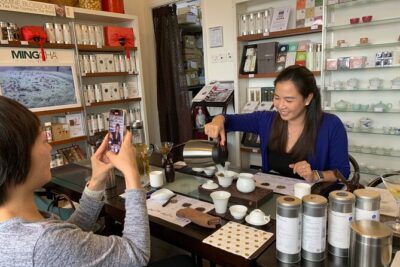
Browse the lists this tour appears in