
Review · CHENGDU
Chengdu Dujiangyan Leshan Buddha Tea Plantation and Sichuan Cooking 3 Days
Three days, several sides of Sichuan. This tour links Chengdu’s pandas with the ancient Dujiangyan irrigation system, Leshan’s enormous cliff-carved Buddha, tea country, old workshops, and a practical Sichuan cooking class. I especially like the chance to pick tea from the plant and then use it during the cooking program, and I like the warm local contact built into the old-town walk and courtyard-house visit. The main drawback is the pace: long drives and early starts make this a busy trip, not a leisurely city break.
The English-speaking guide is central to the experience. Lucy, named in one detailed account, was praised for being friendly and well informed, and that matters when you are moving between major sights and small local stops. You should also know that the listed price of $433.85 per person covers a great deal, but the three days include several lengthy road journeys, and some optional costs, such as the Dujiangyan golf cart and climbing near the Leshan Buddha, are separate.
Key points to know before booking
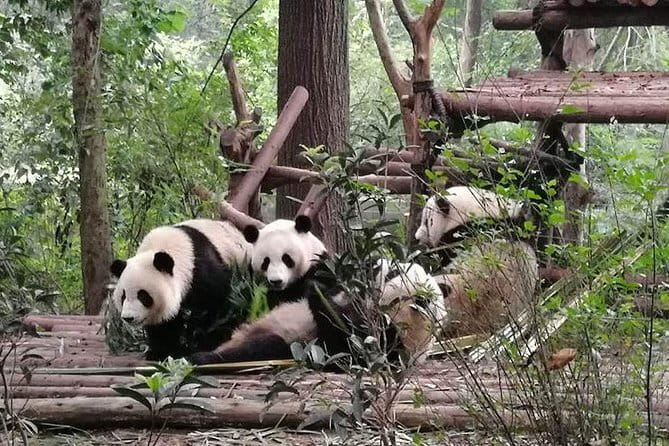
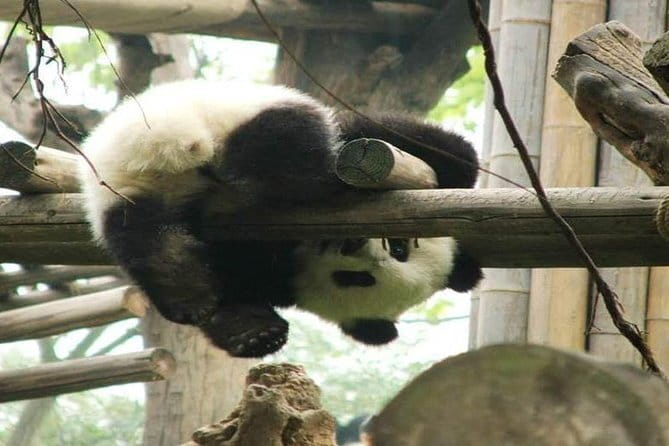
- Pandas at breakfast time: The morning visit is planned for feeding and play, with giant pandas, red pandas, and a possible look at the panda nursery.
- Two major UNESCO-linked sights: Dujiangyan explains how an ancient irrigation project still shapes the area, while Leshan presents one of China’s most famous stone Buddhas.
- Tea from leaf to cup: You pick tea in Jiajiang County, visit a tea-making family, learn about processing, and save some leaves for cooking.
- Old-town contact: The Leshan-area walk includes blacksmith, bamboo, and barber workshops, an old teahouse, and a 500-year-old courtyard house.
- Cooking with a purpose: A spice-market challenge supplies ingredients for Sichuan noodles, steamed beef with fried-rice flour, spicy lotus roots, and homemade chili oil.
- Small-group format: The group is capped at 15 people, with hotel pickup offered and a 7:30 a.m. start.
What this three-day route does well
Many Chengdu trips stop with the pandas. This one keeps going. You get a broad look at Sichuan life: animal conservation, water engineering, Buddhist art, village tea production, old homes, food markets, and cooking traditions.
I like the way the route moves from famous sights toward more personal encounters. The Dujiangyan park gives you bridges, temples, local activity, and a chance of distant mountain views. The Leshan-area town adds workshops and conversation over tea. The farm visit then shifts the focus to work, weather, leaves, and family business.
The tour is also useful if your time in Chengdu is short. Instead of arranging separate transport to several destinations, you have an air-conditioned vehicle and one English-speaking guide for the main journey. The tradeoff is clear: you spend plenty of time in the vehicle. The stated drives include about 1.5 hours from Chengdu to the panda base, 30 minutes to Dujiangyan, 2.5 hours to Leshan, and another 40 minutes from the Buddha area to the old town.
This is not the best choice if you want slow mornings or long stretches with no schedule. It is a good fit if you want to see a lot and do more than take photographs.
More Tea Plantation Tours in China
- Half-Day Hangzhou Yunxi Bamboo Forest and Tea Plantation Experience
★ 5.0 · 22 reviews - Half-day Tour: Largest Tea Plantation & Amazing Xianggong Hill
★ 5.0 · 9 reviews - Experience Chengdu: Private Tea-Making Day Tour of Mengdingshan Tea Plantation
★ 4.5 · 7 reviews
Day one: pandas, water engineering, and an early start
Pickup begins at about 7:30 a.m. from your hotel lobby. Charge your phone before leaving. The panda base is described as a film and battery killer, and you will likely use your device often in the attractive park setting.
Giant Panda Breeding Research Base
The drive to the research base takes about 1.5 hours. The timing is sensible because the visit is arranged for morning feeding and play, when the pandas are more likely to be active than later in the day.
You spend about 2.5 hours here, with admission included. The park contains giant pandas and red pandas, and the route may include the panda nursery if young pandas are available to see. A baby panda sighting is never something to count on, but the early arrival gives you a better chance of seeing natural movement rather than sleepy animals tucked away.
The guide’s role helps here. A good explanation turns the visit from a simple animal stop into a lesson about the panda and its place in local life. Keep your camera ready, but do not let photography become the whole visit. The park is one of the tour’s strongest crowd-pleasers, yet the later stops provide more direct contact with local culture.
Dujiangyan Irrigation System
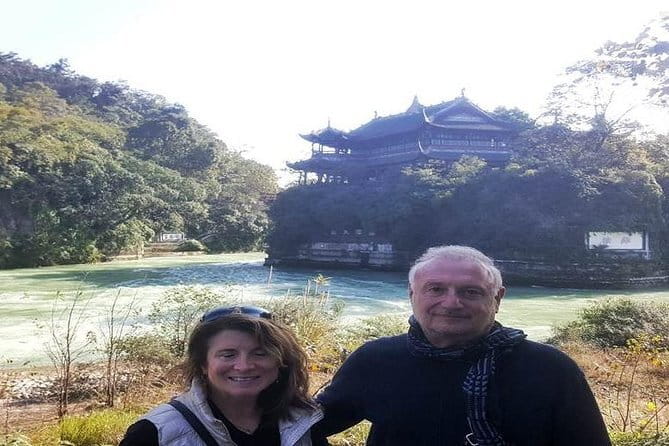
After the panda base, the drive to Dujiangyan takes around 30 minutes. You spend about 2.5 hours in the irrigation park, where the focus shifts from wildlife to engineering and belief.
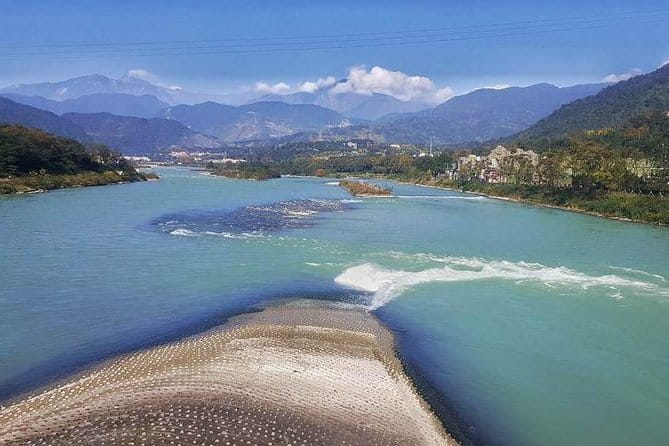
The site includes old bridges, temples, and paths through a scenic park. Your guide explains the ancient irrigation project and the way it helped shape the area. The site has UNESCO World Heritage recognition, so this is not just a pleasant walk. It gives you a clear example of how practical engineering can become part of a region’s identity.
The park is also a welcome change after the busy panda base. The tour aims to arrive while the surroundings are still peaceful. On a clear day, you might see snow-covered mountains in the distance, but that view depends on weather and visibility.
A golf cart is not included. You can still visit on foot, but anyone who prefers to limit walking should ask the guide about the extra cost before using it. The day is already full, so comfortable shoes and water are sensible choices.
Same place, a different pot:
- One-Day Hangzhou Dragon Well Tea Culture & West Lake Private Tour
★ 5.0 · 98 reviews - Traditional Chinese Tea Ceremony Experience
★ 4.7 · 74 reviews - Beijing Culture: Tea Ceremony, Heritage Instrument & Calligraphy
★ 5.0 · 57 reviews - Tea Tasting and Pairing Concept Workshop
★ 5.0 · 57 reviews
Day two: Leshan’s great Buddha and a slower old town
Day two is the longest road day. The drive from your hotel to Leshan takes about 2.5 hours, so plan for a substantial morning in the vehicle before reaching the main sight.
Leshan Giant Buddha by boat
The Leshan Giant Buddha is carved into a cliff, and the scheduled visit lasts about 50 minutes. The tour includes a boat ride, which gives you a broad view of the statue from the water.
This is a smart choice for a short visit. The boat allows you to take in the scale of the Buddha without making the entire stop about climbing stairs. Climbing near the statue is not included, so ask exactly what your group will do if you want the walking route. The boat is the clear centerpiece here, offering a panoramic view that is difficult to get from close range.
The stop is brief, which keeps the wider itinerary moving but leaves little room for lingering. If Leshan is your main reason for visiting Sichuan, a dedicated tour may offer more time. If you want Leshan as one part of a wider three-day route, the boat visit gives you the essential view.
An old town near Leshan
After the Buddha, you drive about 40 minutes to a laid-back old town. The walking portion lasts around 2.5 hours and is designed around daily life rather than major monuments.
You visit traditional workshops, including a blacksmith’s shop, a bamboo workshop, and a barber shop. These stops are valuable because they show skills in use, not just objects behind glass. The pace allows time for tea and conversation in an old teahouse, where your guide helps connect you with local people.
The visit to a courtyard house is another strong detail. The home is about 500 years old, and the owner shares stories about it. That personal voice gives the old town a human scale. You are not simply looking at an old building; you are hearing why the house matters to the family who cares for it.
Lunch is included during this part of the day, with local Leshan food presented as Sichuan cuisine. The details of the exact dishes can vary, so anyone with food restrictions should discuss them before booking. Sichuan cooking often includes heat, spice, and strong flavors, and this tour is clearly designed for people who want to try local food rather than avoid it.
Jiajiang County: tea in the field and at the farm
A short drive takes you into the hills of Jiajiang County. The tea visit lasts about 1.5 hours, but its value comes from what you do, not just how long you stay.
A tea farmer explains how to choose good sprouts and buds, how weather affects the crop, and why tea from different regions tastes different. You can pick tea yourself, then take some of the leaves with you for the cooking class on day three.
The visit continues at a tea-making family’s business. You learn how different teas are processed, then sit outside the farmhouse to drink tea and ask questions. The comparison to wine is useful: tea also has different growing areas, styles, and qualities, even if the names and methods are less familiar to many visitors.
I like this part because it connects landscape, labor, taste, and family business. You see the plant, handle the leaves, learn about production, and drink the finished product. That is more memorable than simply buying a packet in a shop.
Tea picking is outdoor work, even if only for a short time. Bring comfortable shoes and be ready for changing weather. The day includes the old-town walk and the tea farm after a long morning, so you should expect a full schedule.
Day three: market spices and Sichuan cooking
The final day stays in Chengdu and focuses on food. You meet the guide at your hotel, then visit a local spice market before walking through back streets for lunch.
A spice-market challenge
The market visit is not just a guided look at ingredients. You receive a challenge to find special spices and other items for the cooking class later that day. This gives the morning a clear purpose and helps you pay attention to the ingredients used in Sichuan food.
The activity should appeal to anyone who likes food with a story. You are not only eating a finished dish. You are learning what goes into it and why the ingredients matter. The tour then takes you through local streets for lunch, offering another chance to try everyday food outside the major attractions.
The exact lunch selection is not specified, so it is best to speak up about allergies or strong dislikes. Two lunches are listed among the inclusions, along with dinner, but the schedule and meal details can vary. Confirm the food plan when booking if meals are especially important to you.
A courtyard cooking class
After lunch, you go to a traditional Sichuan courtyard restaurant. The market ingredients, together with the tea picked in Jiajiang, become part of the afternoon lesson.
The class includes Sichuan-style noodles, steamed beef with fried-rice flour, and spicy lotus roots. You also learn to make your own spicy chili oil. A professional chef guides you step by step, so the class is aimed at participation rather than watching a demonstration from the side.
The cooking session lasts about 2.5 hours. You also get Sichuan gaiwan tea in the courtyard, following the local custom of welcoming guests with tea. Beer and other beverages are included during the class, and you receive recipes and a souvenir to take home.
This is one of the best-value parts of the tour. A cooking class has lasting use: you can recreate a dish, remember the market ingredients, and bring the recipes into your own kitchen. The only caution is the food itself. Sichuan dishes can be hot, and the menu includes spicy lotus roots and chili oil. You can ask the chef about adjusting heat, but do not book this expecting mild food by default.
Price, group size, and practical value
At $433.85 per person, the price is substantial, but it covers transport in an air-conditioned vehicle, hotel pickup, admission to the panda center, the Dujiangyan irrigation system, the Leshan boat, the English-speaking guide, the old-town program, tea visits, meals listed in the package, beverages during cooking, recipes, and a souvenir.
The value is strongest for a first visit to Chengdu when you want variety without arranging several independent day trips. Transport alone would take planning, especially for the panda base, Dujiangyan, Leshan, Jiajiang County, and the countryside stops.
The value is weaker if you mainly want one attraction in depth. A 2.5-hour drive to Leshan and a 40-minute transfer to the old town mean much of day two is spent moving. The three-day program is best understood as a regional overview with meaningful local stops, not a slow retreat.
The group maximum is 15 people. That is small enough for questions and easier movement than a large coach tour, while still keeping the price below a private trip in many cases. Pickup is offered, and the start time is early, so confirm that your hotel is suitable for the pickup arrangement.
Free cancellation is available up to 24 hours before the start time. Changes or cancellations inside that window are not refunded, and poor weather or too few bookings can lead to a different date, another experience, or a full refund.
Who should book this Sichuan experience?

I would recommend it to you if you want:
- A first look at Chengdu and nearby Sichuan sights
- Pandas plus major cultural sites
- Local food and hands-on cooking
- Tea farming rather than only tea shopping
- Old workshops, family stories, and village contact
- A guided route that removes much of the transport planning
I would think twice if you need a relaxed pace, dislike long drives, or want full control over meal choices. You should also be comfortable with early starts, walking in parks and old streets, and strongly seasoned food.
The two strongest praised qualities are the guide and the driver. A friendly guide such as Lucy can make a complicated route feel easy, while a reliable driver matters on a program that includes long road sections. Those personal details may shape your day as much as the famous sights.
Should you book it?
Book this tour if you want Sichuan in several flavors: pandas in the morning, ancient waterworks, a giant Buddha by boat, tea picked by hand, old homes and workshops, and food prepared in a courtyard kitchen.
Skip it if your priority is slow sightseeing or one deep visit to Leshan or Dujiangyan. For most first-time visitors with three days to spare, the mix is the appeal. You return with photographs, recipes, tea, and a better sense of how food, farming, family life, and local traditions fit together.
FAQ
How long is the Chengdu Dujiangyan Leshan tour?
The experience lasts approximately three days. The schedule includes full sightseeing days, long drives, and a cooking class on the third day.
What time does the tour start?
The stated start time is 7:30 a.m. Pickup is offered from your hotel lobby.
Is hotel pickup available?
Yes. The guide meets you at your hotel lobby, according to the tour details.
What is included at the panda center?
Admission to the Giant Panda Breeding Research Base is included. The visit lasts about 2.5 hours and includes the chance to see giant pandas, red pandas, and possibly baby pandas at the nursery.
Is the Leshan Giant Buddha boat ride included?
Yes. The boat trip is included and provides a panoramic view of the Buddha. Climbing near the Buddha is not included.
Is the Dujiangyan golf cart included?
No. The golf cart at Dujiangyan is listed as an additional cost.
What dishes will I learn to cook?
The class covers Sichuan-style noodles, steamed beef with fried-rice flour, spicy lotus roots, and homemade spicy chili oil.
How many people can join the tour?
The group has a maximum of 15 people.
More Cooking Classes in China
- Xiao Long Bao, Beef Noodles & Boba Tea Cooking Class in Taipei
★ 5.0 · 159 reviews - Xiao Long Bao, Chicken vermicelli with mushroom and sesame oil, Tofu strips salad, Bubble milk tea. Taiwan Traditional Delicacies Experience-A (Taipei Cooking Class)
★ 5.0 · 79 reviews - Private Kyoto Sushi Cooking Class & Tea Ceremony with Emika
★ 5.0 · 66 reviews - Xiao Long Bao & Boba Tea Cooking Class in Taipei
★ 5.0 · 28 reviews
Just added around China
- Full-day Tour: Spectacular Sunrise, Tea Plantation & Sunset★ 5.0 · 3 reviews
- Chinese Tea Ceremony Experience★ 5.0 · 3 reviews
- Unlock Chinese Tea: Culture, Science, Tasting & Hands-on Brewing★ 5.0 · 12 reviews
- Shanghai Mahjong Experience in Local Tea Bar★ 5.0 · 4 reviews
- Private Tour Hangzhou West Lake and Tea Fields Discovery★ 5.0 · 3 reviews
- Hangzhou West Lake and Tea Plantation Half Day Tour★ 5.0 · 4 reviews
- Private Hangzhou Day Tour to West Lake, Lingyin Temple, Tea Village, Old Pagoda★ 5.0 · 17 reviews
- Half-Day Hangzhou Jiuxi Stream and Tea Plantation Experience★ 5.0 · 2 reviews
Tea Plantation Tours in China, compared.
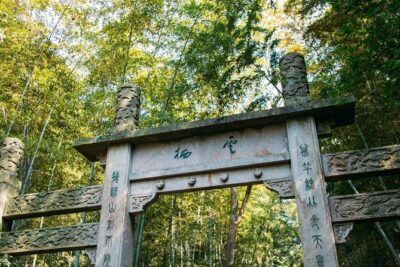
Half-Day Hangzhou Yunxi Bamboo Forest and Tea Plantation Experience
Read our review →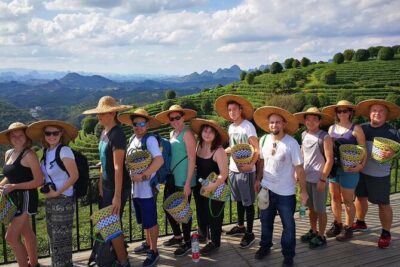
Half-day Tour: Largest Tea Plantation & Amazing Xianggong Hill
Read our review →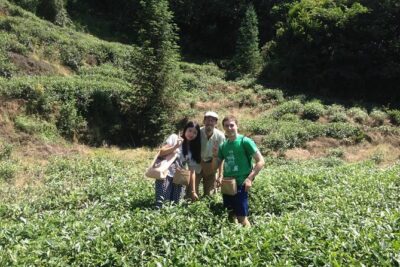
Experience Chengdu: Private Tea-Making Day Tour of Mengdingshan Tea Plantation
Read our review →
Private Tour: Yao Mountain and Tea Plantation from Guilin
Read our review →
Private Tour Hangzhou West Lake and Tea Fields Discovery
Read our review →
Full-day Tour: Spectacular Sunrise, Tea Plantation & Sunset
Read our review →Browse the lists this tour appears in