
Review · UJI
Slow Cycling Tour at Uji’s Matcha Green Tea Fields and Heritage
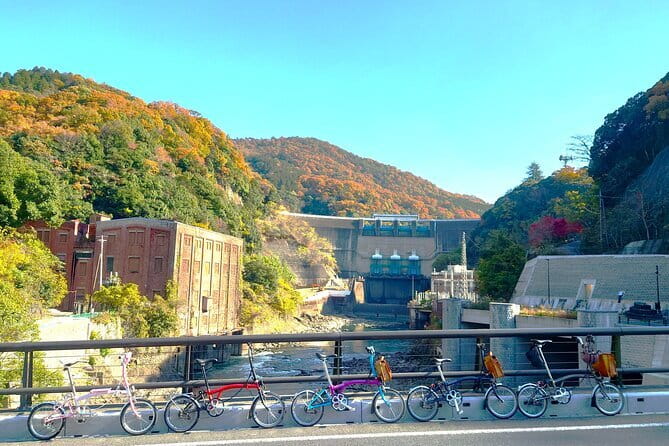
Uji is best enjoyed at bicycle speed. South of Kyoto, this small city brings together matcha culture, old shrines, river views, and quiet temple paths, and this four-and-a-half-hour tour links them with a local English-speaking guide and a stylish BROMPTON bicycle.
I like the small group size, capped at six people, because it leaves room for questions and route changes. I also like the gentle pace: you do not need to be a serious cyclist to enjoy the town, and all riding equipment is provided.
The main consideration is cost. At $130.46 per person, this is not a cheap way to rent a bike, especially since tea-center admission, Byodo-in admission, food, and optional insurance cost extra. You are paying for the guide, local route planning, and access to a fuller Uji experience.
Five things to know before booking
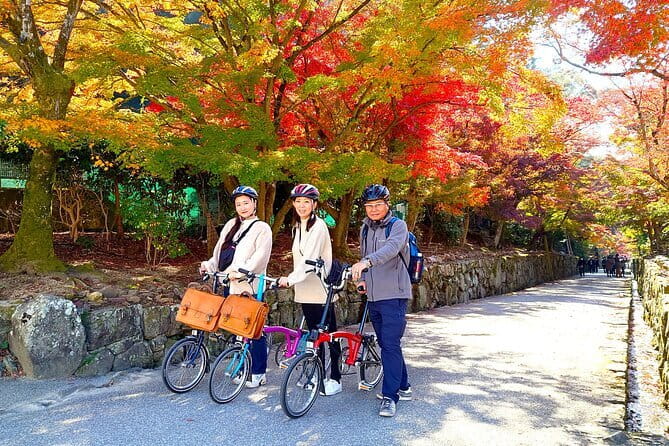
- The tour uses BROMPTON bicycles: These compact, well-known folding bikes make the ride part of the experience and provide a fun photo opportunity.
- The route covers more than matcha shops: You visit shrines, a Zen temple, river bridges, a nature trail, and the area around Amagase Dam.
- The group is limited to six: A small party makes it easier to adjust the route to your interests and cycling comfort.
- The pace is deliberately easy: The tour is designed for people who want to see more of Uji without treating the day as an athletic challenge.
- Food and tea can be added naturally: Your guide can suggest restaurants and tea shops based on what you want to eat.
- Takashi has made a strong impression: Several tour experiences praise his friendly manner, clear explanations, and ability to combine history, scenery, and local food.
Why Uji works so well by bicycle
Uji is easy to reach from Kyoto, but it feels like a change of scene. The city is famous for powdered green tea and other tea products, yet it also has shrines and temples that reach back more than 1,000 years. By bicycle, you can connect these places without spending the day moving between train stations and crowded roads.
I like the slow-cycling idea here because Uji is not a place you need to rush through. The Uji River, temple approaches, narrow local routes, and tea businesses all reward a measured pace. A guide can also point out details that are easy to miss when you are simply following signs to Byodo-in.
The tour begins at 10:00 a.m. near Uji Station, at Chatsubo PostboxJapan. It returns to the same meeting point after about four hours and 30 minutes. Since the route is arranged with a navigator who knows the area, you can ask for a little more history, scenery, food, or tea culture when the plan allows.
The maximum group size is six. That matters here. A large cycling group can turn a quiet town ride into a traffic-management exercise, while a small party can stop at a bridge, temple gate, or tea shop without creating much fuss.
More Green Tea Tours in Japan
- Uji: Green Tea Tour with Byodoin and Koshoji Temple Visits
★ 4.8 · 72 reviews - Kyoto Matcha Green Tea Tour
★ 4.5 · 23 reviews - Uji Tea Ceremony and UNESCO Heritage Walking Tour
★ 5.0 · 20 reviews
Starting at Chazuna and understanding Uji tea
The first planned stop is Tea and Uji Community Center, Chazuna. Admission is not included, and the optional entrance fee is 600 yen. The center explains Kyoto’s tea culture and the role Uji has played in tea production.
This is a useful opening because it gives the rest of the ride some context. Once you understand how important tea is to Uji, the shops, tea drinks, and references to cultivation make more sense. A matcha fan will probably find this stop especially worthwhile, while someone less interested in tea may prefer a shorter visit.
The tour is not just a ride between famous sights. It connects the local product that made Uji famous with the city’s older religious sites. That combination is one of the strongest reasons to choose this experience instead of renting a bike without a guide.
Uji Shrine and Ujigami Shrine
The route continues to Uji Shrine, a historic shrine said to be more than 1,700 years old. It is associated with academic success and childbirth, giving the site a living role beyond its architecture and age. Admission is free.
Nearby Ujigami Shrine forms a pair with Uji Shrine. A spring called Kirihara Water, one of Uji’s seven famous waters, still flows from the grounds. This is a good example of why a local guide helps. The spring is not simply another photo stop. It links the shrine to the traditional importance of clean water in a tea-producing area.
You should expect about 30 minutes at each shrine. That is enough time to look around and hear the main story without turning the tour into a long temple-study session. If you want extended time for prayers or detailed photography, you may need to tell the guide early, since the itinerary continues toward the river and surrounding hills.
Asagiri Bridge and the Uji River
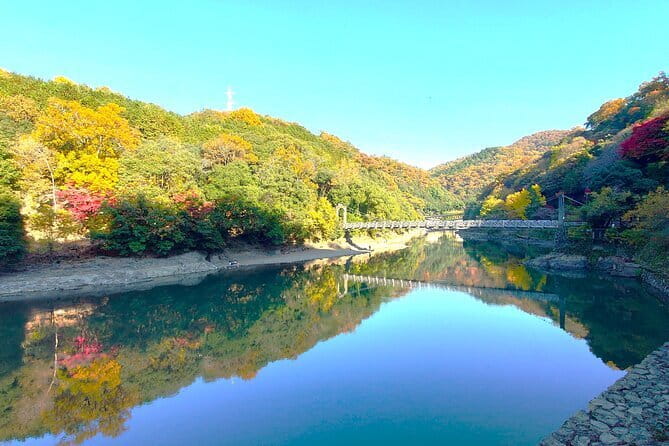
Asagiri Bridge is scheduled as a short 15-minute stop, but it may become one of the most memorable moments of the ride. The bridge crosses the Uji River and provides a natural place for photographs.
This is where the bicycle format earns its keep. You can arrive, pause for views, and move on without dealing with a bus or a long walk from a distant drop-off point. The bridge also gives you a clear sense of Uji’s setting, with water and wooded hills replacing the tighter streets of central Kyoto.
Do not expect a long riverside break at this point. Fifteen minutes is enough for photos and a quick look, but the more extended nature portion comes later near Amagase Dam.
More Matcha Experiences in Uji:
- Kyoto: Tea Museum Tickets and Matcha Grinding Experience
★ 4.9 · 739 reviews - Uji and Wazuka Matcha Farm Half Day Private Guided Tour
★ 5.0 · 21 reviews - Kyoto tea town for matcha lovers
★ 5.0 · 16 reviews - Half Day Matcha Tour in Uji, home of culture, with a local
★ 4.8 · 14 reviews
Koshoji Temple and the stone path to the gate
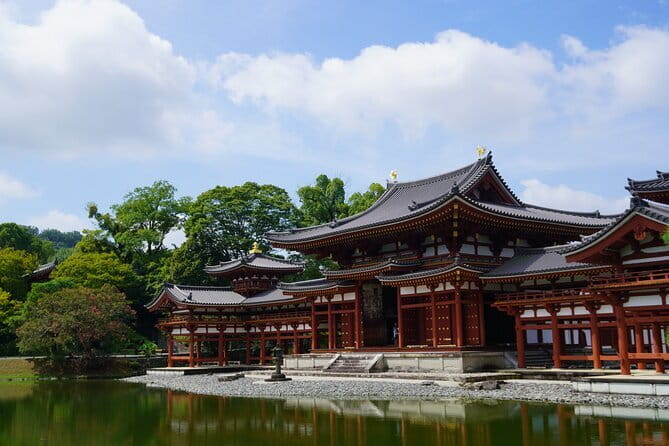
Koshoji is a Zen temple with about 800 years of history. The approach called Kotosaka runs from the stone gate toward the temple grounds and is known for its stone walls and attractive path.
The stop lasts about 30 minutes and is free of charge. It adds a quieter, more reflective section to a day that also includes tea education and open river views. The approach itself is part of the appeal, so do not treat the temple as just another building to tick off.
Cycling tours can sometimes feel focused only on covering distance. This one uses the bicycle to reach places where you then slow down and walk or look around. That change of rhythm is important. You ride between places, but the best stops are not rushed cycling sightseeing.
Amagase Dam and the longer nature section
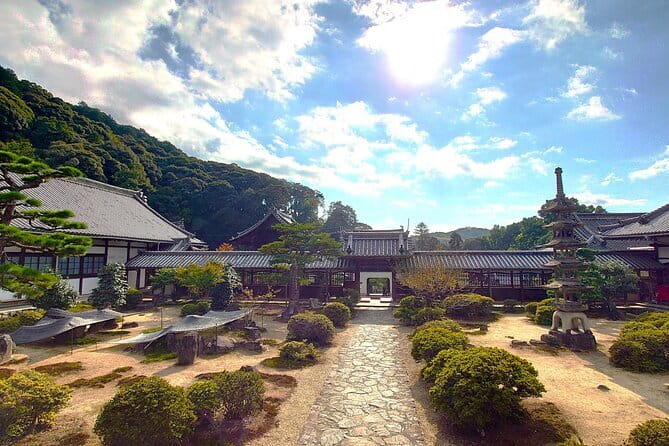
The longest stop is Amagase Dam, with about one hour set aside. A nature trail follows the Uji River toward the wooden Amagase Bridge, where the valley views are quiet enough to make Kyoto’s noise feel far away.
This portion gives the tour its strongest contrast. Uji is known for tea and historic sites, but the route also reaches a calmer, more natural setting. One account of the tour described riding along shady paths during hot summer weather, which suggests that this section can be more comfortable than an exposed city ride. Still, weather will affect how pleasant the ride feels.
The route requires some cycling and should not be confused with a completely effortless sightseeing trip. The tour is described as suitable for people who are not confident about their fitness, but you should still be comfortable riding a bicycle for part of the morning. If you are worried about your stamina, tell the navigator at the start. The route can be arranged around your wishes.
Amagase Dam is also the point where the slow format makes practical sense. You have time to stop, look, and take photographs rather than racing through the area to stay with a fixed vehicle schedule.
Returning through Byodo-in Omotesando
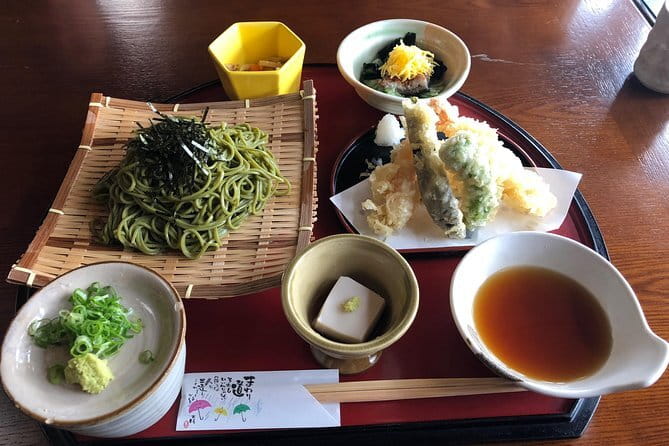
The final hour brings you back toward the city and Byodo-in Omotesando, the approach street leading toward one of Uji’s best-known sights. You can visit Byodo-in’s Phoenix Hall, a UNESCO World Heritage Site, or stop at one of Uji’s distinctive tea shops.
Byodo-in admission is not included. The Phoenix Hall entrance fee is listed as 700 yen, so budget for that if you want to go inside. The tour does not force the choice, which is helpful because you may prefer a tea drink, a shop visit, or more time around the street.
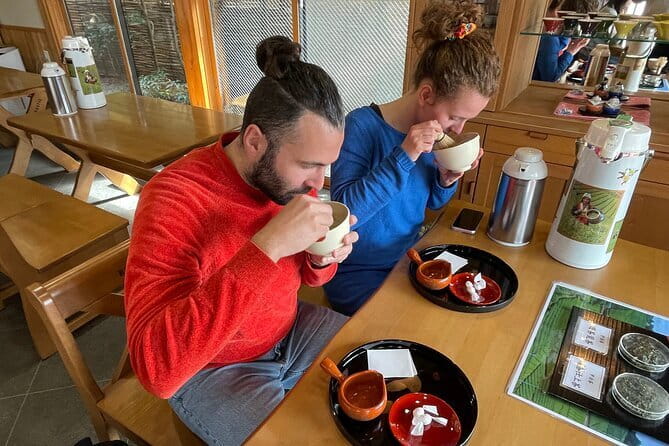
A matcha drink is a natural way to finish. One tour experience included a matcha drink at the end, while another included a stop for lunch at a vegan and gluten-free restaurant. These details show the value of telling the guide what you want. Food is not included, but the navigator can suggest restaurants according to your preferences.
You should not assume a full meal is part of the $130.46 price. Plan to pay separately for lunch, snacks, and drinks. The benefit is flexibility rather than a fixed restaurant menu.
What makes the BROMPTON bicycle useful
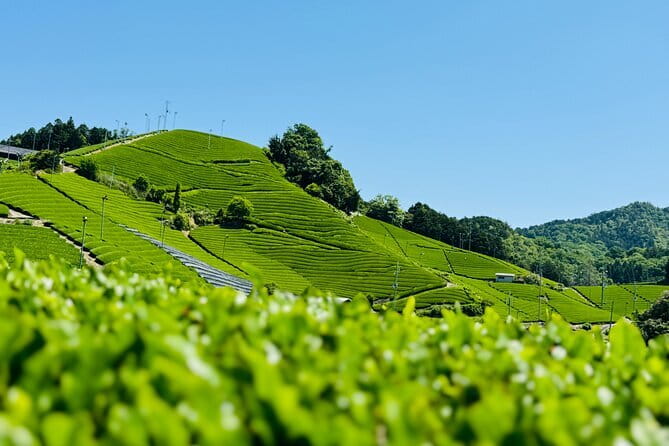
The bicycle is not just transport. BROMPTON bikes are compact folding bicycles, and their distinctive shape adds some personality to the ride. The tour specifically encourages photos with the bike, which may appeal to anyone who enjoys design, cycling, or a more memorable travel picture.
All riding equipment is included. That covers the bicycle and equipment such as helmets and bags for wheeled transport. You do not need to bring your own riding gear.
The phrase slow cycling is important. This is not built around speed, distance, or athletic performance. The point is to move between Uji’s sights comfortably, with time to stop and listen. That makes the experience a good fit if you want exercise without making exercise the main event.
It is still wise to wear comfortable clothing and shoes suitable for both cycling and temple visits. The tour information does not specify a dress code, but you will be moving between religious sites, paths, bridges, and shops.
The guide can shape the day
The English guide is included, as is the exclusive navigator fee. The route can be adjusted according to your wishes, which is one of the more useful features of the experience.
Takashi is the guide most often associated with the tour experiences supplied for this outing. He is praised for being friendly, fun, and clear when explaining Uji’s history and tea culture. He also handled a private ride for a couple, showing the kind of small-group setting in which a guide can give personal attention.
The strongest feedback centers on the combination of information and good company. The guide does not simply point out temples. He connects the museum, tea production, shrines, river paths, food, and matcha into one day. That makes a difference in Uji, where the sights are appealing but spread across different parts of town.
Since the group can include up to six people, the experience may be shared rather than private. If you want a private tour, ask about availability before booking rather than assuming the standard price includes exclusive use.
Is $130.46 good value?
At $130.46 per person, the tour costs more than an independent bicycle rental. The price includes the BROMPTON bicycle, helmet, transport bags, English guide, navigator service, and a planned route lasting about four and a half hours.
I think the value depends on what you want from Uji. If you only need a bicycle to reach Byodo-in, renting independently will likely cost less. If you want tea context, historical explanations, a route toward Koshoji and Amagase Dam, and help choosing food or tea stops, the higher price is easier to justify.
Extra costs matter. Insurance is optional at 500 yen. Chazuna costs 600 yen if you enter, and the Phoenix Hall entrance fee is 700 yen. Food and drinks are also separate. The tour can therefore become noticeably more expensive than the headline price once you add the stops and refreshments you choose.
The included flexibility helps balance that cost. You are not only paying for wheels. You are paying for a local person who can adjust the route and help you see more of Uji in one morning than you might manage alone.
Who should book this Uji bike tour?
I would recommend it to matcha fans, first-time Uji visitors, couples, families with comfortable cyclists, and anyone who wants a slower day away from central Kyoto. It also suits people who enjoy local food and want guidance toward a vegan or gluten-free option.
The tour is a good choice if you are unsure about your fitness but still want to ride. The slow pace and small group help, though you should be able to participate in a four-and-a-half-hour outing that includes cycling and stops on foot.
I would be more cautious if you want a tightly scheduled sightseeing checklist, a completely private tour at the standard rate, or a low-cost bike rental. I would also check the forecast carefully. The experience requires good weather, and poor conditions can lead to a new date or a full refund.
Free cancellation is available up to 24 hours before the 10:00 a.m. start time. Cancellations or changes inside that window are not refunded or accepted. Confirmation arrives within 48 hours, subject to availability.
Should you book it?
Book this tour if you want Uji to feel like a place rather than a single famous temple. The best parts are the mix of tea culture, free shrines, Koshoji’s stone approach, the Uji River, and the peaceful route toward Amagase Dam.
Skip it if your main goal is simply to see Byodo-in as cheaply as possible. For everyone else, especially anyone who likes food, local history, gentle exercise, and small groups, the tour offers a thoughtful way to spend half a day in Uji.
FAQ
Where does the tour start?
It starts at Chatsubo PostboxJapan near Uji Station, at 1716 Umonji, Uji, Kyoto 611-0021.
What time does the tour begin?
The tour starts at 10:00 a.m.
How long does the experience last?
The tour lasts approximately four hours and 30 minutes.
Where does the tour end?
It ends back at the meeting point near Uji Station.
Is bicycle equipment included?
Yes. The price includes the BROMPTON bicycle, bicycle rental, helmets, bags for wheeled transport, and other riding equipment.
Are entrance fees included?
No. Chazuna admission is an optional 600 yen, and the Byodo-in Phoenix Hall entrance fee is 700 yen. Uji Shrine, Ujigami Shrine, Koshoji Temple, and Amagase Dam have no admission fee listed.
What happens if the weather is bad?
The experience requires good weather. If it is canceled because of poor weather, you can choose another date or receive a full refund.
More Tea Plantation Tours in Uji
- From Taipei: Thousand Island Lake and Pinglin Tea Plantation
★ 4.7 · 519 reviews - Active Volcano, Rice Field, Hot Spring, Fruit market, Tea Plantation with Lunch
★ 5.0 · 513 reviews - Furnas: Tea Plantations, Lake and Volcano Guided Tour
★ 4.8 · 511 reviews - São Miguel: Furnas Volcano & Tea Plantation Tour with Lunch
★ 4.9 · 375 reviews
More Green Tea Tours in Uji
- Experience all of Japanese culture and Japanese food experience classes “origami, udon, Japanese food, green tea, calligraphy” in 4 hours
★ 5.0 · 105 reviews - Scenic Green Tea Fields of Hidden Kyoto & Local Tea Exp (Private)
★ 5.0 · 32 reviews - Osaka; Japanese Tea ceremony experience, Macha and Sencha
★ 4.9 · 29 reviews - Kyoto Matcha Green Tea Tour
★ 4.7 · 28 reviews
Just added around Uji
- Kyoto tea town for matcha lovers★ 5.0 · 16 reviews
- Uji: Private immersion into Kyoto’s tea and reglious culture★ 5.0 · 17 reviews
- Uji Tea Ceremony and UNESCO Heritage Walking Tour★ 5.0 · 20 reviews
- Uji and Wazuka Matcha Farm Half Day Private Guided Tour★ 5.0 · 21 reviews
- Kyoto Matcha Green Tea Tour★ 4.5 · 23 reviews
- 7 Hours Private Guided Tour Uji and Wazuka Matcha Farm★ 5.0 · 2 reviews
- Utilising upcycled Matcha! Creating matcha incense (Uji, Kyoto)★ 5.0 · 6 reviews
- Half Day Matcha Tour in Uji, home of culture, with a local★ 4.8 · 14 reviews
Green Tea Tours in Japan, compared.

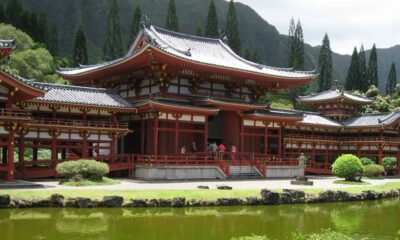
Green Tea Tour with Byodoin and Koshoji Temple Visits
Read our review →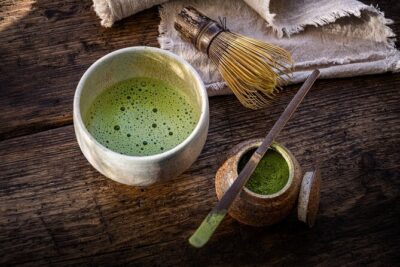
Scenic Green Tea Fields of Hidden Kyoto & Local Tea Exp (Private)
Read our review →
Osaka; Japanese Tea ceremony experience, Macha and Sencha
Read our review →
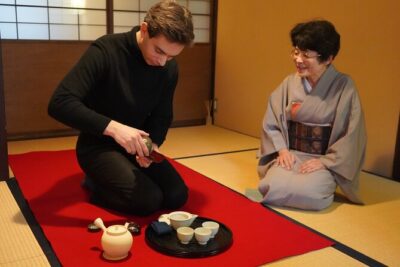
Sencha-do the Japanese Tea Ceremony Workshop in Kyoto
Read our review →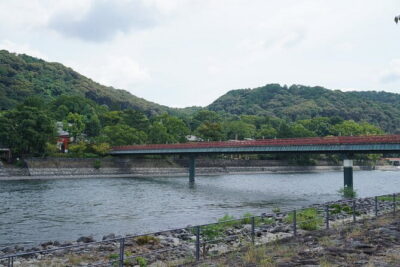
Uji Tea Ceremony and UNESCO Heritage Walking Tour
Read our review →Browse the lists this tour appears in