
Review · ESSAOUIRA
Walk to the cascade and marabout of Sidi Mbark & for a tea to Kaouki.
Quiet beaches, a village welcome, and a walk into Morocco’s dry south make this half-day trip more than a simple sightseeing drive. From Essaouira, you travel about 35 kilometers to Sidi Mbark, then walk through dunes, fields, and coastal terrain to a small cascade and the old marabout of Sidi Mbark.
I like the lonely beach and varied scenery, which give you a real taste of the countryside beyond Essaouira. I also like the tea ceremony in a local home, often served with Moroccan bread, fruit, nuts, and dips. The main consideration is the walking: rocky ground, small climbs, and heat can make this tougher than the relaxed four-and-a-half-hour schedule suggests.
Key points before you book
- The walk combines dunes, beach, river, rocks, and a village visit rather than focusing on one single sight.
- The Sidi Mbark cascade may be nearly dry, especially after years of drought, but the setting remains scenic.
- Tea at a Berber family home is the emotional high point, with warm hospitality and simple local food.
- The walking route can be demanding, with one version described as about 6 kilometers and another outing reaching 17 kilometers.
- A donkey can help tired children or adults, but it costs 150 Moroccan dirhams in cash and must be arranged in advance.
- The group is limited to eight people, and private transportation is included.
Leaving Essaouira for Sidi Mbark
The excursion begins at Labo Abdelkrim Khatabi d’Analyses Médicales on Rue Oued El Makhazine in Essaouira. From there, private transport takes you south toward Sidi Mbark, a small Berber village surrounded by dry country, argan trees, dunes, and the Atlantic coast.
The drive matters because this trip is not just a walk from a nearby resort area. You leave Essaouira’s medina and coastal streets behind, passing through the argan-growing zone and rural settlements. The change is gradual, but useful. You get a look at the less polished side of the region, where small amounts of water support crops in an otherwise dry setting.
The group can include no more than eight people. That is a good size for a walking excursion. You can hear the guide, ask questions, and keep a more natural pace than you would with a large coach group. Guides connected with this experience have included Faycal, Faassel, Malika, Naïma, Haima, and Claudia. The exact guide depends on the date, but the feedback consistently places great importance on clear explanations, good humor, and attention to walking speed.
On the way south, you might see the famous goats climbing argan trees. This is not guaranteed, and it should not be the reason you book the outing. Think of it as a lucky roadside sight, not a scheduled stop.
More Walking Tours in Morocco:
- Marrakech: Medina by Night Walking Tour with Moroccan Tea
★ 4.6 · 586 reviews - Walk to the cascade and marabout of Sidi Mbark & for a tea to Kaouki
★ 5.0 · 14 reviews - Great Ocean Road Tour Plus Koalas, Forest Walk and Morning Tea
★ 4.5 · 1,068 reviews
Walking through dunes and along the Atlantic
The route begins near the coast and continues through a striking mix of sand, open fields, and rough ground. The most appealing part for me is the sense of space. You may walk along a broad, quiet beach with few or no other people in sight, then turn inland toward the stream and the rocky area around the cascade.
The scenery changes often. Yellow sand, blue sea, green plants, and pale rock create the colors that make this part of the coast memorable. The stream is especially interesting because it brings water into a very dry area. Depending on recent rain, it can help irrigate nearby crops and form a small cascade.
The walking details need careful attention. One description gives about 40 minutes to reach the cascade and 30 minutes to return, with stops along the way. A fuller route is described as approximately 2.5 hours and 6 kilometers, including dunes, beach, the cascade, the marabout, and the climb to the village. A separate outing reached 17 kilometers, so the exact route can change.
I would ask the operator about the planned distance when booking, especially if you have children, limited stamina, or concerns about uneven ground. The walk includes small climbs and rocky sections. One person became too tired near the family home and needed a donkey to complete the final stretch. That story ended well, but it is a useful warning to take the physical rating seriously.
Wear closed shoes with a firm sole. Bring water, sun protection, and a hat. The coast can feel cool and breezy, yet the walk itself can still be tiring, particularly in warm weather. The route is not presented as a technical hike, but it is also not a flat promenade.
Sidi Mbark’s cascade and old marabout
The destination is a quiet coastal corner where a sand dune, a small river, a large rock, and the bay meet. The setting is more important than the size of the waterfall. This is a small cascade, not a major natural attraction, and its flow depends on rainfall.
Morocco’s continuing drought has left the cascade almost dry at times. You might see only a thin trickle, or no falling water at all. The trip still works because the surrounding scene remains attractive, with the stream, beach, dune, rock, and open sea forming a pleasant place to pause.
Nearby is the old marabout. In Moroccan tradition, a marabout is connected with the spirit or resting place of a saint or wise person. The structure and rocks offer a glimpse into older local customs, but this is not a formal museum visit with extensive interpretation. Its appeal comes from the remote setting and the way it sits above the bay.
Your guide can add context about the place and the countryside. That human explanation is useful here. Without it, you might see only a small building beside rocks and water. With some background, you can better understand why this spot mattered to the village and how scarce water shapes life in the area.
If seeing a strong waterfall is your main goal, choose your season carefully and lower your expectations. If you want a scenic walk with cultural context, the cascade remains worthwhile even when dry.
Climbing to the village for mint tea
After the coast and cascade, the route turns uphill toward the village. This is where the physical effort can catch up with you, but it is also where the outing becomes most personal.
At a local home, you take part in a traditional tea ceremony. Mint tea is served with Moroccan bread and, depending on the visit, fruit, nuts, and dips. The food is simple, but the setting gives it meaning. You are not stopping at a café designed for passing tour groups. You are receiving hospitality in a family home, with time to sit, recover, and talk.
This tea stop receives the strongest praise for good reason. The walk gives you scenery, but the home visit gives you a direct connection with village life. It also makes the trip feel less like a checklist of sights. You have crossed the dunes and beach, reached a remote religious site, climbed to the village, and then shared a table with local people.
The ceremony may be especially memorable during a local holiday. One spring visit coincided with Eid al-Fitr, when a family welcomed the group with tea. That kind of timing cannot be promised, but it shows how the visit can take on a more personal character.
Do not expect a full restaurant meal as part of the standard trip. The included service is coffee and/or tea, with the traditional ceremony. Some visits have included a generous spread of bread, fruit, nuts, and dips, while other versions may be lighter. If you need a substantial lunch, ask ahead rather than assuming the tea stop will cover it.
A few more tea experiences around Morocco worth a look
- Around Marrakech: Camel Ride in Palm Groves including Tea
★ 4.4 · 1,245 reviews - Marrakech: Pottery Workshop with Moroccan Tea
★ 4.8 · 756 reviews - Tangier: Sunset, Tea, Sweets, Camel Ride, and Hercules Caves
★ 4.9 · 575 reviews - Marrakech: Agafay Desert Quad Bike Tour with Moroccan Tea
★ 4.6 · 216 reviews
The optional argan oil cooperative
The return journey passes through Morocco’s argan-growing area. You may have the option to visit an argan oil cooperative, where you can learn how the oil is produced and taste products made from it.
Argan oil is closely tied to this part of Morocco. A cooperative visit adds useful local context, especially if you have seen argan products in shops but never learned how they are made. The stop can also help you understand why the trees and their products matter to rural families.
This is an optional element, so the timing may depend on the group and the day’s schedule. It should not be treated as the main attraction. The main experience is the walk and village tea. Still, the cooperative is a sensible addition if you want to connect the countryside you have just crossed with one of the region’s best-known products.
How much value do you get for $52.34?
At $52.34 per person, the price is reasonable if you value private transport, a small group, a guided walk, and a local home visit. You are paying for more than a ride to a viewpoint. The excursion combines transport from Essaouira, a guide, access to a remote walking route, the tea ceremony, and the chance to add an argan oil stop.
The value depends on what you want from a half-day outside town. If you only want a waterfall, the price may feel less appealing, especially during a dry period. The cascade can be almost dry, and the walk takes effort to reach a modest sight.
If you want several experiences in one outing, the price makes better sense. You get coastal scenery, dunes, a quiet beach, a small stream, a marabout, a Berber village, and tea with a family. Private transportation also saves you the trouble of arranging your own route to Sidi Mbark.
The group limit of eight improves the value. You are less likely to spend the day waiting for a large group, and the guide can respond to different walking speeds. That matters on a route with rocks and climbs.
The donkey is not included. It costs 150 dirhams, paid in cash on the day, and must be booked by private message. If you are traveling with children who may tire, arrange this before departure rather than treating it as a guaranteed last-minute option.
Who will enjoy this Essaouira excursion?
I would recommend this trip to anyone who wants to see the countryside south of Essaouira without arranging transport and a guide separately. It suits people who enjoy walking, broad coastal views, rural settings, and contact with local families.
It is also a good choice for visitors who have already explored the medina and want a quieter day outside town. The beach can feel wonderfully empty, and the route offers a very different view of the region from the usual port, ramparts, and market streets.
Families can enjoy it, but parents should judge their children’s stamina honestly. The donkey option helps, though it comes at an extra cost. The route is also a good fit for people who like natural scenery but do not need a dramatic waterfall or a tightly scheduled list of monuments.
I would be more cautious if you dislike uneven ground, struggle with small uphill sections, or want a fully relaxed sightseeing day. The schedule is only about four and a half hours, but the walk can feel longer in heat or after rain has made the ground awkward.
The experience is also weather dependent. If poor weather forces cancellation, you can be offered another date or a full refund. Free cancellation is available up to 24 hours before the start time. The excursion also requires a minimum number of people, so ask about alternatives if the departure is canceled for that reason.
Practical advice for a better day
- Ask about the route length before departure. The published versions range from a shorter walk to a route of about 6 kilometers, while another outing reached 17 kilometers.
- Bring water and sun protection. The route crosses exposed dunes and beach.
- Wear proper walking shoes. Rocks and small climbs are part of the experience.
- Carry some cash. You will need cash if you arrange the 150 dirham donkey service.
- Expect the cascade to vary. Rainfall determines how much water you see.
- Keep an open schedule around the tea visit. The family welcome is a central part of the outing, not a rushed refreshment break.
- Ask about the argan cooperative. It is an option, not the central promise of the excursion.
- Confirm the meeting point. The tour starts at Labo Abdelkrim Khatabi d’Analyses Médicales, 287 Rue Oued El Makhazine, and returns there.
Should you book the Sidi Mbark walk?
Book it if you want a small-group countryside outing with a real local welcome. The quiet beach, changing scenery, old marabout, and tea in a family home create a satisfying half-day beyond Essaouira. Guides such as Faycal, Faassel, Malika, Naïma, Haima, and Claudia have been praised for warmth, explanations, and care with the group’s pace.
Think twice if your priority is a flowing waterfall or an easy walk. Drought may leave the cascade nearly dry, and the rocky route can be strenuous. For most reasonably fit visitors who pack water, wear good shoes, and treat the tea ceremony as the main reward, this is a strong-value way to meet the countryside around Essaouira.
FAQ
How long does the Sidi Mbark excursion last?
The excursion lasts approximately four hours and 30 minutes, including transportation, the walk, stops, and the tea visit.
How far is Sidi Mbark from Essaouira?
Sidi Mbark is about 35 kilometers south of Essaouira.
How long is the walk?
The route descriptions vary. One version gives about 40 minutes to the cascade and 30 minutes back, while another describes approximately 2.5 hours and 6 kilometers. A separate outing reached 17 kilometers, so confirm the planned route when booking.
Is the cascade guaranteed to have water?
No. The cascade depends on seasonal rainfall and may be nearly dry because of drought. The surrounding coast, dunes, stream, rocks, and marabout are still part of the visit.
Is tea included?
Yes. Coffee and/or tea and a traditional tea ceremony are included. The ceremony takes place at a local home, where you may also receive Moroccan bread, fruit, nuts, and dips.
Can I arrange a donkey for a child or tired walker?
Yes. The donkey costs 150 Moroccan dirhams, paid in cash on the day, and must be arranged by private message in advance.
Just added around Morocco
- Private Quad Biking Safari In The Palm Grove Of Marrakech And Berber Home Tea★ 5.0 · 3 reviews
- Desert Sunset Camel Ride With Free Tea in The Desert Camp★ 5.0 · 3 reviews
- Sunset Sandboarding & Mint Tea in Timlaline Dunes★ 5.0 · 5 reviews
- Agadir Quad ATV Adventure Tour with Berber Tea Experience★ 5.0 · 18 reviews
- Marrakech: Agafay Desert Quad Bike, with Pool swim Lunch Tea★ 5.0 · 5 reviews
- Fez Outdoor Adventure: Quad Ride, Camel Photo & Mint Tea★ 5.0 · 2 reviews
- Agadir/Taghazout: Sandboarding & Sunset Tea with Fire Show★ 5.0 · 6 reviews
- Argan Forest, tea time at a Berbers family & Visit of an Argan cooperative.★ 5.0 · 21 reviews
Walking Tours, compared.
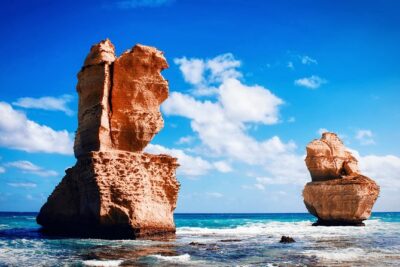
Great Ocean Road Tour Plus Koalas, Forest Walk and Morning Tea
Read our review →

Great Ocean Road 12 Apostles & Rainforest Walk with Morning Tea
Read our review →

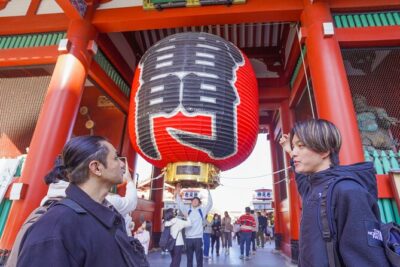
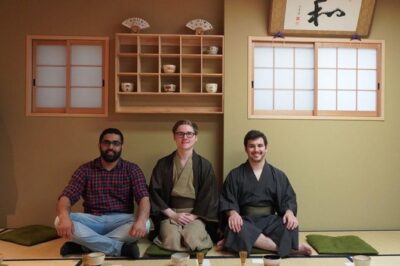
Kyoto Tea Ceremony & Kiyomizu-dera Temple Walking Tour
Read our review →
Antalya: Old Town Walking Tour with Turkish Tea and Baklava
Read our review →Browse the lists this tour appears in