

Review · KENYA
Tea Farm Experience at Riara Tea Farm And Factory Tour
Tea tastes better after you see its journey. Riara Tea Farm gives you a close look at hand-picked Kenyan tea, from nursery preparation and field work to factory processing, grading, and packing. I like the farm’s peaceful setting and its strong green practices, especially rain-fed growing, no pesticide spraying, and tree cover across part of the property. I also like that lunch uses ingredients from the farm garden. The main drawback is timing: the factory does not operate on Mondays, so your visit may include an explanation of the process without seeing tea actually being processed.
This is a six-hour outing from Nairobi, priced at $130 per person, with transport, lunch, drinks, a guide, and entrance costs included. I would choose it for a personal look at Kenyan agriculture rather than a quick tasting stop. The factory visit is educational, the owner gives the welcome a warm family feel, and the views can reach toward Nairobi, the Ngong Hills, the Yatta Plateau, and, on a clear day, Mount Kenya.
Key points at a glance
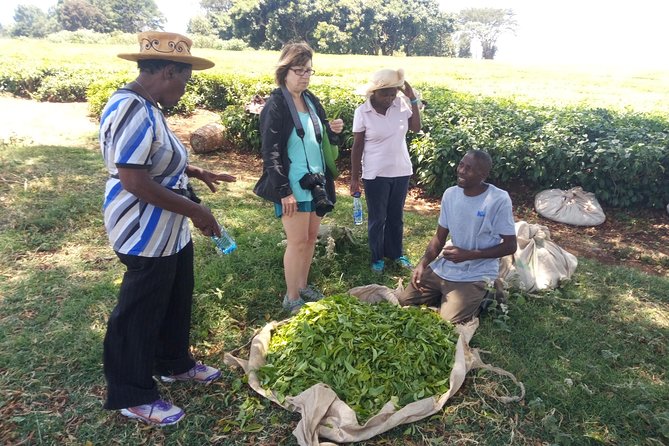
- Tea from nursery to packet: Follow the crop through planting, harvesting, processing, grading, and packaging.
- No pesticide spraying: The farm uses rain-fed agriculture and avoids chemical pesticide spraying on the tea plantation.
- Hand-picked leaves: Picking by hand supports local employment and gives you a direct look at traditional farm work.
- Wide Central Kenya views: Look across neighboring tea farms toward Nairobi, the Ngong Hills, and the Yatta Plateau.
- Farm-grown lunch: Expect a meal made with ingredients from the garden, followed by Kenyan tea and other refreshments.
- Important Monday warning: The factory does not operate on Mondays, so book another day if seeing the machinery in action matters to you.
Why Riara Tea Farm makes a good Nairobi day trip
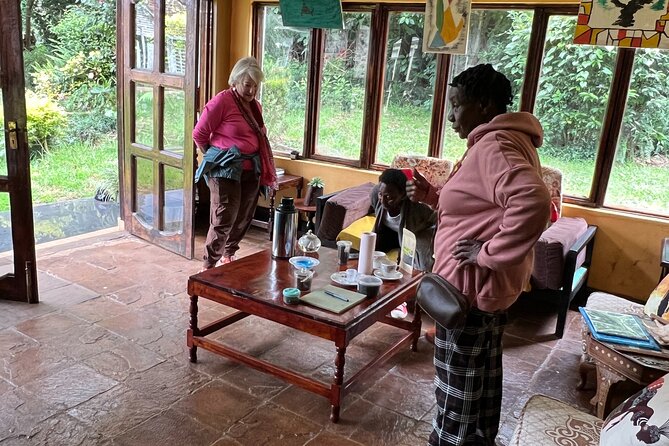
Riara Tea Farm is in Limuru, in Central Kenya, and the trip takes about six hours from pickup in Nairobi County to your return. That is long enough to make the outing feel like a real day in the country, but short enough to fit into a wider Nairobi stay.
I like the balance here. You are not only looking at rows of tea plants, and you are not only sitting through a factory talk. The visit links farming, employment, environmental care, food, and the final product in your cup. That makes the experience useful for first-time visitors who want more context around Kenyan tea.
The price is $130 per person. That is not a bargain-basement farm stop, but it includes hotel pickup and drop-off, a driver and guide, a professional guide, lunch, bottled water, coffee or tea, and all fees and taxes. If you value private transport and a full explanation of the supply chain, the package can make sense. If you only want to walk among tea bushes and take photos, it may feel expensive.
The tour is conducted in English. The lack of a stated group size means you should not assume a private visit unless that is confirmed before booking.
More Tea Plantation Tours in Kenya:
- Nairobi to Kiambethu Tea Farm Tour
★ 5.0 · 51 reviews - Private Day Trip to Kiambethu Tea Farm in Limuru from Nairobi
★ 5.0 · 31 reviews - Day Tour To Kiambethu Tea Farm in Limuru
★ 5.0 · 22 reviews
The ride to Limuru and the first views
Your day begins with pickup in Nairobi County. The drive toward Limuru is part of the experience, since the urban setting gradually gives way to agricultural views and broad stretches of tea country.
Morning light can be especially good across the fields. One visitor found the sight of the tea farms under the morning sun particularly memorable, and that is a useful clue for planning. Ask for an early start if several times are available, since soft light usually makes the views more appealing and leaves plenty of time for the farm and factory.
The first stop includes welcome refreshments, a break, and time for photographs. That pause matters after the road trip. You can get your bearings, take in the setting, and begin the day with tea before the walking and explanations start.
The views are a major part of the appeal. From the farm, you can look toward neighboring farms, the expansive city of Nairobi, the Ngong Hills, and the Yatta Plateau. Mount Kenya may appear on a clear day, but treat that as a bonus rather than a promise.
Walking through a working tea farm
The farm visit is not just a photo stop beside tidy rows. You learn how tea begins in the nursery and how the crop is managed before workers harvest it. The experience gives you a better sense of the daily rhythm behind a product that often arrives in a supermarket box with very little explanation.
The tea is hand-picked rather than mechanically harvested. That approach supports employment and lets you see the human work involved in maintaining the fields. It also gives the visit a useful social angle: agriculture here is not only about output, but also about jobs.
Riara uses rain-fed agriculture. This means the farm does not depend on drawing down underground water aquifers or interfering with surface water flow in the same way an irrigated operation might. The tea plantation also has no pesticide spraying, according to the supplied farm information.
A walk or hike around the property lets you notice the setting at a slower pace. About 30 percent of the farm is covered with trees, including some indigenous species. Birdsong and occasional monkey chatter add a bit of wild character, though you should not expect a wildlife safari. The point is the quiet agricultural setting, not a guaranteed animal encounter.
Wear shoes suitable for a farm walk. The activity includes walking and possibly hiking, but no exact route length or difficulty is provided. If you need a shorter route, ask the guide before setting out.
Seeing the factory process from leaf to packet
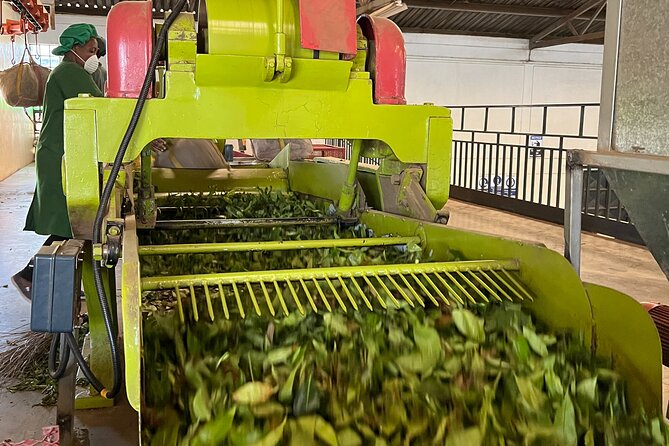
The factory visit is where the tour becomes especially useful. You can learn how tea is processed, graded, and packaged, and how the crop moves through the supply chain after it leaves the field.
The explanations cover more than the finished drink. You can ask about the transition from nursery to plantation, harvesting, processing, and the differences between tea varieties. Purple tea is one variety specifically discussed on the tour, giving you a chance to move beyond the usual black-tea conversation.
One visit included a clear explanation of the full process even though no tea was being processed that day. The reason was simple: the factory does not operate on Mondays. A worker still explained the machinery and production steps, but the experience was more like a guided lesson than a live factory visit.
That is the key practical point. Do not book Monday if moving machinery and active processing are important to you. On another day, conditions may still vary, but the Monday closure is specifically noted. Confirm the operating day when you reserve.
The factory section suits anyone who likes to understand how an everyday product is made. It also helps children and older students connect farming with manufacturing. The visit is not described as a large industrial spectacle, so expect education and access rather than a dramatic production show.
More Tea Factory Tours in Kenya:
- Tea Farm Experience at Riara Tea Farm And Factory Tour
★ 5.0 · 11 reviews - Kyoto: Tea Museum Tickets and Matcha Grinding Experience
★ 4.9 · 739 reviews - Uva Halpewatte Tea Factory Tour in Ella Sri Lanka
★ 5.0 · 653 reviews - Nuwara Eliya: Tea Factory and Pickle Waterfalls Tuk Tuk Tour
★ 4.7 · 113 reviews
A generous welcome and garden-based lunch
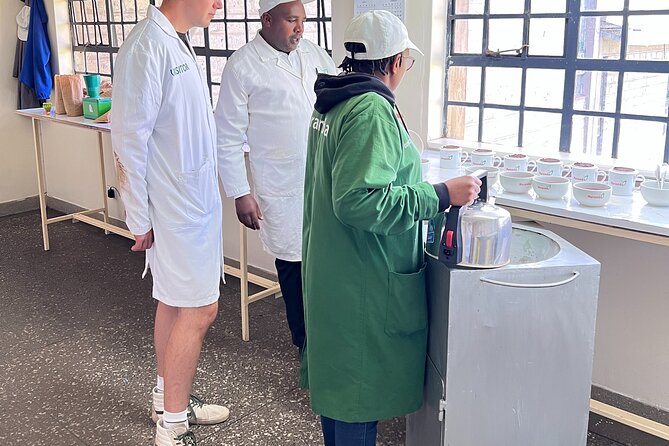
The welcome is a strong part of the experience. The farm owner, whose family connection includes one of Kenya’s national heroes, may greet you personally, and the reception is described as warm and family-oriented.
That personal element changes the tone. Instead of feeling like a quick commercial stop, the farm visit has a sense of meeting people who care about the property and its work. You still get a formal explanation, but there is also room for a more direct connection with the people behind the farm.
Lunch uses ingredients from the garden. That is a small detail with real value because it ties the meal to the agricultural setting around you. The food is described as delicious, and the meal is followed by Kenyan tea, which gives the day a natural finish.
The included drinks are coffee and/or tea, as well as bottled water. Since no specific menu is supplied, do not book this expecting a particular dish or dietary arrangement unless you confirm it in advance.
Tea tasting and what you should notice
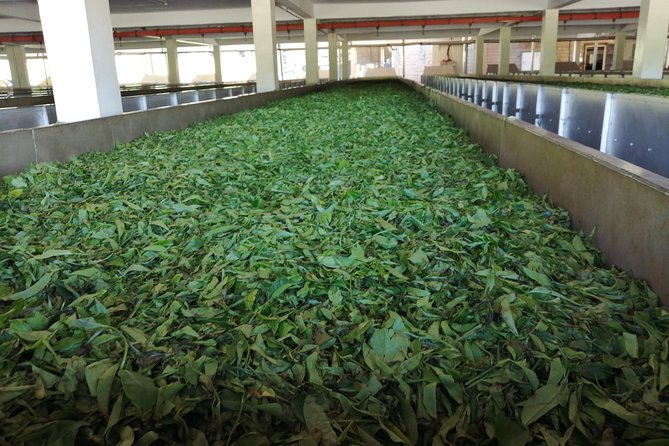
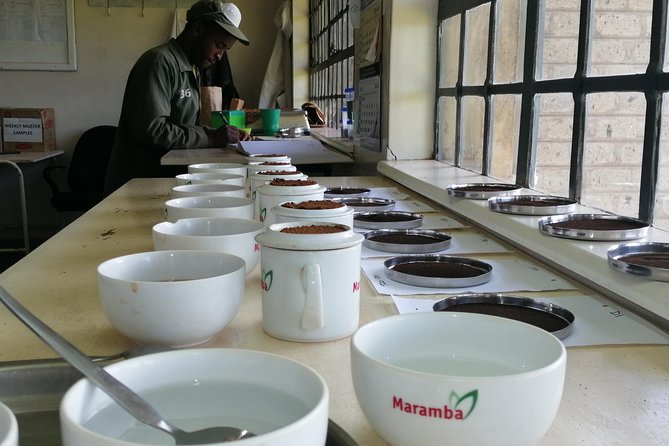
Tea tasting is not simply a final cup added to the schedule. After seeing how the crop is grown and processed, you can pay more attention to the differences among blends and varieties.
The experience includes various tea blends, and Kenyan tea is a central part of the day. Purple tea may also be discussed as one of the varieties grown or connected with the farm. If you already drink tea, this is a good chance to ask how growing conditions, processing, and grading affect the final cup.
I would take the tasting slowly. Notice the color, strength, aroma, and aftertaste. You do not need specialist vocabulary. A simple comparison between two cups can tell you more than a long speech.
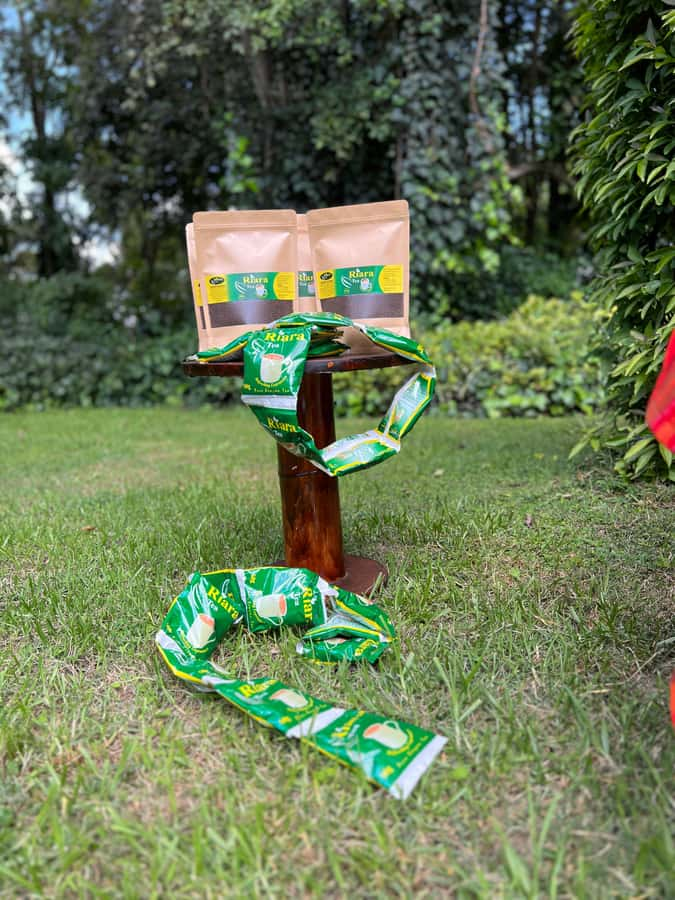
Tea products are not included as purchases. They are available for sale separately, so bring room in your budget if you want to take tea home. The price of those products is not provided.
Environmental practices that give the visit more weight
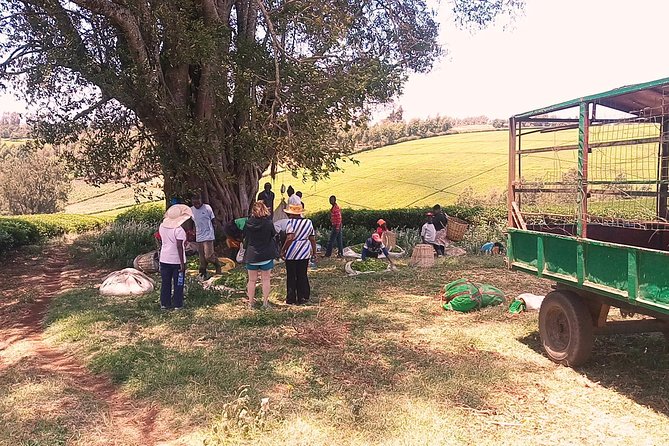
The environmental message here is practical rather than decorative. Rain-fed farming reduces reliance on underground water, while tree cover helps preserve a cooler, more varied farm setting. The no-pesticide approach is also important for visitors who want to support lower-chemical agricultural methods.
Hand-picking has two sides. It supports employment, which is valuable in a labor-intensive rural economy. It also means the farm depends on careful human work rather than relying entirely on machines. The trade-off is that hand harvesting can be slower and more costly, a factor worth remembering when you consider the price of tea.
About 30 percent tree cover is a notable feature of the farm. You get more than a single-purpose field. The trees, birds, and occasional monkey sounds make the walk calmer and give the property a more natural feel.
Still, you should treat the green farming claims as the farm’s stated practices, not as a formal environmental certification. The tour offers useful first-hand context, but it is not presented as a technical sustainability audit.
Is $130 good value?
At $130, this is best judged as a full-day guided outing rather than a simple farm entrance ticket. You are paying for transport from Nairobi, a driver and guide, professional guiding, food, drinks, entry fees, and several linked activities.
The strongest value comes from the range. You see the farm, learn about the growing process, walk or hike, visit the factory, taste tea, eat lunch, and return to Nairobi without arranging separate transport. That is convenient if you are staying in Nairobi and want a rural experience without planning your own route.
The value is weaker if the factory is closed on your chosen day. You still receive an explanation, but you lose the chance to see live processing. For that reason, I would confirm the operating day before paying and avoid Monday if possible.
The tour also suits visitors who prefer a slower, more personal agricultural experience to a crowded attraction. The owner’s welcome and the garden lunch add character that a standard factory-only visit may lack.
Who should book this experience?
I would recommend Riara Tea Farm to:
- Tea drinkers who want to understand production from nursery to packet.
- Visitors based in Nairobi who want a countryside day without arranging their own transport.
- Families and students interested in farming, employment, food production, and environmental practices.
- People who enjoy views, bird sounds, gentle farm walking, and a relaxed meal.
- Anyone curious about Kenyan tea varieties, including purple tea.
I would think twice if your main goal is a long, challenging hike, a guaranteed Mount Kenya view, or a large industrial factory show. The farm provides walking and broad views, but no exact hiking distance is given, and Mount Kenya appears only when conditions are clear.
Free cancellation is available up to 24 hours before the experience for a full refund. You can also reserve and pay later, which helps if your Nairobi schedule is still changing.
Should you book the Riara Tea Farm tour?
Book it if you want a well-rounded look at Kenyan tea, with transport, lunch, a farm walk, factory lessons, and tasting included. The strongest parts are the friendly welcome, the direct explanation of the tea supply chain, the peaceful setting, and the chance to see how environmental choices affect a working farm.
Before you commit, check the date carefully. Avoid Monday if a live factory operation matters to you. Also confirm the walking conditions and any meal needs in advance, since those details are not specified.
For an authentic agricultural day near Nairobi, I would put this on the shortlist. It offers more substance than a quick cup of tea and more personal contact than a standard industrial tour.
FAQ
Where is Riara Tea Farm located?
Riara Tea Farm is in Limuru, in Central Kenya. Pickup and drop-off are provided within Nairobi County.
How long does the tea farm experience last?
The experience lasts six hours, including transport from Nairobi, the Limuru visit, and the return journey.
What is included in the $130 price?
The price includes bottled water, lunch, a driver and guide, a professional guide, hotel pickup and drop-off, coffee and/or tea, and all fees and taxes.
Is the tour conducted in English?
Yes. The live tour guide language is English.
Can I see tea being processed at the factory?
The factory visit explains processing, grading, and packaging. However, the factory does not operate on Mondays, so no tea may be processed during a Monday visit.
Is lunch included?
Yes. Lunch is included, and the meal uses ingredients from the farm garden.
Can I cancel the booking for a refund?
Yes. You can cancel up to 24 hours in advance for a full refund.
More Farm Visits in Kenya
- Nairobi: Tea Farm Day Trip with Lunch at kiambethu
★ 4.0 · 21 reviews - Nairobi: Purple Tea Farm Gatura Greens Day Trip
★ 4.9 · 16 reviews - Kaimbethu tea farm tour and lunch package
★ 4.8 · 14 reviews - Purple Tea Farm Tour from Nairobi City – Specialty Tea Tasting
★ 4.5 · 12 reviews
Just added around Kenya
- Agro-Tourism Tea Workshop in Nandi Hills★ 5.0 · 3 reviews
- Riara tea farm tour with lunch and tea tasting from Nairobi★ 5.0 · 3 reviews
- Purple Tea Farm Tour from Nairobi City – Specialty Tea Tasting★ 4.5 · 12 reviews
- Kiambethu Tea Farm Tour & Lunch From Nairobi★ 5.0 · 7 reviews
- Tea Farm Experience at Riara Tea Farm And Factory Tour★ 5.0 · 11 reviews
- Excursion to Kiambethu Tea Farm★ 5.0 · 6 reviews
- Day tour to Kiambethu tea farm in Limuru from Nairobi★ 4.5 · 2 reviews
- Tea Farm Tour From Nairobi (Kiambethu).★ 4.9 · 10 reviews
Tea Plantation & Farm Tours, compared.
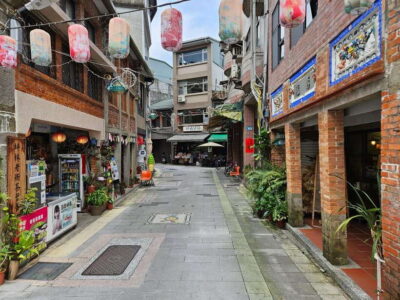
Thousand Island Lake and Pinglin Tea Plantation
Read our review →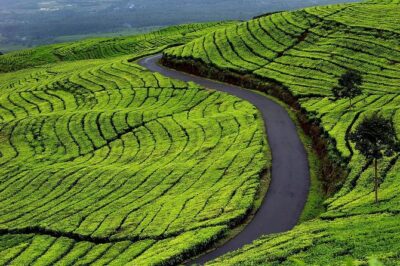
Active Volcano, Rice Field, Hot Spring, Fruit market, Tea Plantation with Lunch
Read our review →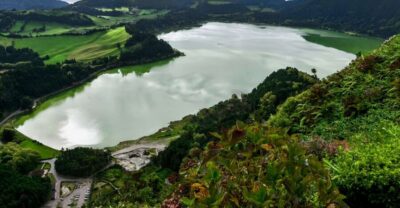
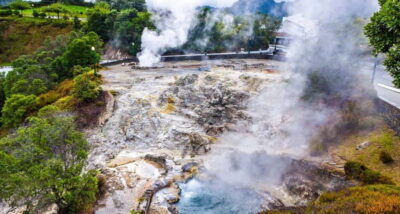
São Miguel: Furnas Volcano & Tea Plantation Tour with Lunch
Read our review →
Furnas Volcano & Tea Plantation With Traditional Lunch, East Tour
Read our review →
Thousand Island Lake and Pinglin Tea Plantation from Taipei
Read our review →
Volcano Wonders, Tea Plantation & Waterfall Tour
Read our review →Browse the lists this tour appears in