
Review · UJI
Uji: Green Tea Tour with Byodoin and Koshoji Temple Visits
Tea tastes different in Uji. This four-hour outing pairs top-grade Gyokuro tea with Byodoin, Koshoji, Ujigami Shrine, and a gentle walk along the Uji River. I like the way it connects tea with samurai, Buddhism, Shinto, and trade, rather than treating green tea as just a shopping stop. I also like that Uji feels calmer than central Kyoto, though the tour includes stairs, uneven paths, and enough walking to rule it out for some people.
At $111 per person, the value rests on your guide. A good guide can explain how to behave at shrines, show you how brewing changes tea’s flavor, and make sense of Heian-era stories that can otherwise blur together. Guides including Bryan, Brian, David, Damien, Damian, Ferdinand, Kevin, Lito, and Mardi have received especially warm praise for their storytelling and flexibility.
Five things to know before visiting Uji
- Gyokuro is the star tasting: You learn how high-grade tea is grown, brewed, and even eaten with ponzu sauce afterward.
- Four historic sites create the structure: The route includes the oldest operating tea house, Ujigami Shrine, Byodoin, and Koshoji.
- Byodoin admission is included: You also visit its modern museum and the famous Phoenix Hall.
- The route mixes town and nature: Expect the Uji River, tea shops, shrine grounds, a mountain path, and temple courtyards.
- Good shoes matter: Stairs and walking are part of the experience, and the tour runs rain or shine.
- The group format can vary: Private and small-group options are available, with English and Spanish guides.
Why Uji makes a better tea day than a quick Kyoto stop
Uji is about 30 minutes by local train from central Kyoto areas such as Kyoto Station and Gion. That short trip changes the mood. Instead of dense city streets and a long list of famous sights, you get a river, mountains, tea shops, shrines, and temple grounds that feel easier to take at your own pace.
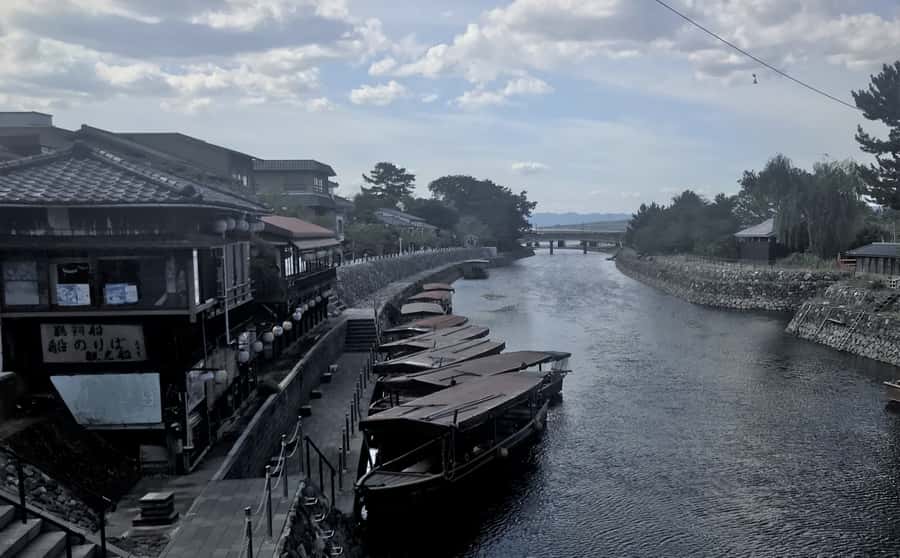
The Uji River gives the town its shape. Bridges, walking paths, and views toward the hills provide natural breaks between the historic stops. You are not simply moving from one indoor attraction to another. The scenery helps explain why this became a place for tea production and religious visits.
The tour begins at the only exit of Keihan Uji Station. An escalator reaches ground level, which makes the meeting point fairly simple to find. From there, the guide leads you through the town and returns you to the same meeting point at the end.
I would choose an early start if possible. One person on the tour arrived early and found Byodoin nearly empty, which made the temple easier to appreciate. Starting early also gives you a better chance to enjoy the tea street before it feels crowded.
More Green Tea Tours in Japan
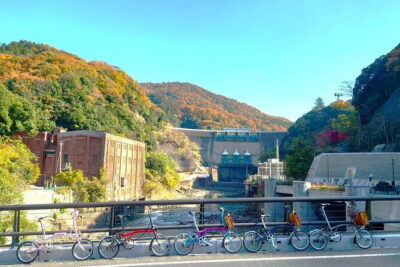
- Slow Cycling Tour at Uji’s Matcha Green Tea Fields and Heritage
★ 5.0 · 25 reviews - Kyoto Matcha Green Tea Tour
★ 4.5 · 23 reviews - Uji Tea Ceremony and UNESCO Heritage Walking Tour
★ 5.0 · 20 reviews
The oldest operating tea house starts the story
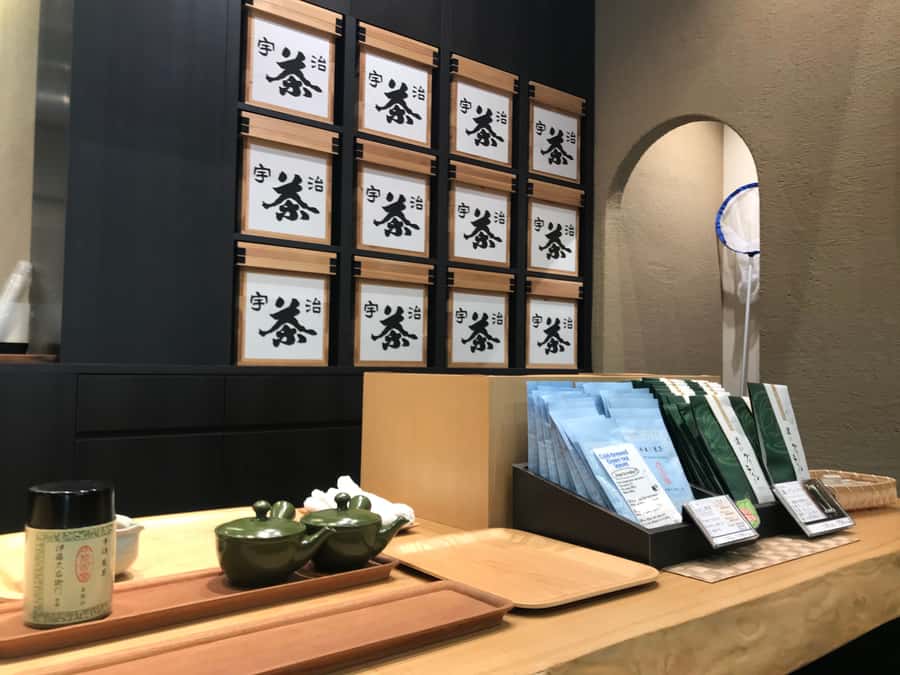
One of the first stops is a tea house that has operated since 1160. Its story is unusually useful because it ties Uji tea to the samurai world. A vassal of a famous warrior became head of the family, and the business has continued through 24 generations.
That detail gives the tea culture a human scale. You begin to see tea not just as a drink, but as a trade passed through families, shaped by powerful patrons, and protected by local custom. The stop also gives your guide a natural opening to explain why Uji became so closely linked with high-grade green tea.
The tea house sits near the route toward Byodoin, where other tea shops line the approach. Some businesses reach back to the medieval period. The street is a pleasant place to notice the smell of roasted tea, browse gifts, and compare the many forms of matcha sold in Uji.
This is not a long tea museum visit. If you want a full lesson on farming methods or a large production facility, this tour may feel light on that subject. Its strength is the link between tea, place, and local history.
A Gyokuro tasting that changes how you think about tea
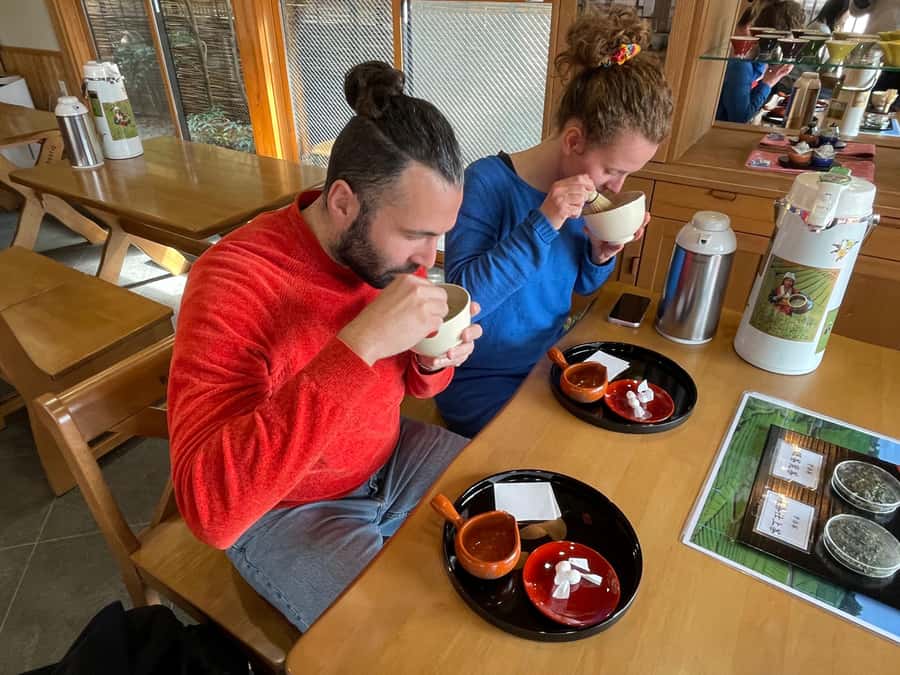
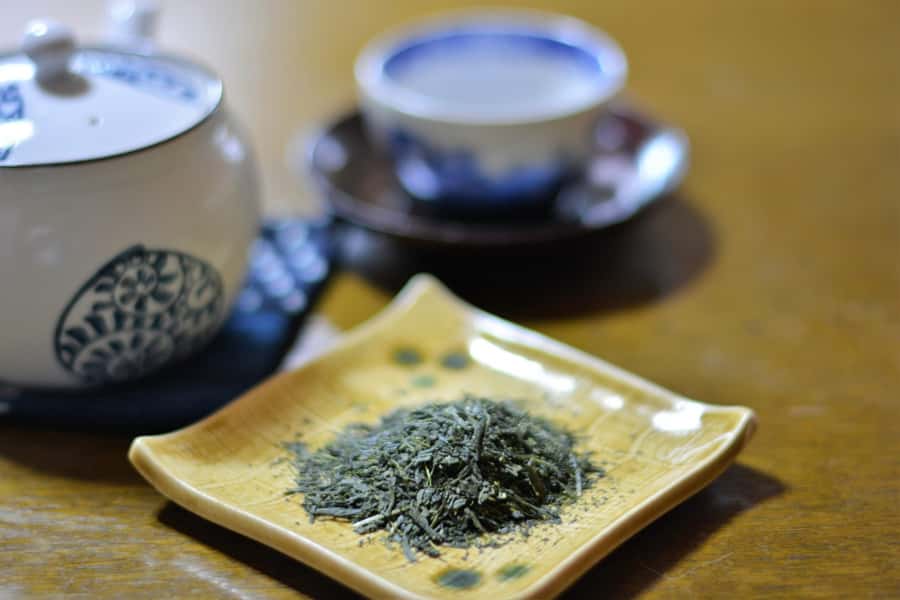
The tasting is the heart of the tour. You try Japanese Gyokuro, a high-grade green tea, and learn how it is grown and brewed. The guide explains how preparation changes the flavor profile, so you are not merely handed a cup and told that it is special.
Gyokuro can surprise people who expect green tea to taste sharp or plain. The point here is to slow down and notice the difference between cups prepared in different ways. The lesson is practical enough to help you understand why temperature, timing, and brewing method matter.
A particularly memorable detail comes at the end. After drinking the tea, you mix the remaining leaves with ponzu sauce and eat them. It is a small act, but it makes the tasting feel less like a formal demonstration and more like a local food experience.
You should not count on a full meal. Food and drinks outside the tea experience are not included, so eat beforehand if you tend to get hungry during a four-hour walk. Matcha noodles, matcha ice cream, and other tea-flavored foods are available around the tea street, but those purchases are your responsibility.
The tea stop also depends on availability. One group had its tasting disrupted because the session was sold out, although the guide adapted well. That is worth keeping in mind if the tea itself is your main reason for booking. The tour still has strong temple and history content, but the tasting is an important part of the advertised experience.
Ujigami Shrine brings Shinto into the tea story
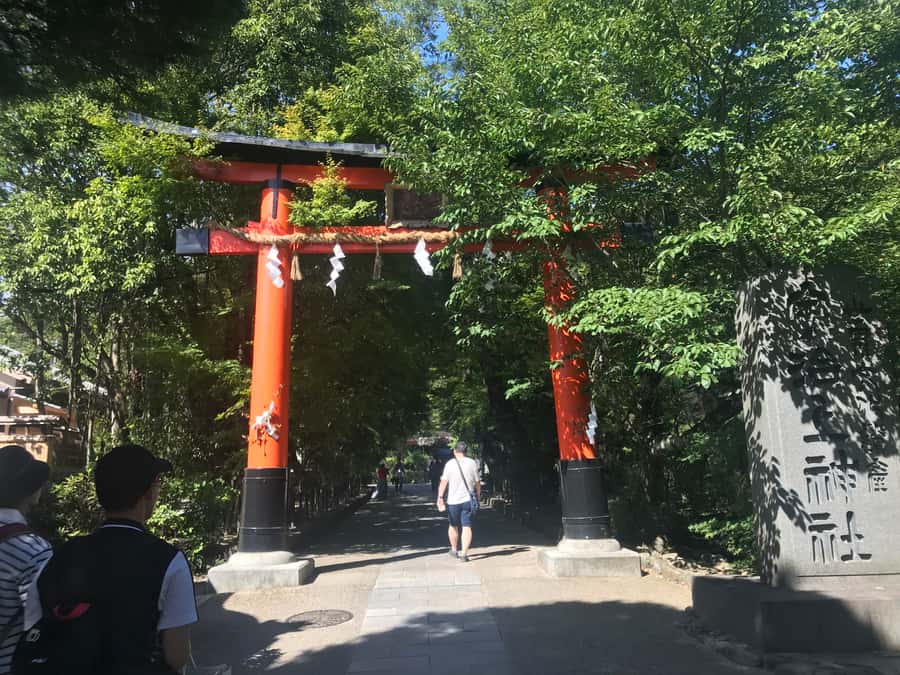
After the tea, the route moves into greener surroundings and toward Ujigami Shrine. This is described as the oldest extant Shinto shrine in Japan and is also a UNESCO World Heritage Site. The setting helps you feel the change from commercial Uji to a more secluded religious space.
Ujigami Shrine is associated with Uji’s guardian deities. It also contains the last remaining source of natural spring water in the area that many tea houses still collect for brewing. You can enter the stone grotto and purify yourself with the water.
This is where a guide adds real value. Shinto customs can be easy to copy without understanding. Guides such as Bryan and Brian have been praised for showing how to perform blessings and explaining respectful behavior at shrines and temples. Once you understand the basic steps, you can use them during the rest of your Japan trip.
The shrine stop is peaceful, but it is not designed for easy access. The route includes stairs and paths through the mountain area. If you have back, heart, or mobility problems, this is not a suitable choice. The tour operates in rain as well as good weather, so you need shoes and clothing that can handle wet ground.
More Green Tea Tours in Uji:
- Experience all of Japanese culture and Japanese food experience classes “origami, udon, Japanese food, green tea, calligraphy” in 4 hours
★ 5.0 · 105 reviews - Scenic Green Tea Fields of Hidden Kyoto & Local Tea Exp (Private)
★ 5.0 · 32 reviews - Osaka; Japanese Tea ceremony experience, Macha and Sencha
★ 4.9 · 29 reviews - Kyoto Matcha Green Tea Tour
★ 4.7 · 28 reviews
Walking the Uji River toward Byodoin
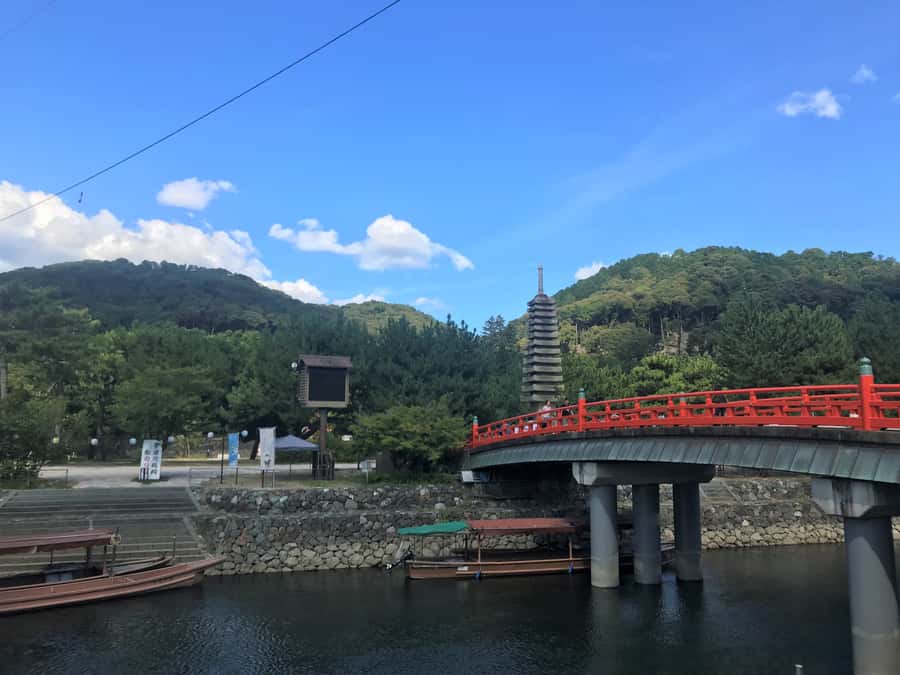
From the shrine area, you cross the Uji River and follow the approach toward Byodoin. The river is more than a pretty view. It helps explain Uji’s position as a place connected to movement, trade, pilgrimage, and tea.
The approach is lined with tea shops, some with roots reaching back to the medieval period. It is one of the livelier portions of the route, with smells, snacks, souvenirs, and restaurants. You get a chance to see how Uji’s tea identity works in daily commerce, not only in a tasting room.
The walk also gives the tour a useful rhythm. After a quiet shrine and a focused tea lesson, you have time to move, look around, and ask questions. Guides often adjust the pace. David has been praised for including photo stops, while other guides have stayed longer when a group needed more time.
Keep an eye on the clock if you want to shop or eat. The full route has several major stops, and four hours passes quickly. The guide may be flexible, but this is not an unstructured afternoon with unlimited time at every site.
Byodoin and the Phoenix Hall

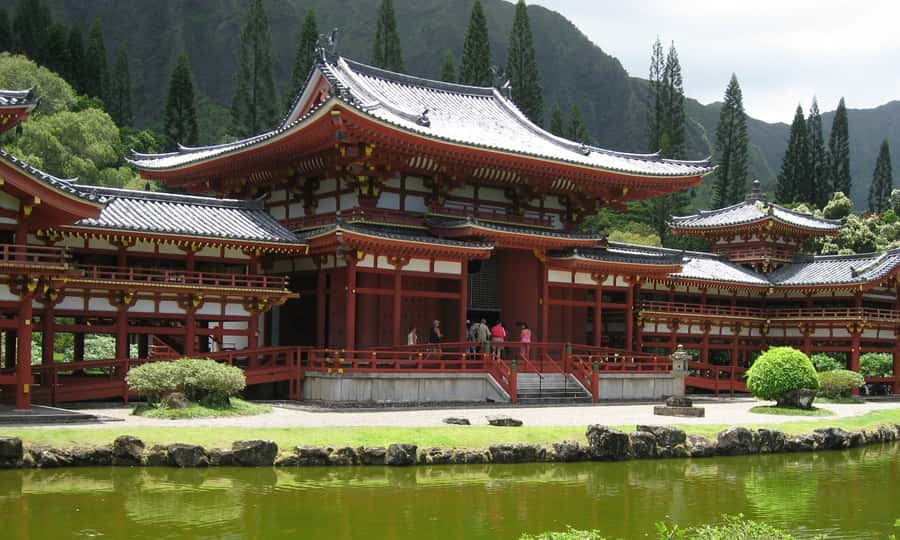
Byodoin is the major architectural draw. Its Phoenix Hall is one of Japan’s best-known temple buildings, and the surrounding setting helps explain why it appears on the 10-yen coin. The temple is a UNESCO World Heritage site, and admission is included in the tour price.
The guide helps connect the building to the wider story of religion, power, and the Heian Period, which lasted from 794 to 1185. Rather than seeing the hall as an isolated photo stop, you learn how Buddhist belief, aristocratic taste, and political influence shaped the site.
The modern museum is another strong part of the visit. It presents Buddhist objects and ancient artifacts in a way that can make the temple grounds easier to understand. The collection provides a quieter, more detailed counterpoint to the dramatic Phoenix Hall outside.
Byodoin can be the busiest stop, especially compared with Ujigami Shrine and Koshoji. The temple is famous for good reason, so you should expect more people and more camera activity here. That is also why a guide helps. You can focus on the details and symbolism instead of simply circling the building for a photograph.
The tour includes the temple entrance fee, which matters when you compare the $111 price with arranging separate visits. You are paying for the guide, the Gyokuro experience, both temple admissions, and a carefully connected route. The value is strongest if you want context rather than only transportation and entry tickets.
Koshoji offers a quieter finish

Koshoji Temple brings the tour back toward nature. The temple hugs the mountainside, creating a more secluded setting than Byodoin. Its position gives the final part of the tour a calmer feel and leaves room for the Zen side of the day.
This stop is less about checking off a famous monument and more about atmosphere. You can walk through the temple grounds, look toward the wooded slopes, and take a pause after the busier sections of Uji. Admission is included.
The phrase Zen can become tourist shorthand, but here it points to the pace of the stop. The temple gives you a chance to be quiet, notice the surroundings, and let the separate parts of the tour come together. Tea, Shinto water purification, Buddhist art, and mountain scenery no longer feel like unrelated attractions.
Koshoji also adds more walking and some uphill movement. If you have limited mobility, serious back concerns, or difficulty with stairs, you should skip this tour rather than hope the route will be easier than described.
What the guides add to the experience
The guide is the difference between a pleasant walk and a useful cultural tour. Strong guides explain Shinto and Buddhism in plain language, answer random questions, and help you behave respectfully without making you feel anxious about doing something wrong.
Damien and Damian have been praised for flexibility, temple explanations, and a friendly approach. Ferdinand has been singled out for connecting Japanese customs with ideas familiar to visitors from the West. Bryan and Brian have earned praise for storytelling, tea instruction, and showing quieter local paths.
David is a good fit if you value detailed explanations and a relaxed pace. Kevin has also helped with practical train questions after the tour, which is useful if you are not fully comfortable navigating Japan’s rail system. Lito has been appreciated for his warmth, photographs, and recommendations.
The guide names may vary, and the tour can be private or small group. That means your experience will depend partly on group size and guide assignment. Still, the consistently high overall rating of 4.8 from 72 ratings, along with repeated praise for the guides, suggests that the human side is one of the strongest reasons to book.
English and Spanish tours are available. If you have a very specific interest, such as tea farming, Buddhist art, or shrine customs, tell your guide early so the conversation can lean in that direction.
Who will get the most from this four-hour tour

I would recommend this outing to you if you want:
- A half-day trip from Kyoto that feels different from central Kyoto
- A serious introduction to Uji tea without spending a full day at a farm
- Help understanding Shinto and Buddhist customs
- UNESCO sites combined with river and mountain scenery
- A small group or private format
- A guide who can add historical context and local suggestions
It is less suitable if you want a slow, food-heavy day with long breaks. You also should not book it if stairs, uneven paths, or extended walking are difficult for you. The tour runs rain or shine, so weather will not shorten the route.
The $111 price is fair for a four-hour guided experience that includes Gyokuro, tea tasting, Byodoin admission, Koshoji admission, and a route through Ujigami Shrine. It is not the cheapest way to see Uji, but it saves you from piecing together the history and religious customs on your own.
Free cancellation is available up to 24 hours in advance, and you can reserve now and pay later. Those terms help if your Kyoto schedule is still shifting, but the bigger decision is physical comfort and your interest in tea.
Should you book the Uji Green Tea Tour?
Book it if you want Uji explained, not merely photographed. The best parts are the Gyokuro lesson, the connection between tea and samurai history, the quiet setting of Ujigami Shrine, and the contrast between grand Byodoin and mountain-side Koshoji.
I would be especially keen to choose this tour early in a Kyoto visit. The shrine etiquette and temple guidance can help you throughout Japan, and the tea lesson gives you a better eye for later tea shops. Bring comfortable shoes, leave room for questions, and allow extra time afterward if you want to eat or shop around the tea street.
Skip it if you need an accessible route or prefer to explore completely on your own. For everyone else, this is a well-balanced way to spend four hours beyond Kyoto’s busiest streets.
FAQ
How long does the Uji Green Tea Tour last?
The tour lasts four hours. Starting times vary, so check availability when booking.
Where does the tour begin?
It begins at the only exit of Keihan Uji Station. An escalator reaches ground level.
Where does the tour end?
The activity ends back at the meeting point at Keihan Uji Station.
Is the tea tasting included?
Yes. The tour includes a Japanese Gyokuro green tea experience and tea tasting.
Are the temple entrance fees included?
Yes. Admission to Byodoin and Koshoji is included.
What languages are available?
Live guides are available in English and Spanish.
Is the tour suitable for people with limited mobility?
No. The tour includes stairs and walking, and it is not recommended for people with mobility impairments, back problems, or heart problems. Comfortable shoes are advised, and the tour runs rain or shine.
Just added around Uji
- Kyoto tea town for matcha lovers★ 5.0 · 16 reviews
- Uji: Private immersion into Kyoto’s tea and reglious culture★ 5.0 · 17 reviews
- Uji Tea Ceremony and UNESCO Heritage Walking Tour★ 5.0 · 20 reviews
- Uji and Wazuka Matcha Farm Half Day Private Guided Tour★ 5.0 · 21 reviews
- Kyoto Matcha Green Tea Tour★ 4.5 · 23 reviews
- 7 Hours Private Guided Tour Uji and Wazuka Matcha Farm★ 5.0 · 2 reviews
- Utilising upcycled Matcha! Creating matcha incense (Uji, Kyoto)★ 5.0 · 6 reviews
- Half Day Matcha Tour in Uji, home of culture, with a local★ 4.8 · 14 reviews
Green Tea Tours in Japan, compared.

Scenic Green Tea Fields of Hidden Kyoto & Local Tea Exp (Private)
Read our review →
Osaka; Japanese Tea ceremony experience, Macha and Sencha
Read our review →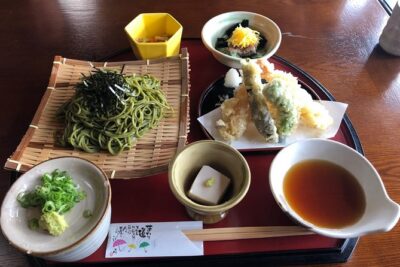
Slow Cycling Tour at Uji’s Matcha Green Tea Fields and Heritage
Read our review →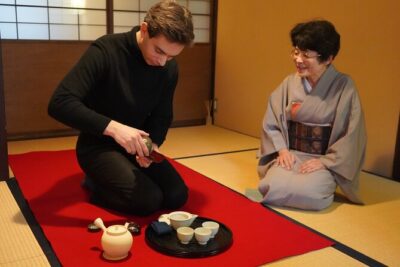
Sencha-do the Japanese Tea Ceremony Workshop in Kyoto
Read our review →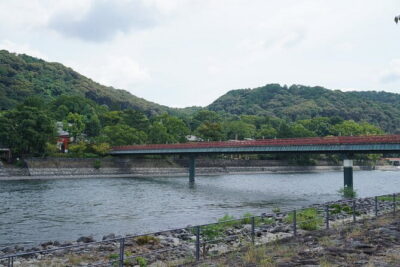
Uji Tea Ceremony and UNESCO Heritage Walking Tour
Read our review →Browse the lists this tour appears in