
Review · CHINA
Half-day Tour: Largest Tea Plantation & Amazing Xianggong Hill
Tea leaves and river views make a smart pairing. This six-hour Yangshuo outing joins hands-on tea culture with one of the area’s best hilltop panoramas. I like the chance to pick your own leaves, and I like that the tour includes hotel pickup, transport, entrance fees, and an English-speaking guide.
I also like the choice of morning or afternoon departures, which helps you fit the tour around a Li River cruise or other Yangshuo plans. The main consideration is the weather and hill walking: clouds can hide Xianggong Hill’s famous views, and the climb requires comfortable shoes.
Key points to know before you book
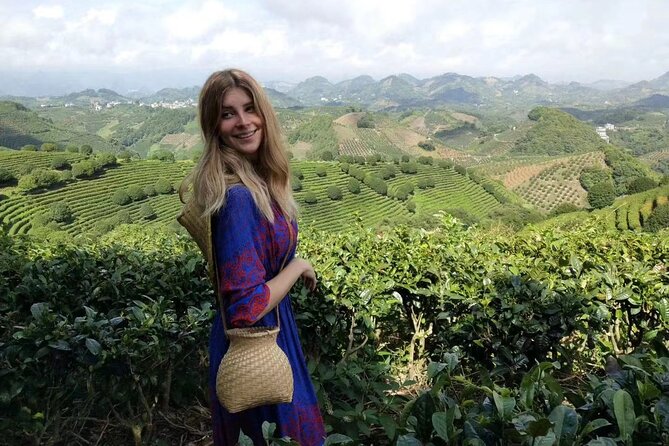
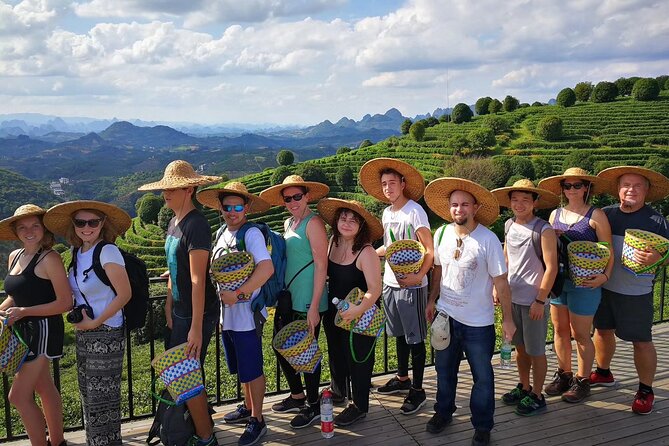
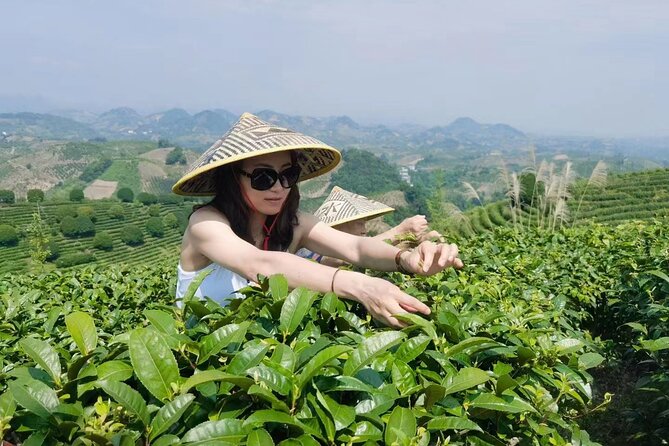
- Tea picking is hands-on: You wear a reed hat, carry a bamboo basket, collect tea leaves, and take part in tea making.
- Seven Fairies Peak is the tea stop: The plantation is described as the highest point in Yangshuo, with rows of tea plants reached by a mountain drive.
- Xianggong Hill delivers the big view: A short uphill walk leads to wide sights over the Li River valley, villages, orchards, and pointed peaks.
- Two departure times give you flexibility: Choose a morning or afternoon start, but check the exact time carefully when booking.
- The group can reach 15 people: The experience is intended to feel personal, though it is not guaranteed to be a private tour for every booking.
- The $107 price covers the core outing: Transport, guide, taxes, entrance, tea picking, and tea service are included. Lunch, tips, and personal spending are extra.
A useful half-day pairing in Yangshuo
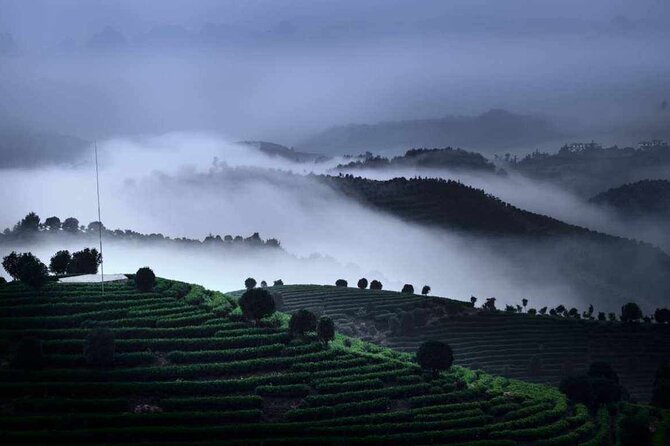
Yangshuo gives you two very different pleasures in a small area. One is the quiet, workaday side of the countryside, where tea plants grow in ordered rows and tea making remains part of local custom. The other is the grand view from Xianggong Hill, where the Li River valley opens below you.
This tour works because the two stops balance each other. At the tea plantation, you are doing something rather than simply taking photographs. At Xianggong Hill, you can stop and take in the view without a long full-day commitment.
The entire outing lasts about six hours. That makes it a useful choice for a first visit to Yangshuo, especially if you have limited time and want more than a standard town walk. Pickup is offered from a hotel in downtown Yangshuo, with the stated meeting point at 108 West Street in Yangshuo City.
The tour is described as small-group, with a maximum of 15 people. That is a sensible size for a guide-led countryside trip, though you should not assume you will have a guide and vehicle entirely to yourself. The supplied details also describe private transportation, so the road portions should be more comfortable than arranging several separate local rides.
More Tea Plantation Tours in China
- Half-Day Hangzhou Yunxi Bamboo Forest and Tea Plantation Experience
★ 5.0 · 22 reviews - Experience Chengdu: Private Tea-Making Day Tour of Mengdingshan Tea Plantation
★ 4.5 · 7 reviews - Hangzhou West Lake and Tea Plantation Half Day Tour
★ 5.0 · 4 reviews
The mountain road to Seven Fairies Peak Tea Plantation
The first major stop is Seven Fairies Peak Tea Plantation, described as the highest place in Yangshuo. Getting there is part of the experience. You leave the downtown area and climb into the hills, passing villages, orchards, and the rural scenery around Yangshuo.
At the plantation, the guide provides a Chinese reed hat and a small bamboo basket. These are simple touches, but they make the tea stop feel like an activity rather than a quick photo stop. You can walk between the tea rows, pick leaves, and get a closer look at the work behind the drink served in teahouses around China.
I would keep your expectations realistic. This is not a full agricultural workday, and the tea-picking portion is designed for visitors. Still, the hands-on element gives you a better sense of how tea begins before it reaches a cup.
The plantation also gives you a different view of Yangshuo. Instead of looking only at the famous limestone peaks, you see cultivated hillsides and the slower rhythm of village life. The setting should appeal to you if you prefer an activity with some local context rather than a string of viewpoints.
Picking tea, making tea, and tasting the result
After picking leaves, you return to the lodge for traditional tea making and tea service. The guide explains tea customs and shows how the leaves are handled. This is likely to be the most cultural part of the tour, since it connects the plants outside with the drink you taste indoors.
The tea ceremony should not be confused with a formal, extended ceremony at a major tea house. The information provided describes a practical experience built around making tea and learning customs. That format suits you if you want an introduction without committing several hours to a specialist tea program.
I especially like this sequence: pick the leaves first, then see what happens next. It gives the activity a clear story and makes the tasting more meaningful. Guides such as Daniel have been praised for explaining tea and the surrounding area, while Anna has been noted for her warm, helpful manner and strong English.
There is also a roughly 20-minute chance to pick local kumquats. This is seasonal and only available during harvest time. If kumquats are not in season, that part is skipped, so do not book the tour expecting it as a guaranteed feature.
The tea plantation stop may be less exciting for children or anyone who has no interest in tea, but the basket, hat, picking, and tasting keep it active. It is also a good place to ask questions, since the guide is with you during the process instead of simply dropping you at a scenic site.
The countryside drive toward Xianggong Hill
The road from the plantation to Xianggong Hill adds another layer to the outing. You pass quiet villages, different types of orchards, and the dramatic limestone peaks associated with the Yangshuo area.
This transfer matters because it links the two stops naturally. You are not simply being shuttled between unrelated attractions. The drive helps you see how the cultivated countryside and the famous mountain views fit together.
The exact driving time between stops is not specified, so the six-hour schedule will depend partly on traffic and road conditions. The operator allows the order of stops to change if needed. Weather, traffic, landslides, vehicle problems, and other conditions can cause delays or changes, although the stated aim is to preserve the planned attractions where possible.
That flexibility is sensible in a rural mountain area. It also means you should avoid scheduling an important train, flight, or timed ticket immediately after the tour. The provider says additional costs caused by delays are not covered, so a little breathing room is wise.
Same place, a different pot:
- One-Day Hangzhou Dragon Well Tea Culture & West Lake Private Tour
★ 5.0 · 98 reviews - Traditional Chinese Tea Ceremony Experience
★ 4.7 · 74 reviews - Beijing Culture: Tea Ceremony, Heritage Instrument & Calligraphy
★ 5.0 · 57 reviews - Tea Tasting and Pairing Concept Workshop
★ 5.0 · 57 reviews
Climbing Xianggong Hill for the Li River panorama
Xianggong Hill is the visual reward at the end of the route. From the top, you look over the Li River valley, quiet villages, orchards, and the pointed peaks beyond.
You reach the viewpoint by walking uphill. The walk is not described with a distance or exact duration, so I would treat it as a genuine hill climb rather than a flat stroll from the car. Wear shoes with good comfort and grip. High heels are specifically discouraged, and that advice is worth following.
The view changes with the light. The itinerary calls attention to sunlight and shadow, cloud formations, and rosy evening color. If conditions cooperate, you might also see a rainbow. Those details explain why the morning and afternoon versions can feel different. An afternoon visit may offer softer late-day light, while a morning outing can work better if you want to keep the rest of the day free.
No hilltop view is guaranteed. Cloud, rain, haze, and strong sun can all affect what you see. That is not a flaw in the tour, but it is the main reason to check the forecast before you go. The provider recommends sun protection, including sunscreen, a hat, sunglasses, or an umbrella.
Xianggong Hill is especially valuable if you have not booked a longer Li River sightseeing trip. It cannot replace time on the river, but it gives you a broad view of the valley from above in a compact visit.
What the guide adds to the day
The guide can make or break a short tour, because there is little spare time. Several guides are associated with this experience, including Anna, David, and Daniel.
Anna has been praised for being caring, respectful, fun, and easy to connect with. David has been noted for waiting during a pickup mistake and offering useful information. Daniel has been praised for his explanations of the area, tea, and local subjects, as well as for arranging comfortable, air-conditioned transport for a mixed international group.
Those details point to the service strengths you should value here: punctual pickup, clear communication, help at the stops, and enough explanation to make the tea activities understandable. An English-speaking guide is included, but individual guiding style can vary.
The guide also helps with the practical parts. You may need help finding the best rows for picking tea, understanding the tea-making process, and pacing the hill walk. At a scenic viewpoint, a guide who knows when to give you space is just as useful as one who explains the setting.
Is $107 good value for six hours?
At $107 per person, this is not the cheapest way to see Yangshuo’s countryside. The value depends on how much you would otherwise spend arranging transport, entrance tickets, and two separate stops yourself.
The price includes:
- Hotel pickup in downtown Yangshuo
- Private transportation
- Entrance fees and taxes
- An English-speaking guide
- Reed hat and bamboo basket
- Tea picking
- Tea making and tea ceremony
Lunch is not included, and neither are tips or personal expenses. Since the tour lasts only half a day, the lack of lunch is not a major issue. You can eat before departure or after returning to Yangshuo.
I think the price makes the most sense for a first-time visitor, a couple, or a small group that values convenience. You are paying for a planned route and an English-speaking escort, not only for entry to a hill and a plantation.
The experience is booked about 23 days ahead on average. That suggests you should not leave it until the last minute if your Yangshuo dates are fixed, especially if you need a particular morning or afternoon departure. Free cancellation is available up to 24 hours before the start time, but changes or cancellations inside that window are not refunded.
Morning or afternoon: which should you choose?
Choose the morning departure if you want to use the rest of the day for Yangshuo’s other sights, meals, cycling, or a river activity. A morning start may also suit you if you prefer to do the uphill portion before the day becomes hot.
Choose the afternoon departure if your morning is occupied or if you hope for changing light and late-day color from Xianggong Hill. The tour description specifically mentions rosy clouds at the top, though this depends entirely on the conditions.
The exact departure time is important. There are two departures each day, but the supplied information does not give fixed clock times. Confirm the selected time when booking and be ready at your downtown Yangshuo pickup point.
Who will enjoy this tour most?
I would recommend it to you if you want three things in one outing: a little culture, a scenic drive, and a major viewpoint. It suits first-time Yangshuo visitors, people with only a few days in the area, and anyone who prefers guided transport over piecing together rural taxis.
It is also a good fit for photographers who can accept changing weather. Xianggong Hill provides the broad view, while the tea plantation supplies more intimate details, including baskets, tea rows, leaves, and the tea-making process.
You may want another plan if you dislike hills, cannot walk comfortably, or want a slow, specialist tea course. The trip includes an uphill walk and is conducted outdoors, so comfortable footwear, sun protection, and weather-aware clothing matter.
Older people can join only if they are comfortable with the physical demands. The provider specifically advises checking an older person’s health before departure and notes that the guest remains responsible for personal safety during the outing.
Should you book the tea plantation and Xianggong Hill tour?
Book it if you want an efficient Yangshuo sampler with real participation. Picking tea, learning how it is made, and then looking across the Li River valley gives the half-day a clear shape and more variety than a single viewpoint visit.
I would book it especially if you are staying in downtown Yangshuo, want pickup included, and prefer an English-speaking guide to handle the transport. The strongest reasons to hesitate are the $107 price, the possible group size of up to 15, and the fact that weather can reduce the hilltop payoff.
Check the forecast, wear walking shoes, confirm the morning or afternoon time, and leave space after the tour in case mountain roads slow the return. With those points in mind, this is a practical and appealing way to fit Yangshuo’s tea culture and Li River views into one well-organized outing.
FAQ
How long does the tea plantation and Xianggong Hill tour last?
The tour lasts approximately six hours.
Are there morning and afternoon departures?
Yes. There are two departures daily, one in the morning and one in the afternoon. Check the exact departure time when booking.
Where does the tour start?
Pickup is offered from hotels in downtown Yangshuo. The stated meeting point is 108 West Street, Yangshuo City, Guangxi, China.
Is lunch included?
No. Lunch, tips for guides and drivers, and personal expenses are not included.
Is kumquat picking guaranteed?
No. The 20-minute kumquat-picking activity is available only during the harvest season. If kumquats are not in season, it is skipped.
What happens if I need to cancel?
You can cancel up to 24 hours before the experience start time for a full refund. Cancellations or changes made less than 24 hours before the start time are not accepted for a refund.
More Half-Day Trips in China
- Half-day Private Mahjong course in Local Tea House
★ 5.0 · 16 reviews - Half-Day Hangzhou Private Tour with Green Tea Village and Lingyin Temple
★ 5.0 · 3 reviews - Half-Day Hangzhou Jiuxi Stream and Tea Plantation Experience
★ 5.0 · 2 reviews - Half-Day Hangzhou Tianzhu Buddhist Mountain Hiking Tour with Green Tea Village
★ 5.0 · 2 reviews
Just added around China
- Full-day Tour: Spectacular Sunrise, Tea Plantation & Sunset★ 5.0 · 3 reviews
- Unlock Chinese Tea: Culture, Science, Tasting & Hands-on Brewing★ 5.0 · 12 reviews
- Shanghai Mahjong Experience in Local Tea Bar★ 5.0 · 4 reviews
- Chinese Tea Ceremony Experience★ 5.0 · 3 reviews
- Private Tour Hangzhou West Lake and Tea Fields Discovery★ 5.0 · 3 reviews
- Half-Day Hangzhou Jiuxi Stream and Tea Plantation Experience★ 5.0 · 2 reviews
- Hangzhou West Lake and Tea Plantation Half Day Tour★ 5.0 · 4 reviews
- Private Hangzhou Day Tour to West Lake, Lingyin Temple, Tea Village, Old Pagoda★ 5.0 · 17 reviews
Tea Plantation Tours in China, compared.
Half-Day Hangzhou Yunxi Bamboo Forest and Tea Plantation Experience
Read our review →
Experience Chengdu: Private Tea-Making Day Tour of Mengdingshan Tea Plantation
Read our review →
Private Tour: Yao Mountain and Tea Plantation from Guilin
Read our review →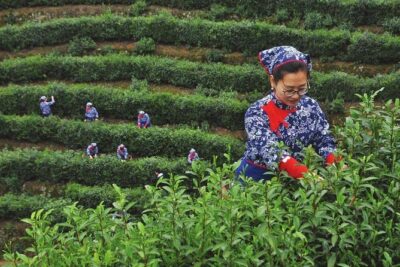
Private Tour Hangzhou West Lake and Tea Fields Discovery
Read our review →
Full-day Tour: Spectacular Sunrise, Tea Plantation & Sunset
Read our review →
Chengdu Dujiangyan Leshan Buddha Tea Plantation and Sichuan Cooking 3 Days
Read our review →Browse the lists this tour appears in