
Review · TAIPEI
Street Food Cooking Class in Taipei : Gua Bao/Lu Rou Fan/Boba Tea
Make Taipei’s street food with your own hands. This two-hour CookInn Taiwan class turns familiar Taiwanese favorites into a practical kitchen lesson, with gua bao, braised pork, lu rou fan, and bubble tea on the menu. I like the small maximum of eight people, and I like that you sit down to eat what you prepare. One consideration is that making tapioca pearls from scratch can be harder than it looks, so the class involves real hands-on work rather than a quick demonstration.
The class begins at 2:30 pm at CookInn Taiwan’s Zhongshan classroom in Datong District. I also like the recipe book provided at the end, since it gives you a useful souvenir rather than another decorative trinket. The main drawback is the fixed afternoon timing, which may compete with Taipei sightseeing plans.
Key points to know before booking
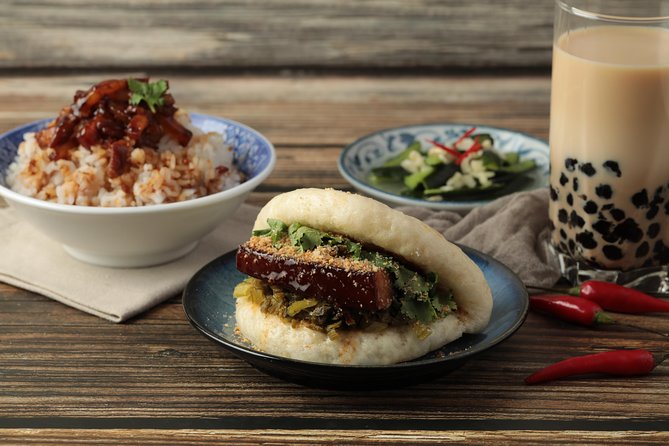
- Gua bao is the star dish: You make the steamed buns and prepare the braised pork belly that fills them.
- Boba is made from scratch: You shape and cook chewy tapioca pearls, then shake your own bubble milk tea.
- Small groups matter: The class accepts no more than eight people, allowing more guidance at the worktable.
- The meal is part of the lesson: You eat the food you have prepared when the cooking is finished.
- Angela has taught with patience: Her clear explanations and friendly style earned special praise, including from a family with children.
- Bring an appetite: The class lasts about two hours and ends with a homemade spread of Taiwanese small eats.
What you will actually make in two hours
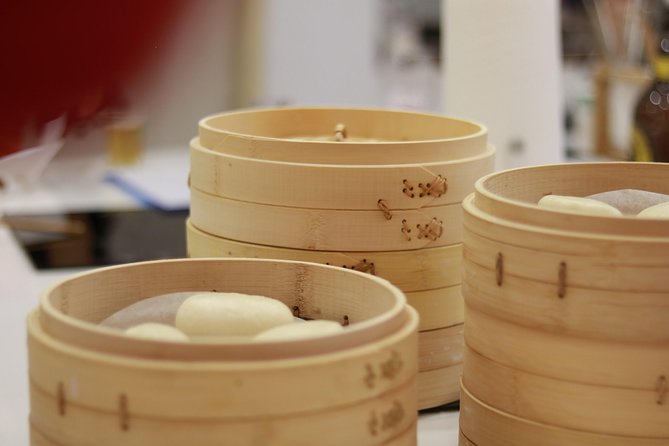
Taiwanese street food is often called xiao chi, which means small eats. The name sounds modest, but these dishes carry a lot of flavor and cultural weight. They are the sort of foods you can grab at a market, order from a small shop, or eat as part of an everyday meal.
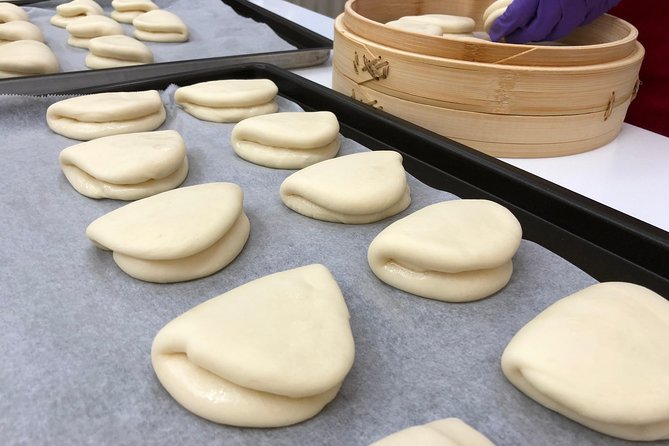
This class focuses on three of Taiwan’s best-known comfort foods. You make gua bao, a soft steamed bun folded around braised pork belly. You also prepare lu rou fan, rice topped with seasoned braised pork. Then comes bubble milk tea, including the chewy tapioca pearls that make the drink so recognizable.
The class is not simply a meal with a recipe card tacked on. You handle the key steps yourself. That matters because each dish has a technique worth understanding. The bun dough needs to become soft and workable. The pork needs time and seasoning to reach the right texture. The tapioca pearls demand patience and careful handling.
The two-hour limit keeps the lesson focused. You will not be preparing an elaborate banquet with ten separate dishes. Instead, you spend the available time on a few Taiwanese classics and learn the parts that make them special.
More Bubble Tea in Taipei:
- Xiao Long Bao, Beef Noodles & Boba Tea Cooking Class in Taipei
★ 5.0 · 159 reviews - Xiao Long Bao, Chicken vermicelli with mushroom and sesame oil, Tofu strips salad, Bubble milk tea. Taiwan Traditional Delicacies Experience-A (Taipei Cooking Class)
★ 5.0 · 79 reviews - Xiao Long Bao & Boba Tea Cooking Class in Taipei
★ 5.0 · 28 reviews
Starting at CookInn Taiwan in Zhongshan
Your meeting point is CookInn Taiwan’s Zhongshan classroom at 66 Section 1, Chengde Road, second floor, in Taipei’s Datong District. The scheduled start is 2:30 pm, and the activity ends at the same place.
That simple arrangement helps. You do not need to keep track of a changing route or arrange a ride back from a distant restaurant. The class begins and ends in one location, which makes it easier to fit into a day of Taipei sightseeing.
You should plan around the start time carefully. A 2:30 pm class takes up much of the late afternoon, and the activity lasts about two hours. You may want to leave enough time afterward for an evening market or dinner, though the food you make should be filling.
The class is limited to eight people. That is a useful size for a practical lesson. With fewer people around the work surface, you have a better chance of seeing the techniques clearly and receiving help when a dough or mixture does not behave as planned.
Gua bao: the most rewarding part of the lesson
Gua bao is often called the Taiwanese hamburger, though that comparison only goes so far. Instead of a sliced bun, it uses a folded steamed bun with a soft, pillowy texture. Inside goes braised pork belly, creating a rich contrast between tender meat and light bread.
You learn to make the steamed buns from scratch. This gives the class one of its clearest advantages over a standard food tour. You can taste a finished gua bao anywhere in Taipei, but making the bun helps you understand why the texture matters so much.
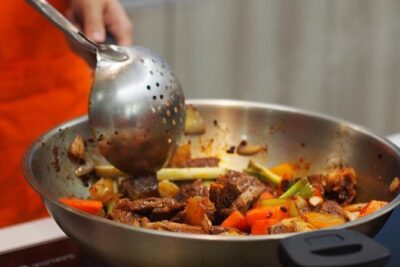
The pork is another key part of the lesson. You learn the basic method for braising classic pork belly, including the process that gives the meat its savory flavor and tender bite. The dish is simple in appearance, but small changes in cooking time and seasoning can affect the result.
Among the dishes included, gua bao receives the strongest praise. The finished buns are described as delicious, and the dish seems to be the one most likely to inspire you to try the recipe at home. That makes sense: the result is familiar enough to enjoy immediately, but the preparation still feels like a useful new skill.
If you have only limited interest in cooking, gua bao may still win you over. It is a hands-on task with a clear reward at the end. You see the bun come together, add the pork, and eat the result while it is fresh.
Lu rou fan and the logic of braised pork
Lu rou fan is a bowl of rice topped with braised pork. It is a classic Taiwanese comfort food, less dramatic than gua bao but just as important to the country’s everyday food culture.
The class uses the same general braising knowledge that supports the gua bao filling. That gives the lesson a helpful connection between dishes rather than making each recipe feel unrelated. You learn how seasoned pork can work with a bun in one preparation and with rice in another.
One detail to keep in mind is that the rice may already be prepared. The hands-on work centers on the pork and its flavors, not on teaching you every step of cooking a bowl of rice. That is not a serious weakness, since the pork is the defining feature of lu rou fan, but it is worth knowing if you expect to prepare every component entirely from scratch.
The pork dish may appeal most to people who want a useful home recipe. Gua bao is fun and memorable, while lu rou fan is the sort of meal you could make repeatedly. The recipe book gives you a way to remember the proportions and steps after you return home.
More Cooking Classes in Taipei:
- Xiao Long Bao, Pork thick soup, Bubble milk tea. Taiwan Traditional Light Meals Experience-B (Taipei Cooking Class)
★ 5.0 · 24 reviews - Xiao long bao, Pork thick soup, Bubble milk tea. (Taiwan Cooking Class)-B
★ 5.0 · 18 reviews - Xiao Long Bao, Chicken vermicelli with mushroom and sesame oil, Tofu strips salad, Bubble milk tea. Taiwan Traditional Delicacies Experience-A (Taipei Cooking Class)
★ 5.0 · 8 reviews - Xiao Long Bao, Chicken vermicelli with mushroom and sesame oil, Tofu strips salad, Bubble milk tea. Taiwan Traditional Delicacies Experience-A (Taipei Cooking Class)
★ 5.0 · 5 reviews
Making tapioca pearls from scratch
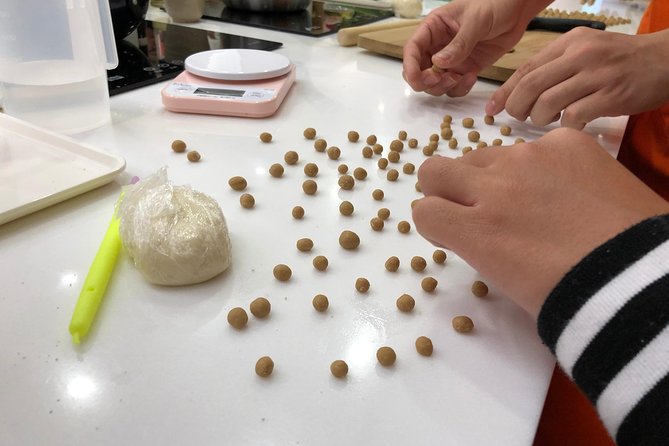
Bubble milk tea is Taiwan’s most famous food and drink export. The class takes you beyond simply mixing tea, milk, ice, and bought pearls. You make the chewy tapioca pearls yourself, then shake your own cup of bubble milk tea.
This is also the part most likely to test your patience. The tapioca-making process is described as difficult, which is useful information for anyone expecting an easy craft project. The pearls need the right texture, and shaping or handling them can take more care than you might expect.
That challenge is part of the value. Once you have made the pearls yourself, you understand that the drink is not just sweet tea with a few chewy balls at the bottom. Texture is central to the experience. The tea is only half of what makes bubble milk tea distinctive.
You should not judge the class by whether every pearl turns out perfectly. The point is to learn the process, work with the ingredients, and understand the effort behind a drink that is often consumed casually. Making boba from scratch gives the lesson a memorable final act.
For children, the boba portion could be especially engaging, though the work may require close guidance. The class has been praised for including children ages 8, 10, and 11 in the cooking, with the teacher patiently involving them in each part of the lesson.
A friendly teaching style makes a difference
A cooking class depends heavily on the instructor. Clear explanations matter, but patience matters just as much when several people are working at different speeds.
Angela is specifically praised for being capable, interesting, and good at explaining each step. Her approach appears to suit mixed groups, including families with children and adults who may have little cooking experience. That is important because a small class can feel personal in a good way, but only if the instruction is easy to follow.
The class is presented as suitable for everyone, and the available feedback supports that. The lessons are described as fun and informative rather than demanding. You do not need to arrive as an experienced cook to take part.
Still, this is not a passive demonstration. You will need to listen, handle ingredients, and follow directions. The tapioca pearls may be tricky, and the bun preparation requires some care. If you enjoy being involved, those tasks are the best part. If you prefer to watch a professional do all the work, a food tour or tasting may suit you better.
Eating the results at the end
The class finishes with a meal made from the dishes you prepared. This is more satisfying than leaving with a few samples after a demonstration. You get to see how the separate parts work together on the plate and in the cup.
Come hungry. Two hours of cooking may not sound like a full meal, but you will be making several substantial items, including pork, steamed buns, rice, and bubble tea. The final meal also gives you time to enjoy the results instead of rushing straight out after the last cooking step.
I like this format because it turns the lesson into both an activity and a meal. You are not paying only for instruction, and you are not paying only for food. You receive a social kitchen experience, practical cooking guidance, and lunch or an early dinner depending on your schedule.
The meal also gives you a way to judge the recipes while they are fresh. Gua bao may become your favorite, but you may prefer the simple comfort of lu rou fan. The bubble tea adds a sweet finish and gives the class a clear connection to modern Taiwanese food culture.
How much value do you get for $79?
At $79 per person, this is not the cheapest way to eat street food in Taipei. Local stalls and small restaurants can provide a meal for far less. If your only goal is to taste gua bao, pork rice, and bubble tea, spend the money on several casual meals instead.
The value changes if you want to learn. For the price, you receive about two hours of instruction, a small-group setting, multiple dishes, a meal, and a recipe book to take home. The maximum of eight people is especially important here, since personal guidance is part of what separates a class from a cooking show.
The recipe book adds lasting value. You can use it to repeat the dishes at home, and the gua bao in particular seems to inspire people to cook for family after returning home. That makes the experience more useful than a one-time tasting.
I would consider the price fair for visitors who enjoy food activities and want more than a photograph of a famous dish. I would consider it less attractive for anyone traveling on a tight budget or already planning several paid food experiences.
Who should book this class?
This class suits you if you want a focused introduction to Taiwanese food and like learning by doing. It is a good choice for couples, small groups of friends, and families with children old enough to follow kitchen instructions.
It also works well for people who have already tried Taiwanese street food and want to understand how it is made. You will recognize the flavors, but the cooking steps should give them more meaning.
Families should take note of the positive experience with children ages 8, 10, and 11. The teacher’s patient style helps, though children still need to participate carefully when working with food preparation.
The class may not suit you if you want a broad tour of Taipei’s markets, neighborhoods, or food stalls. You stay at the cooking classroom rather than moving around the city. It is also not the best choice if your schedule is tight around the 2:30 pm start.
Practical details before you reserve
Confirmation is provided when you book, and the experience uses a mobile ticket. The class has a maximum of eight people, but a minimum number of participants is required. If that minimum is not met and the activity is canceled, you are offered another date or experience, or a full refund.
You can cancel free of charge up to 24 hours before the start time for a full refund. Cancellations or changes made less than 24 hours before the activity are not refunded or accepted. The deadline follows Taipei local time, so check the clock carefully if you are booking from another country.
The start and end point are the same: CookInn Taiwan’s Zhongshan classroom at 66 Section 1, Chengde Road, second floor. The scheduled beginning is 2:30 pm, and the full activity lasts about two hours.
Should you book CookInn Taiwan?
Book this class if you want to leave Taipei with more than a list of foods you tried. You will learn the basic craft behind gua bao, braised pork, lu rou fan, and bubble tea, then eat the results and take home recipes for another attempt.
The strongest reasons to go are the small group, the friendly instruction associated with Angela, and the chance to make both steamed buns and tapioca pearls from scratch. The main cautions are the fixed afternoon schedule, the $79 price, and the fact that boba-making can be genuinely tricky.
For a food-focused afternoon with a meal included, this is a strong choice. If you only want cheap street food, skip the class and eat at the stalls. If you want to understand how Taiwan’s favorite small eats come together, reserve a place.
FAQ
Where does the cooking class begin?
The class begins at CookInn Taiwan’s Zhongshan classroom at 66 Section 1, Chengde Road, second floor, in Datong District, Taipei.
What time does the class start?
The scheduled start time is 2:30 pm.
How long does the cooking class last?
The experience lasts approximately two hours.
Where does the class end?
The activity ends back at the CookInn Taiwan meeting point.
How many people can join the class?
The class has a maximum of eight participants.
What dishes will I prepare?
You will learn to make gua bao steamed buns, braised pork, lu rou fan, and bubble milk tea with homemade tapioca pearls.
Do I make the gua bao buns from scratch?
Yes. The class includes making the steamed buns used for gua bao.
Are the tapioca pearls made from scratch?
Yes. You make the chewy tapioca pearls yourself before preparing the bubble milk tea.
Is food included after the cooking lesson?
Yes. You sit down and enjoy the meal you prepare during the class.
Can I cancel for a full refund?
Yes. You can cancel at least 24 hours before the start time for a full refund. Cancellations made less than 24 hours before the start time are not refunded.
More Food Tours in Taipei
- SF’s Chinatown: Tea & Dim Sum Food Tour – Includes full meal, 3hr
★ 5.0 · 153 reviews - Experience all of Japanese culture and Japanese food experience classes “origami, udon, Japanese food, green tea, calligraphy” in 4 hours
★ 5.0 · 105 reviews - Cairo Food Tour in local places & Egyptian Mint Tea
★ 4.5 · 102 reviews - Full Day Food Tour Of Delhi with a chef. Includes Tea Tasting
★ 5.0 · 20 reviews
More Food and Drink Tours in Taipei
- Taipei: Taiwan Traditional Breakfast & Market & Tea Tasting
★ 5.0 · 6 reviews - Taiwanese Baking Class with Oolong Tea Tasting in Taipei
★ 5.0 · 4 reviews - Jakarta: Volcano, Tea/Rice Fields, Hot Spring, Local Food
★ 4.9 · 515 reviews - Private Tea Ceremony and Sake Tasting in Kyoto Samurai House
★ 5.0 · 163 reviews
Just added around Taipei
- Xiao long bao, Pork thick soup, Bubble milk tea. (Taiwan Cooking Class)-B★ 5.0 · 18 reviews
- Xiao Long Bao, Chicken vermicelli with mushroom and sesame oil, Tofu strips salad, Bubble milk tea. Taiwan Traditional Delicacies Experience-A (Taipei Cooking Class)★ 5.0 · 8 reviews
- Taiwan Traditional Delicacies Experience, Xiao Long Bao, Chicken vermicelli with mushroom and sesame oil, Tofu strips salad, Bubble milk tea.★ 5.0 · 6 reviews
- Xiao Long Bao, Chicken vermicelli with mushroom and sesame oil, Tofu strips salad, Bubble milk tea. Taiwan Traditional Delicacies Experience-A (Taipei Cooking Class)★ 5.0 · 5 reviews
- Taipei Fresh Market Tour and Colorful Bubble Tea Making★ 5.0 · 6 reviews
- Taiwanese Baking Class with Oolong Tea Tasting in Taipei★ 5.0 · 4 reviews
- Pineapple Pastry with Egg Yolk, Longan Cake, High Mountain Oolong Tea. Taiwan Traditional Dessert Experience-D (Taipei Cooking Class)★ 5.0 · 2 reviews
- Sip & Savor: Maokong Tea & Shenkeng Stinky Tofu Private Day Tour★ 4.5 · 9 reviews
Bubble Tea Experiences, compared.
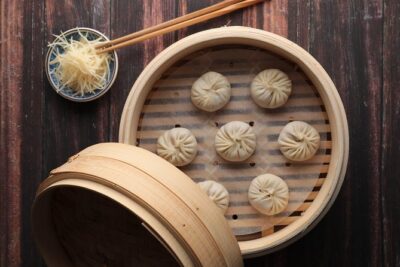
Xiao Long Bao, Beef Noodles & Boba Tea Cooking Class in Taipei
Read our review →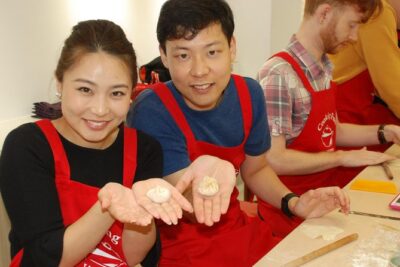
Xiao Long Bao & Boba Tea Cooking Class in Taipei
Read our review →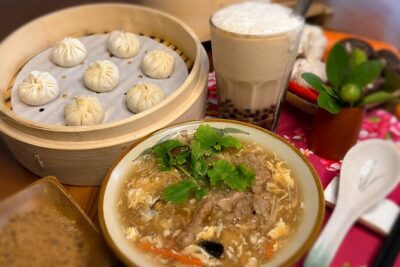
Xiao Long Bao, Pork thick soup, Bubble milk tea. Taiwan Traditional Light Meals Experience-B (Taipei Cooking Class)
Read our review →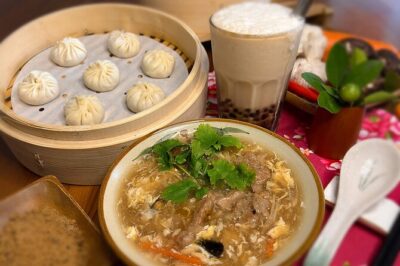
Xiao long bao, Pork thick soup, Bubble milk tea. (Taiwan Cooking Class)-B
Read our review →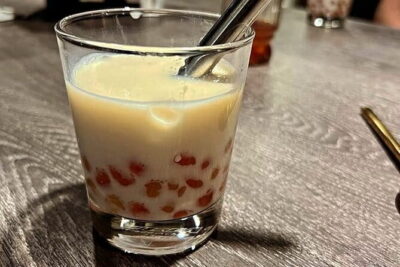
Taipei Fresh Market Tour and Colorful Bubble Tea Making
Read our review →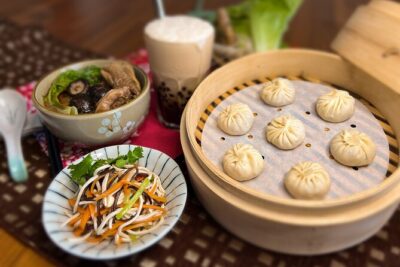
Browse the lists this tour appears in