
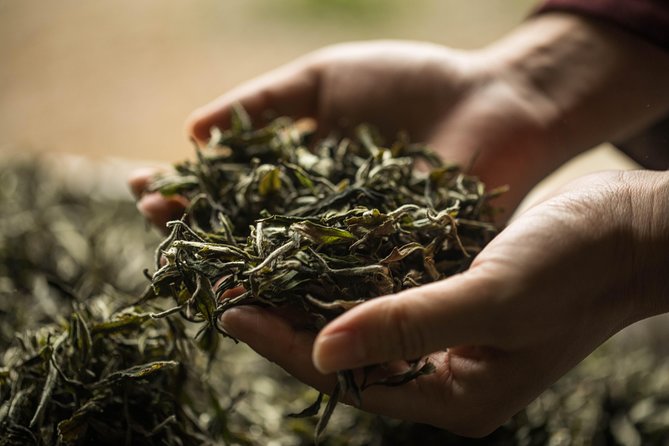
Review · CHENGDU
Three-Hour Private Chengdu Tea Wholesale Market Tour
Tea shopping becomes a cultural lesson. This private Chengdu tour takes you into one of China’s largest tea wholesale markets, where rows of shops sell loose leaves, tea sets, and accessories. I like the chance to taste tea before buying and the practical help of an English-speaking guide who can explain the differences between green, black, white, oolong, and Pu-er tea.
I also like that the tour stays private, so your group can ask questions and spend more time at shops that interest you. The main drawback is simple: if you are not planning to buy tea, two hours among wholesale stalls may feel long, and the market’s size could be more useful to curious shoppers than casual sightseers.
- Tea tasting before purchase: Sit down in a shop, sample what interests you, and decide with more confidence.
- One of China’s largest tea markets: Thousands of wholesale shops create an unusual look at Chengdu’s tea trade.
- Practical tea education: Learn how tea is dried, processed, packaged, and sorted.
- Private English-speaking guide: Your group can ask direct questions without following a large crowd.
- Tea sets at low prices: The market also sells teapots, cups, and other tea accessories.
- Central Chengdu meeting point: The tour begins at Wenshu Yuan Monastery and finishes there, with pickup offered from centrally located hotels.
Why Chengdu’s Tea Market Is Worth Your Time
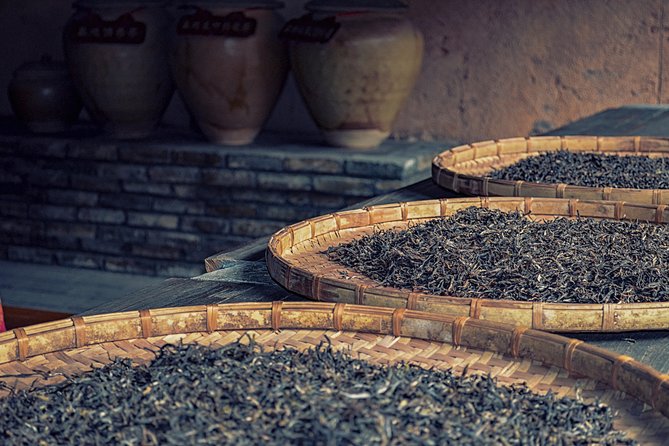
Chengdu is famous for its relaxed teahouse culture, but this market shows a different side of tea. Instead of watching people sip slowly in a traditional setting, you see the business behind the cup: leaves being handled, sorted, packaged, sampled, and sold in large quantities.
That makes this experience useful for you if you want more than a quick souvenir stop. Your guide can help explain what separates the main tea families and how each type is prepared. You can also ask about the qualities and commonly discussed benefits associated with different teas, without having to rely on sales talk alone.
The market is not presented as a polished museum. It is a working wholesale center with a huge collection of shops. That is part of its appeal, but it also means the experience may feel less orderly than a standard sightseeing attraction. You are visiting to see commerce in action, not to admire a carefully arranged display.
Meeting at Wenshu Yuan Monastery
The listed meeting point is Wenshu Yuan Monastery, 66 Wen Shu Yuan Jie, in Qingyang District. The activity ends back at the meeting point. Pickup is also offered from centrally located hotels, so confirm the exact arrangement when you book.
This meeting location matters because it gives you a clear anchor in central Chengdu. If you are not using hotel pickup, plan around the monastery address rather than assuming the guide will meet you at the tea market itself.
The tour is offered with a mobile ticket and is near public transportation. That keeps the start fairly practical, especially if you are already visiting Wenshu Yuan Monastery or staying in the central part of the city.
More Market Tours in China:
- Active Volcano, Rice Field, Hot Spring, Fruit market, Tea Plantation with Lunch
★ 5.0 · 513 reviews - Kyoto: Nishiki Market Tea Ceremony with Koto Performance
★ 4.8 · 294 reviews - Delicious Doughnuts & Tea: Small-Group Borough Market Experience
★ 5.0 · 169 reviews
Inside One of China’s Largest Tea Wholesale Markets
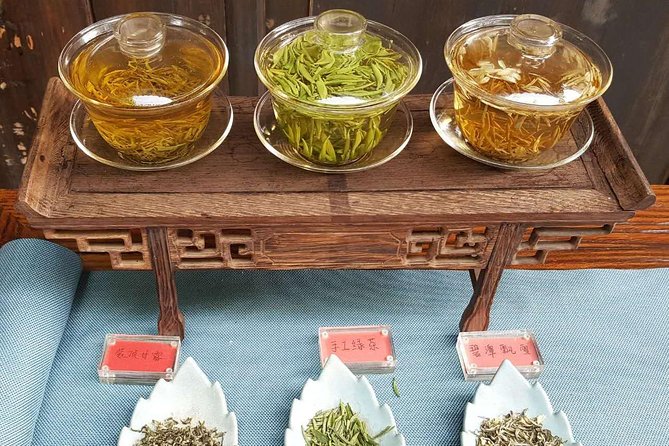
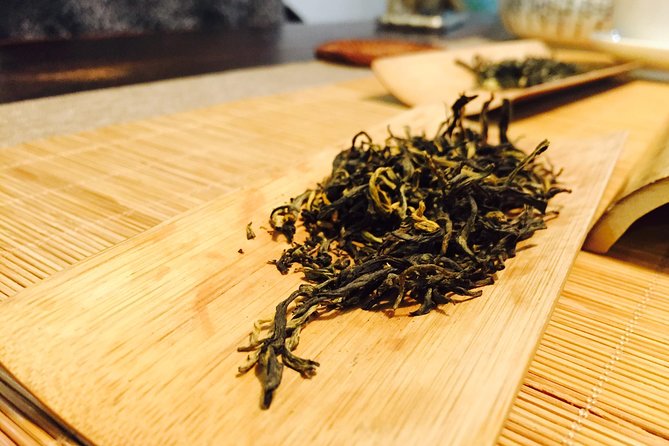
The first thing to understand is scale. This is not one shop with a few shelves of tea. It is a large wholesale market made up of thousands of tea stores, with leaves and tea goods available in many shapes, sizes, and grades.
You may see tea being prepared for sale, including drying, processing, and packaging. The exact shop experience can vary, but the guide helps turn these details into something you can understand. Instead of simply seeing piles of leaves, you can learn what the shops are doing and why the leaves look different.
For me, this is the best reason to choose a private tour. A large market can be confusing if you walk in alone. You may not know which tea is green, black, white, oolong, or Pu-er tea, and packaging may not tell you much in English. A guide gives you a starting point and lets you ask questions as you go.
The scale also creates a small challenge. There is a lot to see, and two hours can pass quickly if you want to compare several shops. If you prefer a quiet, carefully staged cultural visit, this wholesale market may feel rough around the edges. If you like seeing how local goods are traded, the lack of polish is part of the point.
Learning the Difference Between Green, Black, White, Oolong, and Pu-er Tea
The tour covers five major categories: green, black, white, oolong, and Pu-er tea. That list gives you a useful framework for shopping, since the names can otherwise blur together when you face shelves of unfamiliar leaves.
You can ask how the teas differ, how they are processed, and what qualities are associated with drinking them. The experience is not just about buying the cheapest packet. It helps you understand why two teas can look different, cost different amounts, or suit different tastes.
A private setting gives you room to ask basic questions without feeling rushed. You can ask your guide to compare teas, explain packaging, or help you identify the type you tasted. That is especially helpful if you are buying tea for home and want something more specific than a pretty box.
Keep your expectations measured. The available information promises instruction about tea types, processing, packaging, and common effects, but it does not specify a formal tea ceremony or a detailed lesson in Chinese tea history. Think of this as a practical market tour with tasting, not a full specialist course.
Tea Tasting Before You Spend Your Money
The most useful shopping feature is the chance to sit down and taste tea before making a purchase. You are not limited to choosing from a sealed package based on appearance alone.
That small step can protect you from buying tea you do not enjoy. You can sample what catches your attention, compare options, and decide if the flavor suits you. If you are buying several kinds, tasting first also gives you a way to make sensible comparisons.
Your guide can help explain what you are trying, but the final choice remains yours. A tea that is described as high quality may not be the tea you prefer. Tasting lets you trust your own palate.
The supplied feedback gives special praise to a guide named Jerry, with one visitor crediting him for making the market visit both enjoyable and informative. If Jerry is your leader, you may benefit from the same friendly, question-focused approach. Guide assignments can vary, so the firm promise is an English-speaking leader rather than a guaranteed particular person.
More Shopping Tours in China:
- Paris VIP Shopping Experience-Lounge Access, Tea time & Transfer
★ 4.0 · 52 reviews - Tea Time & Doughnuts at Borough Market: A Proper London Treat
★ 5.0 · 41 reviews - Taipei Fresh Market Tour and Colorful Bubble Tea Making
★ 5.0 · 6 reviews - Taipei: Taiwan Traditional Breakfast & Market & Tea Tasting
★ 5.0 · 6 reviews
Tea Sets and Accessories at Wholesale Prices
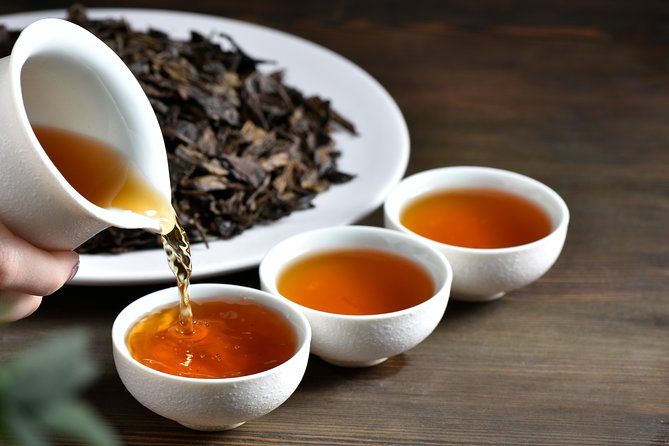
The market is useful even if you are not looking for loose tea. It is also described as a good place to buy tea sets and accessories at lower prices.
That can include the practical items needed to serve tea, though the specific stock will depend on the shops you visit. If you have been looking for cups, pots, or related equipment, this is a chance to compare items in one place rather than visiting separate souvenir stores.
The wholesale setting can help with price, but you should still take your time. Low cost does not automatically mean the item is right for you. Check the size, design, and usefulness of anything you buy, especially if you have limited room in your luggage.
If you are purchasing tea, ask about packaging and how to carry it home. The tour information confirms that packaging is part of what you can learn, but it does not promise special export packing or shipping services.
Is $46.16 Per Person Good Value?
At $46.16 per person, the tour is reasonably priced if you value private guidance and plan to spend time tasting or shopping. The price covers an approximately two to three-hour experience, an English-speaking leader, and access to a market that could be difficult to understand on your own.
The value is strongest for first-time tea buyers. You get help sorting out the basic categories, a chance to taste before purchasing, and a guide who can make the market less confusing. If you buy tea or tea accessories, the shopping opportunity adds another reason to go.
The value is weaker if you only want a quick look. You could find the market interesting, but a private tour costs more than simply passing through on your own. The price also does not mean your tea purchases are included. Treat the tour fee and your shopping budget as separate costs.
Group discounts are offered, which may improve the price for some bookings. Since this is a private activity, your group will not be combined with strangers. That gives you more control over questions and pacing, although the exact discount depends on the booking details.
How the Two-Hour Visit Usually Fits Together
The stated duration is approximately two to three hours, while the market stop itself is listed at about two hours. That makes this an easy half-day addition to a Chengdu schedule rather than a full-day commitment.
You begin with your English-speaking leader at the agreed meeting point or through offered central hotel pickup. From there, the focus is the wholesale tea market. The visit covers the market’s many shops, tea processing and packaging, the main tea categories, tasting, and shopping.
Because the activity is private, you can use your time according to your interests. You might spend more time learning about Pu-er tea, compare green and oolong tea, or focus on tea sets. The information does not promise a fixed sequence through named shops, so expect the route and stops to depend on the guide and your questions.
The tour returns to the starting meeting point. That makes it easier to plan another activity afterward, though I would leave some breathing room rather than scheduling something that begins immediately.
Who Will Like This Tour Most?
I would recommend this experience to you if you fit one of these descriptions:
- You want to buy Chinese tea but need help understanding what you see.
- You enjoy food and drink experiences tied to local trade.
- You prefer a private guide to a large group.
- You want to taste tea before spending money.
- You are interested in tea sets and accessories as well as tea leaves.
- You have already planned to visit Wenshu Yuan Monastery or another central Chengdu sight.
Families, couples, and small groups can all participate, and most people can take part. The private format is especially useful if your group has different interests. One person can ask about tea, another can browse accessories, and everyone can regroup for tasting.
I would think twice if you dislike shopping or have no interest in tea. The market is the heart of the experience, and the tour does not promise a major historic monument, a formal tea ceremony, or a broad city tour. Its appeal comes from practical learning and local commerce.
Practical Tips Before You Go
Wear something comfortable for a market visit and keep your schedule flexible around the two to three-hour duration. The available information does not specify a dress code or special equipment, so you do not need to prepare for anything elaborate.
Bring a phone that can display the mobile ticket, and confirm whether your pickup is from your hotel or whether you should meet at Wenshu Yuan Monastery. This is the most important logistical point because the tour has both a listed meeting place and a pickup option.
If you want to buy tea, decide before you arrive how much you can carry and spend. Tasting can make several teas appealing, and a large wholesale market offers plenty of chances to add one more packet or accessory.
The activity can be cancelled for a full refund if you cancel at least 24 hours before the start time. Changes or cancellations made less than 24 hours before the start are not accepted for a refund, and the cut-off follows local Chengdu time.
Should You Book the Chengdu Tea Market Tour?
Book it if you want an informed introduction to Chinese tea shopping, especially if you plan to taste and buy. The combination of a private English-speaking guide, a huge wholesale market, tea education, and affordable accessories gives the experience clear practical value.
Skip it if you want a traditional sightseeing tour with grand architecture or a tightly scripted cultural performance. This is a working market visit, and its success depends on your curiosity.
For most tea fans, the best plan is to arrive with a few questions and an open shopping budget. Ask to compare teas, taste before buying, and use the guide to make sense of the market. At $46.16 per person, it is a sensible choice for a small group that wants more than a quick walk through Chengdu’s tea shops.
FAQ
How much does the private Chengdu tea market tour cost?
The listed price is $46.16 per person. Group discounts are offered, though the discount amount is not specified.
How long does the tour last?
The experience lasts approximately two to three hours. The tea market visit itself is listed as about two hours.
Where does the tour begin?
The listed meeting point is Wenshu Yuan Monastery at 66 Wen Shu Yuan Jie, Qingyang District, Chengdu, Sichuan, China, 610084.
Does the tour offer hotel pickup?
Yes. Pickup is offered from centrally located hotels in Chengdu. The exact pickup arrangement should be confirmed when booking.
Where does the tour end?
The activity ends back at the meeting point at Wenshu Yuan Monastery.
Is this a private activity?
Yes. Only your group participates in the activity.
Can I taste tea before buying it?
Yes. You can sit in a tea shop and taste the tea you want to try before making a purchase.
What types of tea can I learn about?
The tour covers oolong, green, black, white, and Pu-er tea. It also explains tea drying, processing, packaging, and commonly discussed effects of drinking different teas.
More Three-Hour Experiences in China
- Shanghai 3-Hour Afternoon Tea Tasting and Dessert Tour
★ 4.9 · 15 reviews - 3-hour Morning/Afternoon Tea Tasting on Maliandao Street & Dimsum
★ 5.0 · 7 reviews - 3-Hour Private Hutong Walking Tour with Drum Show at Drum Tower and Tea Tasting
★ 5.0 · 3 reviews - 3 hours Xi’an Mahjong Class with Local Tea
★ 5.0 · 2 reviews
Just added around China
- Full-day Tour: Spectacular Sunrise, Tea Plantation & Sunset★ 5.0 · 3 reviews
- Unlock Chinese Tea: Culture, Science, Tasting & Hands-on Brewing★ 5.0 · 12 reviews
- Shanghai Mahjong Experience in Local Tea Bar★ 5.0 · 4 reviews
- Chinese Tea Ceremony Experience★ 5.0 · 3 reviews
- Private Tour Hangzhou West Lake and Tea Fields Discovery★ 5.0 · 3 reviews
- Half-Day Hangzhou Jiuxi Stream and Tea Plantation Experience★ 5.0 · 2 reviews
- Hangzhou West Lake and Tea Plantation Half Day Tour★ 5.0 · 4 reviews
- Private Hangzhou Day Tour to West Lake, Lingyin Temple, Tea Village, Old Pagoda★ 5.0 · 17 reviews
Markets, compared.
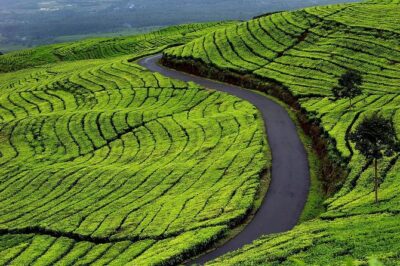
Active Volcano, Rice Field, Hot Spring, Fruit market, Tea Plantation with Lunch
Read our review →
Nishiki Market Tea Ceremony with Koto Performance
Read our review →
Delicious Doughnuts & Tea: Small-Group Borough Market Experience
Read our review →
Tea Time & Doughnuts at Borough Market: A Proper London Treat
Read our review →
Taiwan Traditional Breakfast & Market & Tea Tasting
Read our review →
Taipei Fresh Market Tour and Colorful Bubble Tea Making
Read our review →
Tea plantation walk with Visit of Historical ,village & Market
Read our review →
[NEW]JPN CULTURE – Buy@Toyosu Market SUSHI Making +TEA +Maid Cafe
Read our review →Browse the lists this tour appears in