
Review · THAILAND
7 Wonders of Chiang Rai: Temples, Tea, and Golden Triangle
Chiang Rai rewards a full day. This tour packs the province’s best-known sights into one well-planned loop, from the dazzling White Temple to the borderlands of the Golden Triangle. I especially like the mix of art, religion, tea, and regional history. You are not looking at seven versions of the same temple.
I also like the small-group format, with no more than 10 people, and the fact that pickup, lunch, drinking water, insurance, and an English-speaking guide are included. The main drawback is the pace. Six major stops plus lunch make this a long day, and several admission fees cost extra. You finish around 6:30 to 7:00 PM, so this is not a good fit if you need to return to Chiang Mai that evening.
Key details before you book
- White Temple and Blue Temple: See two of Chiang Rai’s most memorable modern religious buildings, each with a very different mood.
- Black House’s unusual art: Baan Dam uses animal bones, skins, horns, and dark symbolism to explore death and human existence.
- Tea among the hills: Choui Fong Tea Plantation gives you time for green views, fresh tea, and tea-based desserts.
- Golden Triangle border views: Look across the meeting point of Thailand, Laos, and Myanmar, where the Mekong and Ruak rivers come together.
- Small-group transport: Pickup is available within 3 kilometers of Chiang Rai city center, with a maximum of 10 participants.
- Extra costs matter: Visiting every paid attraction adds 530 baht per person beyond the tour price.
Why this Chiang Rai day trip works
Chiang Rai can be awkward to explore without your own transport. The main sights are spread across the province, and the Golden Triangle is far from the city center. This tour solves that problem with hotel pickup, a van, and a single day of organized sightseeing.
The route also has a good sense of contrast. You begin with the White Temple’s bright, almost fantastical design. Then you move to the blue-and-gold interior of Wat Rong Suea Ten, followed by the somber world of Baan Dam. Later, the mood changes again with tea fields, river views, and the difficult story of the opium trade.
At $41 per person, the base price is appealing for a full day of transport and guiding. Thai lunch, water, and travel insurance are included. You should budget separately for the four optional admission fees:
- White Temple: 100 baht
- Black House Museum: 80 baht
- Long Neck Karen Village: 300 baht
- House of Opium: 50 baht
That comes to 530 baht if you visit everything. The tour information says each attraction and fee is optional, so you can decide as you go. Still, the total price is worth calculating before you book, especially if you want to see all seven stops.
A few more tea experiences around the world worth a look
- Kyoto: Tea Ceremony in a Traditional Tea House in Kiyomizu
★ 4.9 · 3,519 reviews - London: Afternoon Tea Cruise on the River Thames
★ 4.4 · 3,274 reviews - Kyoto: Tea Ceremony Ju-An at Jotokuji Temple
★ 4.9 · 3,207 reviews
8:00 to 8:30 AM pickup and a long return ride
Pickup is available from hotels within 3 kilometers of Chiang Rai city center. Be ready in the hotel lobby between 8:00 and 8:30 AM. The morning window matters, since a late start would squeeze an already busy schedule.
The first van ride takes about 30 minutes. At the end of the day, the return ride is listed at about 80 minutes, and the tour normally finishes between 6:30 and 7:00 PM. That gives you a realistic picture of the day: this is closer to a full working day than a relaxed half-day outing.
The small group helps. A van with up to 10 people is easier to manage than a large coach, especially at quick photo stops. It also gives the English-speaking guide a better chance to explain what you are seeing and keep the schedule moving.
Bring comfortable shoes, a camera, cash, and a credit card. The day includes walking at temples, museums, the tea plantation, and the Golden Triangle. Alcohol and drugs are not allowed, and baby strollers and bikes are not suitable for this activity.
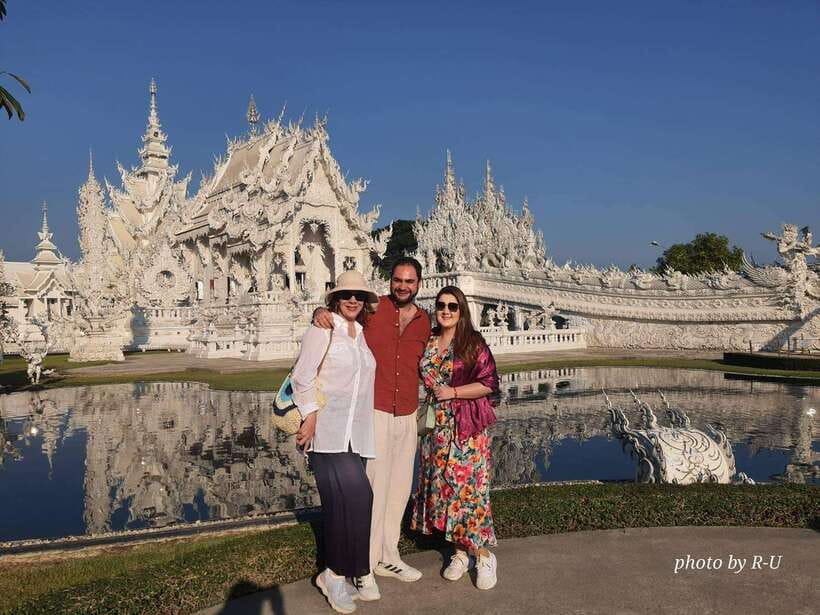
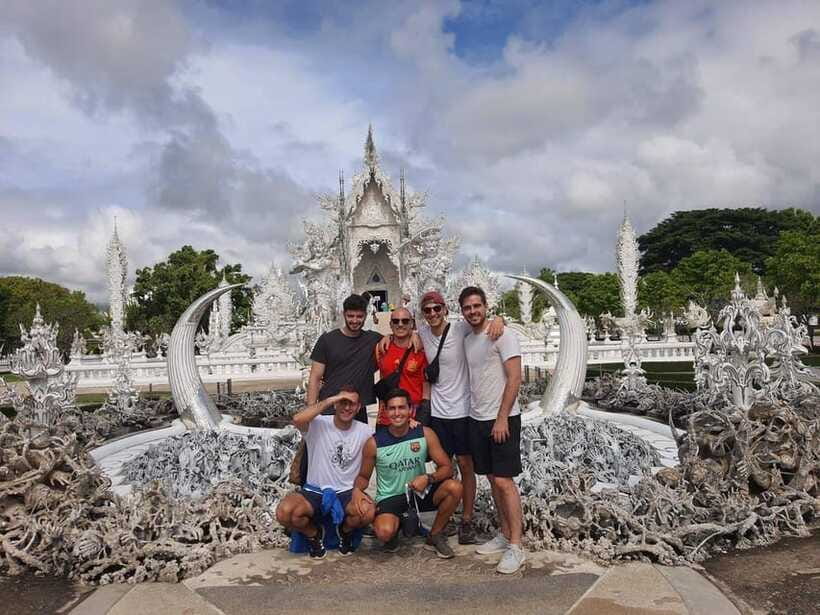
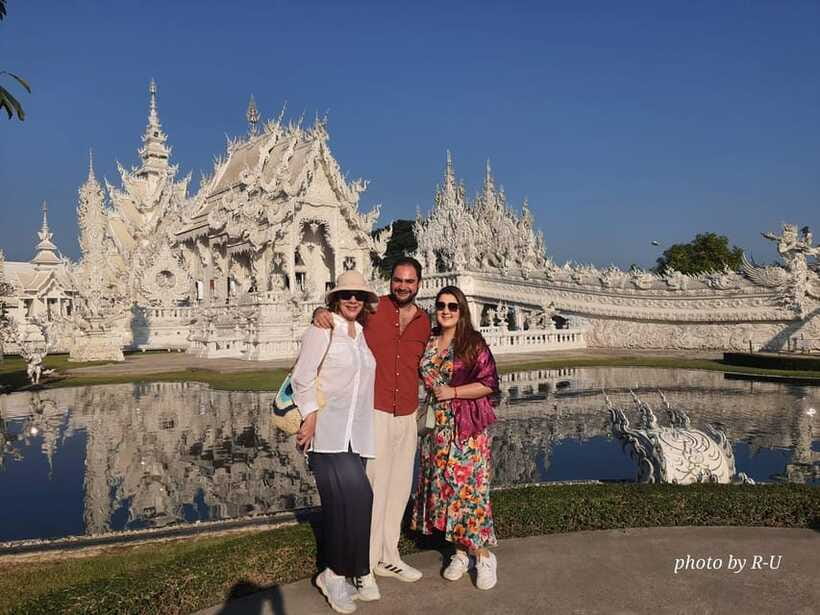
Wat Rong Khun, Chiang Rai’s White Temple
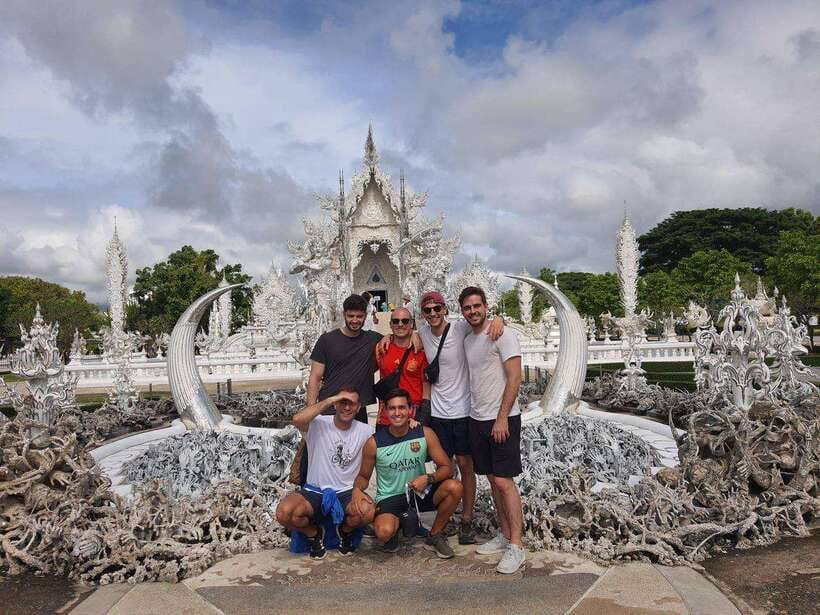
Your first major stop is Wat Rong Khun, better known as the White Temple. You get about an hour here, enough time for a guided visit and photographs.
The temple was created by Chalermchai Kositpipat, and its white surfaces are covered with detailed designs and mirrored glass. In sunlight, the glass catches the eye from every angle. The effect is clean and bright, with purity as the central idea.
Inside, the murals mix Buddhist subjects with modern pop culture references. That combination may surprise you. This is not an old temple preserved exactly as it was. It is a modern artistic statement that uses traditional religious ideas while speaking in a contemporary visual language.
I would give this stop your full attention rather than treating it as a quick photo backdrop. Look closely at the details, then allow time to take in the contrast between the white exterior and the more unexpected interior imagery.
Admission is not included. The fee is 100 baht per person. If you want to keep costs down, you can skip the paid interior visit, but the tour’s value is stronger when you see the work from inside as well as outside.
Wat Rong Suea Ten and the Dancing Tiger legend
The Blue Temple comes next, with about 30 minutes for a guided visit and photographs. Its Thai name, Suea Ten, means Dancing Tiger. Local legends connect the name with tigers that once moved through the area.
This temple has a completely different visual character from Wat Rong Khun. Deep blue tones cover much of the building, while gold accents add sharp contrast. The design draws on Lanna traditions but gives them a modern treatment.
Inside, a serene white Buddha provides the focal point. Detailed murals surround it, creating a calmer, more enclosed feeling than the White Temple. I like this stop because it prevents the day from becoming a single-color temple tour. The two buildings are close enough in style to compare, but different enough to remain distinct.
Thirty minutes is fairly brief. You should be ready to listen, look, and photograph without lingering too long. If you enjoy temple architecture, you may wish the schedule allowed more time here.
Same place, a different pot:
- Afternoon Tea Bus Tour in Dublin
★ 5.0 · 2,791 reviews - Kyoto: 45-Minute Tea Ceremony Lesson Experience
★ 4.3 · 2,378 reviews - London: Afternoon Tea Bus Tour – 1960s Routemaster Bus
★ 4.5 · 2,032 reviews - London: Afternoon Tea Bus with a Glass of Prosecco
★ 4.4 · 1,853 reviews
Baan Dam, where art turns toward death
Baan Dam Museum, also called the Black House, gives you about an hour. It was created by artist Thawan Duchanee and is not a traditional temple. Instead, it is an art complex concerned with mortality, existence, and the darker side of life.
The buildings and collection include animal bones, skins, and horns. These materials are not presented as light decoration. They create a serious, sometimes unsettling atmosphere and ask you to consider the relationship between life and death.
This is one of the most unusual stops on the day. If you prefer cheerful sightseeing, it may feel heavy. If you appreciate art that challenges you, it offers a useful counterpoint to the White Temple’s bright symbolism.
Admission is 80 baht per person. Take your time with the buildings and displays, but remember that the tour continues to a village, lunch, the tea plantation, and the border area. The one-hour stop is enough for a proper look without turning the museum into the entire morning.
Long Neck Karen Village and the question of cultural visits
The Long Neck Karen Village receives about 45 minutes. Here you learn about Karen women who wear brass rings around their necks as a sign of beauty and cultural identity. The rings create the appearance of elongated necks, and the tradition has been passed down through generations.
The visit includes an introduction to local life, weaving, and handcrafted souvenirs. You can support the community by purchasing handmade goods, though buying is not required.
This stop deserves a thoughtful approach. You are looking at a living culture, not a museum display. Listen to the guide, ask questions respectfully, and avoid treating people as photographic props. The experience may feel more commercial than the temples, but it can still provide a useful introduction to the tradition and the people who maintain it.
The entry fee is 300 baht per person, making it the most expensive optional admission on the route. Since the fee is not included, decide in advance if this is a priority for you. The tour allows you to skip it if you prefer.
Lunch at a local restaurant
Lunch lasts about 45 minutes at a local restaurant and is served as a Thai buffet. This is a practical choice for a busy day. A buffet keeps the group moving and lets you choose what suits your appetite.
Lunch is included in the $41 price, along with drinking water. That helps the tour offer better value than an outing where you must pay for every meal and drink along the way.
Do not expect a long restaurant break. You have several stops still ahead, so lunch is mainly a chance to eat, rest, and reset before the afternoon drive.
Choui Fong Tea Plantation for a quieter pause
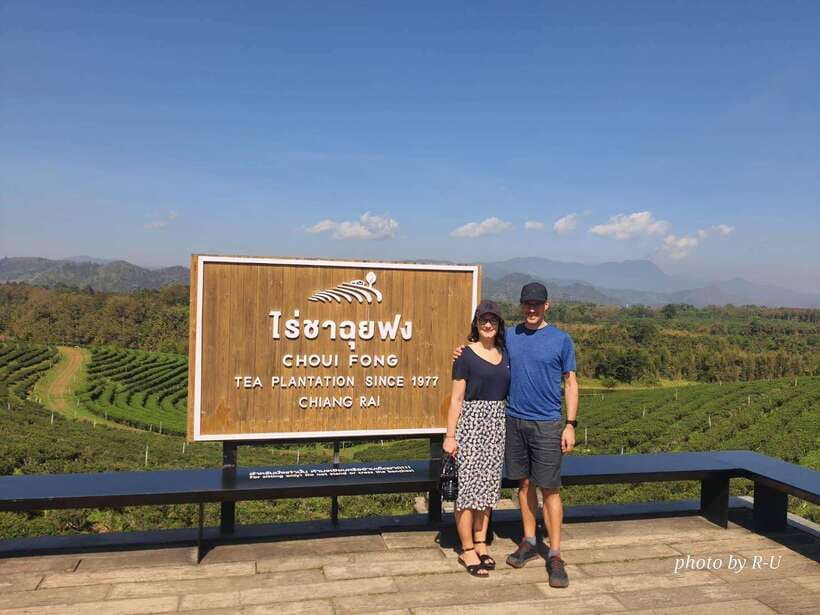
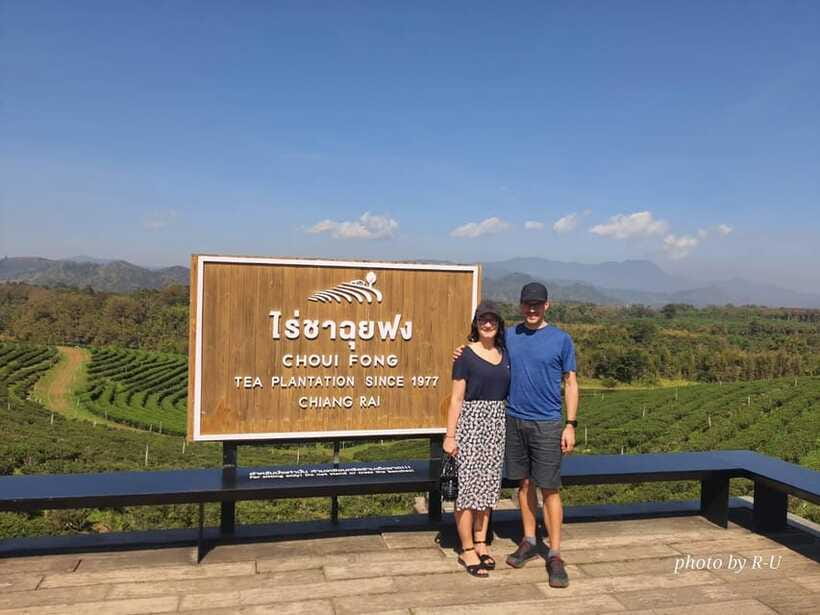
After the morning’s temples and art, Choui Fong Tea Plantation changes the rhythm. You get about 40 minutes to walk through neatly trimmed tea fields, learn how tea is cultivated, and enjoy the views from the plantation café.
The green rows and rolling hills offer a welcome change from museum interiors and temple courtyards. You can also try freshly brewed tea and tea-based desserts. This is a good place to slow down, take photographs, and enjoy something simple.
Forty minutes is enough for a short walk and refreshments, but not for an extended plantation visit. If tea is your main interest, you may want more time. If you see it as a scenic break between major attractions, the schedule works well.
The plantation also adds variety to the tour’s value. You are not just checking off famous buildings. You are seeing one of the province’s agricultural products and getting a small taste of how it is grown and served.
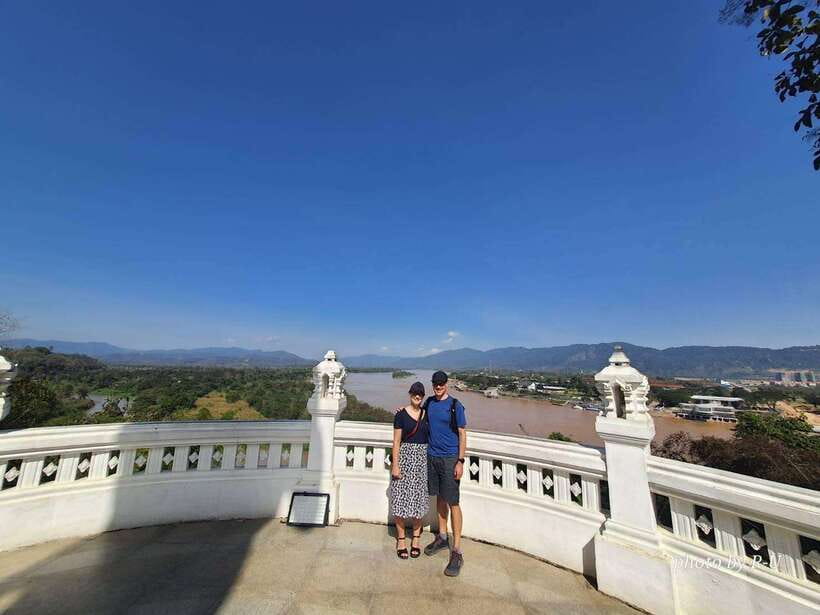
The Golden Triangle at the Mekong and Ruak rivers
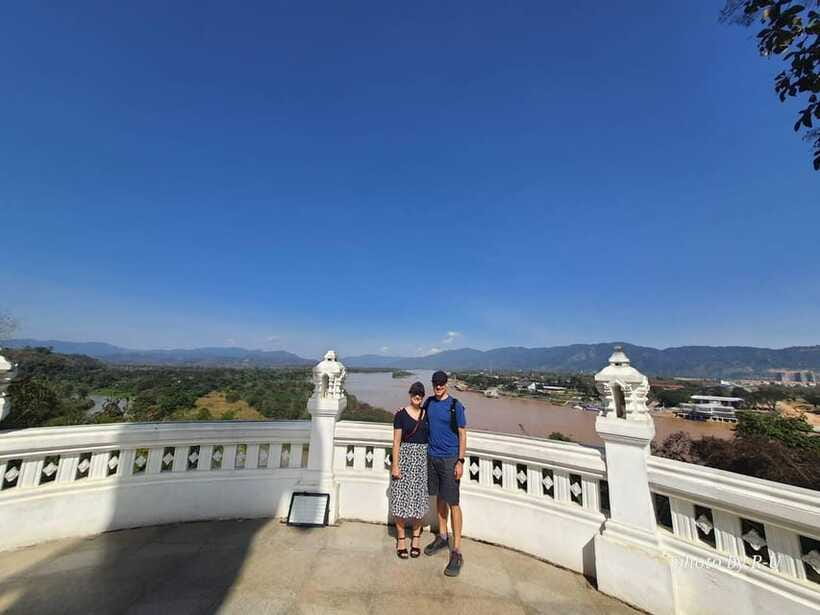
The Golden Triangle is the geographical centerpiece of the afternoon. From the Thai side, you look toward the meeting point of Thailand, Laos, and Myanmar. The Mekong and Ruak rivers help define this border region.
You have about 30 minutes here for a guided visit, free time, and photographs. The area was once notorious for opium production and trade. Today, the river junction is a peaceful place to look across the water and think about how the region has changed.
Do not expect a long river excursion from this experience. The schedule gives you a viewpoint and a short stop, not an extended border tour. Its value comes from the location and the explanation of the area’s role in Southeast Asian trade and conflict.
For many people, this is the moment that gives the day its wider regional context. The temples show Chiang Rai’s art and faith. The Golden Triangle connects the province to three nations and a difficult chapter in modern history.
House of Opium Museum and the region’s difficult past
The final major stop is the House of Opium Museum, near the Golden Triangle. You have about 40 minutes for the museum, photographs, shopping, and walking.
The exhibits cover opium cultivation, tools, pipes, smuggling methods, and the effect of the trade on local communities. The museum also explains wider efforts to fight the trade. It is smaller than a major national museum, but its subject fits the border region directly.
I find this stop valuable because it gives meaning to the Golden Triangle visit. Without it, the border viewpoint could feel like a scenic photo stop with a dramatic name. The museum explains why the area became famous and what that reputation meant for people living there.
Admission costs 50 baht per person. The museum is optional, but I would consider it one of the better small additions to the day. It connects geography with social history and helps you understand what you have just seen.
Value, pace, and who should book
This tour suits you if you have one full day in Chiang Rai and want to see the major sights without arranging a private vehicle. The $41 price is reasonable because it includes city pickup and drop-off, an English-speaking guide, Thai buffet lunch, drinking water, and travel insurance.
The value is strongest for first-time visitors. You get temples, contemporary art, cultural traditions, tea, border scenery, and an opium museum in one organized loop. A self-guided version would require more planning and transport time.
The tradeoff is pace. You spend only 30 minutes at the Blue Temple and the Golden Triangle, and 40 minutes at the tea plantation and House of Opium. The full day also includes long van time, particularly on the return. This is not the right choice if you want slow photography, long café breaks, or a detailed study of one site.
The tour is not suitable for babies under 1 year, people over 80, or people over 95, according to the activity information. You can cancel up to 24 hours before departure for a full refund, and you can reserve now and pay later. Those flexible terms help if your Chiang Rai plans are still changing.
Should you book this Chiang Rai tour?
Book it if you want a broad, efficient introduction to Chiang Rai and appreciate a day with plenty of variety. The best parts are the contrast between the White Temple, Blue Temple, and Black House, plus the tea plantation and the historical context at the Golden Triangle.
Skip it if you dislike early starts, organized schedules, van rides, or optional entrance fees. Also skip it if you must reach Chiang Mai the same evening, since the tour can finish around 7:00 PM.
For most first-time visitors with one free day in Chiang Rai, I think it is a strong value. Bring cash for the admissions, wear shoes you can walk in, and expect a full day rather than a gentle outing.
FAQ
How much does the Chiang Rai tour cost?
The tour costs $41 per person. Pickup, drop-off within the stated Chiang Rai city area, an English-speaking guide, Thai buffet lunch, drinking water, and travel insurance are included.
Are entrance fees included?
No. The White Temple costs 100 baht, the Black House costs 80 baht, the Long Neck Karen Village costs 300 baht, and the House of Opium costs 50 baht per person. Visiting these attractions and paying the fees is optional.
Where does hotel pickup take place?
Pickup is available from hotels within 3 kilometers of Chiang Rai city center. You should wait in the hotel lobby between 8:00 and 8:30 AM.
How late does the tour finish?
The tour normally ends between 6:30 and 7:00 PM back at the meeting point in Mueang Chiang Rai.
Is lunch included?
Yes. A Thai buffet lunch at a local restaurant and drinking water are included.
How many people are in the group?
The tour is a small-group experience limited to 10 participants.
Just added around the world
- Yogyakarta: Prambanan Tour, Sukuh Temple & Tea Plantation★ 5.0 · 3 reviews
- Yokohama : Tea Ceremony with Sweets and Souvenir★ 5.0 · 5 reviews
- York: Private Horse-Drawn Carriage Ride and Afternoon Tea★ 5.0 · 3 reviews
- Wadi Rum: 2-Hour Jeep Tour with Bedouin Tea★ 5.0 · 11 reviews
- Walking Tour: Yanaka,Nezu& Sendagi: Tea Ceremony & Old Tokyo★ 5.0 · 3 reviews
- Washington, D.C.: Tea Around Town Bus Tour with Landmarks★ 3.4 · 7 reviews
- Visit local home for music and tea ceremony near Disney★ 4.9 · 13 reviews
- Volcano, Hot Spring, Mud Bath & Tea plantation all included★ 5.0 · 5 reviews
Thailand Tea Tours, compared.
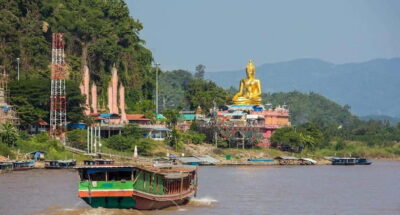
Chiang Rai: 7 Major Sites, Golden Triangle & Tea Plantation
Read our review →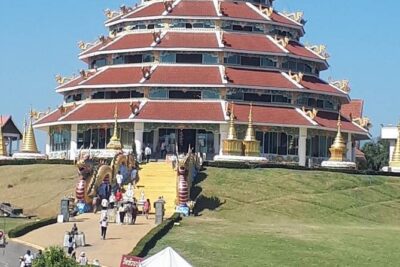
Best Places in Chiang Rai White, Blue, Big Buddha, Tea Plantation
Read our review →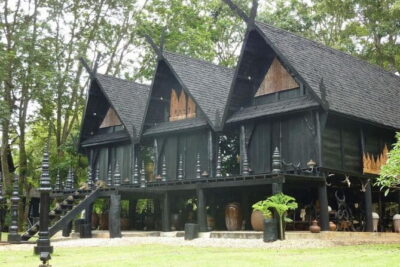
From Chiang Rai: 3 Temples, Golden Triangle Tour, Tea Plantation
Read our review →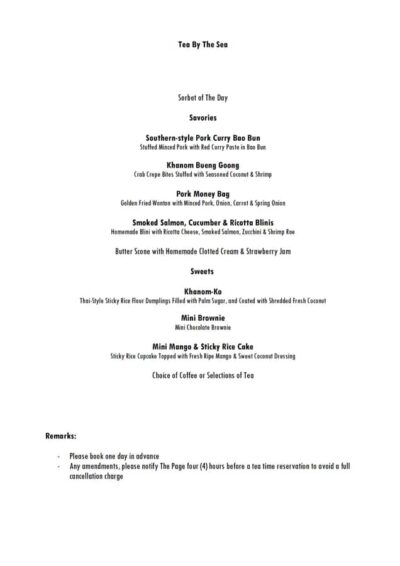
Chiang Mai InterContinental Afternoon Tea & Teresa Teng Room
Read our review →Browse the lists this tour appears in