
Review · NAIROBI
Kiambethu Tea Farm Tour & Lunch From Nairobi
A quiet tea day outside Nairobi awaits. Kiambethu Tea Farm offers a thoughtful mix of Kenyan settler history, family stories, tea production, forest walking, and a three-course lunch. I especially like the farm’s long family connection, dating to 1910, and the chance to see Colobus monkeys around an old indigenous forest. I also like that hotel pickup and drop-off are included, which removes much of the day’s transport hassle.
The main consideration is time. The tour costs $125 per person and takes about six hours from Nairobi, so it is not a quick add-on between city sights. The farm is closed on Mondays, Christmas Day, and New Year’s Day, and the exact amount of time spent on the road will depend on your pickup location and traffic.
Key Points to Know Before You Book
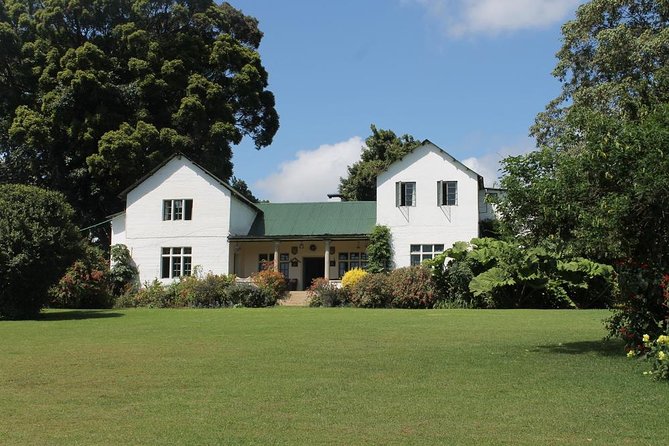
- A family farm founded in 1910: Marcus and Fiona welcome you at the main house with homemade biscuits and tea before explaining the farm’s story.
- Tea and colonial-era context together: You learn how tea developed into one of Kenya’s major export crops while also hearing about settler life.
- Colobus monkeys near the gardens: The grounds and preserved forest offer a chance to glimpse these distinctive monkeys.
- A proper three-course lunch: Food is made with fresh, locally sourced ingredients whenever possible.
- Pickup from Nairobi is included: The stated meeting time is 9:30 a.m., with arrival at Kiambethu around 11 a.m.
- A small cultural outing with outdoor time: You get tea gardens, a forest walk, a history talk, and lunch in one half-day visit.
Why Kiambethu Makes a Good Break From Nairobi
Nairobi can fill your day with museums, markets, traffic, and city noise. Kiambethu offers a slower change of pace without requiring a long safari or an overnight stay. You leave the city, reach a working tea estate, and spend several hours moving between gardens, forest, and the main house.
What I like most is the combination of subjects. This is not simply a farm visit and not simply a countryside lunch. The day connects Kenya’s agricultural economy with its settler past and with the natural areas that survived the spread of tea farming.
That combination gives the outing more substance than a photo stop. You hear how tea became one of Kenya’s major export crops, then see the gardens where that story continues. You also walk through a section of indigenous forest that remains after much of the surrounding forest was cleared for tea.
The setting is described as especially attractive, with gardens around the house and Colobus monkeys living in the area. You should treat wildlife sightings as a welcome possibility rather than a promise. The monkeys are a notable feature of the farm, but animals do not follow a schedule.
More Tea Plantation Tours in Kenya:
- Nairobi to Kiambethu Tea Farm Tour
★ 5.0 · 51 reviews - Private Day Trip to Kiambethu Tea Farm in Limuru from Nairobi
★ 5.0 · 31 reviews - Day Tour To Kiambethu Tea Farm in Limuru
★ 5.0 · 22 reviews
The 9:30 a.m. Pickup and Drive to the Farm
The day begins with pickup from your Nairobi hotel or accommodation at about 9:30 a.m. Hotel transport is included, with drop-off at your hotel or residence later in the day. That matters in Nairobi, where arranging separate transport can add cost and uncertainty.
The stated arrival time at Kiambethu is 11 a.m. This gives you a useful sense of the morning rhythm: pickup, road time, then a late-morning welcome at the farm. The complete outing lasts approximately six hours, while the on-site portion is listed at about four hours.
I would keep your morning free rather than scheduling an important activity before pickup. Nairobi traffic can affect driving times, and the tour already has a set sequence once you arrive.
The maximum group size is listed as 100 people. That is a large possible capacity, although the farm setting and the included guide-led activities may feel different depending on the number booked for your date. If a quiet meal and personal attention are very important to you, ask about the expected group size before paying.
Meeting Marcus and Fiona at the Main House
At around 11 a.m., you reach the main house, where Marcus and Fiona welcome you with homemade biscuits and tea. This opening sets the tone well. Rather than starting with a formal lecture in a visitor center, the visit begins with hospitality and a family connection to the property.
The farm has been owned and operated by the same family since 1910. That long ownership gives the history talk a direct link to the place beneath your feet. You are not only hearing a broad account of Kenyan tea production. You are also learning about one family’s part in that story.
The welcome tea is a small but important detail. Tea is the reason for the visit, so tasting it before walking through the gardens helps connect the conversation to the crop itself. The homemade biscuits add a personal touch without turning the first stop into a formal meal.
I would listen closely during this opening talk. The settler period in Kenya can be presented in a very polished way, but the most useful part of this visit is the chance to understand how farming, family ownership, export crops, and land use fit together. The tour is best approached with interest in both the pleasant setting and the complicated history behind it.
Understanding Kenya’s Tea Story
Tea is now one of Kenya’s largest export crops, and Kiambethu gives you a way to connect that fact to a particular farm. You learn about the tea-making process and how the crop developed in Kenya. The visit does not present tea as an isolated product. It places tea within the story of settlement and agricultural change.
That context is valuable because the gardens are not just attractive scenery. They represent a major economic shift. The preserved forest walk also helps explain the cost of that shift, since much of the original forest was cleared for tea farms.
You will not be visiting a large industrial factory based on the information provided. The focus is the estate, its story, the tea gardens, the forest, and the family’s account of the farm. If you want a detailed, technical explanation of every stage of commercial tea processing, you may find the talk less extensive than a factory tour.
For most people, though, the balance is right. You get enough production background to understand what you are seeing, without spending the whole visit beside machinery.
More Lunch Experiences in Kenya:
- Nairobi: Tea Farm Day Trip with Lunch at kiambethu
★ 4.0 · 21 reviews - Kaimbethu tea farm tour and lunch package
★ 4.8 · 14 reviews - From Nairobi: Kiambethu Tea Farm Tour & Lunch
★ 4.7 · 6 reviews - Riara tea farm tour with lunch and tea tasting from Nairobi
★ 5.0 · 3 reviews
Walking the Gardens and Looking for Colobus Monkeys
The gardens around the main house are worth time on their own. They give you a chance to stretch your legs, take in the setting, and look for the resident Colobus monkeys. Their presence is one of the most memorable details of the visit because it adds wildlife to what could otherwise be a purely agricultural outing.
The forest walk is another strong part of the day. A portion of indigenous forest has been preserved even though much of the original area was cleared for tea farming. The walk lets you see a piece of the older natural setting and consider how the farm developed around it.
The guide is described as highly entertaining and comical. That can make a big difference during a walk, especially when the group includes people with different levels of interest in plants, wildlife, and farming. A lively guide can keep the route engaging without making the information feel like a school lesson.
You should wear comfortable shoes and clothing suitable for walking outdoors. The provided information does not give the trail length or terrain, so I would not assume a strenuous hike. Still, this is more active than a seated lunch visit. If you have mobility concerns, ask the provider about the forest route before booking, since the available details say most people can participate but do not describe the path in depth.
Lunch With Fresh Farm Ingredients
The tour ends with a relaxed three-course lunch at the estate. Fresh ingredients are sourced locally whenever possible, which fits the setting and gives the meal more connection to the farm than a standard restaurant stop.
Lunch is included, along with afternoon tea. That makes the day feel complete. You begin with tea and biscuits, learn about the farm, walk through the gardens and forest, then finish with a proper meal rather than a rushed snack.
The meal is also part of the value of the tour. At $125 per person, you are paying for more than transport and a quick plantation visit. The package includes pickup and drop-off from Nairobi, a professional English-speaking guide, the history talk, walks through the tea gardens and forest, lunch, and afternoon tea.
The exact menu is not provided, so you should not book expecting a particular dish. Drinks beyond what is specified, personal purchases, telephone calls, tips, and other extras are not included. If you have dietary needs, contact the provider before the tour rather than assuming the kitchen can make changes on the day.
A relaxed lunch is one of the reasons I would choose this outing for a special day outside Nairobi. It slows the schedule down. You are not being pushed from one photo stop to the next.
Is $125 a Fair Price?
The price is not cheap, but it can be reasonable if you value convenience and a well-rounded day. Nairobi pickup and drop-off alone save you from arranging a separate driver. You also receive a guided cultural visit, tea, forest walking, wildlife viewing possibilities, and a three-course lunch.
The strongest value comes from combining several services in one booking. If you only want to see tea plants, $125 may feel high. If you want transport, a guide, a historical explanation, time outdoors, and lunch at the estate, the cost is easier to justify.
Group discounts are available, which may improve the price for families or larger parties. The tour also accepts mobile tickets, making it simple to keep the booking on your phone.
The tour is booked an average of nine days ahead, so I would not leave it until the last minute if Kiambethu is important to your Nairobi plans. Confirmation is received at booking, and free cancellation is available when you cancel at least 24 hours before the start time. Cancellations or changes made less than 24 hours ahead are not accepted for a refund.
Who Will Like This Farm Visit Most?
I would recommend Kiambethu to you if you want a cultural outing with a strong food and nature element. It suits people who enjoy hearing how a place developed, walking at an easy pace, and having a good meal in a distinctive setting.
It also works well for a first visit to Nairobi when you want to see more than the city but do not have time for a full safari. The Colobus monkeys may provide a small wildlife moment, while the forest and tea gardens offer a clear change from urban Kenya.
Families and groups may appreciate the included transport and group discounts. English-speaking guides make the visit accessible to many international visitors, and the information states that most people can participate.
I would think twice if your main goal is a long wildlife drive, a serious tea-production tour, or an intense hiking day. This is a gentle combination of history, gardens, forest, food, and conversation. Its appeal comes from variety, not from one dramatic attraction.
Practical Tips for a Smoother Day
Keep the full morning and afternoon available. The meeting time is 9:30 a.m., arrival is expected around 11 a.m., and the overall outing lasts approximately six hours.
Wear shoes suitable for a forest and garden walk. Bring a phone or camera if you want photographs, but remember that souvenir photos are not included and may be available to purchase separately.
Budget for personal expenses, drinks not covered by the tour, tips, and any purchases. Lunch and afternoon tea are included, but the general terms also state that food and drinks are not included unless specified, so stick to the clearly included items when planning your spending.
Check the operating calendar before choosing a date. Kiambethu is closed every Monday, Christmas Day, and New Year’s Day.
Should You Book Kiambethu Tea Farm?
I would book this tour if you want a polished but personal day trip from Nairobi, especially if tea, Kenyan settler history, local food, and a little wildlife all appeal to you. The homemade biscuits, welcome from Marcus and Fiona, preserved forest, Colobus monkeys, and three-course lunch give the visit a character that a basic plantation stop would lack.
I would skip it if you have only a few hours in Nairobi or want a safari-style wildlife outing. For everyone else, the price is best understood as payment for a complete day package: transport, guiding, history, tea, walking, wildlife possibility, and lunch. That is a fair deal for a convenient and distinctive break from the city.
FAQ
Where is the Kiambethu Tea Farm tour based?
The tour is based at Kiambethu Tea Farm outside Nairobi, Kenya. Pickup and drop-off are provided from a Nairobi hotel or residence.
What time does the tour start?
The stated start time is 9:30 a.m. Arrival at Kiambethu Tea Estate is expected around 11 a.m.
How long does the tour last?
The overall experience lasts approximately six hours. The on-site portion is listed as about four hours.
Is hotel pickup included?
Yes. Pickup from your Nairobi hotel or accommodation and drop-off at your hotel or residence are included.
What is included in the tour price?
The price includes transportation from Nairobi, lunch, afternoon tea, a visit to Kiambethu Estate, a local history talk, a walk in the forest and tea plantations, and professional English-speaking guides.
Is lunch included?
Yes. A three-course lunch is included, as well as afternoon tea at Kiambethu Estate.
Can I see Colobus monkeys?
The farm gardens and nearby preserved forest are known for a population of Colobus monkeys. Seeing them is possible, but wildlife sightings cannot be guaranteed.
Is the tour suitable for most people?
The information states that most people can participate. Details about the forest route and accessibility are not provided, so ask the provider if you have specific mobility concerns.
Is Kiambethu Tea Farm open every day?
No. The farm is closed every Monday, Christmas Day, and New Year’s Day.
Can I cancel for a refund?
Yes, free cancellation is available if you cancel at least 24 hours before the experience start time. Cancellations or changes made less than 24 hours before the start time are not accepted for a refund.
More Farm Visits in Kenya
- Nairobi: Purple Tea Farm Gatura Greens Day Trip
★ 4.9 · 16 reviews - Purple Tea Farm Tour from Nairobi City – Specialty Tea Tasting
★ 4.5 · 12 reviews - Tea Farm Experience at Riara Tea Farm And Factory Tour
★ 5.0 · 11 reviews - Tea Farm Tour From Nairobi (Kiambethu).
★ 4.9 · 10 reviews
Just added around Kenya
- Agro-Tourism Tea Workshop in Nandi Hills★ 5.0 · 3 reviews
- Riara tea farm tour with lunch and tea tasting from Nairobi★ 5.0 · 3 reviews
- Purple Tea Farm Tour from Nairobi City – Specialty Tea Tasting★ 4.5 · 12 reviews
- Tea Farm Experience at Riara Tea Farm And Factory Tour★ 5.0 · 11 reviews
- Excursion to Kiambethu Tea Farm★ 5.0 · 6 reviews
- Day tour to Kiambethu tea farm in Limuru from Nairobi★ 4.5 · 2 reviews
- Tea Farm Experience at Riara Tea Farm And Factory Tour★ 4.8 · 2 reviews
- Tea Farm Tour From Nairobi (Kiambethu).★ 4.9 · 10 reviews
Tea Plantation & Farm Tours, compared.

Thousand Island Lake and Pinglin Tea Plantation
Read our review →
Active Volcano, Rice Field, Hot Spring, Fruit market, Tea Plantation with Lunch
Read our review →
São Miguel: Furnas Volcano & Tea Plantation Tour with Lunch
Read our review →
Furnas Volcano & Tea Plantation With Traditional Lunch, East Tour
Read our review →
Thousand Island Lake and Pinglin Tea Plantation from Taipei
Read our review →
Volcano Wonders, Tea Plantation & Waterfall Tour
Read our review →Browse the lists this tour appears in