
Review · GUWAHATI
Guwahati Tea Garden tour @ Amchong
Tea country starts close to Guwahati. Amchong Tea Estate gives you a quick, low-cost look at Assam’s tea trade, with time among the plants, a tasting, and a guided factory visit. I especially like the chance to try tea plucking and see both orthodox and CTC production in one short outing. The main point to weigh is the limited two-hour schedule, which leaves little room for a slow visit.
I also like the private format, since only your group takes part, and the strong praise for the young guide’s polite, engaging explanations. At $11.22 per person, it offers good value for a focused introduction to Assam tea. You will need to plan food separately, and you should check how you will reach the estate, since the listed meeting point is in Digaru Gaon rather than central Guwahati.
Key points about the Amchong tea experience
- A 1,500-acre estate only about 30 minutes from Guwahati: You can leave the city behind without committing to a full-day excursion.
- Tea plucking is part of the visit: This adds a hands-on moment instead of keeping you on the sidelines.
- The nursery shows the process from an early stage: You see where tea production begins before plants reach the main gardens.
- Tea tasting is included: The visit connects the plants and factory work with the drink in your cup.
- The factory covers orthodox and CTC tea: You get a look at two named production methods during a guided visit.
- Private touring and a 4.9 rating from 28 ratings: The format suits people who want direct access to a guide and a more personal pace.
Why Amchong works as a short Guwahati outing
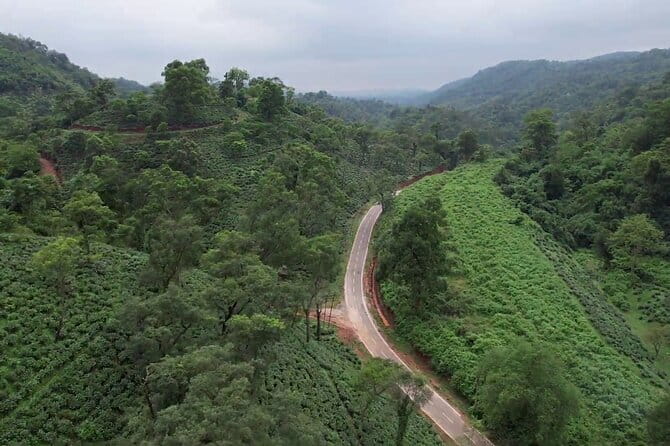
Assam is one of India’s great tea-producing regions, but you do not need to spend days reaching a remote plantation to see the process. Amchong Tea Estate is listed at roughly 30 minutes from Guwahati, making it a practical addition to a city stay.
The estate covers about 1,500 acres and employs more than 500 workers. Those numbers matter because they give you a sense of scale. This is not a tiny garden arranged only for sightseeing. It is a working tea operation with an annual production capacity of more than 1,000,000 kilograms.
The tour lasts about two hours, split between the estate and the factory. I see that as its biggest strength and its clearest limit. You can fit it into a morning or afternoon, but you should not expect a long rural excursion with several extra stops.
The private format is useful here. Only your group participates, so you can ask questions about planting, plucking, tasting, and processing without trying to follow a large crowd. A short tour benefits from that focus. You spend less time waiting and more time listening or looking closely.
More Tea Plantation Tours in India
- Amchong Tea Estate + Factory Visit (with Hi-tea only)
★ 5.0 · 30 reviews - Guwahati Tea Garden Tour with Lunch & Hi Tea (Premium Experience)
★ 5.0 · 26 reviews - Munnar: Tea Garden and Elephant Safari Trip by 4×4
★ 4.1 · 16 reviews
Reaching the tea gardens from Guwahati
The meeting point is Amchong Tea Estate in Jubai No. 2, Digaru Gaon, Assam 782401. The estate is described as about 30 minutes from Guwahati, though your actual travel time will depend on where you begin and local road conditions.
The supplied details do not clearly spell out a separate pickup service from your hotel. For that reason, I would confirm the transport arrangement before booking. Do not assume that the $11.22 price includes a city transfer unless the provider confirms it.
One published account praised the experience as a half-day outing when the trip from the city was included. That suggests the practical time commitment may be longer than the formal two-hour visit. Allow extra time around the scheduled activity, especially if you have a flight, train, or another timed booking afterward.
The meeting point itself is also the end point. You return there when the activity finishes. That is simple, but it means you should think ahead about your onward transport rather than expecting the tour to drop you at another Guwahati address.
The activity is offered Monday through Friday from 8:00 AM to 4:00 PM during the stated operating period, from July 20, 2024, through February 16, 2027. Confirmation is provided at booking, and the ticket is mobile, so you can keep the booking on your phone.
Starting with the nursery and tea plants
The first stop includes a nursery visit. This is a smart opening because it lets you see young plants before you walk through the mature tea-growing areas.
The nursery gives useful context to the rest of the visit. Tea production is not simply a matter of picking leaves from attractive rows. Plants must first be raised and cared for before they can contribute to the working estate. The nursery makes that early stage visible.
Details about the nursery’s exact size or planting methods are not provided, so you should treat this as an introduction rather than a technical horticulture lesson. Still, it adds something important to the visit: you begin with the life of the plant, then move toward harvesting and manufacturing.
I would pay close attention to the guide here. A young guide was praised for being polite, interesting, and willing to answer questions. Those qualities matter in a place where the visual setting can otherwise do most of the talking. Ask about the difference between the nursery plants and the tea bushes in the main garden, and let the guide connect the stages for you.
Tea plucking among 1,500 acres
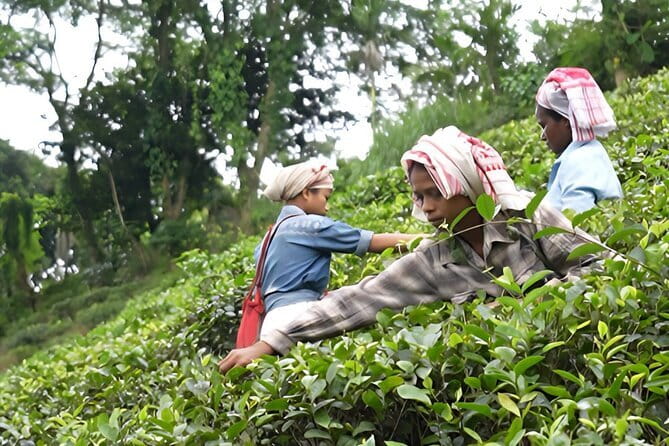
Tea plucking is the most hands-on part of the tour. You get a direct sense of how the raw material begins, rather than seeing only finished packets or tasting cups.
The estate’s scale gives the experience useful context. With more than 500 workers and a reported annual capacity above 1,000,000 kilograms, every leaf fits into a large working system. The plucking session is therefore more than a photo stop. It gives you a small, personal window into one step of a major agricultural operation.
The supplied information does not promise a particular duration for plucking or explain whether you pluck alongside estate workers. I would expect an introduction to the activity rather than a full working shift. The tour is designed for sightseeing and explanation, not labor.
Bring your camera if you enjoy photographs of ordered tea rows and open garden views. The estate is specifically promoted as a place for pictures, but remember that this remains an operating property. Follow the guide’s directions and avoid treating the plants as a free-for-all photo prop.
The timing may also affect what you see. The tour operates during daylight hours, but the details do not guarantee a particular harvest condition or seasonal appearance. Tea gardens can look different depending on the time of year, weather, and current work.
Same place, a different pot:
- Munnar Tea Trail Tour with Factory Experience ( By Munnar Info)
★ 5.0 · 458 reviews - Village Vibes: Cansaulim Coastal E-Bike & Japanese Tea Tour
★ 5.0 · 292 reviews - Munnar Tea valley Tour ( By Munnar Info)
★ 5.0 · 83 reviews - Tea planation walking In Munnar- (by Munnar Info)
★ 5.0 · 53 reviews
Tasting tea after seeing the plants

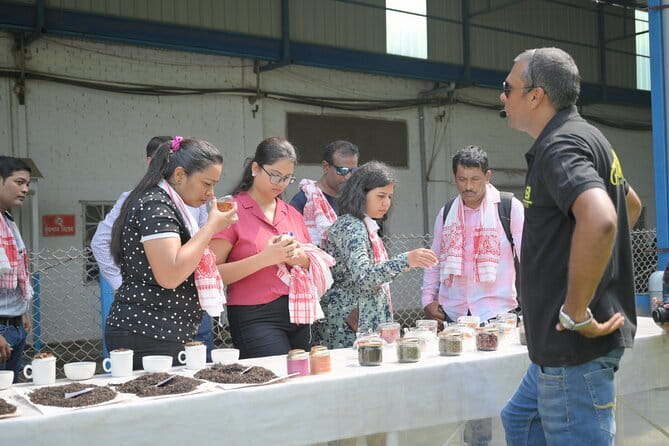
Tea tasting follows the garden portion. This is where the experience becomes more than a plantation walk. You can connect the leaves you have just seen with the final drink.
Tea and coffee are included, along with bottled water. The tasting is a pleasant reason to slow down for a moment, and it gives the guide a natural chance to discuss flavor and production. You may find the tasting most useful if you ask how the teas differ and which production method produced each sample.
The information provided does not list the number of teas or exact varieties served. I would not book this expecting a formal professional tasting with a long flight of samples. Think of it as a concise introduction to Assam tea within a wider plantation visit.
That modest approach fits the price. At $11.22 per person, you are paying for access, explanation, plucking, tasting, and a factory visit, not an elaborate meal or a specialist tea course. The value is strongest if you want a first look at Assam’s tea culture and do not need a long, highly technical session.
Breakfast, lunch, and snacks are not included. They can be pre-booked for an additional charge, according to the supplied details. If you plan to visit early, decide in advance if you need breakfast. The estate provides tea, coffee, and water, but those items should not be confused with a full meal.
Inside Bhuaram Jodhraj factory
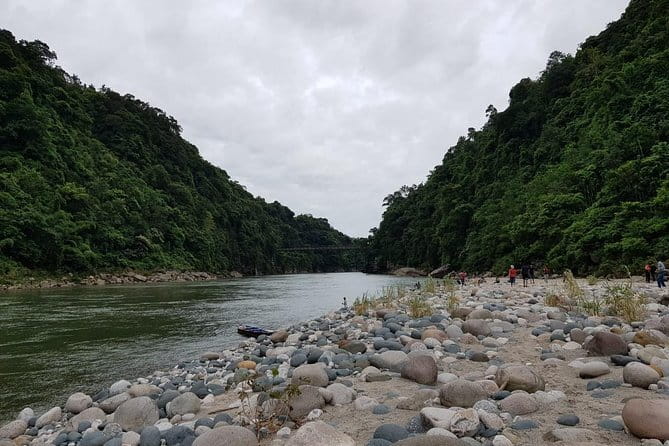
The second stop is Bhuaram Jodhraj, where you take a guided tour inside the factory. This part gives the visit a useful change of pace. The garden shows the source, while the factory explains what happens after the leaves are collected.
The tour covers the manufacturing process for both orthodox and CTC tea. Those terms are important because they point to different ways of processing tea leaves. You do not need a technical background to appreciate the distinction, but the factory is the right place to ask how the two methods differ in appearance, handling, and finished tea.
The supplied details do not list every machine or stage, so I would avoid expecting a long industrial demonstration. The value is in seeing the production setting and having a guide explain how the raw leaves become a product ready for use.
Factory visits also add realism. Tea gardens can look peaceful and scenic, but tea is a serious commercial crop. The factory brings you back to the scale of the operation, connecting the simple act of plucking with a much larger process.
Follow the guide closely and stay aware of the working environment. The description promises a guided visit, not free access to every part of the facility. The guide’s explanations are central to this stop, particularly if you want more than photographs of machinery.
The guide can shape the whole experience
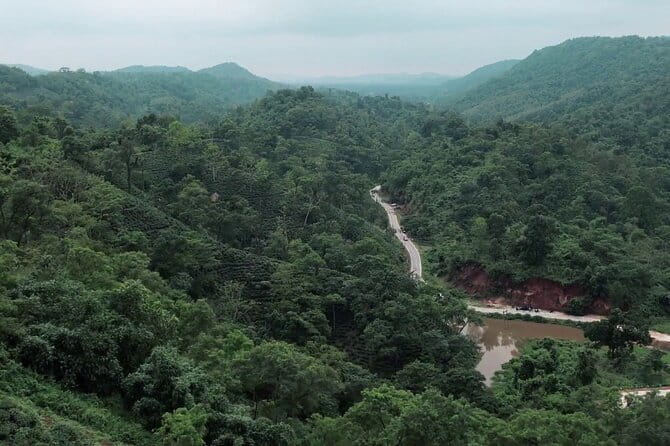
The strongest personal praise goes to the guide. One account describes a young man who was polite, interesting, and ready to answer questions, making the half-day outing enjoyable from the city trip through the estate visit.
That is worth emphasizing because this experience depends heavily on communication. The gardens are attractive, but you can see rows of tea plants without learning much. A good guide explains what you are looking at, places the work in context, and makes a short tour feel worthwhile.
Since the guide’s name is not provided, you should not expect a guaranteed named host. The private format gives you a better chance to speak directly with the guide, though the quality of the visit will still depend on who is assigned on the day.
Prepare a few questions before you arrive. Ask about the nursery, the timing of plucking, the difference between orthodox and CTC tea, and the teas served during the tasting. Clear questions help you make the most of a compact schedule.
Is the $11.22 price good value?
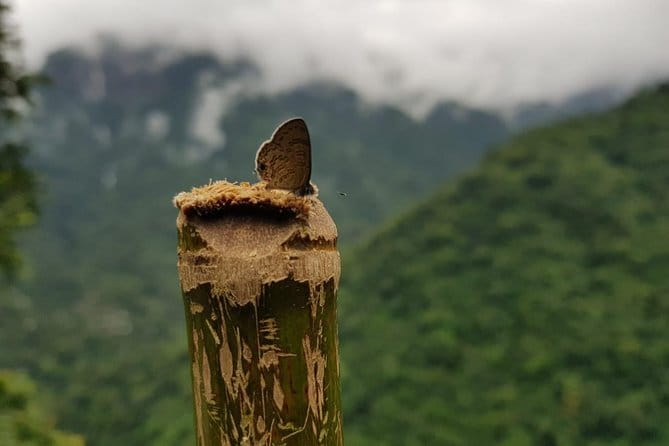
For most visitors, yes. The $11.22 price includes admission fees, a guide, tea or coffee, bottled water, and the two-part visit. You get a nursery stop, tea plucking, tea tasting, and a factory tour for less than the cost of many longer city activities.
The private format makes the price even more appealing if you are traveling with a small group, since the experience is limited to your party. You are not simply paying to enter a garden. You are paying for access to a working estate and explanations that help tie the parts together.
There are limits. Meals cost extra, and the transport arrangement from Guwahati needs checking. The formal duration is about two hours, so visitors seeking a full-day countryside program may find it too brief.
The high rating, 4.9 from 28 ratings, and 100 percent recommendation figure support the idea that the experience delivers what it promises. They do not turn it into a luxury tea program. The sensible conclusion is that this is a strong budget activity, especially for first-time visitors to Assam’s tea country.
Who should book this tea estate visit?
I would recommend Amchong to first-time visitors who want an easy introduction to Assam’s tea industry without giving up an entire day. It also suits people who enjoy seeing how everyday products are made, since the tour moves from nursery to garden to factory.
It is a good choice for couples, families, and small private groups who prefer asking questions at their own pace. The activity is also suitable for most participants, and service animals are allowed.
You may want something longer if your main goal is extended time in the countryside, a broad food program, or a specialist tea education. The tour does not include breakfast, lunch, or snacks in the base price, and the supplied details do not promise a large range of teas or a full-day schedule.
The best time to book is when you can leave room around the two-hour activity. It is booked about 10 days ahead on average, so I would not wait until the last moment if your Guwahati schedule is tight.
Free cancellation is available if you cancel at least 24 hours before the start time. Cancellations or changes inside that window are not refunded or accepted, and the cut-off uses local time.
Should you book Amchong Tea Estate?
Book it if you want an affordable, private introduction to Assam tea with real garden access, tea plucking, tasting, and a factory visit. The short format, helpful guide, and low price make it an easy addition to a Guwahati stay.
Before paying, confirm how you will get to Jubai No. 2 and decide if you need a meal. If those details are settled, this is a practical choice with genuine local value. You will not see every corner of Assam’s tea country, but you will leave with a clearer idea of how the plant, the workers, the factory, and the finished drink fit together.
FAQ
How long does the Amchong Tea Garden tour last?
The scheduled experience lasts approximately two hours. A visit that includes travel from Guwahati may take longer overall, so allow extra time around the activity.
Where does the tour start and finish?
It starts and ends at Amchong Tea Estate, Jubai No. 2, Digaru Gaon, Assam 782401, India.
What does the tour include?
The tour includes a nursery visit, tea plucking, tea tasting, a guided factory visit, bottled water, coffee and/or tea, restroom access on board, all fees and taxes, and a tour guide.
Are meals included?
No. Breakfast, lunch, and snacks are not included in the base price. They can be pre-booked for an additional charge.
What tea production methods are covered?
The factory visit explains the manufacturing process for orthodox and CTC tea.
Can I cancel for a full refund?
Yes. You can cancel at least 24 hours before the experience start time for a full refund. Cancellations or changes made less than 24 hours before the start time are not accepted for a refund.
Just added around India
- Varanasi: Sunrise Boat Ride with Masala Tea – Arti Ceremony★ 4.5 · 4 reviews
- Heritage Tour : Private Boat, Havelis, City Walk & High Tea★ 5.0 · 6 reviews
- Tea plantation walk with Visit of Historical ,village & Market★ 5.0 · 5 reviews
- Tea Plantation, Grass Land and Mountain Hiking in Munnar★ 5.0 · 6 reviews
- Tea Farm Tourism★ 5.0 · 8 reviews
- Tea plantation walk and stay in valley view Room (By Munnar Info)★ 4.0 · 2 reviews
- Munnar Tea Plantation Evening walking with Sunset View★ 5.0 · 8 reviews
- Tea Tasting Session at India’s oldest tea boutique : Sancha Tea Boutique★ 5.0 · 13 reviews
Tea Plantation Tours in India, compared.
Amchong Tea Estate + Factory Visit (with Hi-tea only)
Read our review →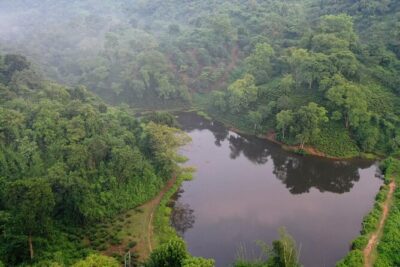
Guwahati Tea Garden Tour with Lunch & Hi Tea (Premium Experience)
Read our review →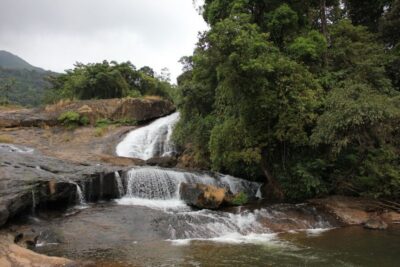

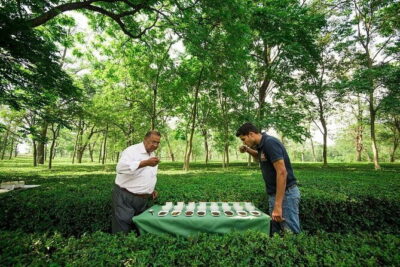
Guided Tour to Palampur-Monasteries, Temple & Tea Gardens visit
Read our review →
Munnar Tea Plantation Evening walking with Sunset View
Read our review →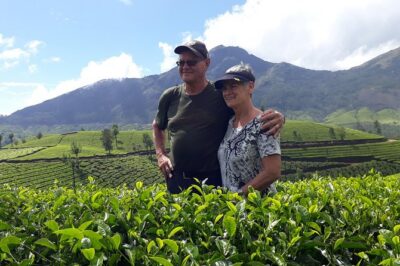

Tea Plantation, Grass Land and Mountain Hiking in Munnar
Read our review →Browse the lists this tour appears in