
Review · ELLA
Handmade Tea Tour in Ella Sri Lanka
Tea tastes better when you make it. The Handmade Tea Tour combines tea plucking, a visit to a working factory, hands-on tea crafting, and a tasting at Sky Cafe. I like the chance to wear traditional tea-plucker clothing and learn about the work behind each leaf. I also like the small group size, limited to six people, which should make it easier to ask questions and follow the process. The main consideration is timing: the factory may be quiet on weekends or holidays, and one visitor found the lack of workers disappointing.
This is a short but active introduction to Ella’s tea country. You will walk through a plantation, take part in traditional worship at a nearby kovil, make your own tea, and finish with samples of different teas. The views are a major bonus, but this is not a long estate walk or a full-day cultural tour. It works best if you want a focused, practical experience rather than a broad sightseeing excursion.
Key points at a glance
- Tea plucking comes first: You receive a basket and may wear traditional tea-plucker clothing while learning about the tea plant and plantation work.
- A kovil visit adds local context: The opening section includes traditional worship at a nearby Hindu temple.
- You make tea yourself: At a small tea-making facility, you can follow the process and prepare tea to take home.
- The factory visit explains the full process: You hear how tea moves from cultivation through production, packaging, and brewing.
- Sky Cafe hosts the tasting: The experience ends with samples of several tea types and tea made by your group.
- The group stays small: A maximum of six people keeps the tour personal, though the factory may be less active on weekends or holidays.
Starting at Uva Halpewatte Tea Factory
The tour begins at Uva Halpewatte Tea Factory on Badulla Road in Hela Halpe, Ella. The meeting point is also the end point, so you return to the same place after the experience. The factory is open daily from 8:00 a.m. to 4:30 p.m., and the activity runs in several two-hour time slots.
The setting matters here. You are not learning about tea in a shop or a hotel lounge. You are visiting a real tea factory and estate, where the production story connects directly to the fields outside. That link gives the tour more weight than a simple tasting session.
The experience is listed at about two hours, though the factory portion is described as about one hour. The remaining time covers the plantation, tea picking, crafting, and tasting. I would allow a little extra time around the edges, especially if you want photographs or if the group moves at a relaxed pace.
The tour is private for your group, but the group can include up to six people. That is a useful middle ground. You get a personal experience without paying for a completely private guide if you are traveling with family or friends.
A few more tea experiences around Sri Lanka worth a look
- Uva Halpewatte Tea Factory Tour in Ella Sri Lanka
★ 5.0 · 653 reviews - Tea Plantation Tour in Ella, Sri Lanka
★ 5.0 · 319 reviews - Nuwara Eliya: Tea Factory and Pickle Waterfalls Tuk Tuk Tour
★ 4.7 · 113 reviews
Picking leaves in the tea estate
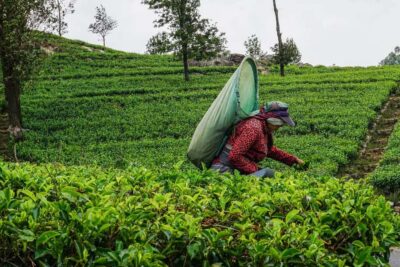
The first main activity takes you into the tea plantation. You receive a basket and can put on traditional tea-plucker attire before learning how tea is gathered. This is the most physical part of the experience, so a moderate level of fitness is required.
The activity gives you a simple lesson that a factory tour alone cannot provide. Before tea becomes a neat packet on a shelf, somebody has to select and gather the leaves by hand. Picking a few leaves yourself makes that work easier to understand, even if your own basket does not match the output of an experienced worker.
You also learn about tea cultivation, the tea plant, and the history of tea production in Sri Lanka. The experience is especially good for families with older children and teenagers because it turns a familiar drink into a hands-on subject. You are not just looking at machines. You are handling the raw material.
A nearby kovil is included in this opening part of the tour. Traditional worship adds a cultural layer to the plantation visit, although the supplied details do not specify how long the stop lasts or whether a formal guide explains the temple in depth. Treat it as a brief part of the visit rather than expecting a separate temple tour.
Bring shoes you can walk in and clothing you do not mind wearing in a working outdoor setting. The tour requires some movement, and the experience depends on going outside rather than staying inside the factory.
Making tea at the small facility
After the field visit, you go to a mini facility for handmade tea crafting. This is where the tour becomes more than a standard factory walk. You get to see how the leaves are handled and take part in making your own tea.
The exact method can vary by session, but the experience includes preparing tea and creating your own blend. You can then take your tea home, which gives you a useful souvenir rather than another small object that will sit in a suitcase.
This part received some of the strongest praise in the supplied material. The hands-on work helps you remember the production stages, and it gives teenagers and adults something active to do. You may find that your own tea tastes more interesting simply because you helped prepare it.
The small facility also makes the process feel more approachable. A large factory can show you scale, machinery, and commercial production. The handmade section shows you the care and decisions behind the final product. I like having both parts in the same experience.
Keep your expectations sensible. This is a short demonstration and activity, not a professional tea-making course. You will gain a clear introduction to the process, but you will not leave as a tea expert after two hours.
Seeing how Ceylon tea is produced
The factory section explains the wider production process, from the tea plant to the finished drink. You hear a step-by-step account of tea making and see how a celebrated Ceylon tea estate turns fresh leaves into a packaged product.
This is where a strong guide matters. One particularly well-praised guide was Parami, described as patient, friendly, and clear while explaining the factory and answering questions. Guide quality can shape a short tour, and the comments about Parami suggest that the best sessions are more than a walk past equipment.
You may see how tea is prepared, processed, and packaged, followed by an explanation of how it reaches the cup. The supplied details do not list every machine or production stage, so I would not promise a technical factory tour with access to every working area. The main value is the clear overview.
A working factory can also be unpredictable. One disappointing visit took place on a weekend or holiday when no workers were present. The visitor arrived without anyone immediately coming down to meet the group and was unsure where to go. This is the clearest warning attached to the experience.
If seeing active production is important to you, ask the tea factory resource person about operating conditions before you go. A quiet factory may still provide the planned explanation and tasting, but it will not feel the same as watching workers handle the tea in real time.
Same place, a different pot:
- From Colombo: Kandy, Pinnawala and Tea Factory Full-Day Trip
★ 4.4 · 99 reviews - Ella: Tea Factory, Train, and Nine Arch Day Tour with Pickup
★ 4.8 · 98 reviews - Tea Fields & Factory Tour
★ 5.0 · 67 reviews - Ella Private Day Trip with Train Ride & Tea Factory-All Inclusive
★ 5.0 · 61 reviews
Tasting tea at Sky Cafe
The final part takes place at Sky Cafe, where you taste several types of tea. The tasting gives you a chance to compare the main styles produced at the factory and to try tea made by your own group.
This is a smart ending. After seeing the fields and factory, you can judge the finished drink with a better understanding of what went into it. Tea tasting can sound passive, but here it acts as the final step in a story that began with a leaf in your basket.
The views around the factory and cafe are also part of the appeal. Several comments praised the scenery as breathtaking, and the high points of the experience seem to be both educational and visual. Bring a phone or camera, but do not let photographs replace the tasting. The tea is the point, even when the views compete for attention.
The tasting is not described as a formal professional session. You should expect an accessible introduction rather than a detailed lesson in aroma, grading, or brewing technique. That suits most visitors who want to understand Sri Lankan tea without taking a full course.
What the $85 price gives you
At $85, this is not the cheapest way to drink tea in Ella. The value depends on whether you want several connected activities rather than one short factory visit.
Your fee covers a guided plantation experience, tea picking, the factory explanation, handmade tea preparation, packaging of your selected tea, and tasting at Sky Cafe. You also receive the setting of a tea estate and a group capped at six people. That is a fair package for someone who wants participation, not just observation.
The price makes more sense for a couple, family, or small group that will use the private format well. If you only want to see factory machinery and buy a packet of Ceylon tea, you may find the cost harder to justify. If you value the chance to make tea and take home your own blend, the extra cost has a clear purpose.
The experience also saves you from arranging separate visits to a plantation, factory, and tasting stop. It is compact, which helps if your time in Ella is limited. You get a complete introduction in about two hours instead of giving up half a day.
Choosing the right time slot
There are six listed start times:
- 8:00 a.m. to 10:00 a.m.
- 9:30 a.m. to 11:30 a.m.
- 11:00 a.m. to 1:00 p.m.
- 12:30 p.m. to 2:30 p.m.
- 2:00 p.m. to 4:00 p.m.
- 3:30 p.m. to 5:30 p.m.
The final slot is printed as ending at 5:30 a.m., which appears to be a time error because it follows the afternoon sequence and the factory closes at 4:30 p.m. Confirm the final time with the tea factory before booking.
Morning slots may suit you if you want to combine the tour with other sightseeing later. Afternoon slots may give you softer light for photographs, but the factory closes at 4:30 p.m., so confirm that the selected time allows the full visit. Since conditions can change, ask about the day’s production schedule if active factory work is important.
The experience requires good weather. If poor weather forces cancellation, you can choose another date or receive a full refund. You can also cancel for a full refund up to 24 hours before the start time. Inside that period, payment is not refunded and changes are not accepted.
Who will enjoy this experience most
I would recommend the tour to you if you want:
- A small-group activity in Ella
- A practical introduction to Sri Lankan tea
- A family activity suitable for adults and teens
- A chance to pick leaves and prepare your own tea
- A cultural stop that includes a nearby kovil
- A scenic experience with photographs and a tasting
- A souvenir you make yourself rather than simply purchase
It is less suitable if you want a long plantation hike, a silent nature outing, or a guaranteed view of workers operating the factory. The plantation section is active, but the full experience lasts only about two hours. The factory may also be quiet on weekends and holidays.
You should also be comfortable with moderate physical activity and changing between outdoor and indoor settings. This is not presented as an accessibility-focused tour, and no specific accessibility information is provided, so ask the operator about your needs before booking.
Should you book the Handmade Tea Tour?
Book it if you want to understand tea from leaf to cup and prefer to take part rather than simply watch. The combination of tea picking, traditional clothing, a kovil visit, handmade tea production, factory context, and tasting gives the $85 price a reasonable basis.
Before paying, confirm the meeting instructions, the exact time slot, and whether the factory will be operating on your chosen date. That last check matters most if you want to see workers and machinery in action.
For families, couples, and curious tea drinkers, this is one of the more memorable ways to spend two hours around Ella. The best reason to choose it is simple: you leave with a better sense of the work behind Ceylon tea, plus a tea blend you helped make yourself.
FAQ
Where does the Handmade Tea Tour begin?
It begins at Uva Halpewatte Tea Factory on Badulla Road, Hela Halpe, Ella, Sri Lanka.
Where does the tour end?
The activity ends back at the tea factory meeting point.
How long does the experience last?
The tour lasts approximately two hours. The factory tour portion is listed as about one hour.
How many people can join?
The tour accommodates up to six visitors at a time. It is a private activity for your group.
What activities are included?
The experience includes tea plucking, traditional worship at a nearby kovil, handmade tea crafting, an overview of factory production, packaging of selected tea, and tea tasting at Sky Cafe.
Do I get to make my own tea?
Yes. The experience includes making your own tea or tea blend, and the selected tea is packaged for you.
What time slots are available?
The listed slots begin at 8:00 a.m., 9:30 a.m., 11:00 a.m., 12:30 p.m., 2:00 p.m., and 3:30 p.m. The final listed ending time should be confirmed with the operator because it is printed as 5:30 a.m.
Is the tour suitable for people with limited fitness?
A moderate physical fitness level is required. The experience includes tea plucking and outdoor movement, but no detailed accessibility information is provided.
What is the cancellation policy?
You can cancel at least 24 hours before the start time for a full refund. Cancellations or changes made less than 24 hours before the start time are not refunded. If bad weather cancels the tour, you can choose another date or receive a full refund.
Just added around Sri Lanka
- Trekking & Picnic in The Tea Plantation From Ella, Haputale & Bandarawela★ 5.0 · 4 reviews
- Tea Experience Tour in Haputale with Lunch at a Village house★ 5.0 · 19 reviews
- Tuk Tuk safari and Picnic in The Tea Plantation from Ella,Haputale & Bandarawela★ 5.0 · 7 reviews
- Nandana Tea Walking Tour in Sri Lanka★ 5.0 · 16 reviews
- Explore Nuwara Eliya | Experience the Best Tea in the World★ 4.5 · 3 reviews
- Tea Plucking and Tea Factory Visit from Nuwara Eliya.★ 3.5 · 3 reviews
- Explore Nuwara Eliya – Waterfall & Tea Factory Tour★ 5.0 · 2 reviews
- Nuwara Eliya: All Inclusive Horton Plains & Tea Plucking Day Trip★ 4.5 · 10 reviews
Ella Tea Tours, compared.
Uva Halpewatte Tea Factory Tour in Ella Sri Lanka
Read our review →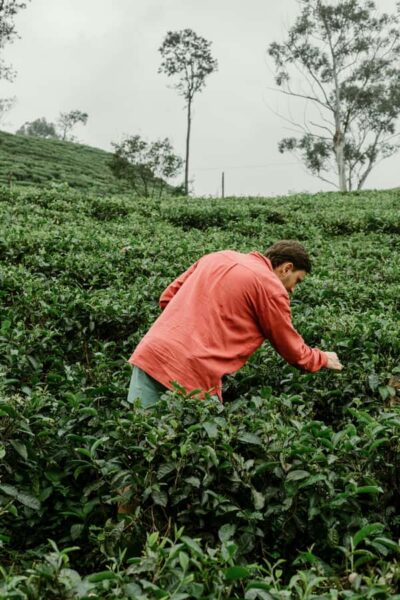
ELLA Lipton Seat Tea Test & Pluck 9Arch, Waterfalls, & Lunch
Read our review →
Lipton’s Seat and Tea Factory,Trail Amidst Tea Plantation Day Tour
Read our review →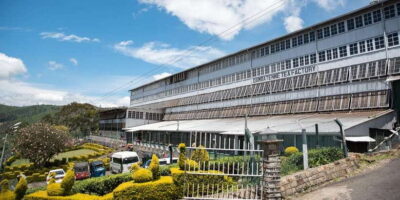
Lipton’s Seat Tour with Dambetanna Tea Factory Visit
Read our review →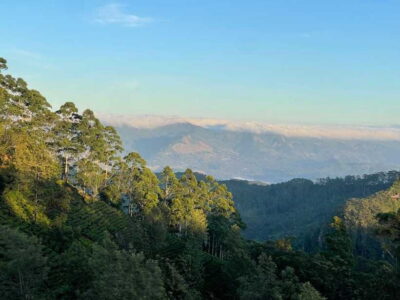
Browse the lists this tour appears in