
Review · KENYA
Agro-Tourism Tea Workshop in Nandi Hills
Tea tells the story of Nandi Hills. This 10-hour private outing lets you follow Kenyan tea from hand harvesting to tasting, with a farm visit, lunch, and a tea factory tour. I like the close look at tea pluckers’ skill, and I like that the day shows both the human work and the modern weighing system behind the finished drink. The main drawback is the long day and very early start from Iten.
The price is $137.46 per person, including private transport, lunch, entrance fees, the farm visit, and factory visit. That is fair value if you want a full cultural day rather than a quick plantation photo stop, but less appealing if you only want a short scenic outing.
Key points about the Nandi Hills tea day
- Tea from leaf to cup: You follow harvesting, weighing, transport, factory processing, and tasting in one day.
- A rare workshop in the Highlands: This is described as the only tea-production workshop of its kind in the Highlands.
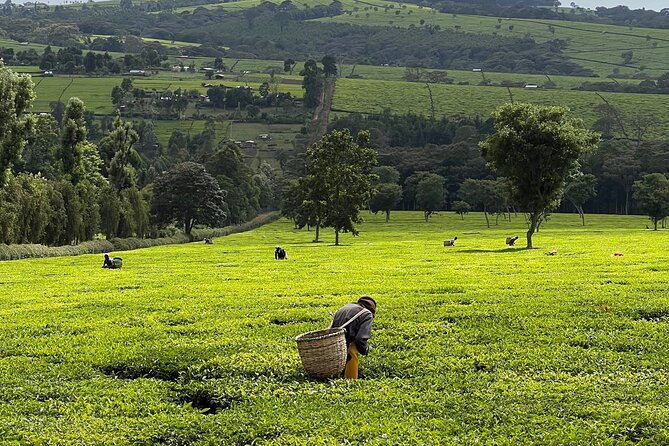
- Direct contact with tea pluckers: You see the speed, patience, and physical effort behind a repetitive but essential job.
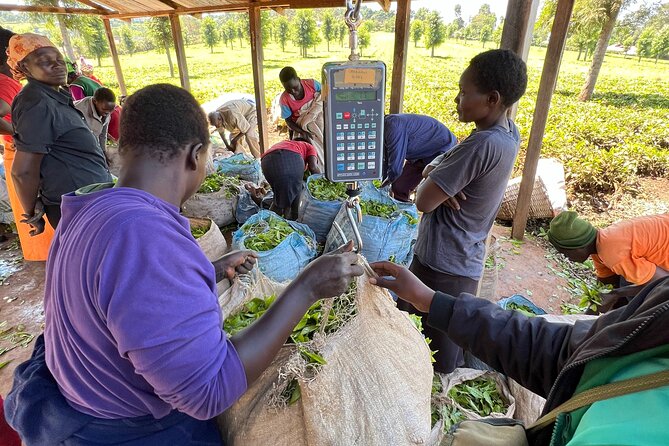
- A modern weighing stage: The collection process now uses updated weighing methods, adding a useful look at how farming practices are changing.
- Private transport and lunch included: Your group travels privately, with the main costs covered in advance.
- An early Iten departure: The meeting point is The Swiss Side ItenFriends Bar, with departures scheduled between 5:00 and 9:00 in the morning.
Why this tea workshop is worth your day
Many plantation visits show you rows of tea and stop there. This one follows the crop through several stages, which gives you a much clearer sense of how a fresh leaf becomes a drink in your cup.
I like the order of the day. You begin with the harvest, then see the weighing, transport, and factory work before finishing with tea tasting. Each stage answers a practical question: Who picks the leaves? How are they measured? How do they get to the factory? What happens inside? What does the final tea taste like?
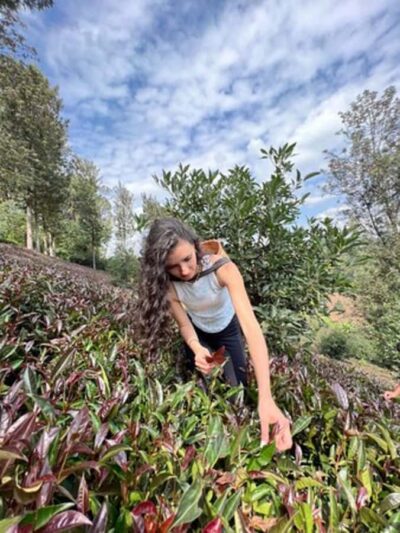
The human side is just as important as the machinery. Meeting the tea pluckers lets you watch a demanding job that can look simple from a distance. The work is repetitive, but the tour makes clear how much skill and resilience it takes to do it well.
This is also a useful choice if you are already staying in Iten. The experience starts and ends at The Swiss Side ItenFriends Bar, so you do not need to arrange separate transport for the full day. The private format means only your group takes part, which should make it easier to ask questions and set the pace within the planned schedule.
The trade-off is time. Ten hours is a serious commitment, and the early morning window means you should be ready to start promptly. If your main goal is a relaxed afternoon in Nandi Hills, this is not that kind of outing. It is a full working day built around the tea industry.
A few more tea experiences around Kenya worth a look
- Nairobi to Kiambethu Tea Farm Tour
★ 5.0 · 51 reviews - Private Day Trip to Kiambethu Tea Farm in Limuru from Nairobi
★ 5.0 · 31 reviews - Day Tour To Kiambethu Tea Farm in Limuru
★ 5.0 · 22 reviews
Starting at Iten before the tea work begins
The meeting point is The Swiss Side ItenFriends Bar in Iten, Kenya. Departure times are listed from 5:00 to 9:00 in the morning, so confirm your exact pickup time when booking and plan for an early start.
The long schedule matters because the activity connects several locations and stages. You are not simply visiting one farm. You are seeing the agricultural work, the collection process, the factory, and the final tasting, with lunch placed between the morning and afternoon sections.
Private transportation is included. That gives you a practical advantage in a rural area, where arranging separate rides between a farm and factory could be difficult. The activity returns to the same meeting point at the end, which keeps the day straightforward.
The exact drive time between the stops is not specified, so I would treat the 10-hour duration as an approximate full-day plan rather than a timetable with guaranteed minute-by-minute stops. Bring patience and allow room in your day for the countryside journey.
Watching tea being harvested by hand
The morning starts with an explanation of how tea harvesting is carried out. This opening is important because it gives you the basic picture before you watch the workers in action.
You then meet tea pluckers and see their technique at close range. Their job involves repeated movements over long periods, yet the quality of the picked leaf depends on doing that work with care. The tour presents this not as a quick photo opportunity, but as a chance to understand the labor that begins the production chain.
I find this part likely to be the most human section of the experience. Factory equipment can explain efficiency, but watching people perform the first step shows the judgment and endurance behind the crop.
You should also keep your expectations realistic. The activity does not promise that you will personally harvest a large amount of tea or spend a fixed number of hours working alongside the pluckers. The stated focus is on explanation and observation, so the value comes from seeing the process and meeting the people who carry it out.
The setting adds to the experience. Nandi Hills is presented as a distinctive tea-growing region, with a calm rural atmosphere and plenty of natural beauty. The tea plants are not just scenery here. They are the working environment and the starting point for everything that follows.
Seeing the modern weighing process
After harvesting, the tea is weighed. This stage can seem minor, but it is one of the useful details that separates a real production visit from a simple plantation walk.
The weighing system has recently been modernized. That gives you a glimpse of how technology is being added to a traditional agricultural chain. The leaves still begin with hand work in the field, but their collection is now linked to a more updated method of measuring the crop.
For you, this step helps connect effort with payment, records, and production. The supplied information does not explain the exact equipment or payment system, so I would not expect a technical demonstration of every detail. Still, seeing the weighing process gives the morning a practical focus.
It also adds balance to the tour. You see both the physical work done by tea pluckers and the organized system needed to handle the harvest once it leaves the plants.
Same place, a different pot:
- Nairobi: Tea Farm Day Trip with Lunch at kiambethu
★ 4.0 · 21 reviews - Nairobi: Purple Tea Farm Gatura Greens Day Trip
★ 4.9 · 16 reviews - Kaimbethu tea farm tour and lunch package
★ 4.8 · 14 reviews - Purple Tea Farm Tour from Nairobi City – Specialty Tea Tasting
★ 4.5 · 12 reviews
Lunch at the cottage before the factory visit
The schedule brings you back to the cottage for lunch before the afternoon factory visit. Lunch is included in the $137.46 price, so you do not need to build a separate meal stop into your budget.
The cottage break divides the day neatly. After the early agricultural work, you have time to pause before moving on to the industrial side of tea production. This matters on a 10-hour outing, since a full day of walking, driving, and observation can become tiring without a proper break.
The details of the menu are not provided, so I would not book this expecting a particular dish or special dietary arrangement unless you confirm it in advance. The practical benefit is that lunch is part of the day and covered by the tour.
The setting also gives the experience a more personal feel than a factory-only excursion. You return to a cottage rather than eating on the move, which helps keep the day connected to the local setting.
Inside one of Nandi County’s 19 tea factories
In the afternoon, you visit one of the 19 tea factories in Nandi County. This is where the freshly collected leaves are transformed into a finished product.
The factory visit gives you the missing middle of the story. In the morning, you see the leaf being picked and weighed. At the factory, you learn how it is processed after collection. The supplied details do not name the specific factory or list each machine, so the exact route inside may depend on the facility and operating conditions.
Even so, this is one of the strongest reasons to choose the workshop. A farm visit alone can leave you wondering how the leaves become the dry tea sold for brewing. The factory closes that gap by showing the production stage rather than asking you to imagine it.
You may also find the contrast useful: the field depends on careful hand work, while the factory turns that crop into a consistent finished product. Seeing both sides in one day gives you a more honest picture of tea production.
Keep in mind that factories are working places, not staged attractions. The experience is about production, so conditions may feel more practical than polished. That is part of the appeal for anyone who wants to understand the trade, but it may disappoint you if you expect a highly theatrical museum presentation.
Ending with Kenyan tea tasting
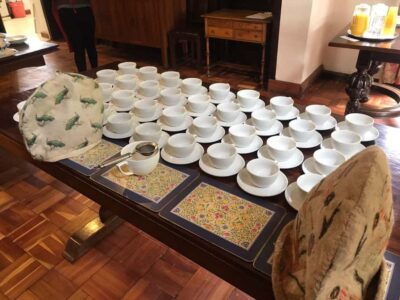
The day ends with tea tasting. This is a fitting finish because it brings every earlier stage back to the cup in front of you.
By this point, you have seen the plants, the harvest, the weighing, and the factory process. Tasting the finished tea gives you a chance to think about how much work sits behind an everyday drink.
One of the strongest endorsements of the activity came from a tea fan who especially enjoyed understanding and seeing the process behind Kenyan tea. That enthusiasm makes sense. If you already enjoy chai or Kenyan tea, the tasting should feel more meaningful after the farm and factory visits than it would at the start of the day.
The available information does not specify how many teas you taste, how they are prepared, or whether food is paired with them. Expect a concluding tasting rather than a formal certification course or advanced tea seminar.
That distinction matters. This is an introduction to tea production with a tasting at the end, not a specialist workshop for professional buyers or tea experts. For most people, that keeps the experience accessible and enjoyable.
What the $137.46 price really covers
At $137.46 per person, this is not a bargain half-day activity. It is priced as a private full-day experience, and the inclusions make a real difference.
Your fee covers private transportation, all fees and taxes, the farm visit, lunch, and the tea factory visit. You are paying for a complete day with several connected stops, not simply entry to a plantation.
The private format is especially valuable if you are traveling with companions who share an interest in food, agriculture, or local industry. You avoid joining a large group, and you have a better chance to ask questions during the farm and factory sections.
The price is harder to justify if you only want views of Nandi Hills or a brief tea tasting. In that case, the factory and field visits may feel like more time and money than you need.
Personal expenses are not included. The listing does not specify what those expenses might be, so carry some money for anything outside the planned inclusions.
Who should book this experience
I would recommend this day to you if you enjoy seeing how ordinary products are made. Tea drinkers, food-focused visitors, photographers interested in working rural scenes, and people staying in Iten will find a clear reason to book.
It also suits anyone who wants a cultural outing to add to a wider Kenya trip. One past itinerary combined a tea workshop with safari outings, bike rides, hikes, and a running camp in Iten. That combination makes sense: the tea day offers a slower, more local counterpoint to wildlife drives and outdoor activities.
You should think twice if you dislike early starts, long days, or rural production settings. The activity requires good weather, and the provider may cancel if conditions are poor or if the minimum number of participants is not met. In either case, you are offered another date or experience, or a full refund.
The experience is private, but it is not described as fully flexible. The day has a set sequence, and the journey between places takes time. Go for the complete story of tea, not for a quick stop with unlimited free time.
Practical advice before you go
Confirm the pickup time carefully. The listed opening window begins at 5:00 in the morning, and the meeting point is in Iten, so you will want to know exactly when your group should arrive.
Wear clothing suited to a farm and factory visit. The supplied information does not list a dress code or equipment, but practical clothes and comfortable shoes are sensible for a day that includes outdoor observation.
Keep the day open. The duration is about 10 hours, and the activity ends back at the starting point. Do not schedule a tight evening connection or another major tour immediately afterward.
The mobile ticket is useful for keeping the booking on your phone. Confirmation is normally sent at booking, but if you book within four hours of departure, confirmation comes as soon as possible and depends on availability.
Free cancellation is available up to 24 hours before the start time. Changes or cancellations inside that window are not refunded, so check the local cutoff time before making last-minute plans.
Should you book the Nandi Hills tea workshop?
Book it if you want more than a pretty plantation view. The strongest feature is the full chain from hand-plucked leaf to finished tea, with real attention to the workers, weighing process, factory production, and final tasting.
The $137.46 cost is reasonable for a private 10-hour day with transport, lunch, fees, and two major visits included. It is not the right choice for a short or cheap excursion, and the early start may test your energy.
For tea lovers and curious visitors based in Iten, I would choose this over a quick photo stop. You leave with a clearer understanding of the people and systems behind Kenyan tea, which is exactly what makes the day worthwhile.
FAQ
Where does the tea workshop start?
The experience starts at The Swiss Side ItenFriends Bar in Iten, Kenya.
How long does the activity last?
The activity lasts approximately 10 hours and ends back at the meeting point.
What is included in the price?
The price includes private transportation, all fees and taxes, a farm visit, lunch, and a visit to a tea factory.
Is the tour private?
Yes. This is a private activity, and only your group will participate.
What time does the activity operate?
The listed operating window is Monday through Sunday from 5:00 AM to 9:00 AM for departures. Confirm your exact start time when booking.
Can I cancel for a full refund?
Yes. You can cancel at least 24 hours before the experience start time for a full refund. Cancellations or changes made less than 24 hours before the start time are not refunded.
Just added around Kenya
- Riara tea farm tour with lunch and tea tasting from Nairobi★ 5.0 · 3 reviews
- Purple Tea Farm Tour from Nairobi City – Specialty Tea Tasting★ 4.5 · 12 reviews
- Kiambethu Tea Farm Tour & Lunch From Nairobi★ 5.0 · 7 reviews
- Tea Farm Experience at Riara Tea Farm And Factory Tour★ 5.0 · 11 reviews
- Excursion to Kiambethu Tea Farm★ 5.0 · 6 reviews
- Day tour to Kiambethu tea farm in Limuru from Nairobi★ 4.5 · 2 reviews
- Tea Farm Experience at Riara Tea Farm And Factory Tour★ 4.8 · 2 reviews
- Tea Farm Tour From Nairobi (Kiambethu).★ 4.9 · 10 reviews
Kenya Tea Tours, compared.

Private Day Trip to Kiambethu Tea Farm in Limuru from Nairobi
Read our review →

Purple Tea Farm Tour from Nairobi City – Specialty Tea Tasting
Read our review →
Tea Farm Experience at Riara Tea Farm And Factory Tour
Read our review →Browse the lists this tour appears in