
Review · USA
San Francisco: Chinatown Dim Sum and Tea Tour
Chinatown rewards curious appetites. This three-hour walk combines a full meal with stories about America’s oldest Chinatown, taking you from House of Dim Sum through alleyways, bakeries, a fortune cookie factory, and a traditional tea shop. I like the way food and local history stay connected here, instead of being treated as two separate activities.
I also like the small group of 10 or fewer, which should make it easier to hear the guide and ask questions. Guide Dale earned especially warm praise for blending history, culture, and food, with the tea tasting singled out as a highlight. The main drawback is price: at $99 per person, this is not a cheap snack walk, and one visitor felt the amount of food and sightseeing did not quite match the cost.
Key points at a glance
- Dim sum starts the tour: Begin with a substantial meal at House of Dim Sum, not a token tasting.
- The first fortune cookie factory: Watch cookies being made, sample them fresh, and receive a fortune.
- Food keeps coming: Expect bubble tea, a bakery pastry, roasted specialties, dessert, and soft drinks.
- Chinatown beyond the main streets: Walk through alleyways tied to gambling halls, sailors, and old 10-cent haircuts.
- Tea is the thoughtful finish: A tasting at a traditional tea shop explains why tea is central to Chinese culture.
- A compact, accessible outing: The tour lasts three hours, runs in English, and is designed with accessibility in mind.
Starting with Dim Sum at House of Dim Sum
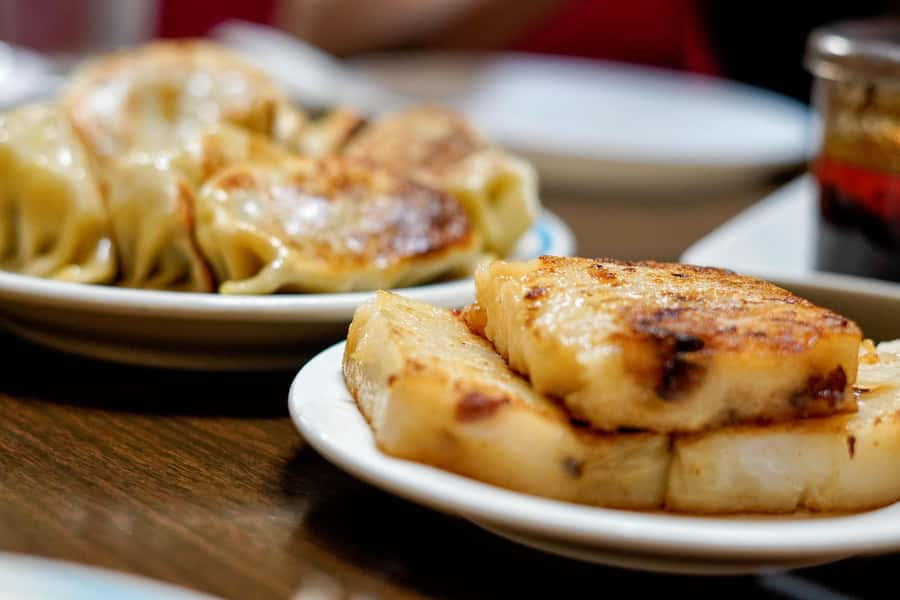
Your meeting point is outside House of Dim Sum, in the middle of Chinatown. This is a useful start because you begin with food right away. Come hungry. Dim sum forms part of the full meal, and this first stop gives the guide a natural way to introduce Chinatown while you eat.
Dim sum is built around small portions, so you can try several kinds of food without committing to one large plate. That format also suits a walking tour. You get a taste of several dishes, then move on before the meal becomes too heavy.
The food is more than fuel for the walk. The guide uses the meal to explain how Chinatown developed and why food businesses remain so important to the neighborhood. I appreciate this approach because it gives context to the restaurant itself. You are not simply stopping at a place selected for convenience. You are beginning in a setting tied to Chinatown’s daily life.
The first meal also sets expectations for the rest of the outing. This is not a tour where you receive one dumpling at each stop and are expected to find lunch later. Dim sum, duck, dessert, pastries, bubble tea, soft drinks, and other savory bites are included. Still, portions and personal appetites vary, so you should not assume every stop will feel like a full restaurant meal.
A few more tea experiences around the USA worth a look
- Tea Around Town: High Tea Experience and Tour of Washington DC
★ 4.0 · 154 reviews - SF’s Chinatown: Tea & Dim Sum Food Tour – Includes full meal, 3hr
★ 5.0 · 153 reviews - Tea Around Town® NYC: Mobile Tea Room Experience
★ 3.5 · 99 reviews
A Fortune Cookie Factory with a San Francisco Claim
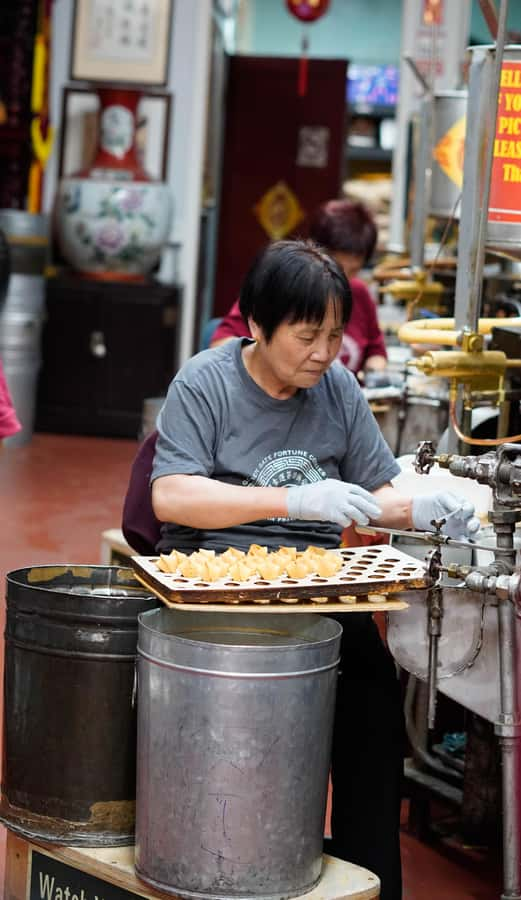
The next stop takes you to a charming fortune cookie factory described as the first in the world. You can watch the cookies being formed, try them while they are fresh, and check your fortune.
This stop works well because it shows a familiar object in its working setting. Fortune cookies are now associated with Chinese restaurants across North America, yet the factory visit places that tradition inside San Francisco Chinatown. The experience is brief and lighthearted, but it adds a distinctly local piece to the tour.
You may find this stop especially appealing if you enjoy seeing food made by hand. It breaks up the seated eating and gives you something visual to watch. Fresh samples also help explain why a simple cookie remains such a popular part of the Chinese American restaurant experience.
The factory is not presented as a long workshop, so keep your expectations in check. You will see the production process and sample the result, but the larger value is the story and setting rather than an extended cooking class.
Bubble Tea and Chinatown’s Narrow Alleyways
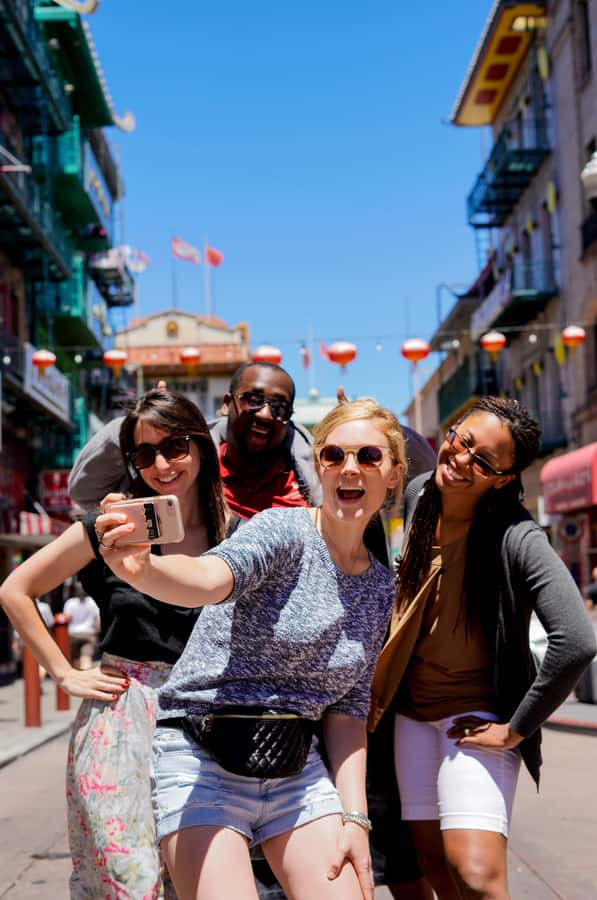
After the fortune cookies, you continue with bubble tea in hand. Bubble tea adds another modern food tradition to the day, while the walk through side streets shifts attention from eating to Chinatown’s past.
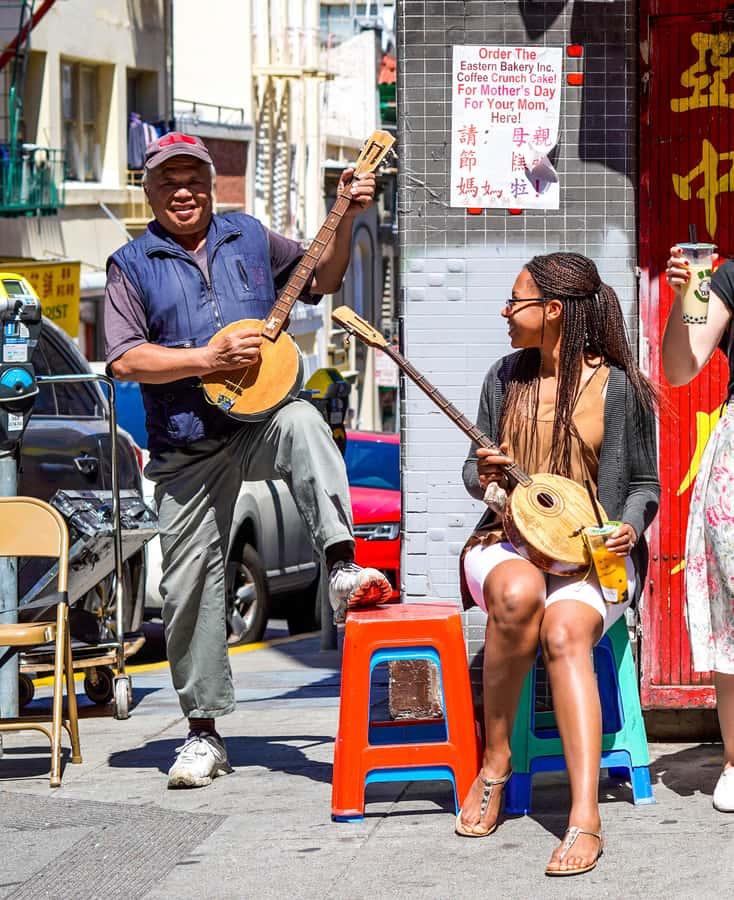
The alleyways carry stories of gambling halls, sailors, and 10-cent haircuts. These details help you picture Chinatown as a working neighborhood shaped by newcomers seeking a fresh start. The narrow routes also offer a different experience from simply walking Grant Avenue and looking at shop fronts.
I like this part of the itinerary because it gives the tour a sense of movement and discovery without pretending every corner is a grand monument. The stories are about ordinary businesses and community life. That can tell you more about a neighborhood than a list of famous buildings.
Bubble tea is included, along with soft drinks. Since this is a three-hour walking tour with several food stops, you may want to pace yourself. The drink is refreshing, but the combination of sweet beverages, pastries, and dessert can add up quickly if you eat and drink everything at once.
Heritage Pastries and Chinatown’s Resilience
The route continues to a family-owned bakery with a long local connection. There, you sample a classic Chinese pastry. This is a small stop, yet it adds an important layer to the food story. Restaurants may introduce dim sum and duck, but bakeries show how Chinatown’s food traditions extend into everyday snacks and sweets.
The walk also brings you past a church that survived the 1906 earthquake. You pause at a park that once served as a gathering place during the Gold Rush. These stops connect Chinatown to major moments in San Francisco’s past without turning the tour into a formal lecture.
The church and park matter because they show how the neighborhood has changed and endured. Chinatown is often presented through restaurants, lanterns, and souvenirs. This portion gives you a broader view, including survival, community gathering, and the effect of major events on the city.
The supplied details do not specify how long you spend at each landmark, so expect brief interpretive stops rather than long visits inside buildings. The tour’s goal is to connect food, streets, and stories within three hours.
Same place, a different pot:
- Charleston: Wadmalaw Island Wine Tasting and Tea Garden Trip
★ 4.9 · 94 reviews - Tea Around Town: A Delightful Atlanta Experience
★ 3.5 · 91 reviews - Wine Sippin’-Tea Drinkin’-Tree Huggin’ Lowcountry Sightseeing
★ 5.0 · 88 reviews - Tea Around Town Dallas: Sip and Savor the Sights
★ 3.0 · 81 reviews
Duck, Savory Rolls, and a Weather-Based Meal Stop
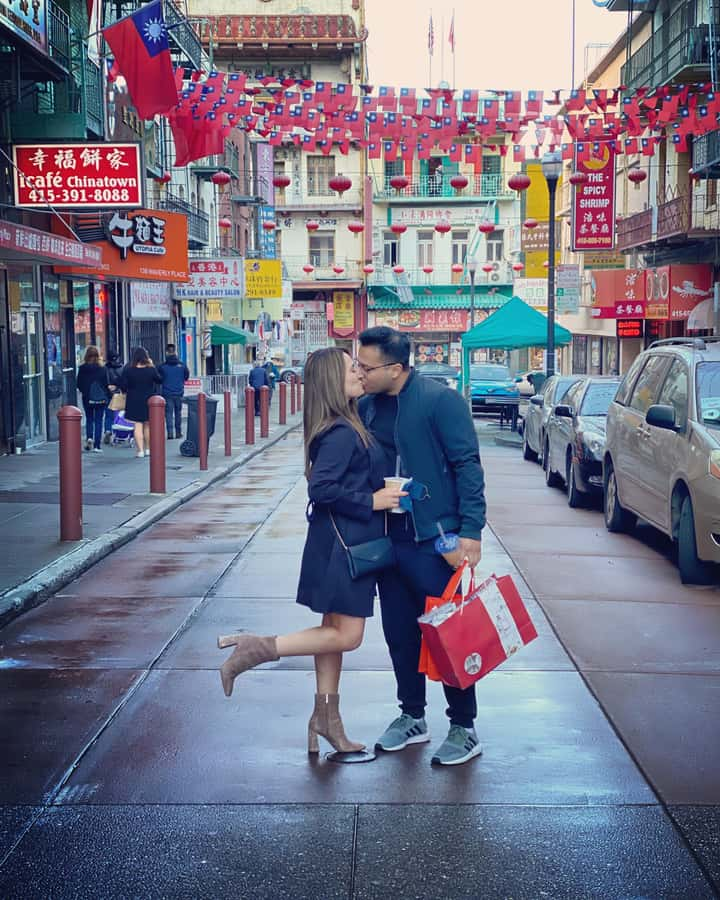
Later, the group gets more savory food, including roasted specialties and rolls. Peking Duck is part of the included meal, along with dessert. Depending on the weather, you either enjoy a picnic in the park or eat at a cozy local restaurant.
This flexible arrangement is practical for San Francisco. A park picnic can make the meal feel casual and connected to the neighborhood, while an indoor stop is more comfortable when conditions are poor. The tradeoff is that the exact setting is not fixed, so you should not book expecting one particular restaurant or picnic view.
The duck gives the tour a more substantial food stop after the lighter pastry and bubble tea breaks. It also helps explain why the tour costs more than a simple neighborhood walk with one tasting. You are paying for a series of dishes across several stops, plus a guide and local interpretation.
Still, value depends on how much you eat. If you have a small appetite, dietary restrictions, or little interest in sampling several foods, the $99 price may feel high. If you arrive ready to treat this as lunch and dinner combined, the cost becomes easier to justify.
The food list includes dim sum, bubble tea, duck, dessert, pastries, savory items, tea, and soft drinks. Alcohol is not included. The available information does not provide a dish-by-dish menu, so people with strict dietary needs should contact the operator before booking.
Finishing with Tea Culture
The final stop is a nostalgic tea shop where tea is treated as an art and a social tradition. You taste tea and learn about its place in Chinese culture. This was the strongest part for one particularly positive account of the tour, and I can see why.
Tea gives the outing a calmer ending. After a meal and a walking route through crowded city streets, sitting down to taste several teas creates time to think about what you have seen. The guide may also share stories from a local person with long experience in the neighborhood, though that is not guaranteed.
This tasting is more than a final beverage. Tea traditions involve preparation, serving, attention, and conversation. Even a short introduction can help you notice the difference between quickly ordering a drink and treating tea as part of daily culture.
If tea is your main interest, this portion may be the reason to book. If you prefer a fast-paced food crawl, the slower finish could feel less exciting. The tour works best when you allow the final tasting to be a change of pace rather than another rushed sample.
What the Three-Hour Format Really Means
Three hours is enough time to cover several stops, but not enough for long visits at every one. You will spend part of the time eating, part walking, and part listening to stories. The appeal is variety, not an in-depth examination of any single landmark.
A group limited to 10 people or fewer is a real advantage. Food stops can be awkward with a large crowd, especially in small restaurants, bakeries, and alleyways. A compact group should make it easier for you to stay close to the guide and hear explanations.
The tour is offered in English with a live guide. Dale received particular praise for combining cultural background with the food stops, so if your guide is Dale, you may appreciate his history-focused approach. Guides can shape the pace and personality of an experience, but the core route and tastings remain the main reason to book.
You meet outside House of Dim Sum. Hotel pickup is not included, so plan your own way to Chinatown and allow time to find the restaurant. The tour is wheelchair accessible by design, but the operator asks people to contact them for more details. That is sensible because restaurants, sidewalks, alleys, and the picnic or dining arrangement may affect the practical experience.
Pets are not allowed. Children under two are free, but the tour is not recommended for children under seven. Anyone older than seven needs a full ticket, and children receive no separate kids meal. The food variety and historical walking may suit older children better than very young ones.
Is $99 a Fair Price?
At $99 per person, this tour is priced above a basic Chinatown stroll. The comparison is not really between $99 and a free walk, though. The package includes a full food experience, a live guide, tea tasting, soft drinks, and a small group.
The strongest value comes if you want lunch-sized food and an introduction to Chinatown in one booking. You avoid having to choose several places yourself, and you get someone to explain why the food, alleyways, bakery, church, park, and tea shop matter.
The value is weaker if you are mainly looking for a cheap way to sample one or two dishes. You may also feel the price more sharply if you eat lightly or already know Chinatown well. One four-star account praised the food and tea but still felt the experience was somewhat expensive for what was provided.
I would treat the tour as a guided cultural meal, not as an inexpensive tasting walk. That distinction makes the price easier to assess. The more you care about context, small-group attention, and trying several types of food, the more reasonable the fee becomes.
Who Will Enjoy This Chinatown Experience?
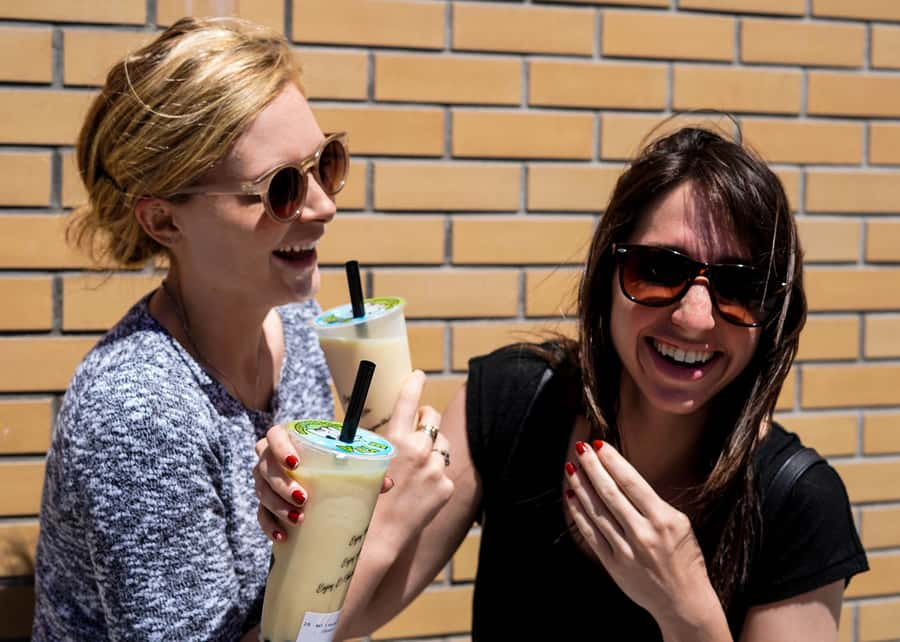
I would recommend this tour to first-time visitors who want a clear introduction to Chinatown without planning every stop themselves. It suits you if you like learning through food and prefer a guide who can explain the neighborhood as you walk.
It also works for people who want a generous tasting schedule. The combination of dim sum, bubble tea, pastry, duck, dessert, and tea gives the day a broad range of flavors. Arrive hungry, but pace yourself.
This is less suitable for very young children, picky eaters, people seeking a strictly historical walking tour, or anyone who wants a long sit-down meal at one restaurant. It may also disappoint if you expect a cooking lesson or a fixed picnic location.
For accessibility questions, contact the operator before booking. The tour is designed with accessibility in mind, but the details of the route and food stops are worth checking for your needs.
Booking Advice and Final Verdict
Book this experience if you want food plus neighborhood context, not food alone. The fortune cookie factory, old alleyways, heritage bakery, Gold Rush connections, surviving church, and tea shop give the meal a useful sense of place.
I would especially consider it early in a San Francisco visit. The tour can help you get oriented to Chinatown, identify foods you may want to try again, and understand why the neighborhood is more than a row of restaurants.
At $99, it asks you to value convenience, interpretation, and variety. If that sounds worthwhile, this is a well-rounded choice, with the tea tasting and small group adding the most appeal. If your priority is the lowest possible price, explore Chinatown independently and spend your budget on one or two meals instead.
FAQ
How long does the Chinatown Dim Sum and Tea Tour last?
The tour lasts three hours.
What food and drinks are included?
The included food includes dim sum, bubble tea, Peking Duck or other duck specialties, dessert, a classic Chinese pastry, savory items, and soft drinks. A tea tasting is also included.
Where does the tour meet?
The guide meets you outside House of Dim Sum in San Francisco Chinatown.
Is the tour suitable for children?
Children under two are free, but the experience is not recommended for children under seven. Anyone over seven requires a full ticket, and there are no kids meals.
Is the tour wheelchair accessible?
The tour is designed with accessibility in mind. You should contact the operator for details about the specific route and stops.
Can I cancel the booking?
You can cancel up to 24 hours in advance for a full refund. A reserve-now, pay-later option is also available.
Just added around the USA
- Washington, D.C.: Tea Around Town Bus Tour with Landmarks★ 3.4 · 7 reviews
- Tea By The Sea★ 5.0 · 9 reviews
- Tea Around Town: A Charming Tea Experience in Philadelphia★ 3.5 · 24 reviews
- Tea Blending★ 4.5 · 8 reviews
- Premium Loose Leaf Tea and Chocolate Tasting★ 3.0 · 4 reviews
- St. Johns River High-Tea Cruise Tour in Sanford★ 5.0 · 2 reviews
- Beach Yoga & Tea Experience on South Beach★ 5.0 · 19 reviews
- Tea Plantation and Winery Tour in Charleston★ 5.0 · 3 reviews
USA Tea Tours, compared.
Tea Around Town: High Tea Experience and Tour of Washington DC
Read our review →
SF’s Chinatown: Tea & Dim Sum Food Tour – Includes full meal, 3hr
Read our review →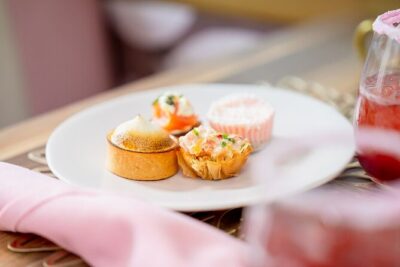
Tea Around Town® NYC: Mobile Tea Room Experience
Read our review →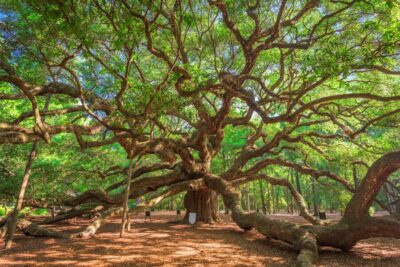
Charleston: Wadmalaw Island Wine Tasting and Tea Garden Trip
Read our review →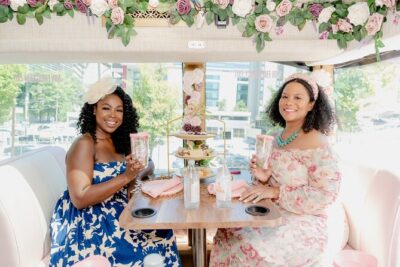
Tea Around Town: A Delightful Atlanta Experience
Read our review →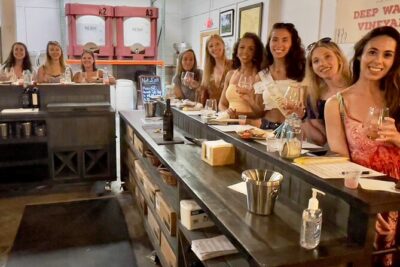
Wine Sippin’-Tea Drinkin’-Tree Huggin’ Lowcountry Sightseeing
Read our review →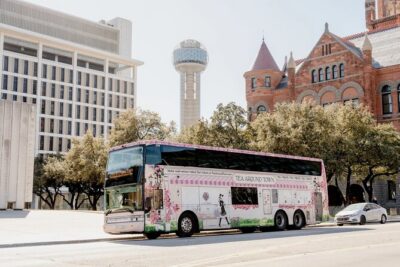
Tea Around Town Dallas: Sip and Savor the Sights
Read our review →
NYC: Tea Around Town Bus Tour with Live Entertainment
Read our review →Browse the lists this tour appears in