
Review · INDONESIA
Yogyakarta: Prambanan Tour, Sukuh Temple & Tea Plantation
Two temples, one tea stop, a full Java day. This Yogyakarta outing pairs Indonesia’s highest Hindu temple with the unusual Sukuh Temple, then adds a tea plantation visit with a tasting. I like the local guide at Prambanan, who helps explain the Brahma, Siva, and Wisnu temples, and I like the flexibility shown by driver Andy, who adjusted stops and handled traffic well.
The main drawback is that the $95 price does not include temple entrance fees or meals. You should also bring cash for those costs and for tipping the driver. Still, the hotel pickup, private transportation, mineral water, parking fees, and guide service make this a useful choice if you want several sights in one day without arranging the route yourself.
Key points at a glance
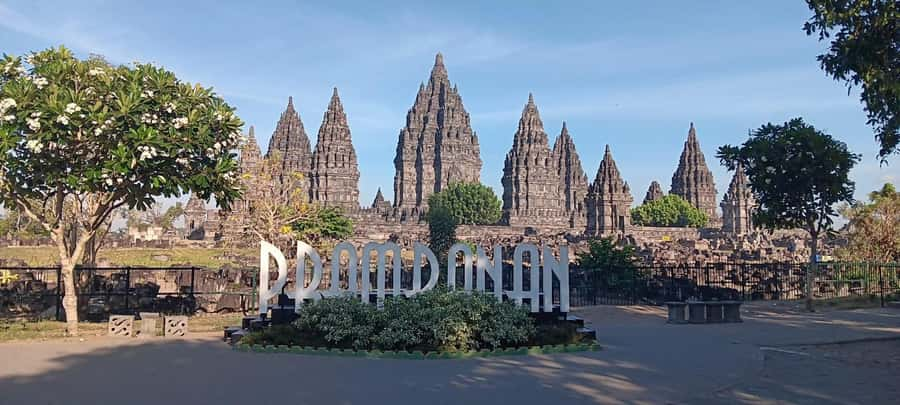
- Prambanan’s three main shrines: Learn about Brahma, Siva, and Wisnu, plus the temple’s connection with the Ramayana.
- Sukuh’s unusual design: The smaller temple offers a very different experience from grand Prambanan.
- A tea plantation stop: See how tea is grown and taste the local product.
- Hotel-to-hotel transport: Pickup and drop-off in Yogyakarta keep the day simple.
- Flexible driving: Andy received special praise for careful traffic navigation and willingness to change or add stops.
- Bring extra cash: Entrance tickets, food, and the driver’s tip are separate from the tour price.
Why combine Prambanan, Sukuh, and tea?
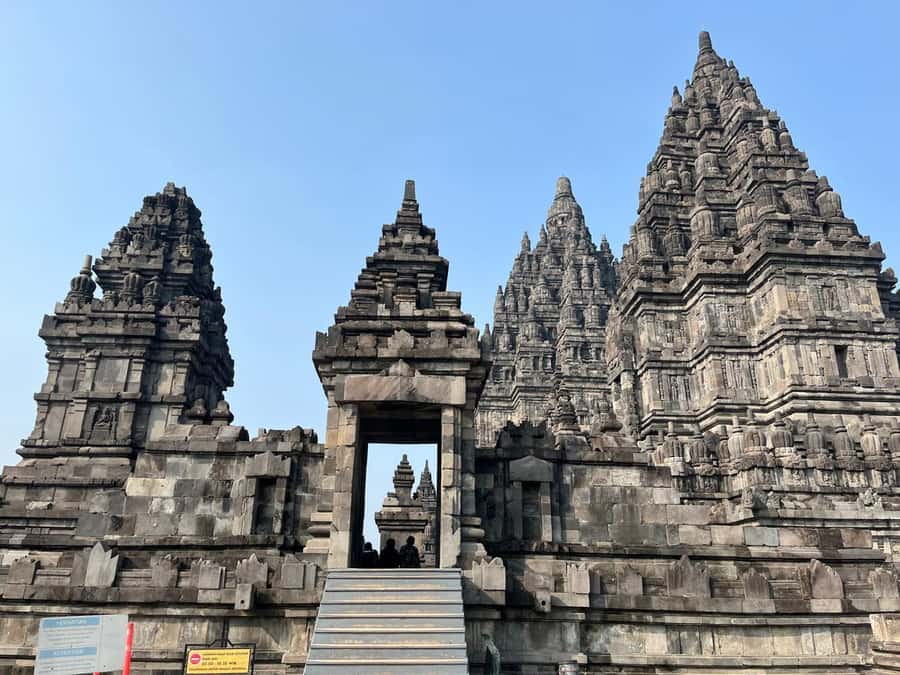
Yogyakarta is a strong base for exploring central Java’s religious monuments, but the sights do not all offer the same experience. Prambanan is the grand headline stop, with large Hindu shrines and an established visitor route. Sukuh feels more unusual and less formal in character. The tea plantation then changes the pace completely.
I like that mix. You are not looking at one temple after another with little variation. You get a major archaeological site, a more distinctive temple, and a rural stop where the focus shifts from stonework to agriculture.
The route also suits you if you want to see beyond the most famous sight near Yogyakarta. Prambanan alone can fill a worthwhile visit, but adding Sukuh and the plantation gives your day more range. The tradeoff is simple: more stops mean less freedom to linger at any single one.
No tour duration is provided, so ask for the expected pickup and return times before booking. That matters here because the day includes multiple locations, and your time at Prambanan may feel short if you prefer to study every carving and shrine.
More Tea Plantation Tours in Indonesia
- Active Volcano, Rice Field, Hot Spring, Fruit market, Tea Plantation with Lunch
★ 5.0 · 513 reviews - Bandung: White Crater, Scenic Tea Plantations & Hot Spring
★ 4.9 · 122 reviews - Bandung : White Crater, Tea Plantation Tour Guide Bandung
★ 4.7 · 15 reviews
Starting from your Yogyakarta hotel
The day begins with pickup at your hotel in Yogyakarta. Transportation, parking fees, and hotel drop-off are included, which removes much of the work involved in planning a route across several sites.
This is especially useful if you do not want to negotiate separate rides between Prambanan, Sukuh, and the tea plantation. You can focus on the day rather than arranging each leg. Mineral water is also included, a small but welcome touch on a full sightseeing outing.
The transport appears to be one of the tour’s strongest practical points. Andy received praise for prompt service, good traffic navigation, and a flexible attitude when extra stops or changes were requested. That flexibility can make a real difference in Java, where road conditions can affect how much time you have at each stop.
You should still confirm the exact pickup time and vehicle arrangement ahead of departure. The supplied details do not give a group size, vehicle type, or tour duration, so those points are worth checking before you commit.
Prambanan and the three main Hindu temples
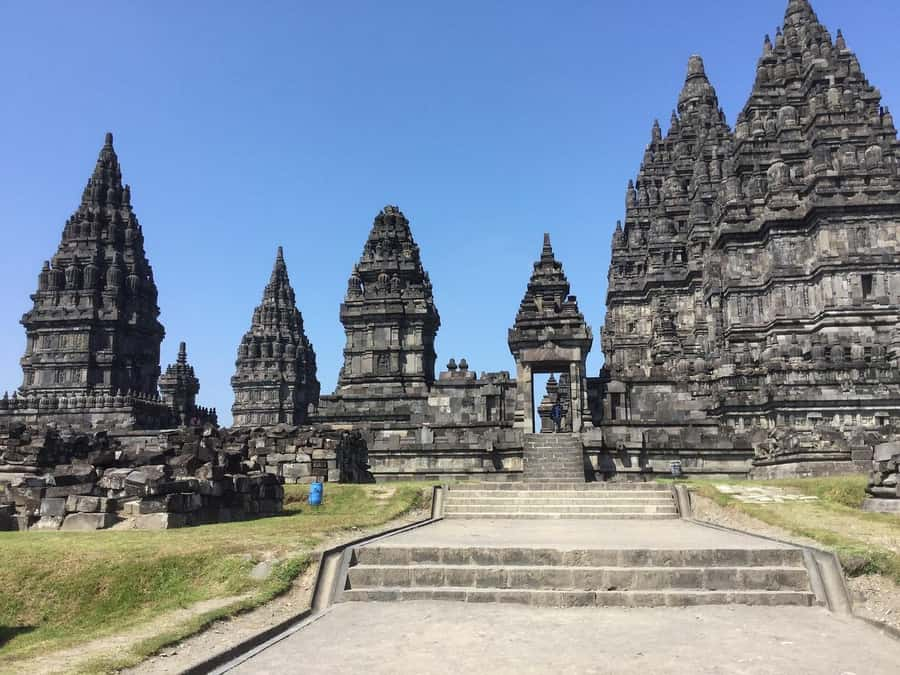
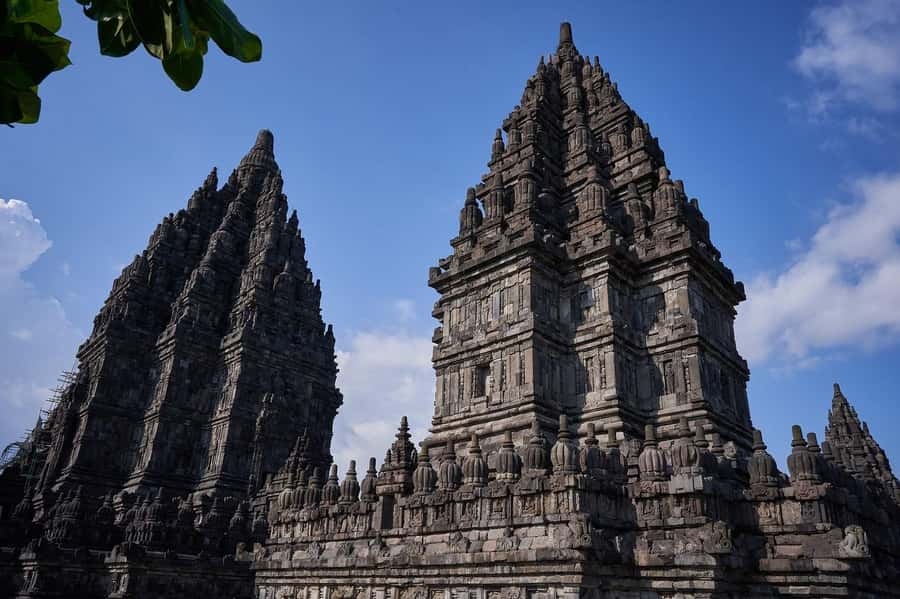
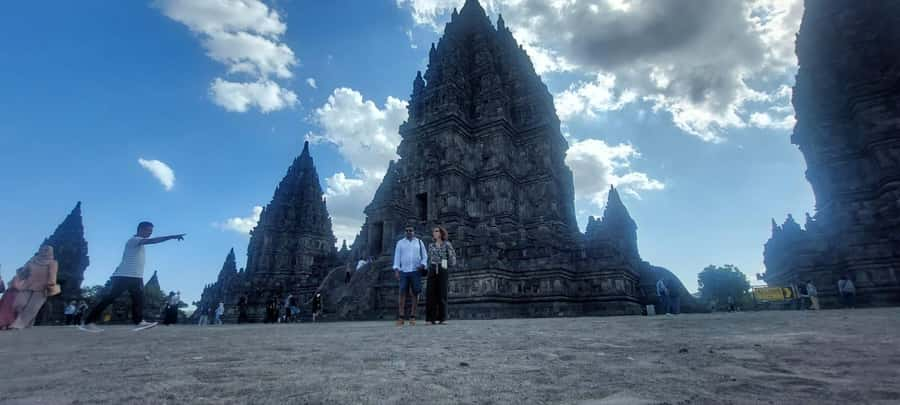
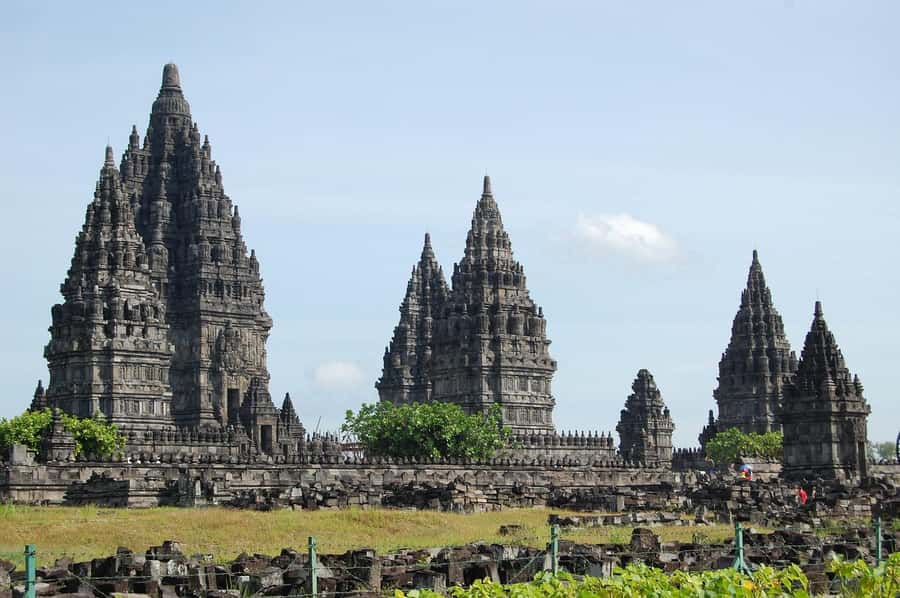
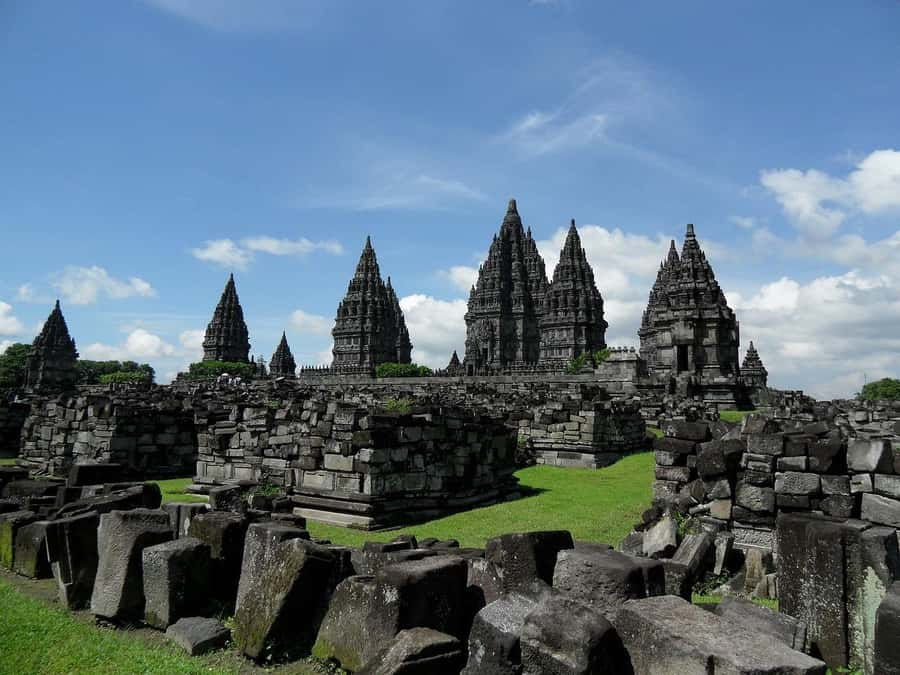
Prambanan is the centerpiece of the day. It is presented as the highest Hindu temple in Indonesia and dates to the ninth century, during the time of King Sanjaya.
The main temple complex includes shrines dedicated to Brahma, Siva, and Wisnu. Those three figures give the visit a clear structure. Rather than simply walking among old stone buildings, you can use the three central temples to understand the religious layout described by the guide.
A local guide is included for Prambanan, and that is important. A monument of this scale can be impressive at first glance, but the details mean more when someone explains what you are seeing. The guide is expected to cover the temple’s background, its Hindu connections, and the stories linked to the site.
The Ramayana is one of the key stories associated with Prambanan. That gives you a useful thread to follow as you examine the temple complex. If you already know the story, the carvings and religious figures may have more meaning. If you do not, the guide can help you connect the monument with the epic narrative.
The supplied description also presents Prambanan as a combination of Hindu and Buddhist elements, connected to a king’s marriage with someone from a Buddhist tradition. Treat this as part of the interpretation offered on the tour, and ask your guide to explain how the Hindu and Buddhist influences appear in the site.
I would allow yourself time to look upward and outward, not only at the ground-level details. Prambanan is meant to be read as a group of major shrines, and the scale becomes clearer when you step back from individual carvings.
Entrance is not included in the $95 price. Set aside cash for the ticket, since the tour information specifically advises you to bring cash. The exact fee is not provided, so check the current charge before the day begins.
Sukuh Temple, the more unusual second stop
After Prambanan, the route continues to Sukuh Temple, described as an exotic Hindu temple. The attraction here is contrast. Prambanan is the grand, formal monument. Sukuh offers a different visual and historical setting, giving you another way to think about Hindu architecture in Java.
The supplied details do not list Sukuh’s individual structures, carvings, or entrance fee, so I would not expect the guide to follow the same format as the Prambanan visit unless you confirm it in advance. What is clear is that Sukuh is included as a separate temple stop and is meant to be one of the day’s main highlights.
This stop will suit you if you enjoy unusual sites and want more than a standard visit to Yogyakarta’s best-known temple. It may be less satisfying if you prefer long, detailed explanations at every monument, since only a local guide at Prambanan is specifically included.
The biggest practical question is time. Because the tour also includes the tea plantation, you should ask how long you will have at Sukuh and whether a guide accompanies you there. That simple question will help you decide if the $95 cost matches the kind of visit you want.
Same place, a different pot:
- Jakarta: Volcano, Tea/Rice Fields, Hot Spring, Local Food
★ 4.9 · 515 reviews - Bandung: White Crater Hotspring Tea Plans And Lunch Included
★ 4.9 · 419 reviews - Bandung Tour Volcano, Hotsprings, Mud, Tea, Lunch all Included
★ 5.0 · 91 reviews - Volcano, Hot Spring, Tea Factory, rice fields and Coffee Tour
★ 5.0 · 25 reviews
Tea plantation views and a tasting stop
The tea plantation adds a welcome change after the temples. Instead of focusing on carved stone and religious symbolism, you get to see an agricultural setting and taste tea.
The experience is described as seeing the plantation and tasting the tea, but no further detail is supplied about the producer, tea-making process, walking route, or tasting format. I would treat it as a pleasant included stop rather than a full tea workshop.
Even a short visit can add local texture to the day. Temples tell you about Java’s religious past. A plantation gives you a glimpse of how the region is used today. That contrast is one of the strongest reasons to choose this outing instead of a temple-only trip.
If tea interests you, ask whether the tasting includes several varieties or one prepared sample. The tour information does not specify this. You should also ask if there is time to buy tea, since shopping is not listed as an included feature.
What the $95 price really covers
At $95 per person, this is not simply an entrance-ticket package. The value comes from combining transportation, hotel pickup and drop-off, parking, mineral water, a local guide at Prambanan, and several stops in one organized day.
That arrangement can be worthwhile if you are staying in Yogyakarta and want a straightforward way to reach both temples and the plantation. You avoid the hassle of arranging separate transport, and you have a driver who can manage the road between locations.
The price is less attractive if you already have reliable transport or want to visit only Prambanan. In that case, a shorter arrangement may give you more control. The tour makes its best case for people who want variety and convenience.
Remember the extra costs. Temple entrance fees, meals, and a tip for the driver are not included. The tour also does not list lunch, so plan to ask how food fits into the schedule. Do not assume a meal stop is covered by the price.
The strongest value may be the driver service. Andy was praised for promptness, traffic navigation, professionalism, and genuine helpfulness. Another strong point was flexibility when stops were changed or added. That is useful on a multi-stop day, though you should confirm whether any added stop could change the price or schedule.
How the guiding affects your visit
The English-language service includes a local guide at Prambanan. This is where the guide matters most, because the temple’s meaning is tied to its religious figures, ninth-century construction, and Ramayana story.
The available information does not promise a guide at Sukuh or the tea plantation. You may receive practical help from the driver, but you should not assume the same detailed guiding at every stop.
That distinction is important. If you want context at each location, ask before booking. If you mainly want transport with a focused explanation at Prambanan, the arrangement should fit well.
The guide service was praised as professional, and one person specifically described the guide as excellent. That matches the tour’s purpose: give you enough background to make Prambanan more than a quick photo stop.
Practical advice before you go
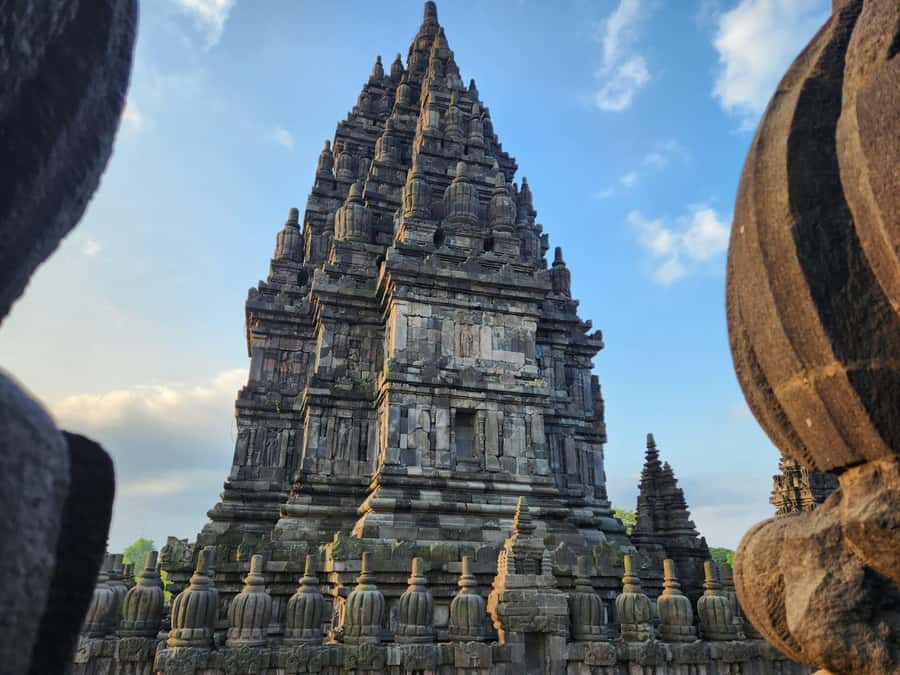
Bring a camera. Prambanan’s large shrines and Sukuh’s unusual character give you plenty to photograph, while the plantation offers a different setting from the temples.
Bring cash. You will need it for entrance fees and may want it for food or a driver tip. Since the tour does not include meals, ask about the day’s food plan before pickup.
Wear something comfortable for walking, though the supplied information does not specify the surface, distance, or amount of uphill walking. You should also check the weather forecast and ask the provider what conditions are expected, since the plantation stop takes place outdoors.
Keep your schedule flexible. The driver’s praised willingness to adjust the route is a benefit, but a flexible day can also mean the return time is not exact. Ask for a rough arrival window back at your hotel.
The provider is Naila Tour. English is the listed language. Booking can be made with payment later, and cancellation is allowed up to 24 hours in advance for a full refund. Those terms are useful if your Yogyakarta plans are not settled, but confirm the current conditions when you reserve.
Who should book this day trip?
I would recommend it to you if you want three different experiences in one day: a major Hindu monument, a less conventional temple, and a tea plantation visit. It also suits you if you value hotel pickup and do not want to work out a complicated route by yourself.
It is a good fit for visitors who appreciate explanation at the main sight but also want time to look around independently. The local guide at Prambanan gives the day an educational core, while the driver handles the practical side.
I would be more cautious if you want a slow, highly detailed visit at every stop. The tour covers a lot, and the total duration is not stated. Ask how long you will spend at each location before booking.
Should you book the Prambanan and Sukuh tour?
Book it if convenience, variety, and dependable driving matter to you. The best parts are the guided Prambanan visit, the unusual second temple, and the tea plantation tasting, all tied together with hotel transport.
Before paying $95, confirm the tour length, entrance fees, meal arrangements, time at Sukuh, and whether any guide accompanies you beyond Prambanan. If those details suit your plans, Naila Tour offers a practical way to see more of the Yogyakarta area without arranging every ride yourself.
FAQ
Where does the tour begin and end?
The tour starts with pickup at your hotel in Yogyakarta and ends with drop-off at your hotel in Yogyakarta.
What temples are included?
The tour includes Prambanan Temple and Sukuh Temple.
What is special about Prambanan?
Prambanan is described as the highest Hindu temple in Indonesia. The complex includes three main temples dedicated to Brahma, Siva, and Wisnu, and the Ramayana is an important story connected with the site.
Is a guide included?
An English-speaking local guide at Prambanan is included.
Is Sukuh Temple guided?
The tour information confirms that Sukuh Temple is included, but it only specifically lists a local guide for Prambanan. Ask the provider if you want guiding at Sukuh.
Is the tea plantation visit included?
Yes. The tour includes a visit to a tea plantation and a tea tasting.
Are entrance fees included?
No. Temple entrance fees are not included in the $95 price.
Are meals included?
No. Meals are not included.
What should I bring?
Bring a camera and cash. Cash is useful for entrance fees, meals, and tipping the driver.
Can I cancel for a full refund?
Yes. The stated policy allows cancellation up to 24 hours in advance for a full refund.
Just added around Indonesia
- Volcano, Hot Spring, Mud Bath & Tea plantation all included★ 5.0 · 5 reviews
- Private Half-Day Tea Village Discovery with lunch in Yogyakarta★ 5.0 · 3 reviews
- Full-Day Adventure: Tea Plantation & the Mystical Dieng Plateau★ 5.0 · 6 reviews
- TULA Wellness Taiwan Tea Ceremony★ 5.0 · 3 reviews
- Tea Tree Spa at Holiday Inn Resort Baruna Bali★ 5.0 · 2 reviews
- Private Trip Malang/Surabaya : Tour Tea Plantation Wonosari★ 5.0 · 5 reviews
- From Yogyakarta: Dieng Tour, Golden Sunrise & Tea Plantation★ 5.0 · 6 reviews
- From Jakarta : Volcano, Tea & Rice Fields, Hot Spring★ 4.9 · 17 reviews
Tea Plantation Tours in Indonesia, compared.
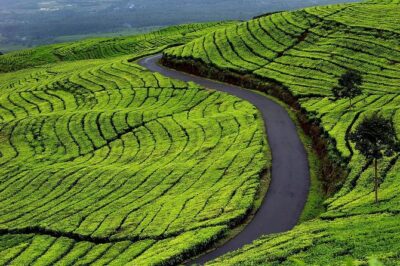
Active Volcano, Rice Field, Hot Spring, Fruit market, Tea Plantation with Lunch
Read our review →
White Crater, Scenic Tea Plantations & Hot Spring
Read our review →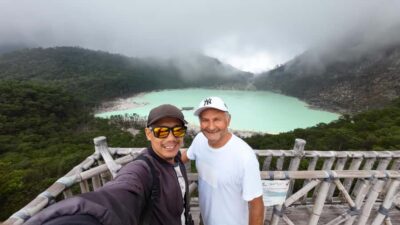
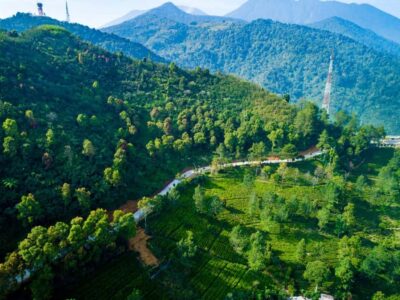
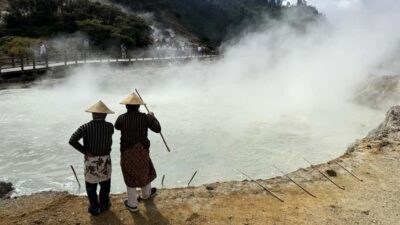
From Yogyakarta: Dieng Tour, Golden Sunrise & Tea Plantation
Read our review →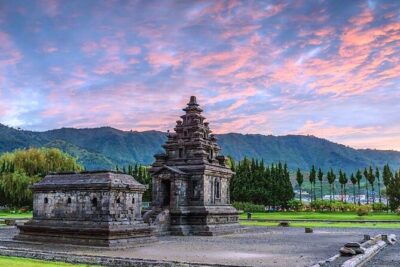
Full-Day Adventure: Tea Plantation & the Mystical Dieng Plateau
Read our review →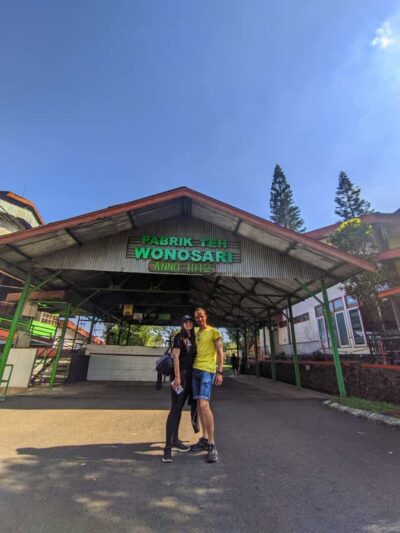
Private Trip Malang/Surabaya : Tour Tea Plantation Wonosari
Read our review →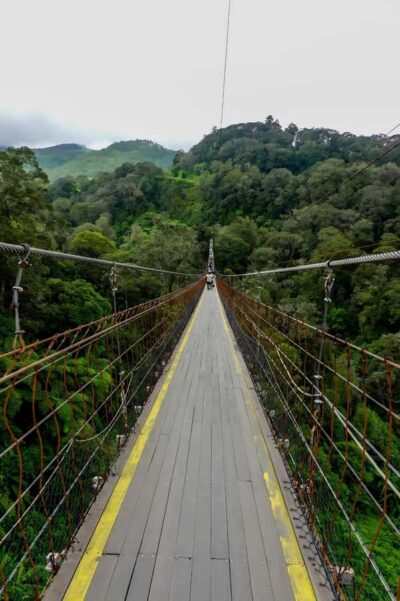
Volcano, Hot Spring, Mud Bath & Tea plantation all included
Read our review →Browse the lists this tour appears in